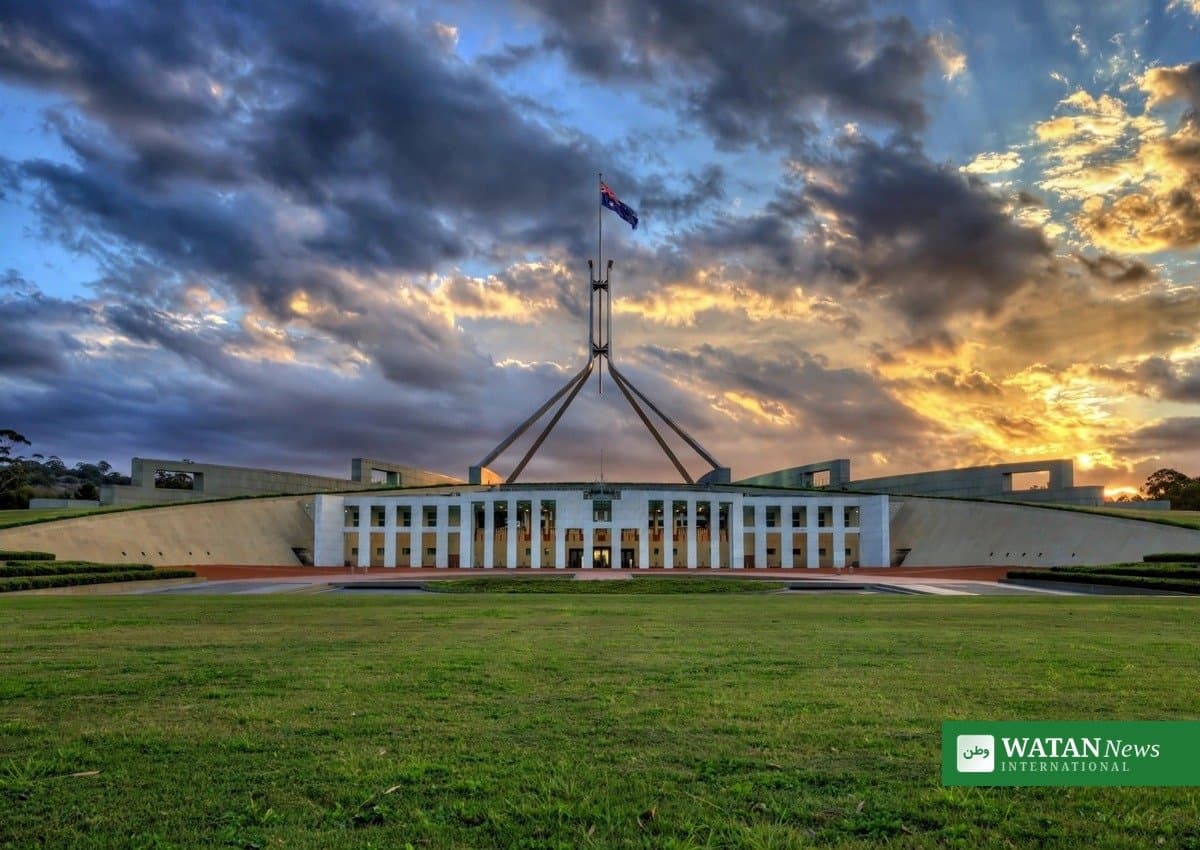
Canberra — Local politicians across Australia seriously underestimate how strongly the public wants climate action, according to new research from the University of Queensland released this week — a perception gap the authors warn could hold back climate policy just weeks before the COP31 climate talks open in Antalya, Türkiye.
The study, published in the Journal of Environmental Psychology, found councillors estimated that 61 per cent of Australians want stronger government action on climate change. The true figure, measured in two large representative public surveys, is 83 per cent.
How the study was done
Researchers at the university’s School of Psychology surveyed 211 local government councillors across every Australian state and the Northern Territory. Each councillor was asked to estimate public opinion on four questions: support for stronger government climate action, willingness to rely less on fossil fuels, openness to financially contributing to climate action, and levels of worry about climate impacts.
The researchers then compared those estimates with the answers of more than 1,000 Australians in each of two large-scale public opinion surveys.
The gap in the numbers
The differences were striking:
- Stronger government action: councillors guessed 61 per cent support; the real figure is 83 per cent.
- Financial contribution: councillors guessed 32 per cent would be open to paying for climate action; the real figure is 56 per cent.
- Less fossil fuel: 66 per cent of Australians want the country to rely less on fossil fuels in future. Left-leaning councillors overestimated this at 78 per cent, while right-leaning councillors underestimated it at 56 per cent.
- Worry about impacts: councillors also misjudged how worried Australians are about the effects of climate change.
Why the misperception matters
Lead author Annabelle Wilkinson said local policymakers “misjudged where Australians stand on climate change, including calls for stronger government action and how worried people are about the impacts.”
Senior author Dr Christoph Klebl added: “Politicians are there to enact what the public wants, but if they misperceive these views, they are not only disadvantaging themselves but they are not accurately representing their constituents.”
The timing is significant. With the COP31 climate conference opening in Antalya in November, the researchers argue that correcting such misconceptions is urgent: “Australia is in danger of not meeting its climate change targets, and potential misconceptions about important issues like this matter because public opinion is a key driver of policy implementation,” Wilkinson said.
Local government sits at the front line of much climate policy — waste, land use, transport and community energy — making councillors’ read of the public especially consequential. For continuing coverage of international climate policy, see Watan News’ climate section.
FAKTA
- 211 local councillors surveyed across Australia
- 83% of Australians want stronger government climate action (councillors guessed 61%)
- 56% are open to financially supporting climate action (councillors guessed 32%)
- 66% want Australia to rely less on fossil fuels
- Study published in the Journal of Environmental Psychology, 8 October 2026
What the researchers recommend
The authors say policymakers should question their assumptions about what voters want on climate — and that citizens can help close the gap by pressing candidates on their climate views during election campaigns.
The awareness gap, it turns out, runs in an unexpected direction: on climate action, the public is ahead of the politicians.