CAMBRIDGE, Mass. — Margaret Hamilton, the pioneering computer scientist whose software guided Apollo 11 to the Moon and who is credited with coining the term “software engineering”, died on September 30 at the age of 90, the Massachusetts Institute of Technology confirmed.
Hamilton joined MIT’s Instrumentation Laboratory in 1959 and went on to lead the team of about 100 engineers that designed the onboard flight software for NASA’s Apollo missions under a NASA contract awarded in 1961, covering the Apollo command and lunar modules.
FAKTA
- Margaret Hamilton died on September 30, 2026, at the age of 90; her death was confirmed by MIT.
- She joined MIT’s Instrumentation Laboratory in 1959 and led a team of about 100 engineers that designed the onboard flight software for NASA’s Apollo missions.
- She is credited with coining and popularizing the term “software engineering”.
- Minutes before the Apollo 11 lunar touchdown in July 1969, her priority-driven software overcame 1202/1201 overload alarms, allowing Armstrong and Aldrin to land safely.
- Her awards include NASA’s Exceptional Space Act Award and the 2016 Presidential Medal of Freedom from President Barack Obama.
- She was born in Paoli, Indiana, graduated from Earlham College in 1958 with a mathematics degree and a philosophy minor, and later founded Hamilton Technologies, Inc.
Margaret Hamilton and the Apollo 11 Landing
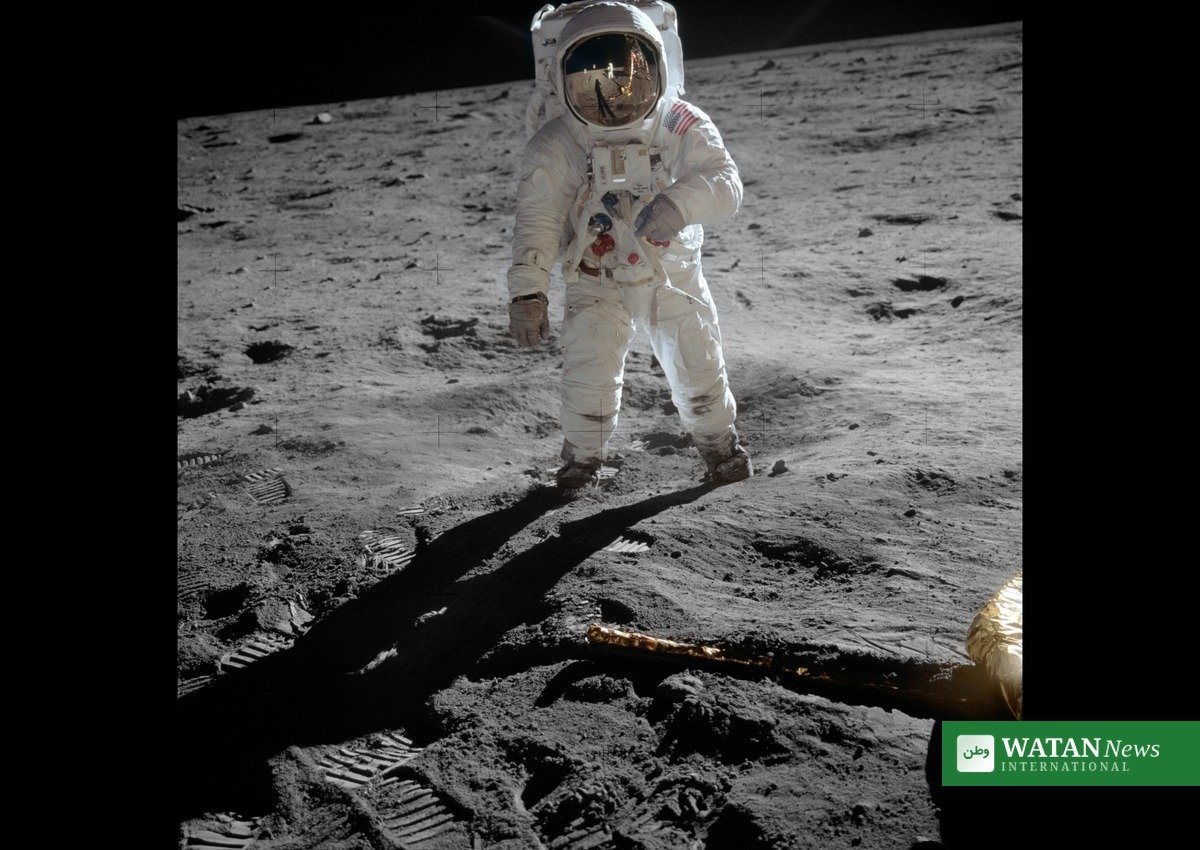
In July 1969, minutes before the lunar module was due to touch down, the Apollo guidance computer began throwing 1202 and 1201 overload alarms. Software written by Hamilton’s team recognized the computer was overloaded, dropped low-priority background tasks, and concentrated on the landing — a decision Mission Control trusted, allowing Neil Armstrong and Buzz Aldrin to land safely on the Moon.
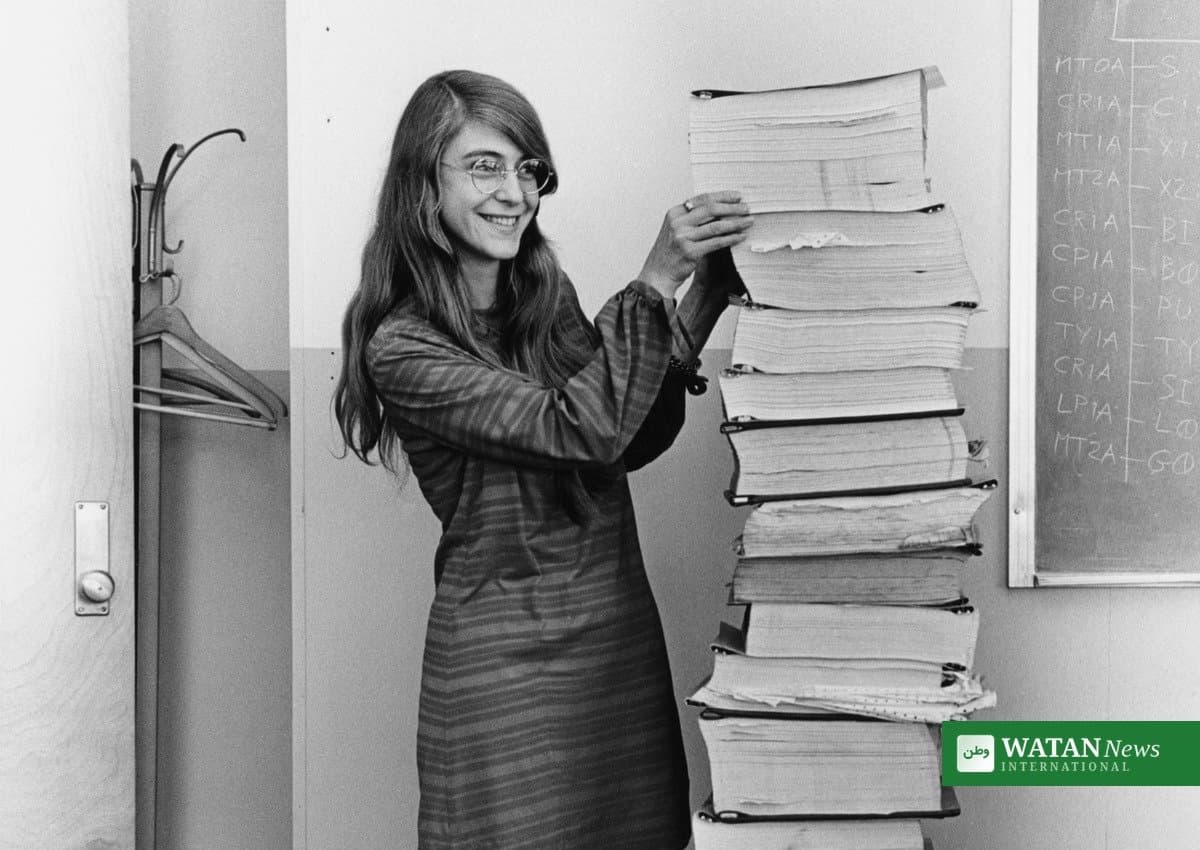
An iconic 1969 photograph shows Hamilton standing beside a towering stack of printed Apollo guidance code she helped create — an image that has come to symbolize the scale of the software effort behind the Apollo program.
The Woman Who Named Software Engineering
At MIT, Hamilton headed the Software Engineering Division of the Instrumentation Laboratory, which built the flight software for the Apollo command and lunar modules. She is credited with coining and popularizing the term “software engineering” at a time when software was not yet taken seriously as a discipline.
“To say Margaret Hamilton was a pioneer — to say she was ahead of her time — would be a dramatic understatement,” said Olivier de Weck, interim head of MIT’s aeronautics and astronautics department.
Honours, Company and Legacy
Hamilton received NASA’s Exceptional Space Act Award and, in 2016, the Presidential Medal of Freedom from President Barack Obama, whose citation read: “Hamilton defined new forms of software engineering and helped launch an industry that would forever change human history.”
After leaving MIT in the mid-1970s, she founded Hamilton Technologies, Inc. and remained active in computing entrepreneurship. She was also featured in the LEGO Women of NASA set, and Earlham College awarded her an honorary Doctor of Science in May 2025.
Watan News honours the pioneers of science and technology — read more in our English science and technology coverage.