Australia is tightening its student visa system with a sweeping package of integrity reforms, and the headline change is a new Australia student visa transfer rules regime: international students will need to hold a separate transfer visa to change courses or providers, ending years of unchecked “course hopping”. The announcement was made by Assistant Minister for International Education Julian Hill and builds on Home Affairs Minister Tony Burke’s September reform package.
Key facts
Who: Assistant Minister for International Education Julian Hill (Labor/Albanese government)
Core change: A separate student transfer visa stream for changing courses or providers, from 1 July 2027
Interim rule: A 12-month transfer restriction applies immediately, replacing the previous six-month limit
Level rule: Transfers allowed only at the same or a higher level of the Australian Qualifications Framework (AQF); no onshore moves from higher education to VET
From 1 July 2027: Students must receive the new visa before commencing study at a new provider; the visa end date stays the same
Context: Home Affairs Minister Tony Burke announced the broader package at the National Press Club on 17 September 2026, including restrictions on student family members
Agents: Commissions on onshore course transfers are banned and “curious patterns” of transfer activity are under active examination
How the new Australia student visa transfer rules work
Under the reforms, a student who wants to switch course or provider can no longer simply transfer. Until the new visa stream arrives, the transfer restriction has been extended from six months to 12 months as an interim measure — what Hill calls “immediate action on unacceptably high onshore transfer activity, while preserving transfers for legitimate reasons”.
Once the dedicated transfer visa takes effect on 1 July 2027, students in the transfer stream must have received their new visa before they can commence study at the new provider, and the end date of their visa will remain the same. Exceptions are preserved for genuine cases, such as where a provider or course ceases to be registered.

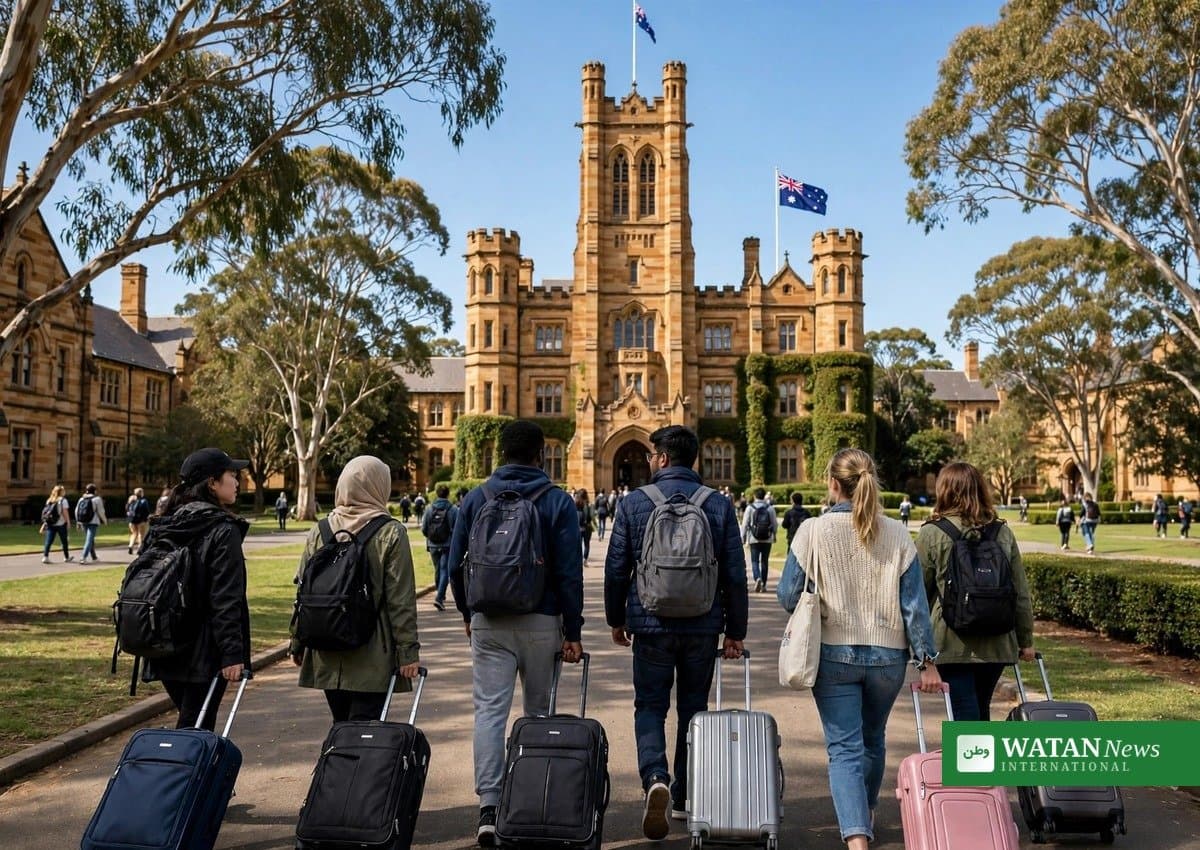
Student visa documents. Under the new Australia student visa transfer rules, switching courses will require a separate visa in the transfer stream from 1 July 2027.
The reforms also close a long-abused loophole: students will no longer be able to come to Australia to study higher education and then transfer onshore to vocational (VET) courses. Transfers will only be permitted at the same level or up the Australian Qualifications Framework. Read the official announcement from the Department of Education for the full detail.
Targeting “permanently temporary” migration
The reforms are aimed at what the government calls “permanently temporary” migration — people who arrive for a temporary purpose, game the visa system and the appeals process, and simply refuse to leave, sometimes remaining in Australia for years on temporary visas without qualifying for skilled migration pathways.
Tony Burke’s 17 September National Press Club package widened the crackdown beyond course transfers: secondary applicants will be restricted on most student visas, meaning most students will no longer be able to automatically bring family members while they study. PhD, Pacific, ASEAN and overseas government-sponsored students are exempt, and families already in Australia will not be separated. An independent analysis of the announcement is available at ICEF Monitor’s breakdown of the reforms.
Agents and providers in the spotlight
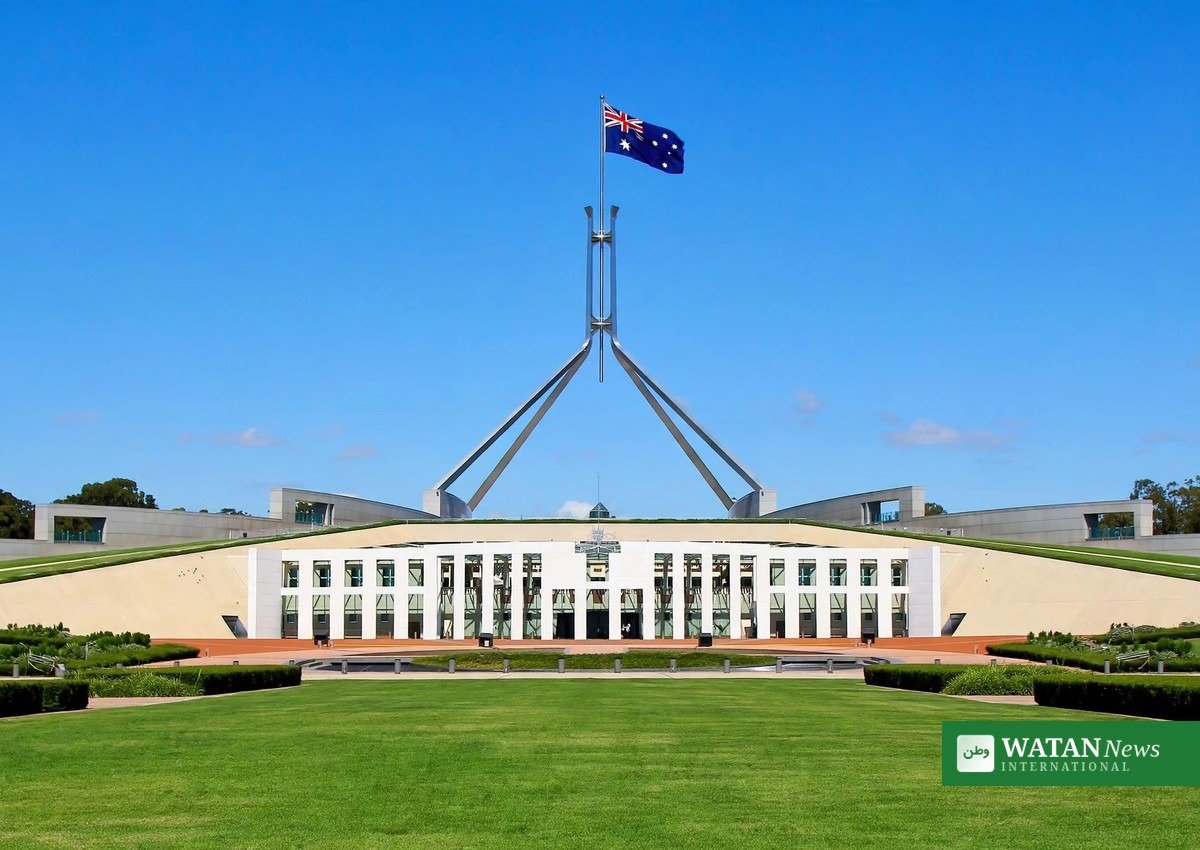
Parliament House, Canberra. The Albanese government says it will act “decisively” to protect the integrity of the international education sector.
Julian Hill has put providers, agents and students on notice: “Do not try to game this measure. A paper enrolment, a rushed orientation or token activity is not a licence to evade the intent of the action and curious patterns are now being actively examined.” Students, he warned, should be very wary of anyone pressuring them to start another course immediately, particularly while they are still completing existing studies.
The government has already moved to remove the money incentive for “course hopping”: agents are barred from earning fees or bonuses when onshore students switch courses or institutions. And in the first use of new course-cancellation powers, the government has moved to stop new international student enrolments in the Graduate Diploma of Management (Learning) from 5 October 2026, citing evidence the course was being used to facilitate onshore transfers and extend stays rather than for genuine study.
Before and after: what actually changes
| Rule | Before | After |
|---|---|---|
| Transfer restriction | No change of provider for the first six months of the first registered course | 12 months interim; separate transfer visa required from 1 July 2027 |
| Course level | Moves to lower-level courses possible, including higher-education to VET onshore | Only at the same level or up the AQF; no HE-to-VET transfers onshore |
| Starting new study | Could commence at the new provider while the transfer was arranged | Must hold the new visa before commencing study at the new provider |
| Agents | Commissions and bonuses paid when onshore students switched courses | Fees and bonuses for onshore transfers banned; transfer patterns under active examination |
| Family members | Most student visas allowed secondary applicants to accompany students | Secondary applicants restricted on most student visas (PhD, Pacific, ASEAN, government-sponsored exempt) |
What it means for students and universities
For genuine students the message is straightforward: pick the right course at the start, because mid-stream switches are about to get much harder. Education providers that relied on easy onshore transfers as part of their enrolment strategy will need to adapt, and universities are likely to welcome the shift away from low-quality “paper enrolment” business models.
The sector, however, will watch closely for unintended damage. International education is one of Australia’s largest export industries, and provider groups have warned in the past that heavy-handed tightening can cost jobs and research funding. Hill’s answer is that the package is deliberately balanced: a “ruthless focus on quality, integrity and a great student experience” without trashing one of the nation’s largest export sectors. For more context on the sector, see our world news coverage and the same story on Watan News main site.
Conclusion
Australia’s student visa overhaul marks a decisive shift: studying in the country will soon mean committing to a defined course, with a dedicated transfer visa from 1 July 2027 replacing the free-for-all that produced “permanently temporary” migration. Combined with the ban on transfer commissions, tougher scrutiny of agents and providers, and restrictions on student family members, the government is betting that integrity — not volume — will secure the future of its international education sector.