The global plastics treaty does not exist yet — but the mandate to negotiate it does. In March 2022, governments at the resumed fifth UN Environment Assembly adopted resolution 5/14, “End plastic pollution: towards an international legally binding instrument,” ordering the creation of the Intergovernmental Negotiating Committee (INC) to develop a treaty covering the full life cycle of plastic, from production to disposal. Four years later, negotiators have agreed leadership, process and a mandate — but not the treaty text itself.
FAKTA
- The mandate: UN Environment Assembly resolution 5/14 (March 2022) calls for an international legally binding instrument on plastic pollution, covering the full life cycle of plastic including production, design and disposal.
- Where the talks have met: Punta del Este (INC-1, Nov–Dec 2022), Paris (INC-2, May–Jun 2023), Nairobi (INC-3, Nov 2023), Ottawa (INC-4, Apr 2024), Busan (INC-5.1, Nov–Dec 2024), Geneva (INC-5.2, Aug 2025).
- INC-5.3: a one-day administrative session in Geneva on 7 February 2026 — no substantive negotiations; its purpose was to elect officers.
- New chair: Ambassador Julio Cordano of Chile was elected chair at INC-5.3, succeeding Ecuador’s Luis Vayas Valdivieso, who resigned in October 2025.
- The core divide: a High Ambition Coalition of 100+ countries wants binding production limits across the full life cycle; petrochemical-producing states want the treaty limited to downstream waste management and recycling.
- Next round: the formal INC-5.4 negotiating session is scheduled for 13–24 March 2027.
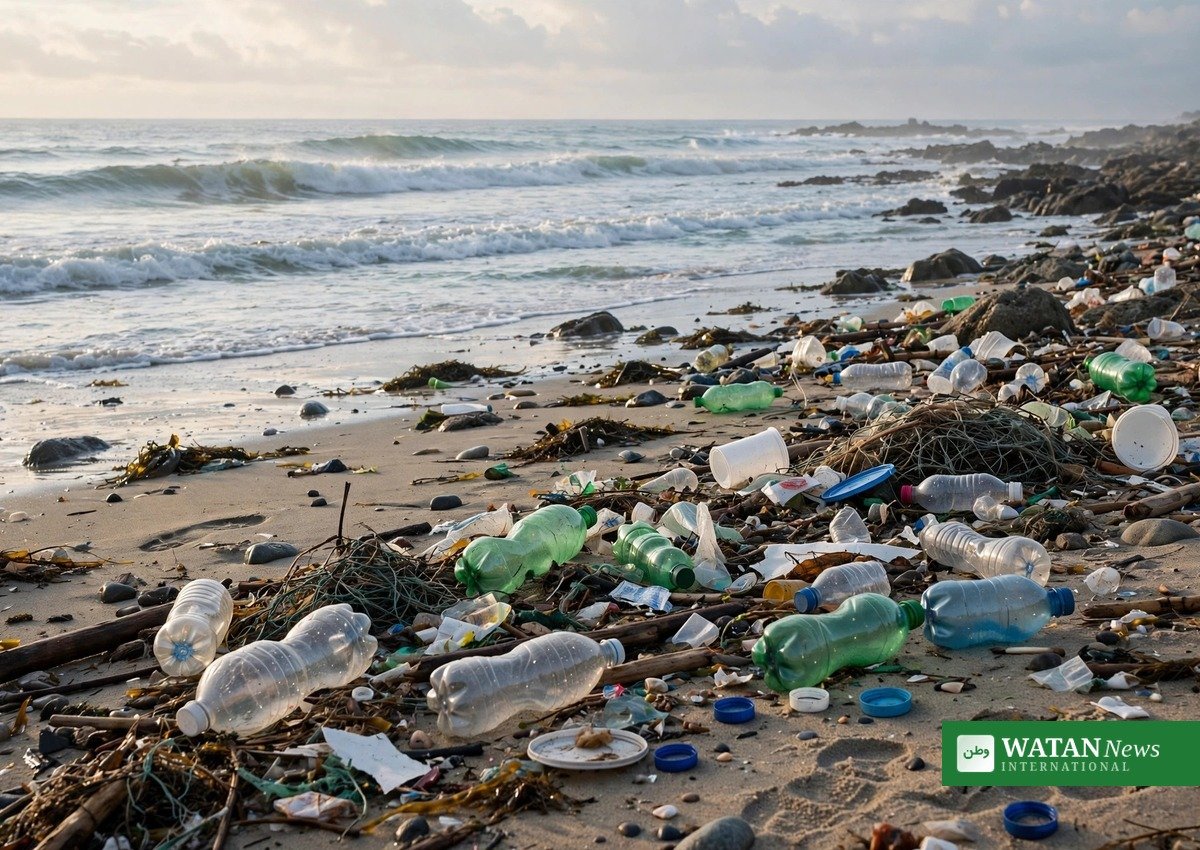
How the plastics treaty negotiations reached this point
The INC began work in the second half of 2022 under UNEP’s convening. The first four sessions mapped the terrain — Punta del Este, Paris, Nairobi and Ottawa — producing draft text but no convergence on the hardest question: whether the treaty should cap plastic production at source or focus downstream on waste management and recycling.
Busan and Geneva: two collapses
The fifth session’s first part in Busan (INC-5.1, November–December 2024) ended without agreement, and the talks spilled into 2025. The resumed session in Geneva in August 2025 (INC-5.2) also closed without a finished text, with countries still fundamentally divided over production limits. Critics, including environmental organisations, accused the then-chair of catering to the lowest common denominator and lacking transparency.
INC-5.3: electing a chair, not negotiating text
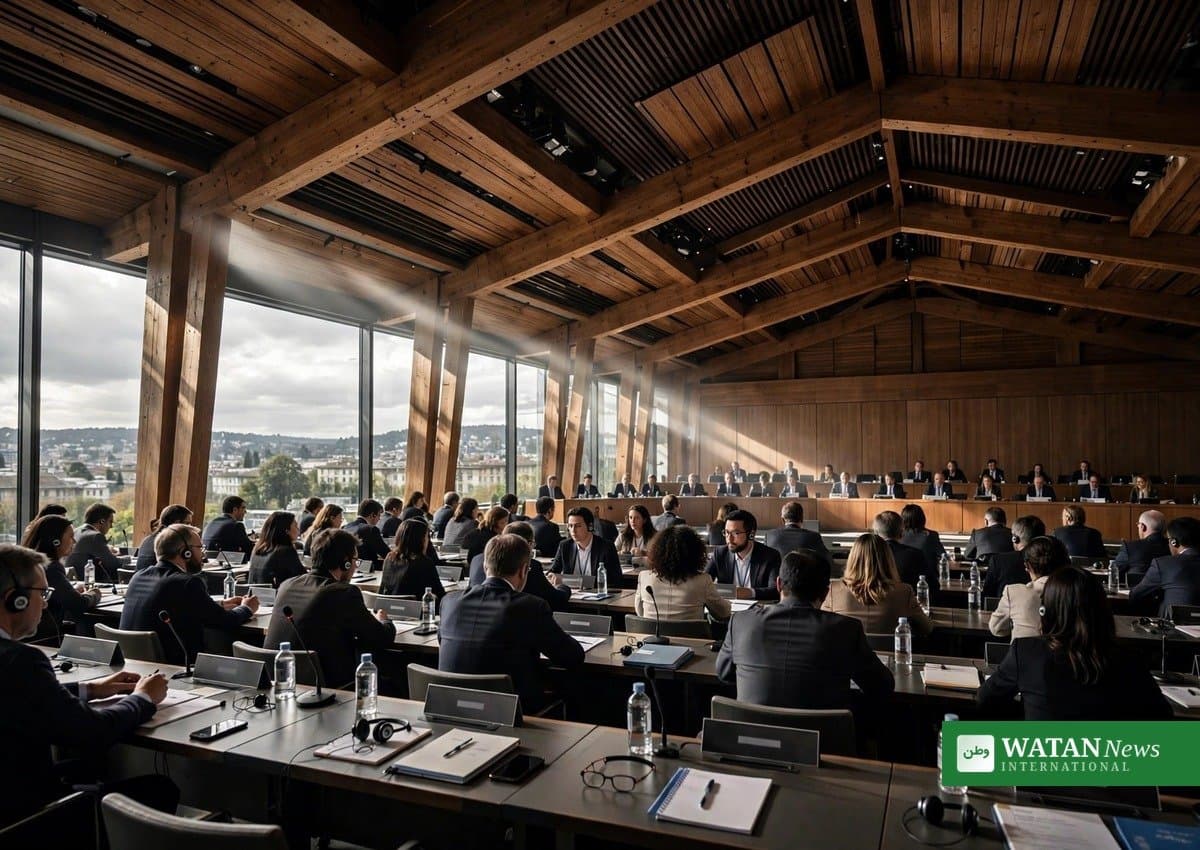
After the former chair resigned, the INC bureau agreed on 30 October 2025 that a one-day resumed session should be convened on 7 February 2026 at the Geneva International Conference Centre for organisational and administrative purposes only — including the election of officers and of a chair. No substantive negotiations took place. Delegates elected Julio Cordano of Chile, the country’s Director of Environment, Climate Change and Oceans at its foreign ministry, as the committee’s third chair. Civil society groups welcomed the election while urging the new chair to restore transparency, neutrality and ambition.

What stands between the mandate and the text
The mandate from UNEA resolution 5/14 is comprehensive: a binding instrument addressing the full life cycle of plastics, including the marine environment. But that comprehensiveness is exactly where the process has stalled. Countries in the High Ambition Coalition insist binding measures must address production — caps on virgin plastic, controls on problematic chemicals and products — while opposing states argue the treaty should cover only waste management and recycling technology.
With INC-5.4 now scheduled for March 2027, the new chair has time and a strategic roadmap of informal meetings to prepare a consensus-based draft. The question is whether process can substitute for political agreement on production.
The bottom line
Governments agreed the mandate in 2022, and in 2026 they agreed on who should hold the gavel. The treaty itself — the legally binding instrument to end plastic pollution — remains unwritten. What happens between now and March 2027 will decide whether the mandate turns into a text that addresses the full life cycle of plastic, or into a thinner agreement limited to managing the waste it leaves behind.
Read more on Watan News: the plastics treaty mandate.