China’s Q3 GDP growth rebounded to 4.5% year-on-year in the third quarter, beating economists’ expectations and putting the country’s annual growth target within reach, the National Bureau of Statistics announced on Monday. The data landed on the same day that global oil prices eased from five-month highs after the United States waived certain Russia sanctions, with Brent crude falling more than 2% to about $107.57 a barrel and WTI dropping nearly 2% to about $99.46.
FAKTA
- China Q3 GDP: 4.5% year-on-year, beating the 4.4% forecast in a Reuters poll and improving from the 4.3% low of the second quarter, according to the National Bureau of Statistics.
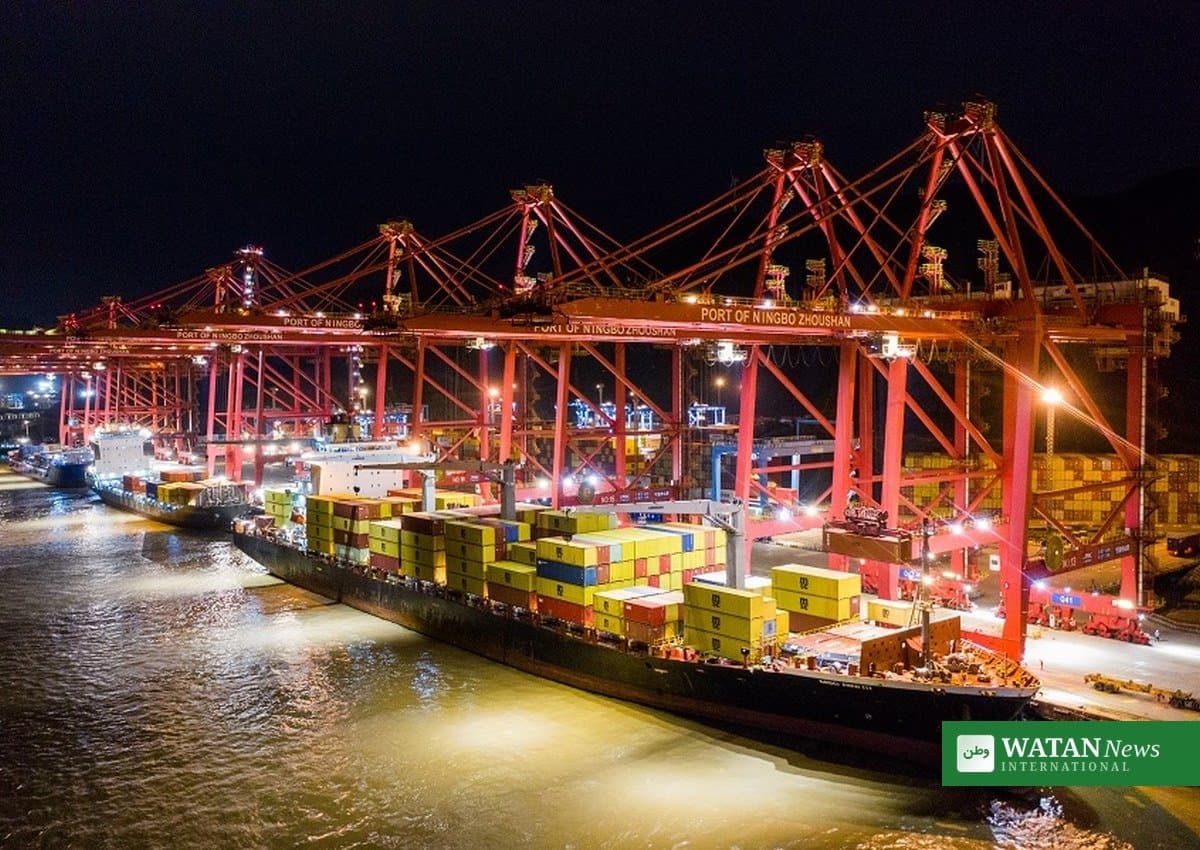
- Exports surge: September exports soared 36.3% from a year earlier in US dollar terms, far outpacing the 25.5% forecast; the trade surplus widened, keeping China on track to surpass last year’s record $1.2 trillion surplus.
- Unbalanced growth: The economy grew 4.6% in January-September, within the 4.5%-5% annual target, but domestic demand remains weak while the property sector struggles and fixed-asset investment fell 7.3% in January-September.
- Oil eases: Brent crude futures fell 2.08% to $107.57 a barrel on Monday after settling at $109.86 on Friday, its highest since May 19; WTI fell 1.92% to $99.46 after closing Friday at $101.41, its highest since September 17.
- The trigger: US President Donald Trump signed an executive order on Friday waiving key sanctions and tariffs under the Graham Act, raising expectations of additional Russian fuel exports; Secretary of State Marco Rubio said the administration will use up to 60 days to assess the impact.
China’s Q3 GDP Growth and the Two-Speed Economy
The third-quarter reading of 4.5% year-on-year growth beat the 4.4% forecast and improved from the more-than-three-year low of 4.3% in the April-to-June period, easing pressure on policymakers to deliver more aggressive stimulus. On a quarterly basis, the economy expanded 1.2%, accelerating from 0.9% in April-June.
Beijing has leaned heavily on exports for growth this year. China’s strategy of redirecting credit from property toward high-tech industries has created a two-speed economy: strong factory output and exports mask weak consumption and private investment. September industrial output growth was expected to accelerate to 5.5% year-on-year, while retail sales growth was projected at just 0.6%.
Analysts quoted by Reuters said the GDP beat reduces the urgency for broad-based monetary easing, though the growth composition remains deeply unbalanced and the property sector shows no floor. Beijing has allocated 550 billion yuan ($82.28 billion) in unused government debt quotas to ease local governments’ financial strain and expand infrastructure investment.
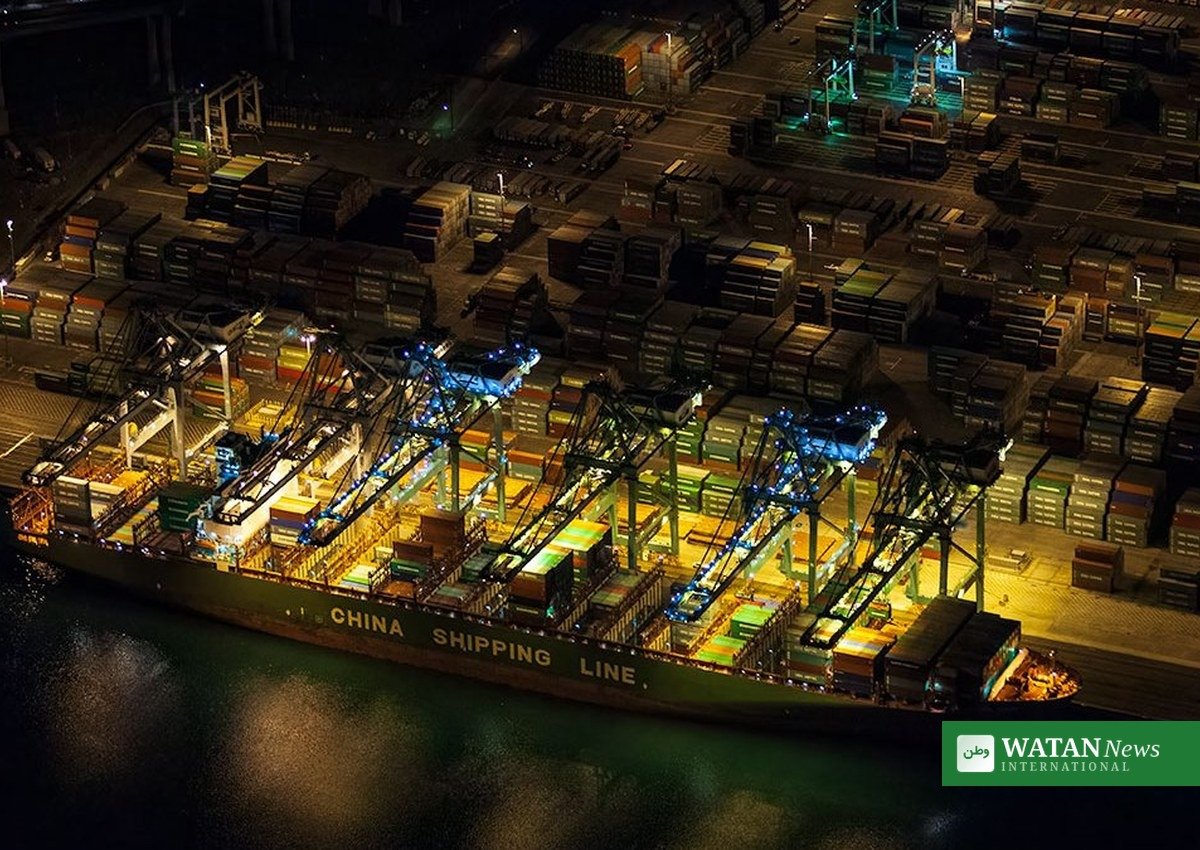
A China Shipping Line container vessel at port – September exports surged 36.3% year-on-year, far above forecasts.
China’s Key Economic Indicators: Q3 vs Q2 2026
| Indicator | Q3 2026 | Q2 2026 |
|---|---|---|
| GDP growth (year-on-year) | 4.5% | 4.3% |
| GDP growth (quarter-on-quarter) | 1.2% | 0.9% |
| September exports (year-on-year) | +36.3% | (August: +25%) |
| Jan-Sept fixed-asset investment | -7.3% | (Jan-Aug: -7.2%) |
| Jan-Sept overall GDP growth | 4.6% | Annual target 4.5%-5% |
Oil Falls After Record Highs
Oil prices slipped from five-month highs on Monday as investors took profits after the US move on Russia sanctions. Brent crude futures fell $2.29, or 2.08%, to $107.57 a barrel by 0619 GMT, after settling at their highest since May 19 on Friday. US West Texas Intermediate crude dropped $1.95, or 1.92%, to $99.46 a barrel, after closing at its highest since September 17 on Friday.
Trump’s executive order waived specified Graham Act sanctions and tariffs that he had signed last month at the urging of lawmakers seeking to pressure Moscow over its war in Ukraine. The waiver comes after Trump struck a deal with Russian President Vladimir Putin to export diesel to the United States and other countries – starting at about 2.3 million barrels this month before rising to about 7.6 million barrels monthly.
Analysts cautioned that the move does little to address physical supply disruptions in the Strait of Hormuz, where oil tanker attacks continue, and that markets are unlikely to fully price in a sustained increase in Russian supply until the details and duration of the waiver are clearer.
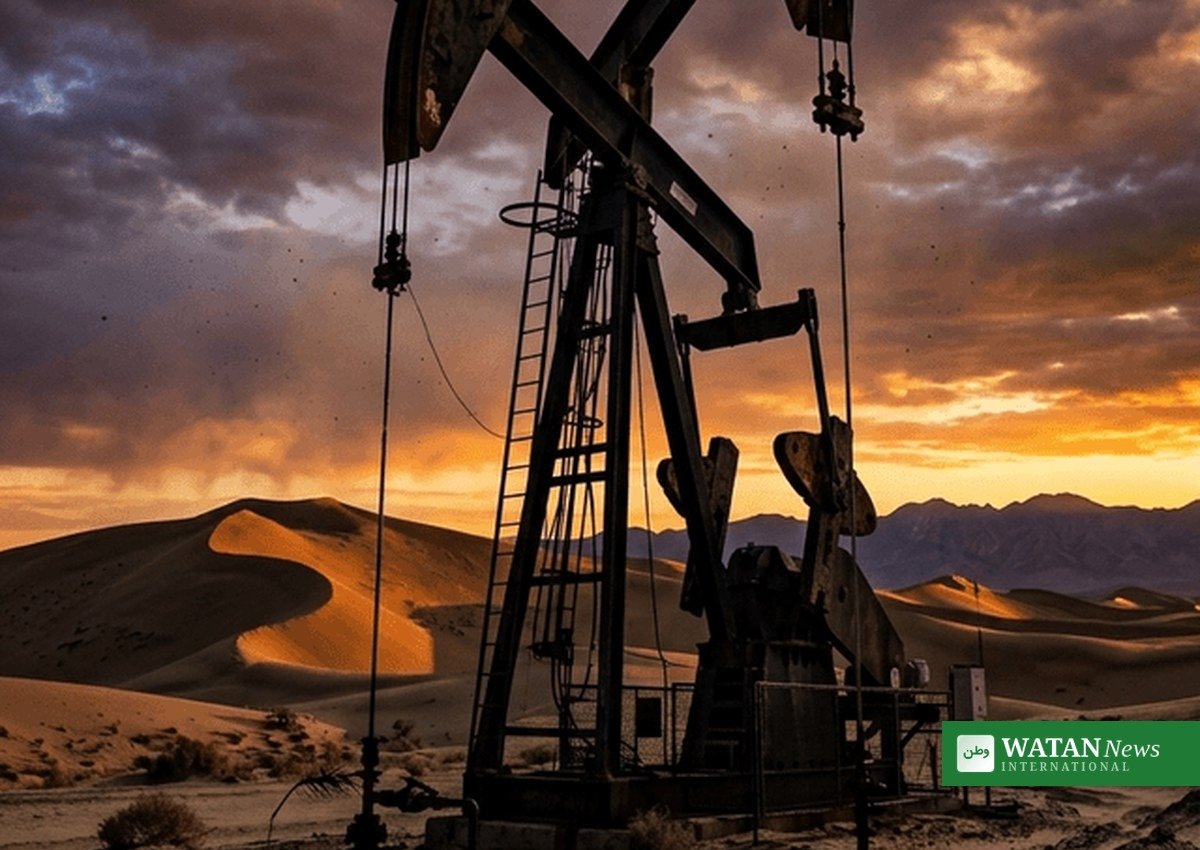
An oil pumpjack at sunset – crude benchmarks eased on Monday after closing Friday at their highest levels in months.
Conclusion
China’s 4.5% third-quarter growth puts the annual target back within reach, though the economy remains a story of strong exports papering over weak domestic demand. In energy markets, the Russia sanctions waiver has taken the edge off Friday’s rally – but with Hormuz shipping risks unresolved, the relief may prove fragile. For developments in Iraq’s energy-rich Kurdistan region, read: UK Security Adviser Powell Holds Talks with Kurdish Leaders in Erbil.