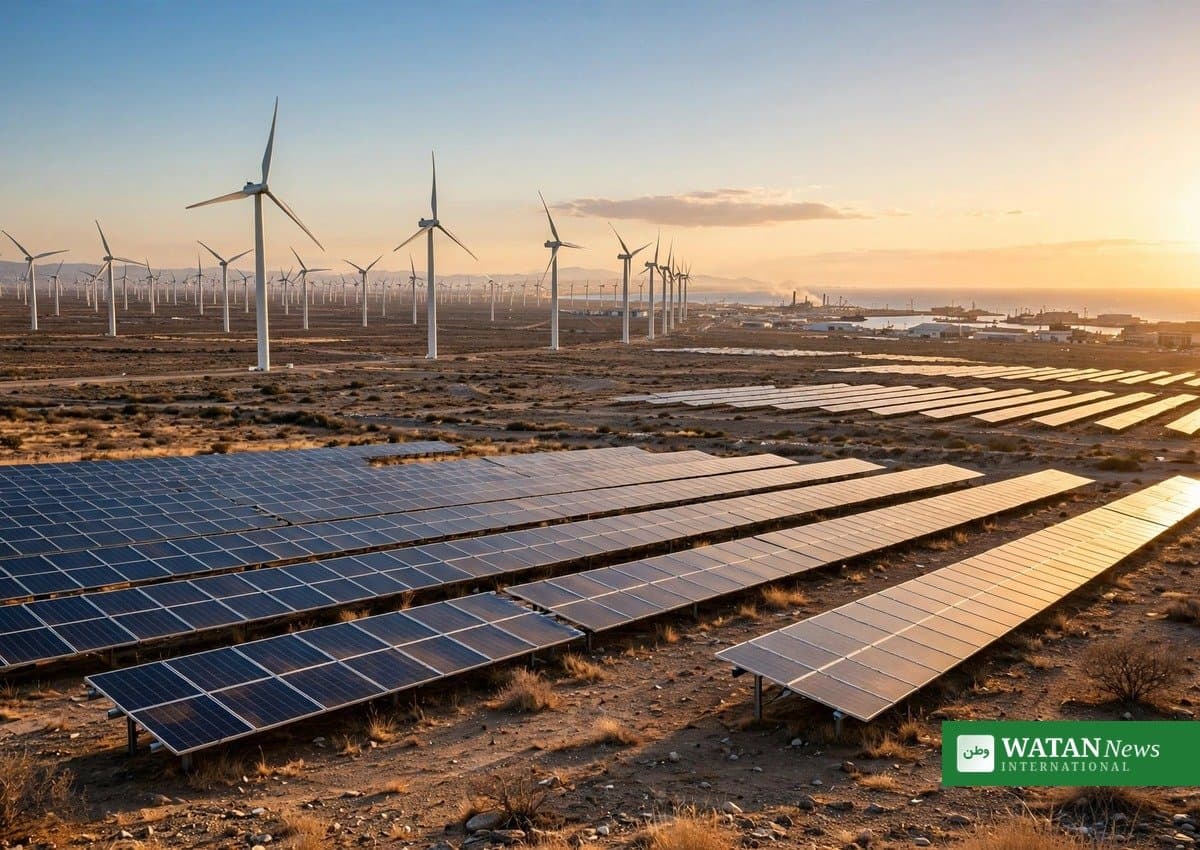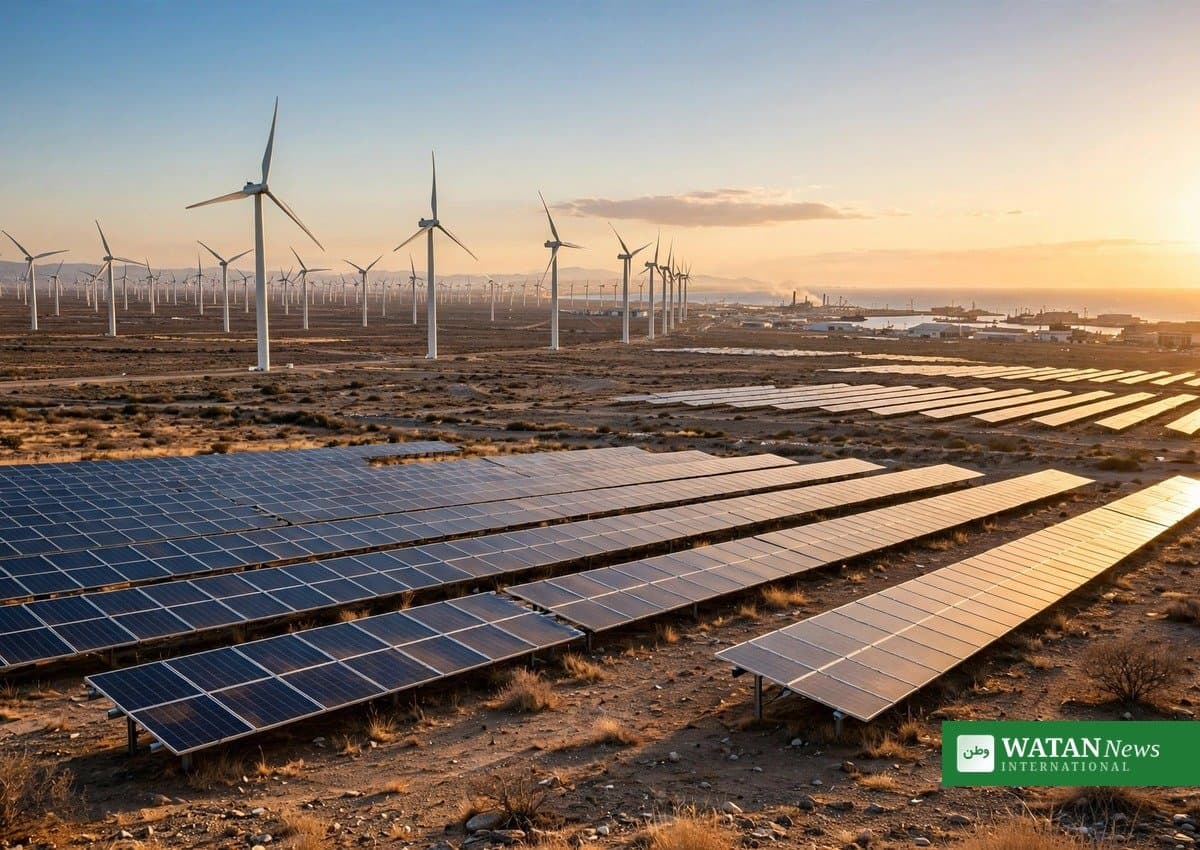
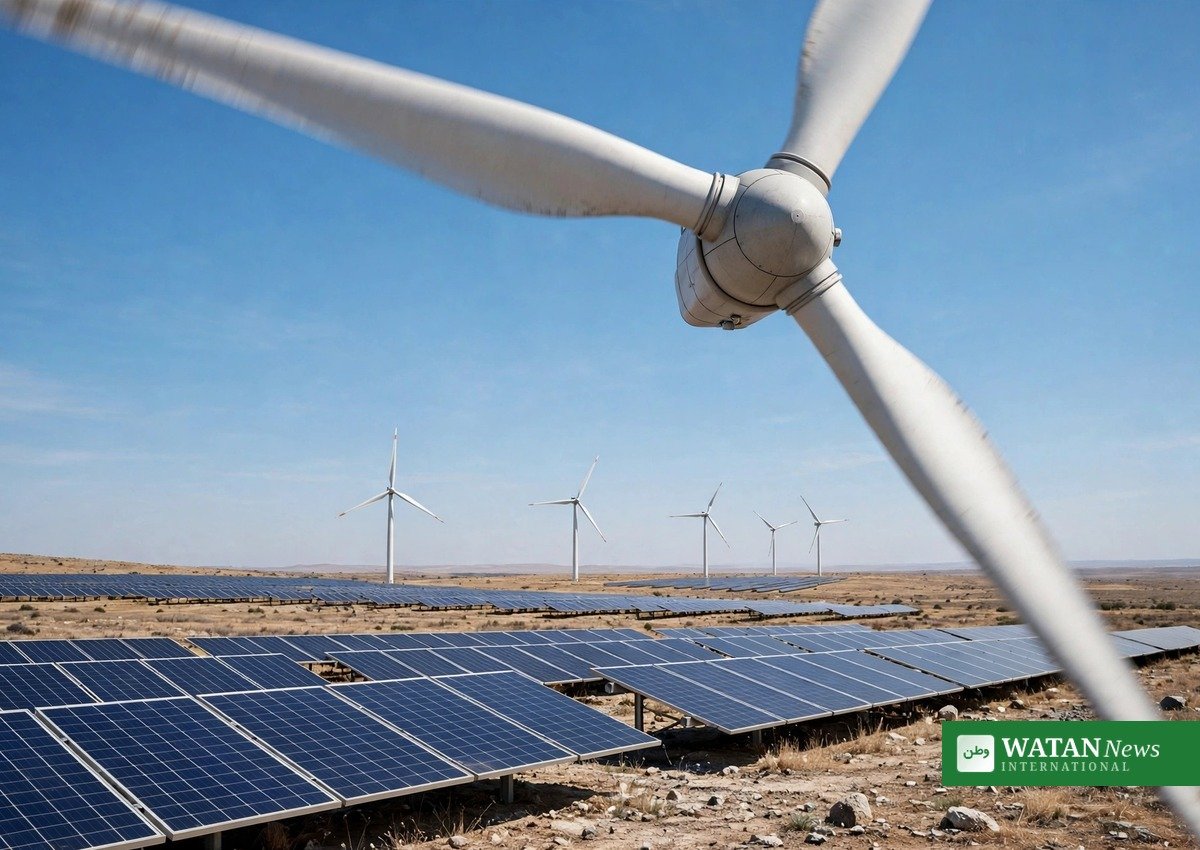
South Australia has selected four renewable energy developers to advance four Whyalla renewable energy projects with almost 13 gigawatts (GW) of combined wind and solar capacity in the Whyalla West release area, the state government announced on 18 October 2026. The selection — the first outcome from a land-release tender under South Australia’s Hydrogen and Renewable Energy Act 2023 — represents one of the largest renewable energy opportunities ever released in the state.
The four proposals, spread across more than 3,300 square kilometres of pastoral land west of the industrial centre of Whyalla in the Upper Spencer Gulf region, together represent roughly 12.65 GW of proposed wind and solar generation — the figure state officials are citing as “almost 13 GW”. To put that in perspective, South Australia currently has about 3 GW of grid-scale wind and solar installed, meaning the new proposals would more than quadruple the state’s existing capacity.
Four Whyalla renewable energy projects, four developers
Australian developer Windlab was awarded the largest slot: a proposed 6 GW wind-and-solar hybrid project across approximately 2,386 square kilometres. The project’s first stage is expected to comprise up to 1 GW of wind generation plus battery energy storage.
South Australia-based Altra Energy follows with a 4.7 GW wind-and-solar proposal across 584 square kilometres, while Heron Energy is pursuing a 1.6 GW wind project across 314 square kilometres. French developer Neoen, which already operates large-scale solar and battery storage assets elsewhere in South Australia, was selected for a considerably smaller solar project of around 350 MW across 81 square kilometres.
What happens next — and what it is not
The selection gives each developer the exclusive right to apply for a renewable energy feasibility licence in the Whyalla West release area. It does not constitute construction approval or a final investment decision: investment amounts and commissioning schedules remain undisclosed, and each project must still pass feasibility studies and planning processes.
The Whyalla West area sits within Barngarla Country and is part of more than 11,000 square kilometres of land the South Australian government opened earlier this year for potential large-scale renewables development.
Why Whyalla matters for South Australia’s green future
South Australia’s Minister for Energy and Mining, Tom Koutsantonis, framed the announcement around the region’s industrial legacy. “For generations, Whyalla has been one of South Australia’s great industrial centres,” he said. “We want to build on that strength, attracting new investment and creating opportunities for the next generation of industry.”
“This is an extraordinary opportunity for Whyalla and the Upper Spencer Gulf, with almost 13 GW of proposed renewable energy generation that could help shape the region’s industrial future,” he added.
The state already sources a world-leading share of its electricity from renewables: its nearly 3 GW of grid-scale wind and solar, combined with more than 2 GW of rooftop solar, covers roughly 75 per cent of South Australia’s annual electricity needs. The state has set a goal of reaching 100 per cent “net” renewables by the end of 2027 — a target analysts say may arrive slightly late, but which the Whyalla proposals are designed to support well beyond.
Read more: Australia smashes renewable investment record with 5.36 GW of wind and solar
FAKTA: The Whyalla renewable energy tender
- What: Four developers selected to advance almost 13 GW of wind and solar proposals in the Whyalla West release area.
- Who: Windlab (6 GW wind+solar), Altra Energy (4.7 GW wind+solar), Heron Energy (1.6 GW wind), Neoen (~350 MW solar).
- Where: More than 3,300 sq km of pastoral land on Barngarla Country, west of Whyalla, Upper Spencer Gulf, South Australia.
- Status: Exclusive right to apply for feasibility licences — not construction approval; investment and timelines undisclosed.
- Context: First tender outcome under South Australia’s Hydrogen and Renewable Energy Act 2023; announced 18 October 2026.