
YEREVAN — Nine days before the UN biodiversity conference opens in Yerevan, the head of the UN Convention on Biological Diversity has delivered a blunt warning: the world has enough money to protect nature, but too much of it is still being spent on destroying it.
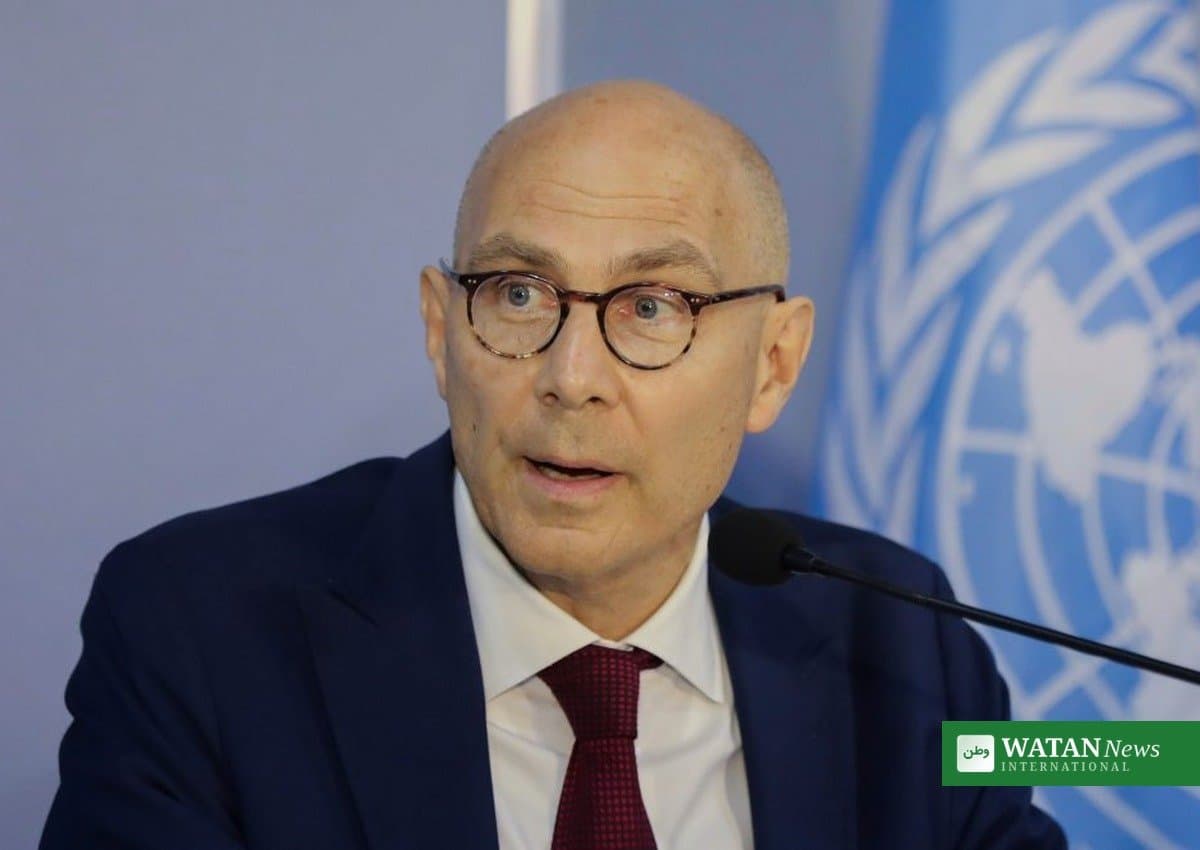
Astrid Schomaker, the CBD’s Executive Secretary, said after a three-day preparatory meeting in Kunming, China, that governments must urgently redirect financial flows and reform the incentives that reward nature-harming activities — or the first-ever global review of the world’s biodiversity targets, due in Yerevan, will confirm that progress is far too slow.
Key facts
- COP17, the 17th UN biodiversity conference, runs 19–30 October 2026 in Yerevan, Armenia, under the theme “Taking Action for Nature”.
- It is the first global review of the Kunming-Montreal Global Biodiversity Framework, adopted in 2022, which sets 4 goals for 2050 and 23 targets for 2030.
- UN biodiversity chief Astrid Schomaker says the misalignment of financial systems is “the biggest elephant in the room” and must be a central priority in Yerevan.
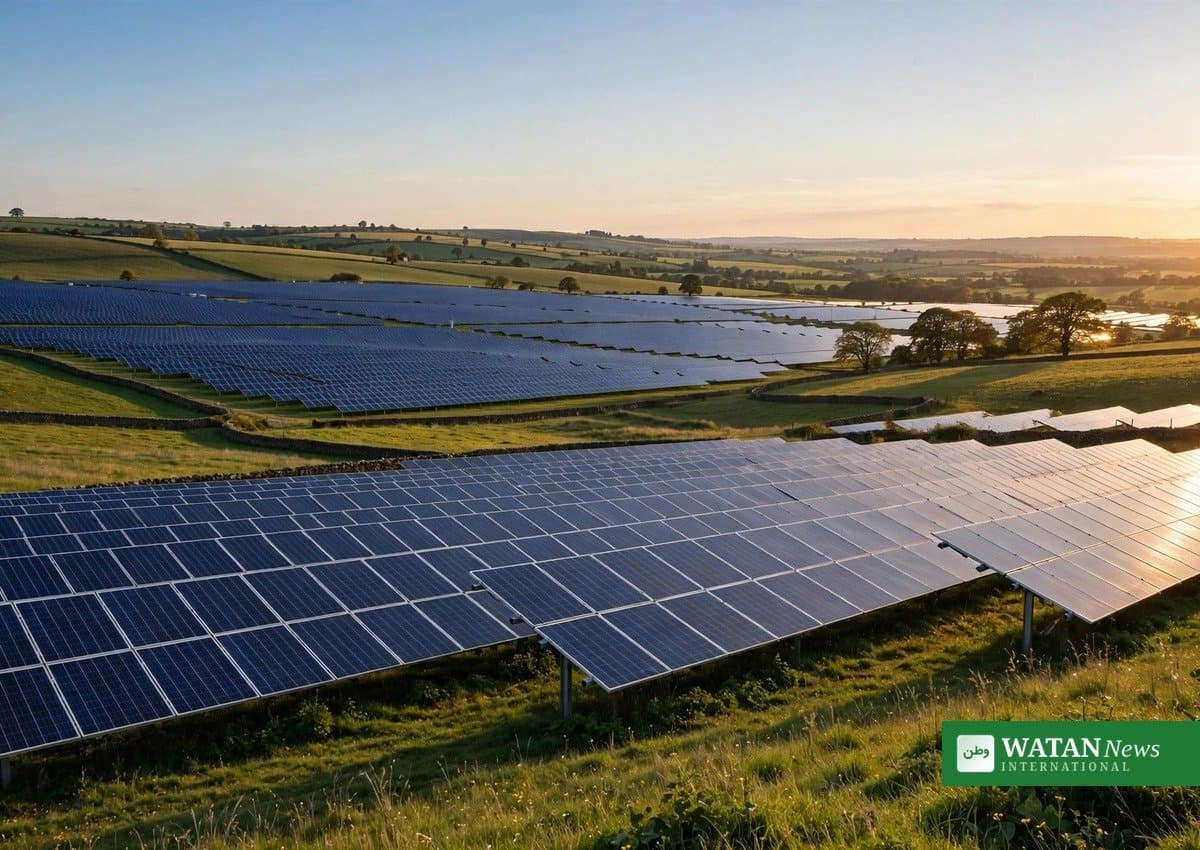
- The biodiversity finance gap is estimated at over US$700 billion a year by UNEP — and as high as US$942 billion by Bloomberg.
- More than 70 per cent of countries have submitted national reports, but implementation is not moving at the pace and scale the 2030 targets require.
COP17 biodiversity finance: where the money goes
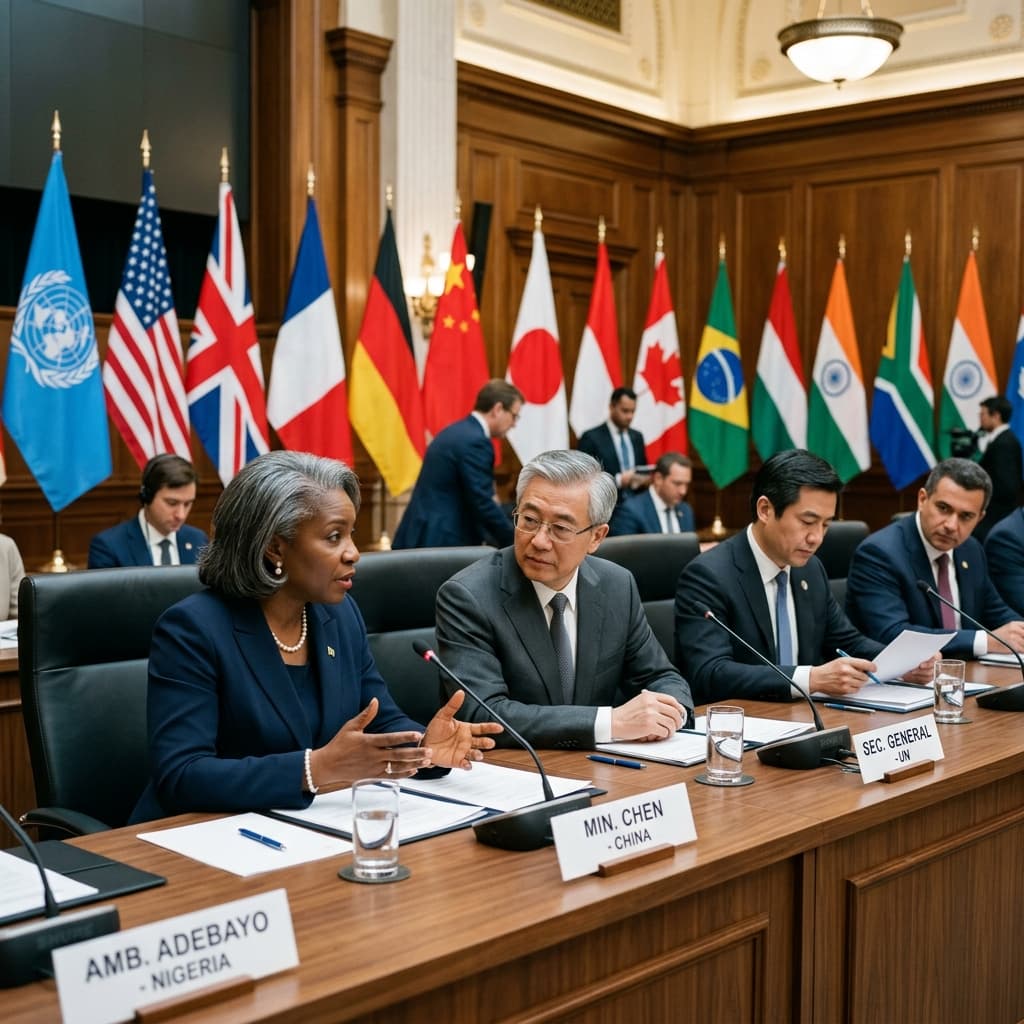
Speaking at a press conference organised by the CBD Secretariat on 11 September, after the Kunming Dialogue of 7–9 September, Schomaker said changing where money flows should be one of the central priorities for COP17. “The biggest elephant in the room of all of that is the misalignment of financial systems,” she told the Inter Press Service. “There is enough money around in the world economy. The question is, where does that money go?”
Governments, businesses and financial institutions continue to channel large sums into activities that damage ecosystems, even as they pledge to protect nature. Asad Naqvi, secretary of the CBD’s Subsidiary Body on Implementation, said the answer may lie partly in changing how existing money is used rather than only searching for new funding — noting that governments still spend heavily on incentives that undermine biodiversity, particularly harmful subsidies in agriculture and fossil fuels.
The framework’s own Target 18 calls for cutting such harmful incentives by at least US$500 billion a year by 2030.
What the first global review will show
The Yerevan review draws on countries’ national reports and targets. According to the CBD Secretariat, more than 70 per cent of countries have submitted national reports and over 90 per cent have set national targets aligned with the global framework. But the emerging picture, previewed at Kunming, is far less encouraging: progress is uneven across regions and targets, and implementation lags behind the scale needed.
Jillian Campbell, the CBD Secretariat’s head of planning, monitoring and knowledge, said most parties have set national targets covering almost every global target — but “the national targets often don’t cover the full extent of the global targets,” with ambition lost where action depends on finance, agriculture, infrastructure and development ministries rather than environment ministries.
The full findings will be compiled in the forthcoming State of Biodiversity Action report, to be presented at COP17.
“Paper parks” put the 30×30 target on trial
One of the sharpest tests in Yerevan will be Target 3 — the pledge to protect 30 per cent of land and seas by 2030. A recent analysis by Dialogue Earth, citing research led by University of Tasmania ecologist Ella Clausius, found that “at best” a quarter of the world’s marine protected areas deliver meaningful conservation outcomes — and if the same holds beyond reefs, less than 2 per cent of the ocean is effectively protected.
The worst cases are known as “paper parks”: areas protected on maps and counted in progress reports that in reality protect little or nothing.
What Yerevan must decide
The International Union for Conservation of Nature (IUCN), in position papers for COP17, urges governments to translate the review’s findings into concrete, action-oriented decisions — accelerating implementation where progress is weakest, fully implementing the resource-mobilisation strategy adopted at COP16, and substantially increasing resources from all sources, public and private.
Business groups are also pushing for investable outcomes: the International Chamber of Commerce wants clear, coherent biodiversity policy frameworks and de-risked private finance for nature, while the Cambridge Institute for Sustainability Leadership is campaigning for reform of the incentives that drive biodiversity loss.
Alongside the main talks, the 12th meeting of the Cartagena Protocol on biosafety and the 6th meeting of the Nagoya Protocol on access and benefit-sharing will convene, with a high-level segment on 27–28 October.
More climate and nature coverage from Watan News
This is a preview explainer ahead of COP17 (19–30 October 2026, Yerevan). Watan News will follow the negotiations as they unfold.