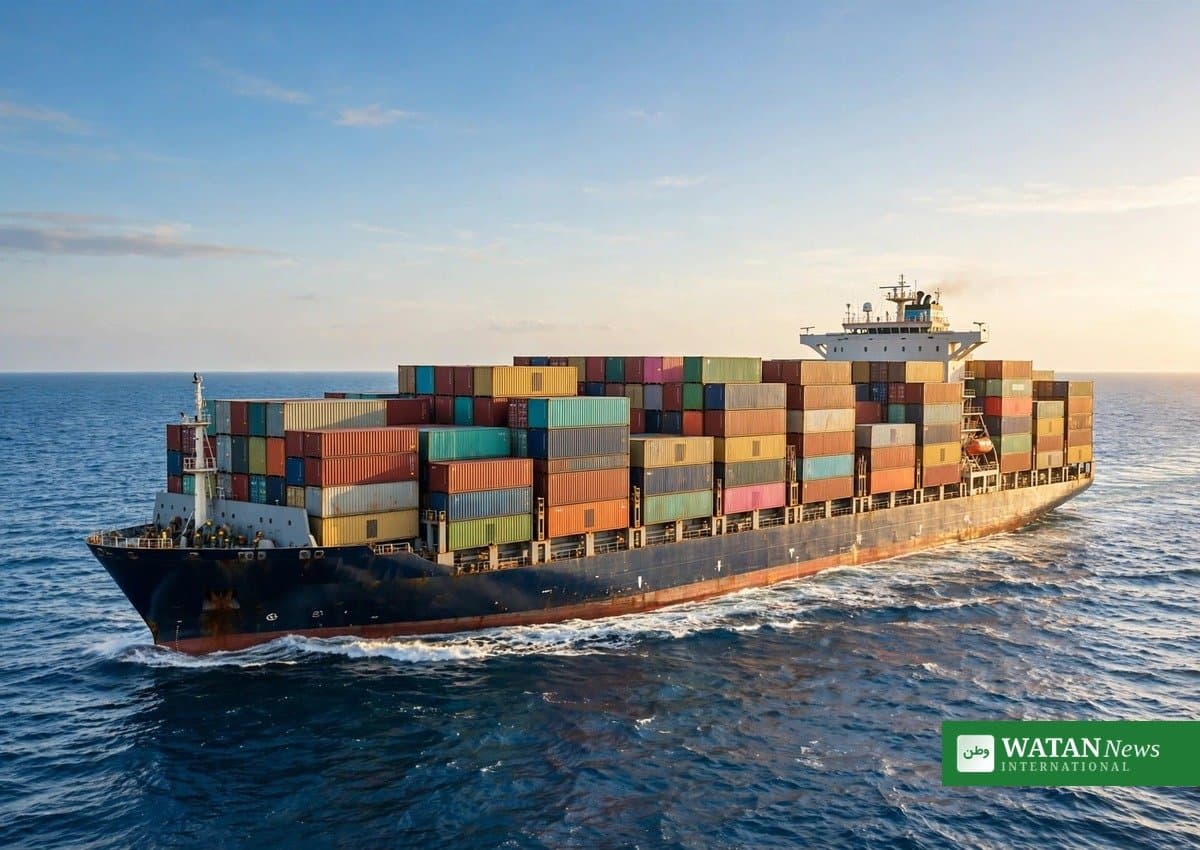
Emirates Shipping Line (ESL) has stopped accepting plastic waste as cargo, becoming only the second ocean carrier in the world to impose a blanket ban on the trade — a move campaigners have called a major milestone in the fight to stop plastic waste being dumped on developing countries.
In a circular issued on 15 September 2026, the Dubai-based carrier said it would discontinue bookings for plastic waste classified under HS Code 3915 from 1 October 2026. The company said the decision reflects its commitment to “safeguarding marine ecosystems and preserving biodiversity.”
ESL becomes the second carrier to take the step after CMA CGM, which halted plastic waste shipments in 2022 following a Basel Action Network (BAN) campaign targeting nine major shipping lines.
FAKTA
- Ban starts 1 October 2026: ESL stops accepting bookings for plastic waste under HS Code 3915
- Second carrier worldwide with a blanket ban on plastic waste cargo, after CMA CGM in 2022
- Move follows engagement with the Basel Action Network and members of the World Shipping Council
- Hundreds of tonnes of plastic waste are shipped daily from developed to developing countries, according to BAN
- BAN is calling on other World Shipping Council members to introduce similar bans
Why the plastic waste shipping ban matters
Campaigners argue that shipping companies are a key link in the international plastic waste trade. Much of the exported material is officially sent for recycling, but BAN says significant quantities cannot be safely or economically recycled — and are instead dumped, burned or processed under unsafe conditions in destination countries.
“We believe the decision to ban the carriage of plastic waste is the right step forward and reflects our focus on responsible and compliant shipping practices,” said Michael Davies, ESL’s chief operating officer and regional managing director for the Middle East, who added that the company appreciated the advocacy and collaboration of organisations such as BAN.
“ESL’s decision marks another major milestone in the fight to end the export of harmful plastic waste to developing countries,” said Christopher Hudak, senior policy adviser at BAN. He said ESL and CMA CGM are proving that shipping companies can lead on the issue and still thrive.
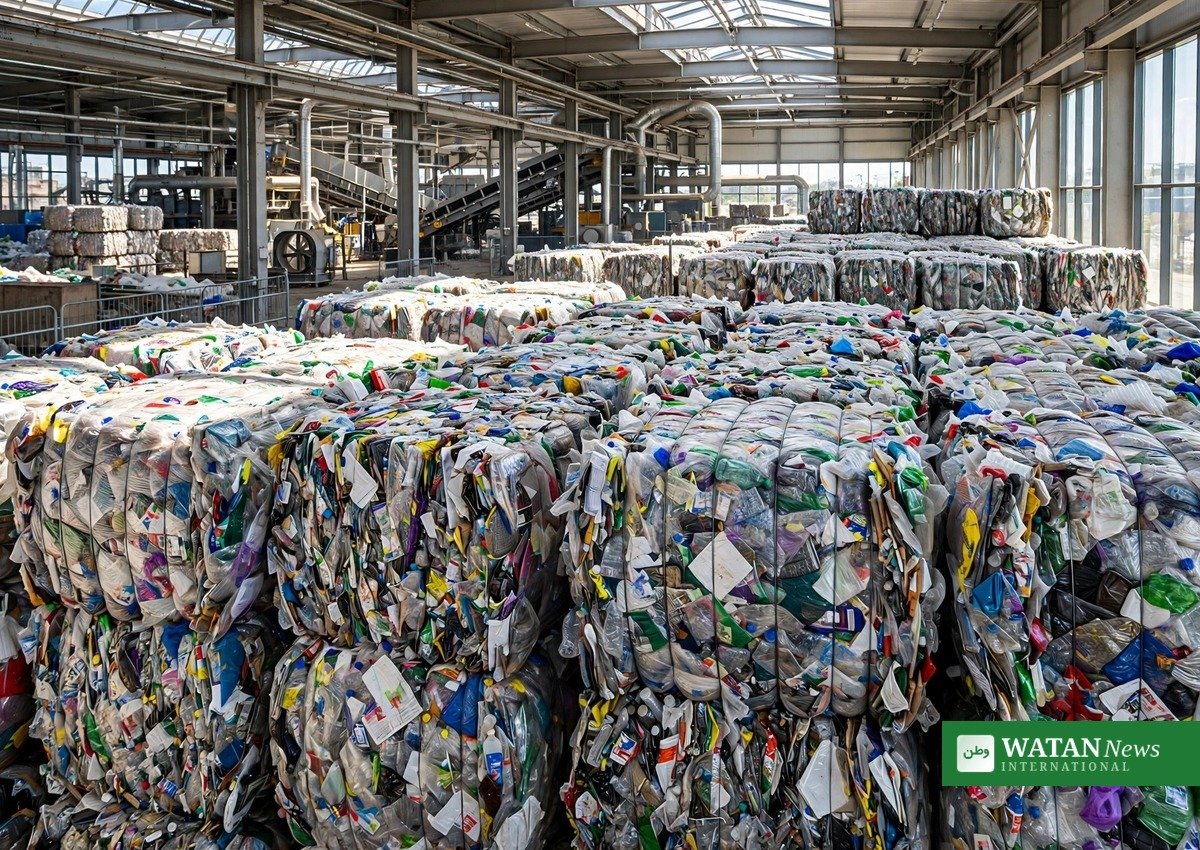
The waste trade faces tightening rules
ESL’s move comes as governments tighten the rules. Asian nations including Indonesia, Malaysia and Thailand closed their borders to plastic imports in 2025, according to analysis by the East Asia Forum — and the European Union is phasing in tough new controls on plastic waste exports under its Waste Shipment Regulation.
United Nations talks on a global plastics treaty are also continuing, with the talks chair saying a deal could be possible in March 2027. Read Watan News’ coverage: Plastic Treaty Deal Possible in March 2027, Talks Chair Says.

What comes next
BAN is now pressing other members of the World Shipping Council to follow ESL and CMA CGM. Whether the rest of the industry moves will decide whether the ban becomes an industry standard — or remains the choice of two carriers.
For now, ESL’s ships will carry everything but plastic waste. The campaigners’ next target: the world’s remaining major carriers.
For more of Watan News’ environment and climate coverage, see Watan News in English.