MANILA — The Philippines is putting climate literacy on the timetable. The country’s Department of Education (DepEd) is weaving climate change into the basic education curriculum, from kindergarten to junior high school, while ordering schools to prepare for extreme heat and the anticipated El Niño — a nationwide push officials say will reach millions of learners.
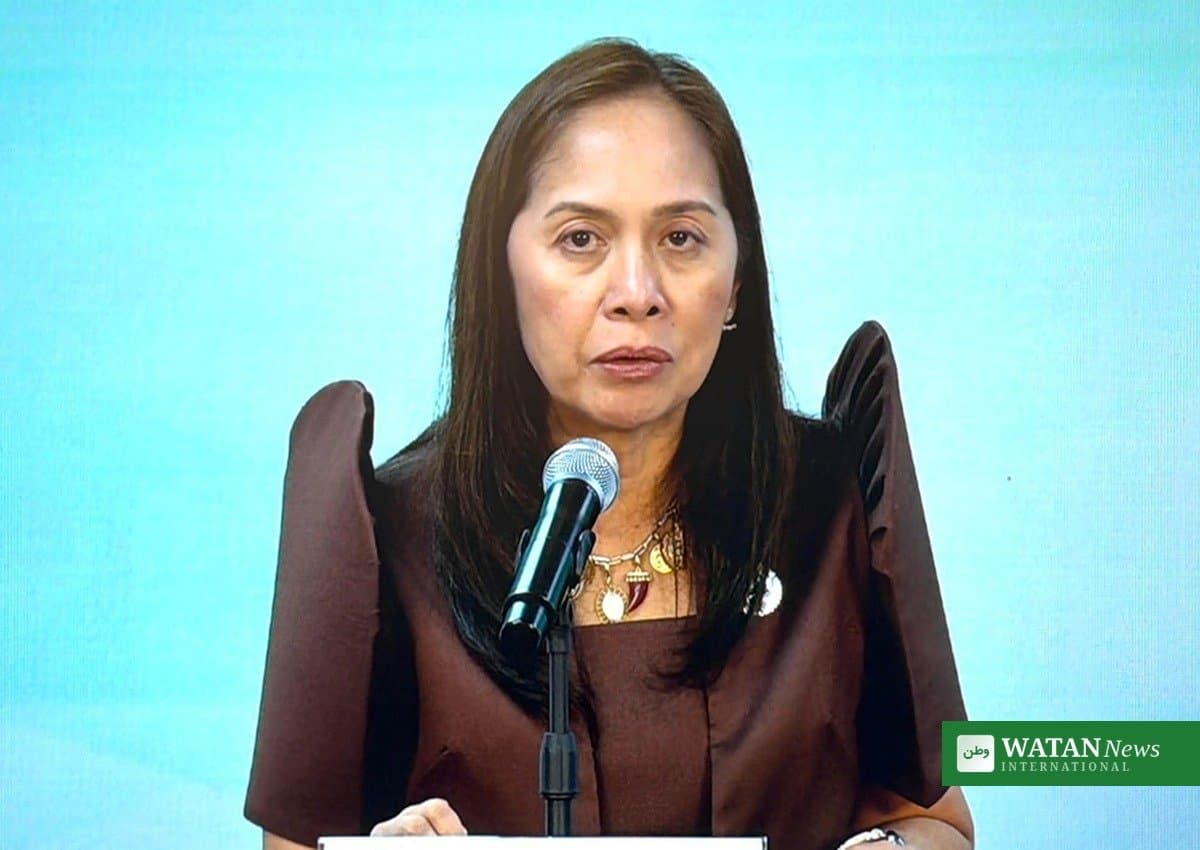
Education Secretary Juan Edgardo “Sonny” Angara has directed the fast-tracking of climate concepts into basic education learning competencies, following directives from President Ferdinand R. Marcos Jr. The move pairs new lessons with operational measures designed to keep learners safe when heat indices spike.
“Climate literacy must start early, and it must start in our classrooms,” Angara said, according to the announcement.
How climate literacy will be taught
Under the updated basic education curriculum, climate-related concepts will be introduced progressively across grade levels:
Kindergarten to Grade 3
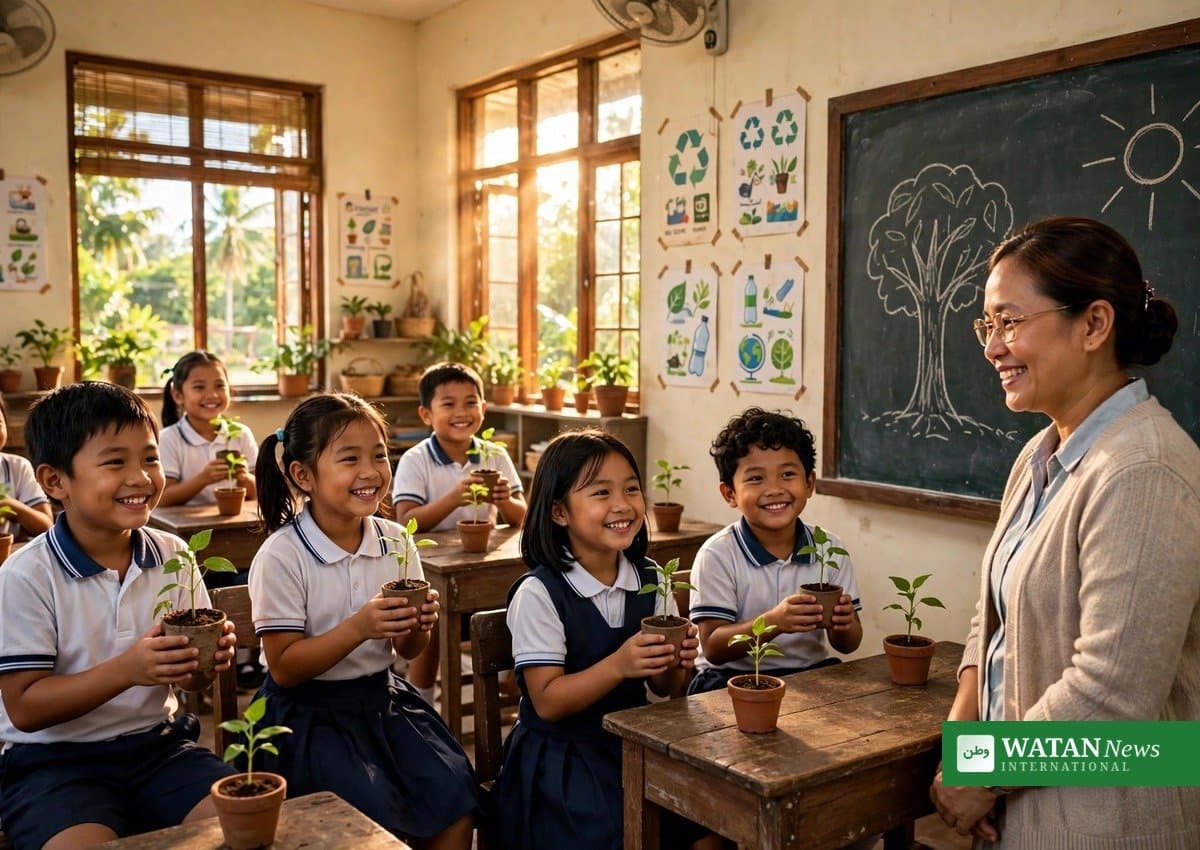
The youngest learners will focus on basic environmental care and protection — simple, actionable habits that build stewardship from the start.
Grades 4 to 6
Pupils will evaluate environmental concerns such as air quality and waste management, connecting classroom learning to the world around them.
Junior High School (Grades 7 to 10)
Students will explore the scientific drivers of global warming, mitigation strategies and global climate advocacies in depth.
These competencies are embedded across four core learning areas. In Science for Grades 9 to 10, lessons focus on the evidence of global warming, greenhouse gases, biodiversity conservation during environmental crises and local climate solutions — including renewable energy adoption. Good Manners and Right Conduct (GMRC) for Grades 1 to 3 and Values Education for Grades 7 to 10 emphasize the family’s response to climate issues, conservation of food, water and power, and participation in local and global environmental advocacies.
Physical Education and Health for Grade 6 addresses environmental concerns and climate impacts through the One Health concept, while Edukasyong Pantahanan at Pangkabuhayan (EPP) and Technology and Livelihood Education (TLE) for Grades 4 to 10 teach practical mitigation skills and adaptive farming practices.
Heat preparedness in schools
Alongside the curriculum changes, DepEd is strengthening operational protocols to help schools cope with rising temperatures. The preparedness strategy centers on continuous risk assessments, updated contingency plans and flexible learning options to protect learners and personnel during extreme heat.
Schools have been directed to prioritize heat and water security: setting up safe drinking water, maintaining water, sanitation and hygiene facilities, fixing leaks and improving classroom ventilation. Authorities may adjust class schedules or shift to alternative learning modalities when heat conditions become unsafe.
DepEd is also strengthening school-level monitoring and reporting systems to track heat index levels, water availability, class suspensions and health incidents in real time, so resources can be directed where they are most needed.
Students as climate actors
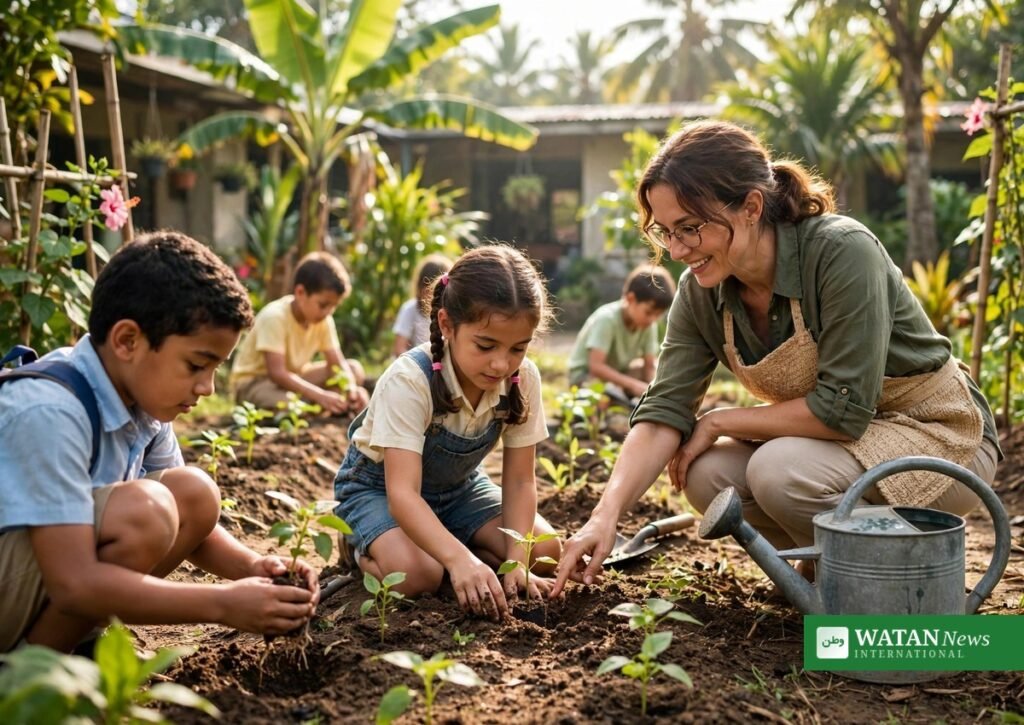
To complement classroom lessons, DepEd is encouraging school-level activities through the Youth for Environment in Schools Organization (YES-O), where student clubs organize environmental activities such as campus waste segregation, local cleanups and drainage maintenance to prevent trash from blocking waterways.
Angara stressed that the work cannot stop at the school gate. “Disaster preparedness and climate change adaptation are matters of shared accountability,” he said. “DepEd will do its part by embedding these real-world solutions into our curriculum so that every learner knows their role in safeguarding our environment.”
He emphasized that effective climate action requires coordination among schools, local government units and families to mitigate risks before extreme weather hits — a reminder that raising public awareness about climate and the environment is a collective task. Readers can follow more of Watan News’ coverage in the climate section.
FAKTA: Climate literacy in Philippine schools
- What: The Philippines’ Department of Education is embedding climate literacy across the basic education curriculum, from kindergarten to junior high school.
- Why: Extreme heat and the anticipated El Niño threaten learners; the move follows directives from President Ferdinand R. Marcos Jr.
- Who: Education Secretary Sonny Angara ordered the fast-tracking of climate concepts into learning competencies.
- The classroom plan: K–3 focuses on environmental care; Grades 4–6 on air quality and waste management; Grades 7–10 on the science of global warming, mitigation and advocacy.
- The safety plan: Heat and water security in schools, flexible class schedules, and real-time monitoring of heat index levels, water availability, class suspensions and health incidents.
- Student action: The YES-O programme channels student clubs into waste segregation, cleanups and drainage maintenance.
Why it matters
The Philippines is among the countries most exposed to climate impacts — from typhoons to extreme heat — and schools are often the first to feel them. By pairing curriculum reform with heat safety measures, DepEd is treating climate literacy not as an extra subject, but as a basic life skill. If implemented at scale, the policy could shape how a generation of Filipinos understands and responds to a changing climate.