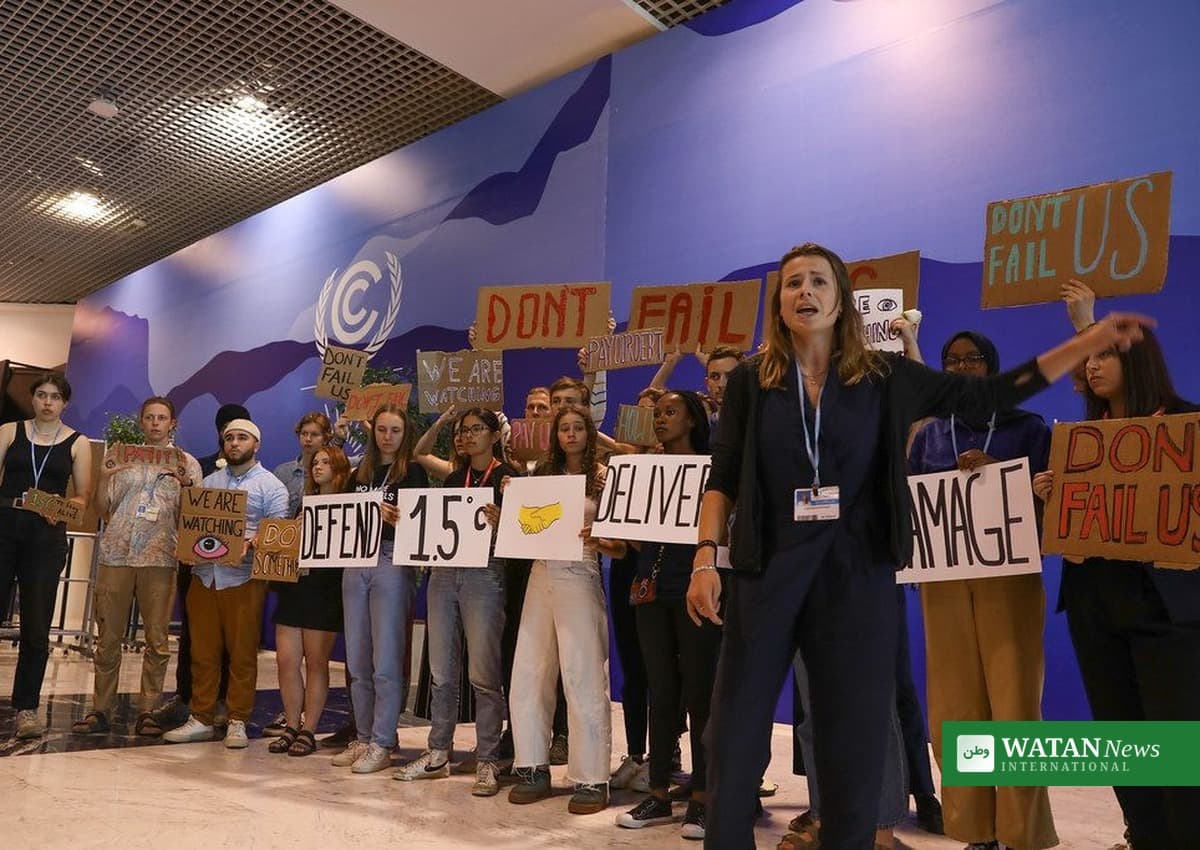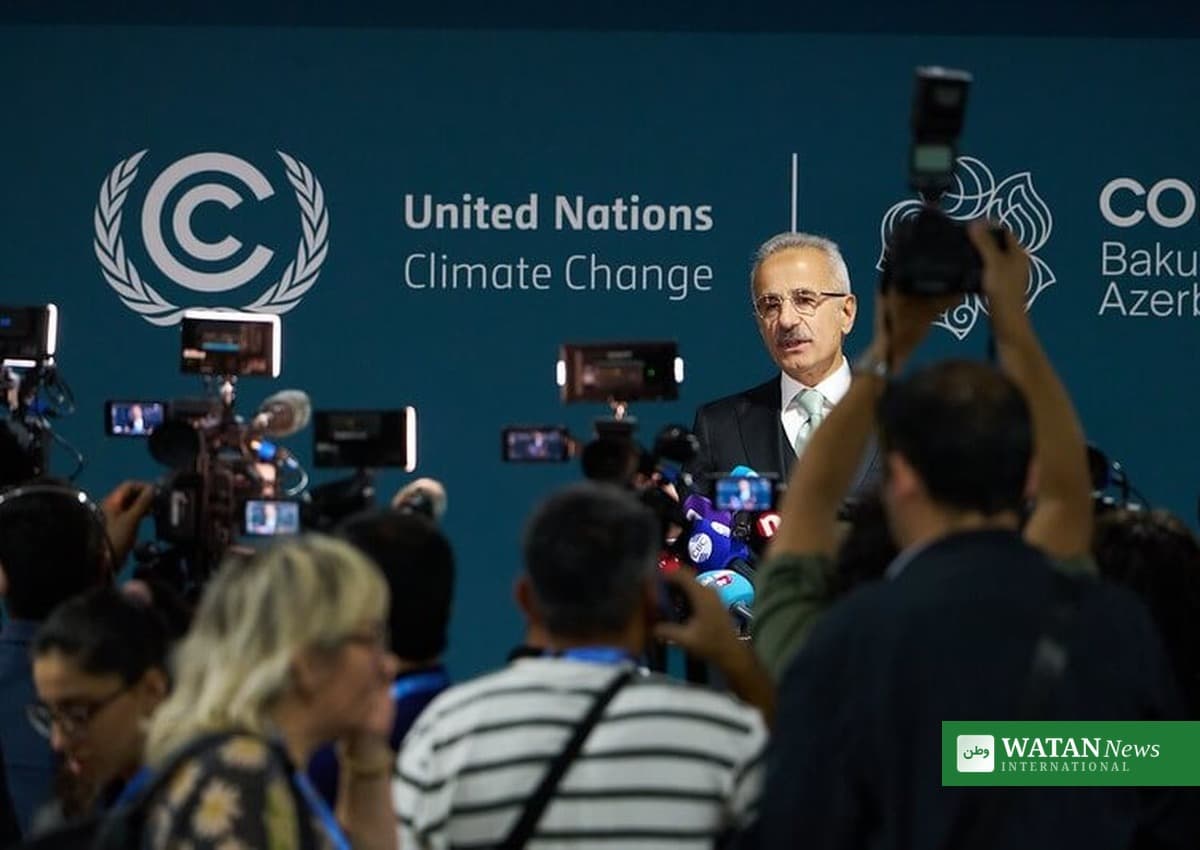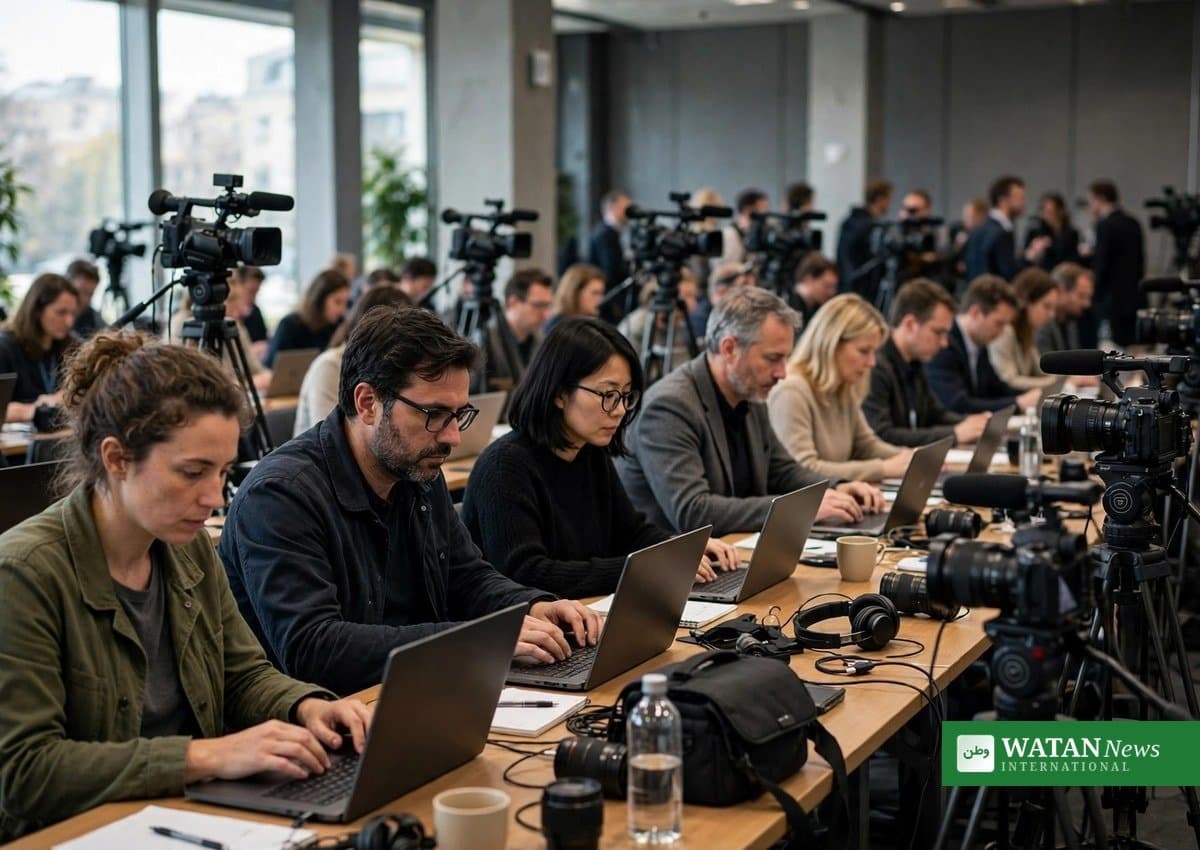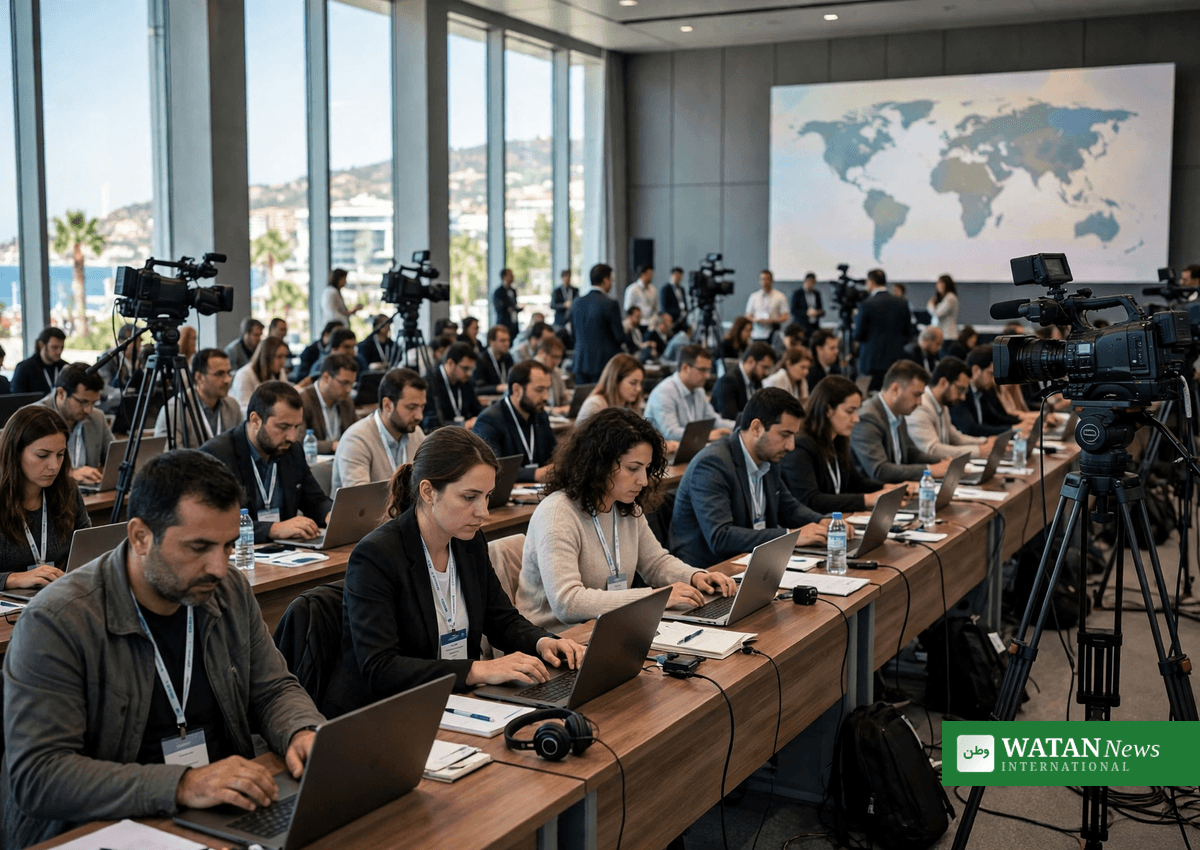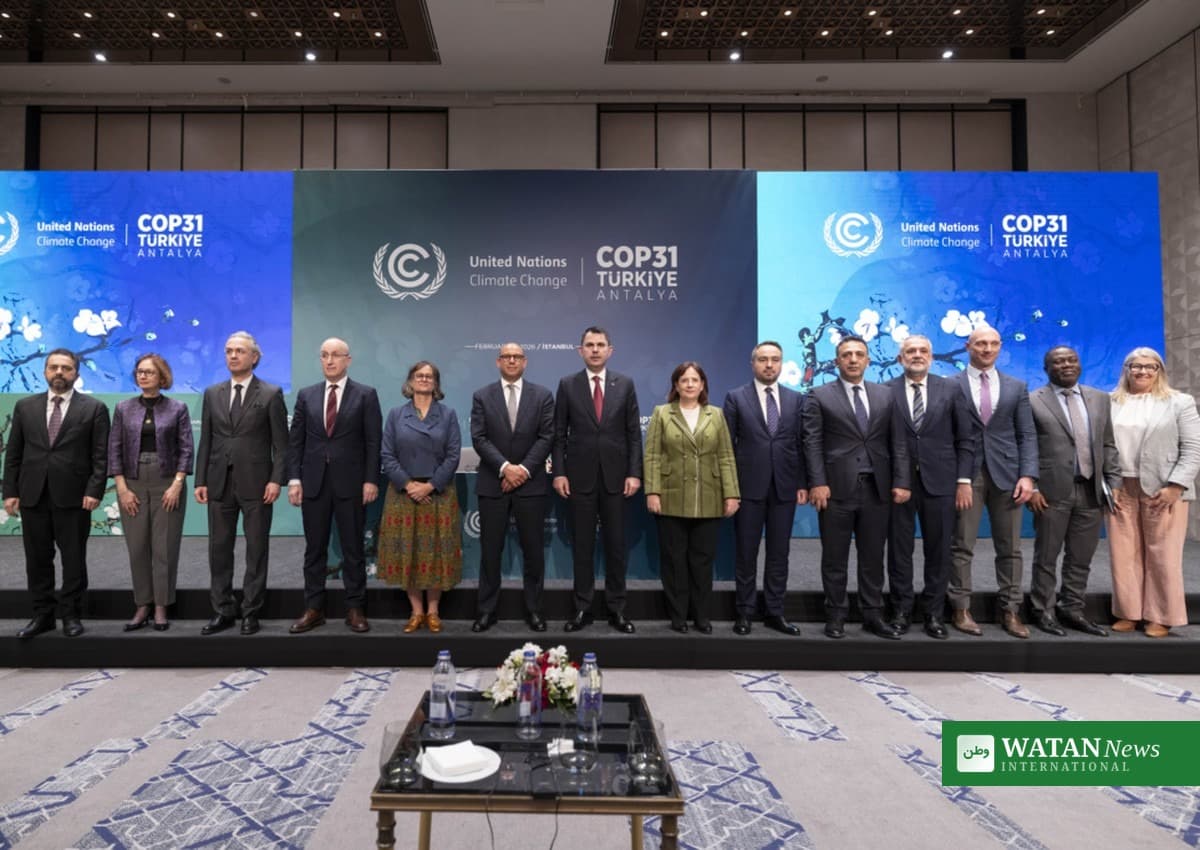
Antalya: COP31 is taking the fight against climate misinformation into the conference halls themselves. Today, 11 November 2026, the International Universities Climate Alliance (IUCA) presents a new briefing on how false and misleading claims are slowing climate action, while volunteers around the world join a 24-hour Wikipedia editathon to put trusted climate science in front of the public.
The two efforts sit at the heart of the conference’s awareness work in Antalya. One brings researchers together to name the problem; the other invites anyone with an internet connection to help fix it, one Wikipedia article at a time.
A new briefing on false claims slowing action
IUCA hosts its COP31 side event, Connecting Efforts, Amplifying Impact: Tackling Climate Misinformation and Disinformation, today from 12:45 to 13:45 at the Higher Education for Climate Action Pavilion. The session presents a new IUCA briefing on how false and misleading claims about climate change are slowing action, according to the University of Reading, which hosts the alliance’s secretariat.
The alliance is a global network of research universities that shares climate research with policymakers and the public. It was founded by UNSW Sydney in 2020, and its secretariat is hosted by the University of Reading from 2026 to 2028. The university’s delegation in Antalya includes the alliance’s Secretariat Director, Rose Armour, and Reading is involved in more than eight side events across the two weeks of the conference.
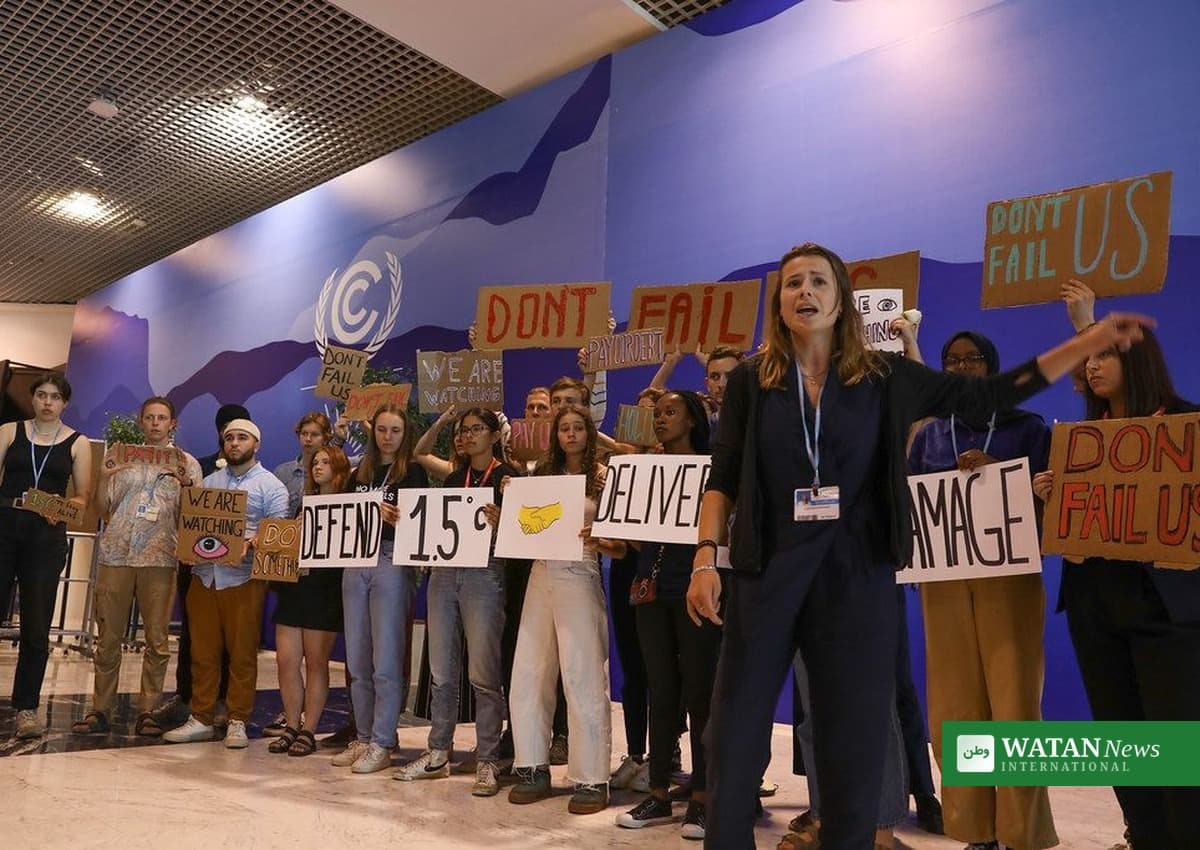
The briefing lands as the COP31 Leaders’ Summit continues in Antalya, with governments under pressure to turn climate pledges into delivery. For the universities, the message is that delivery also depends on the information environment: when false claims circulate unchecked, they delay decisions, weaken public support and give cover to inaction.
Twenty-four hours of editing Wikipedia
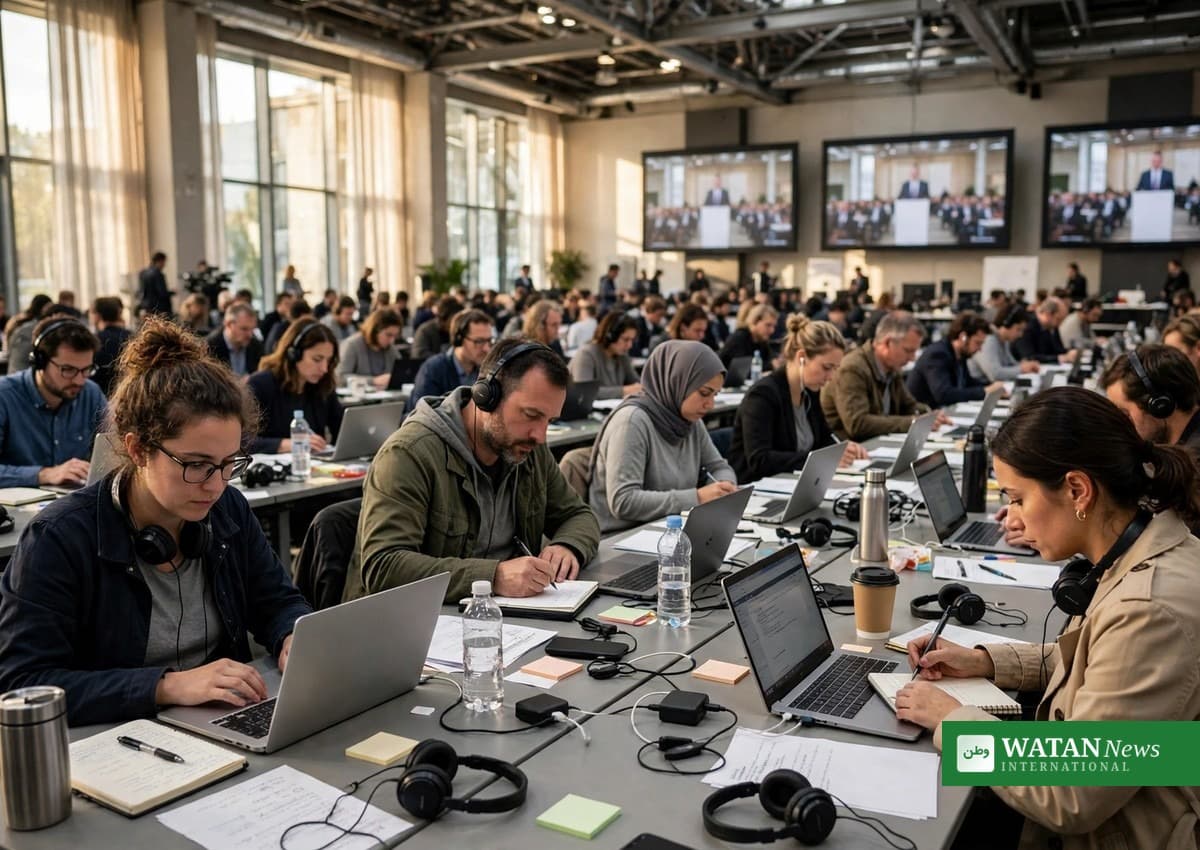
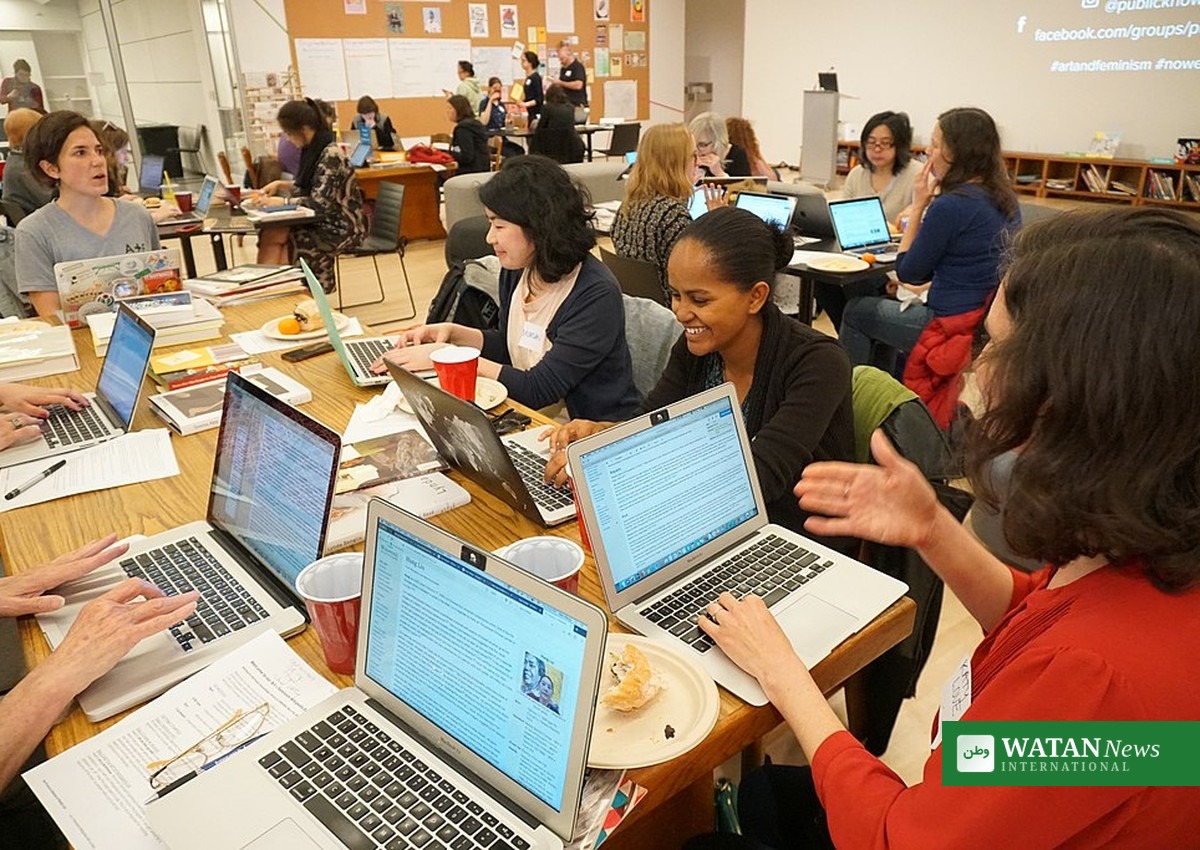
On the same day, IUCA is supporting a 24-hour Wikipedia editathon for COP31, which anyone can join from anywhere in the world. Participants learn to edit Wikipedia with help from trained session leads, improving climate articles so they reflect the best available science. The editathon runs as six two-hour online sessions spread across 24 hours, so people in any time zone can take part.
Wikipedia is one of the most-read sources of climate information on the internet, which is why the editathon matters: a single corrected article can reach far more readers than a conference session. The effort follows the same logic as earlier Wikipedia climate editathons, where volunteers have worked to keep articles accurate and well sourced in the face of organised misinformation.
Creators turn science into stories people trust
The universities’ work runs alongside a wider push at COP31 to reach people where they actually get their information: social media. On 10 November, UN Climate Change, TILT and Verified for Climate, supported by YouTube and TikTok, brought six content creators together in Special Event Room 3 for From Science to Stories That Move People, an evening session on how creators can translate complex climate information into stories that build trust and inspire action.
Verified for Climate is a programme of the United Nations and the social impact agency Purpose that works with creators to counter climate misinformation. Its COP31 programme also includes a pre-conference creator briefing with the UNFCCC, a Day 1 welcome at the UNFCCC Creator Hub in the Blue Zone, an interactive workshop at TED House in Antalya, and a panel at the UNFCCC Pavilion on how artists, creators and scientists make climate conversations more tangible.
TikTok is also sending Australian science communicator Dr Karl Kruszelnicki to COP31 as part of its delegation, where he hosts a live question-and-answer session from Antalya, and the platform is giving A$200,000 in advertising credits to seven Australian climate groups and universities. TikTok says its #ClimateAction campaign has passed 6 billion video views since COP26 in 2021.
Why this matters at an implementation COP
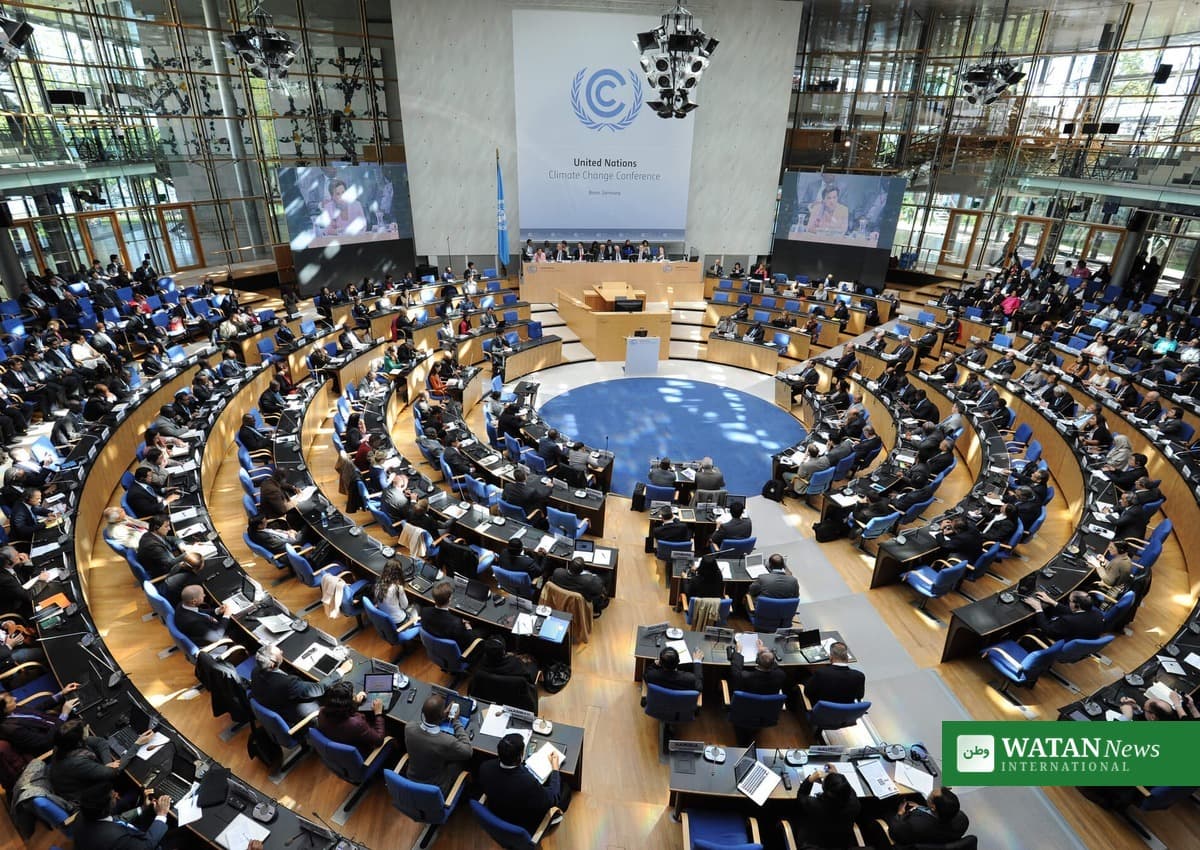
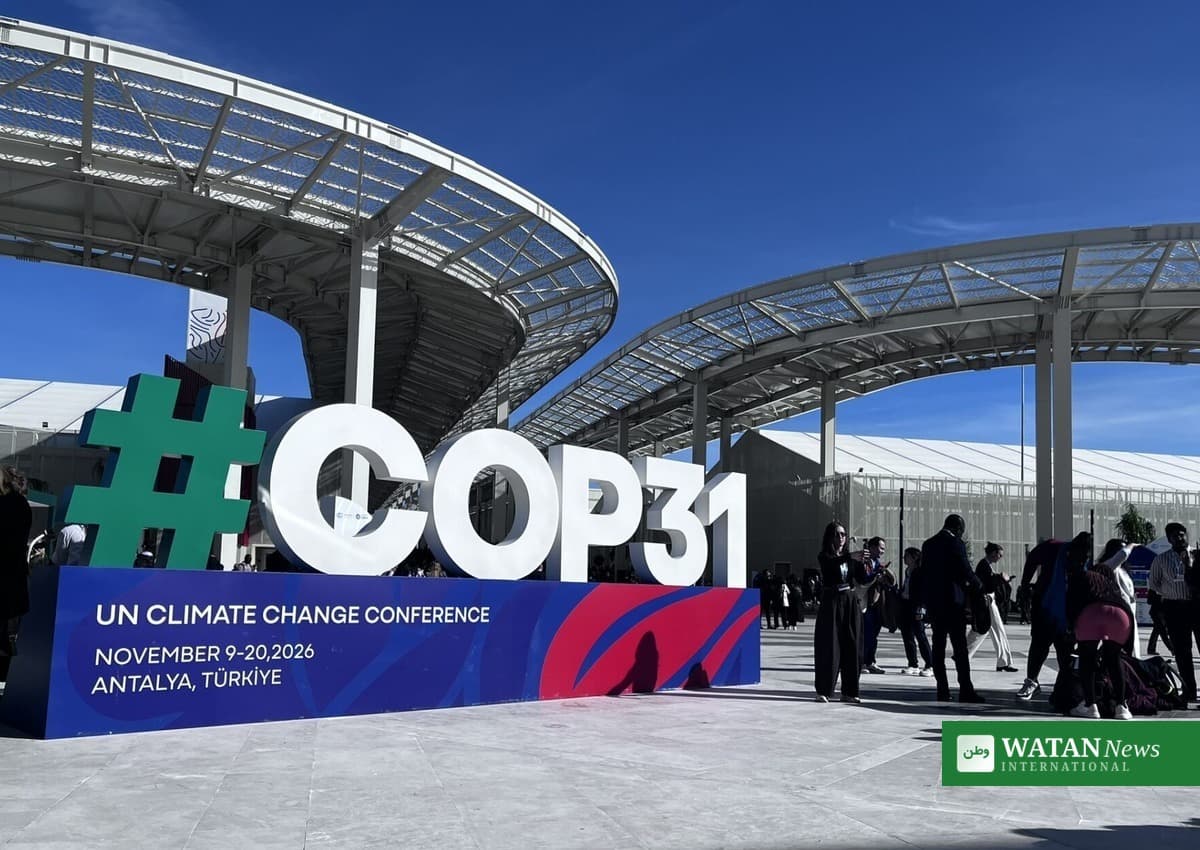
COP31, which runs in Antalya from 9 to 20 November, is widely described as an implementation conference: the test is whether promises made in earlier years now become real policies, finance and projects. Misinformation cuts directly against that test. False claims about the cost of clean energy, the state of the climate or the effectiveness of climate policies can stall the very decisions the conference exists to take.
UNESCO is running a programme of information-integrity events across COP31, including sessions on countering disinformation during extreme weather. A high-level panel on artificial intelligence, climate disinformation and environmental impact follows on 13 November, and a further side event on communicating knowledge and countering misinformation is scheduled for 17 November.
Young people are also part of the picture: the youth forum at COP31 has put adaptation finance and the quality of climate information on its agenda, with its sessions feeding recommendations into the negotiations.
FAKTA
- What: IUCA side event on climate misinformation and disinformation, presenting a new briefing on how false claims slow climate action.
- When: Tuesday 11 November 2026, 12:45–13:45, at the Higher Education for Climate Action Pavilion, COP31, Antalya.
- Also today: A 24-hour Wikipedia editathon for COP31, in six two-hour online sessions, open to anyone worldwide.
- Organiser: International Universities Climate Alliance, founded by UNSW Sydney in 2020; secretariat hosted by the University of Reading, 2026–2028.
- Related: UN creator panel From Science to Stories That Move People held 10 November; UNESCO information-integrity events run through the conference.
The briefing, the editathon and the creator events share a single idea: at a conference judged on delivery, trustworthy information is itself a form of climate action. COP31 continues in Antalya until 20 November.