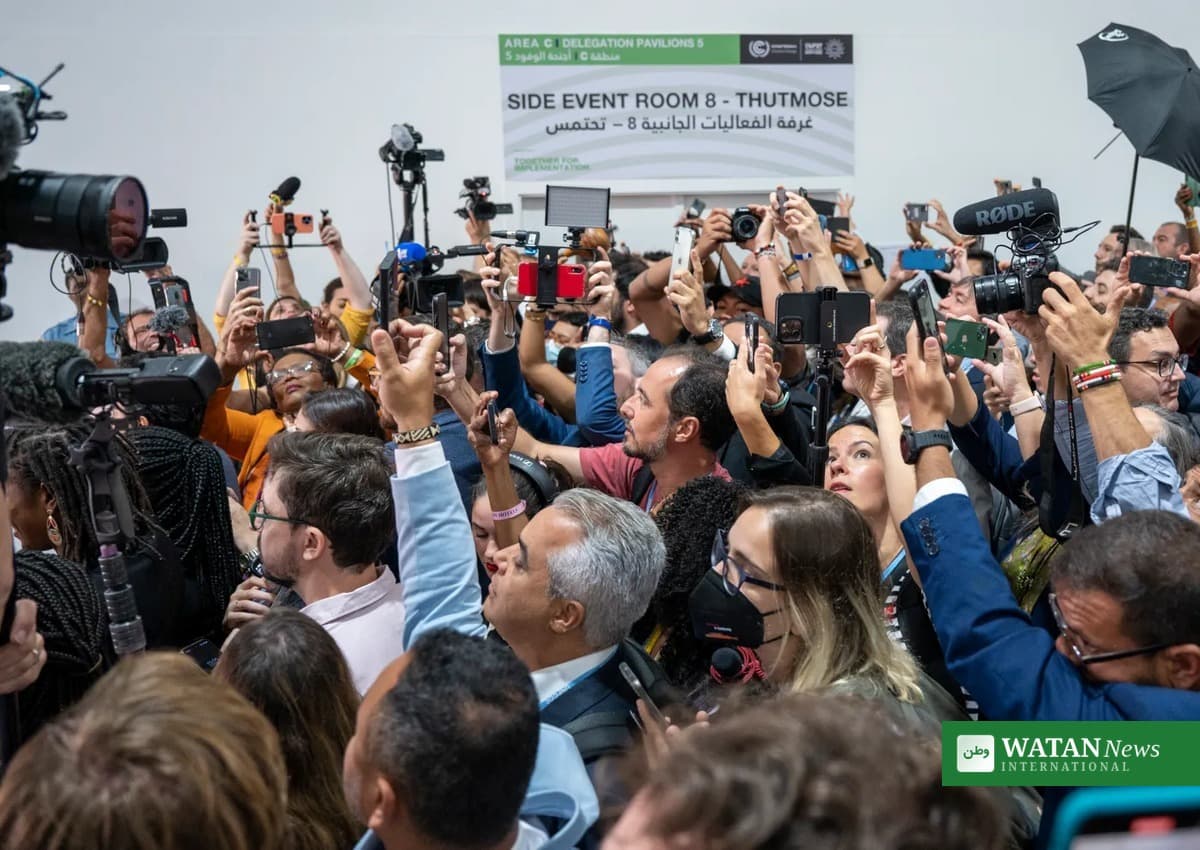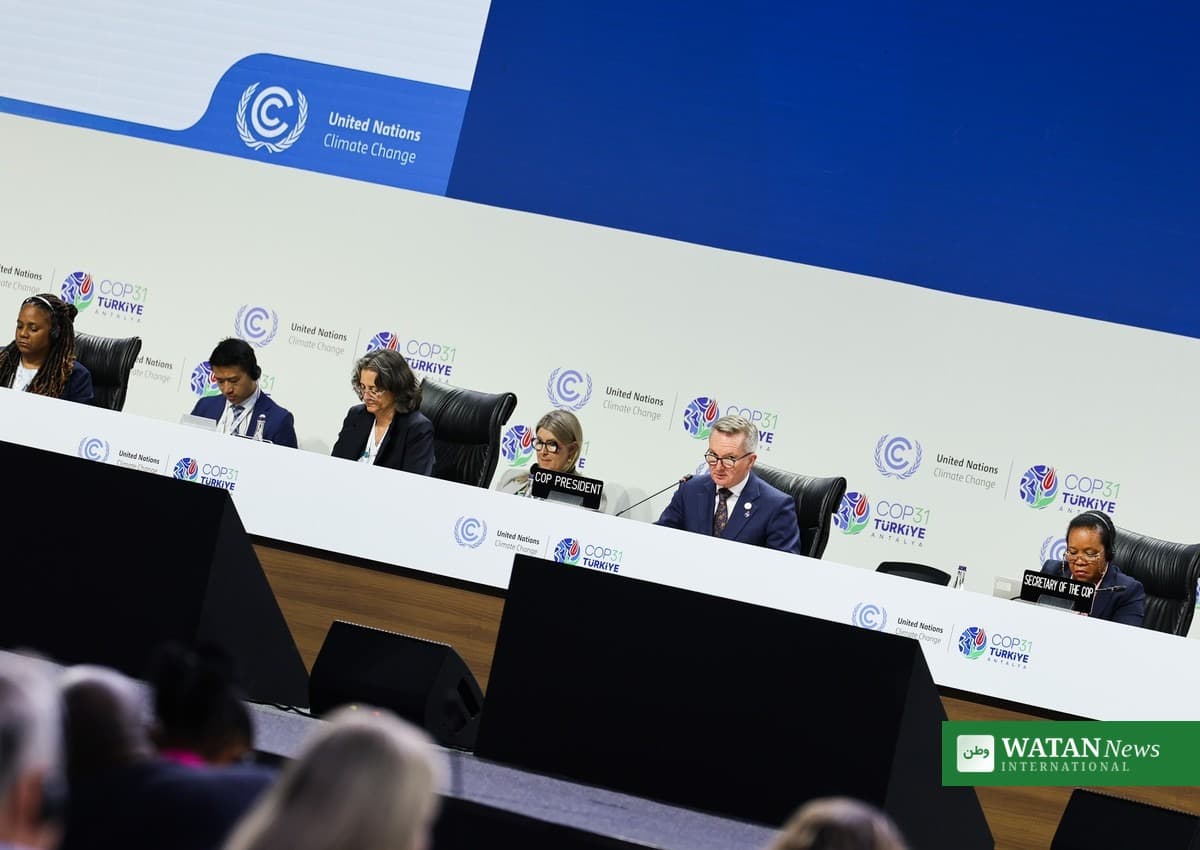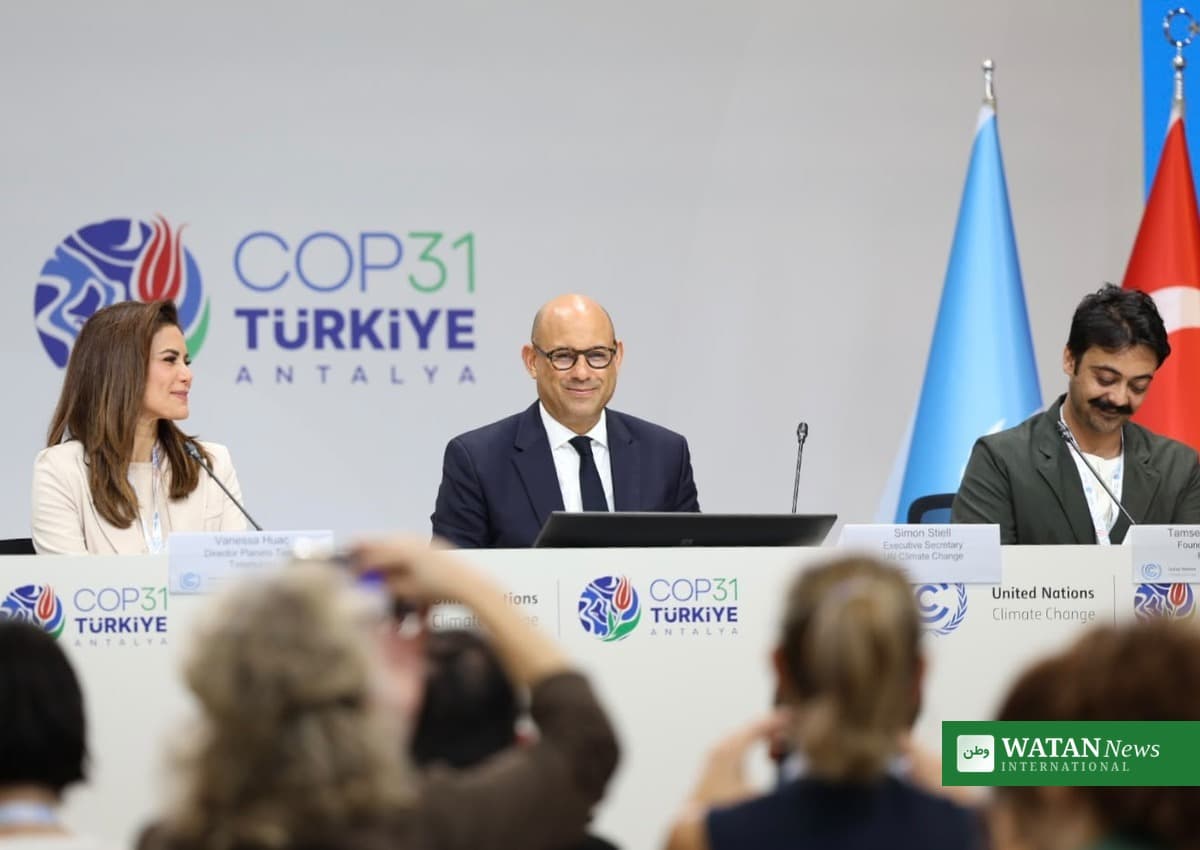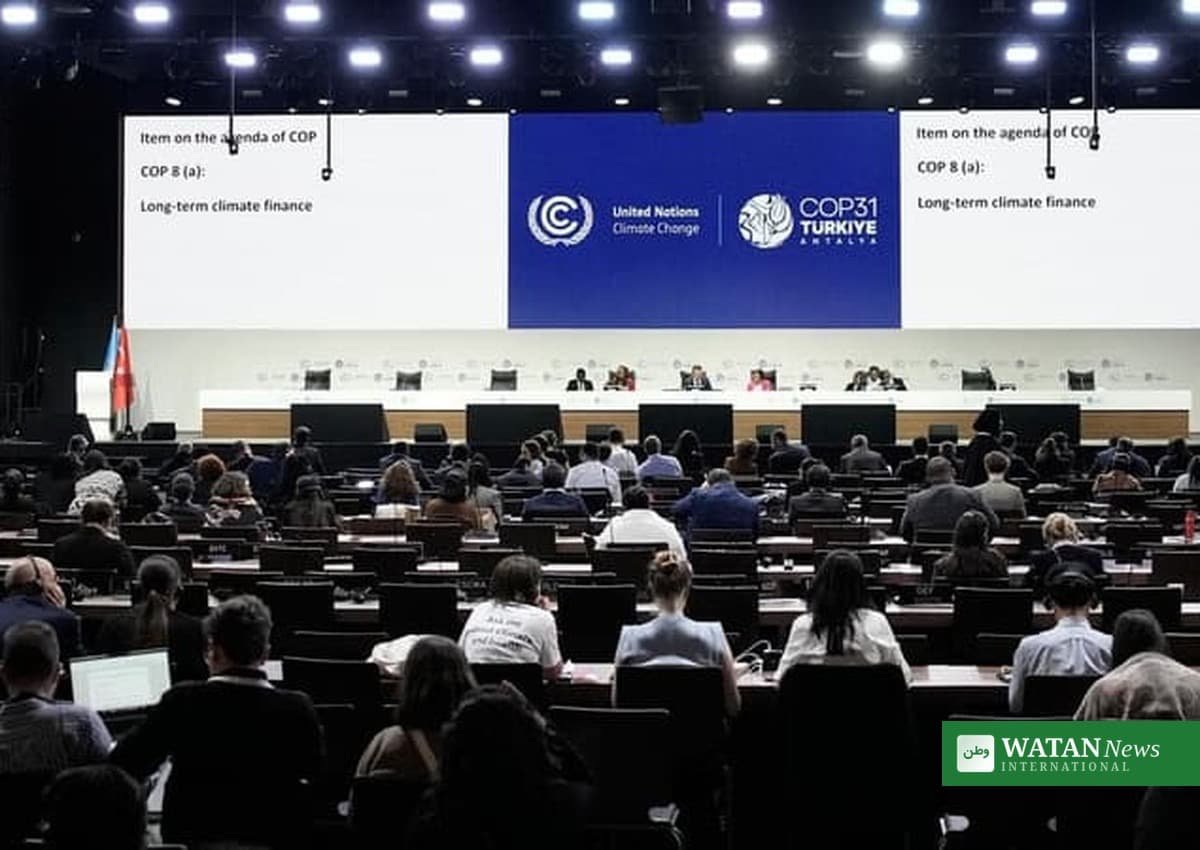
Climate talks in Antalya approached a COP31 final deal early on Sunday after the summit presidency announced a new package it hopes nearly 200 countries can agree on, ending two days of deadlock that had pushed the conference past its scheduled close.
FAKTA
- What happened: The COP31 presidency announced a new package aimed at a final deal on climate action.
- Where: Antalya, Türkiye, at the COP31 climate summit.
- When: A late-night plenary session on Saturday, running into the early hours of Sunday, 22 November 2026.
- Objections deadline: Delegations have until 03:00 GMT (06:00 TRT) on Sunday to raise objections.
- Approval session: The conference is scheduled to reconvene at 06:00 GMT (09:00 TRT) on Sunday to begin approving the deal.
- Who: COP31 President Murat Kurum announced the package; Australia is leading the talks and Türkiye is hosting the summit.
A Text All Parties Can Agree On
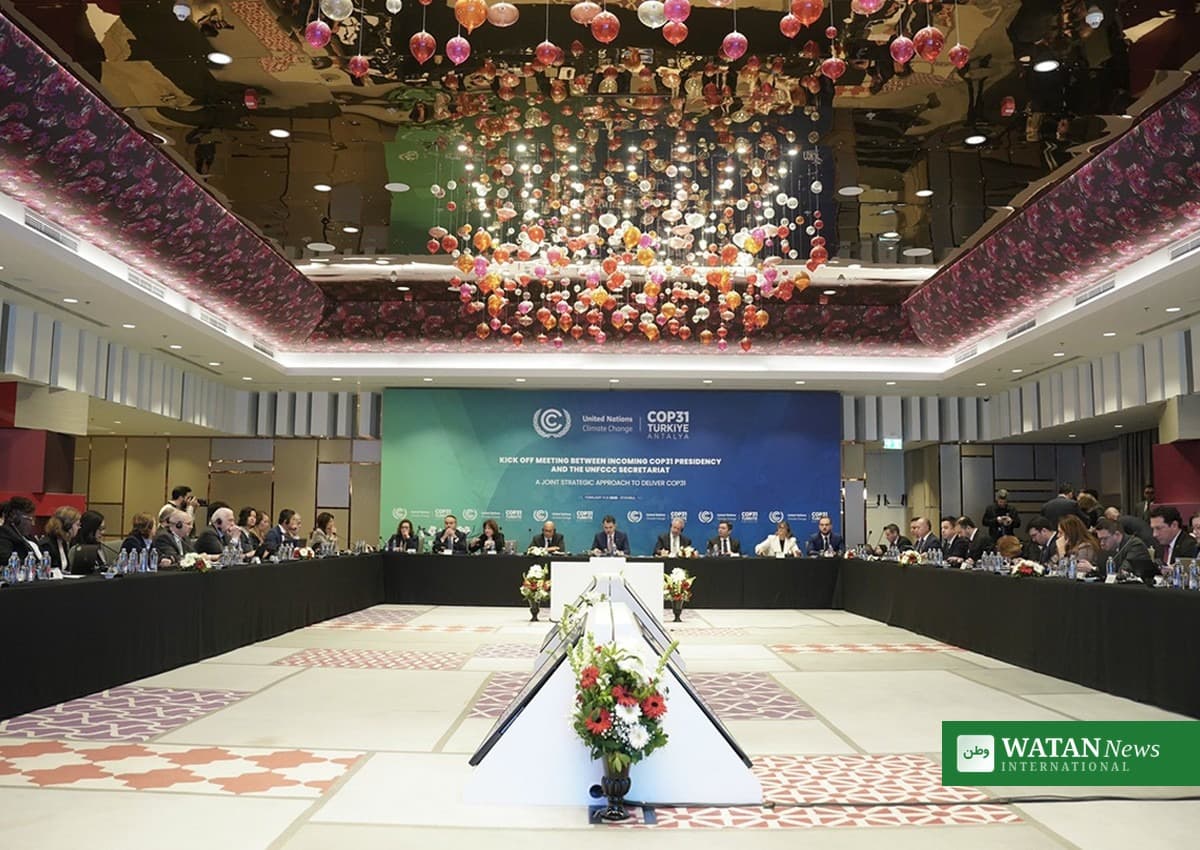
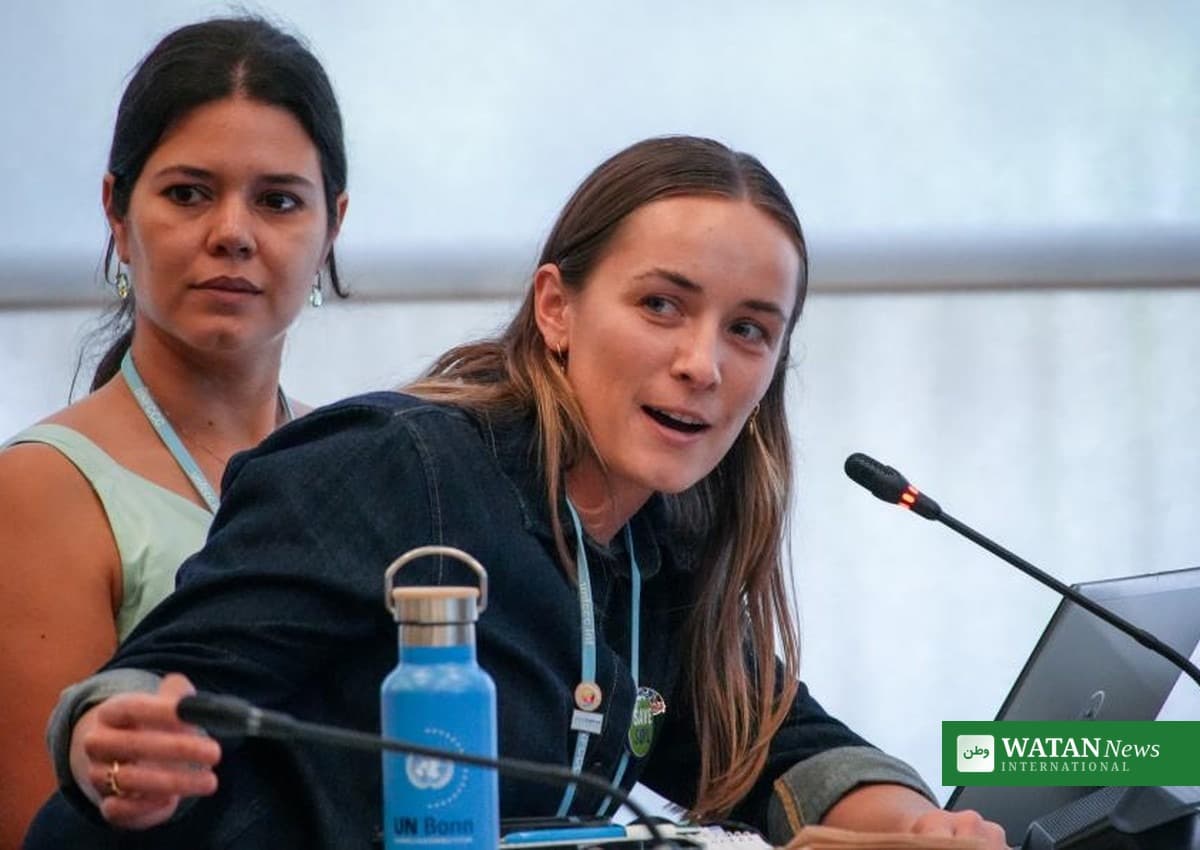
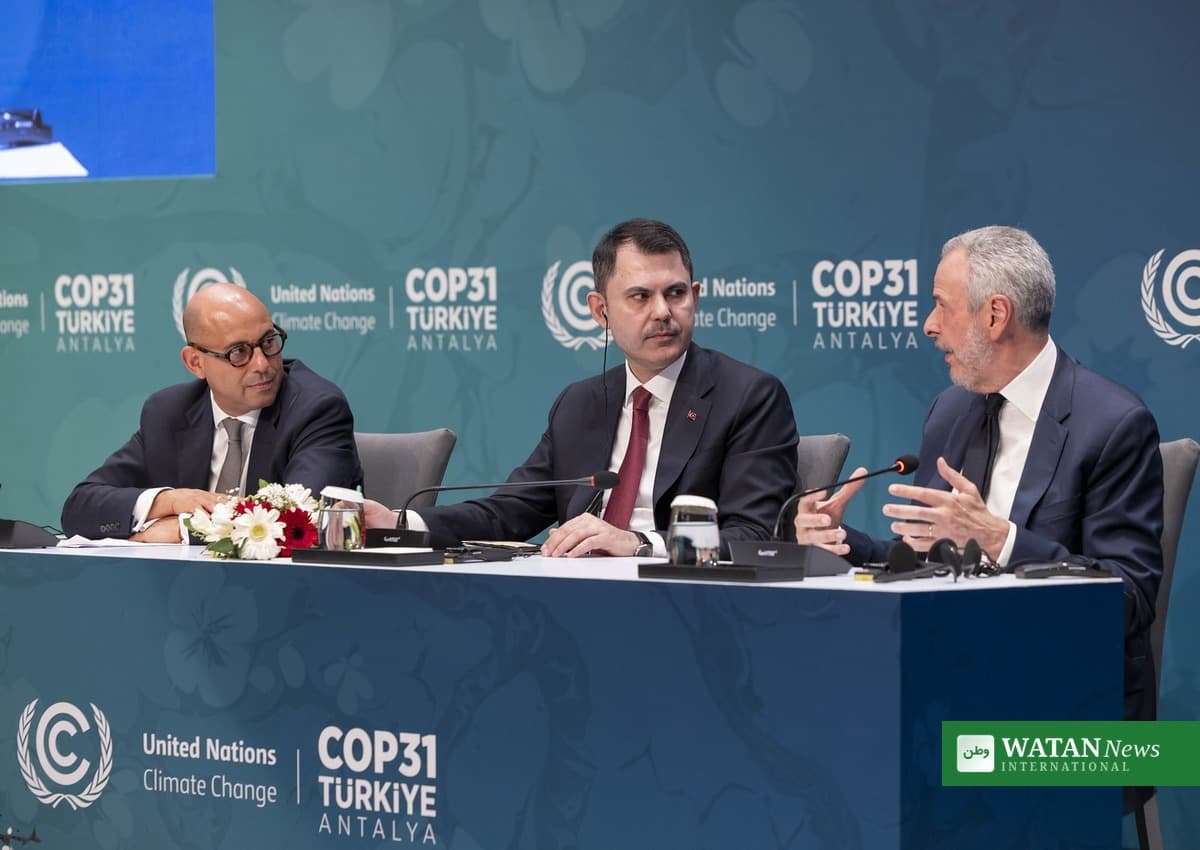
“We believe that we have put forward a text which all the parties can agree upon,” COP31 President Murat Kurum told the late-night plenary session. He said the conference would reconvene later on Sunday morning to approve the deal.
Negotiators ran past a Friday deadline, working straight through Saturday and into the early hours of Sunday. The new text followed intensive consultations between Australia, which is leading the talks, Türkiye, which is hosting the meeting, and nearly 200 delegations from many of the world’s richest, poorest, largest and smallest nations.
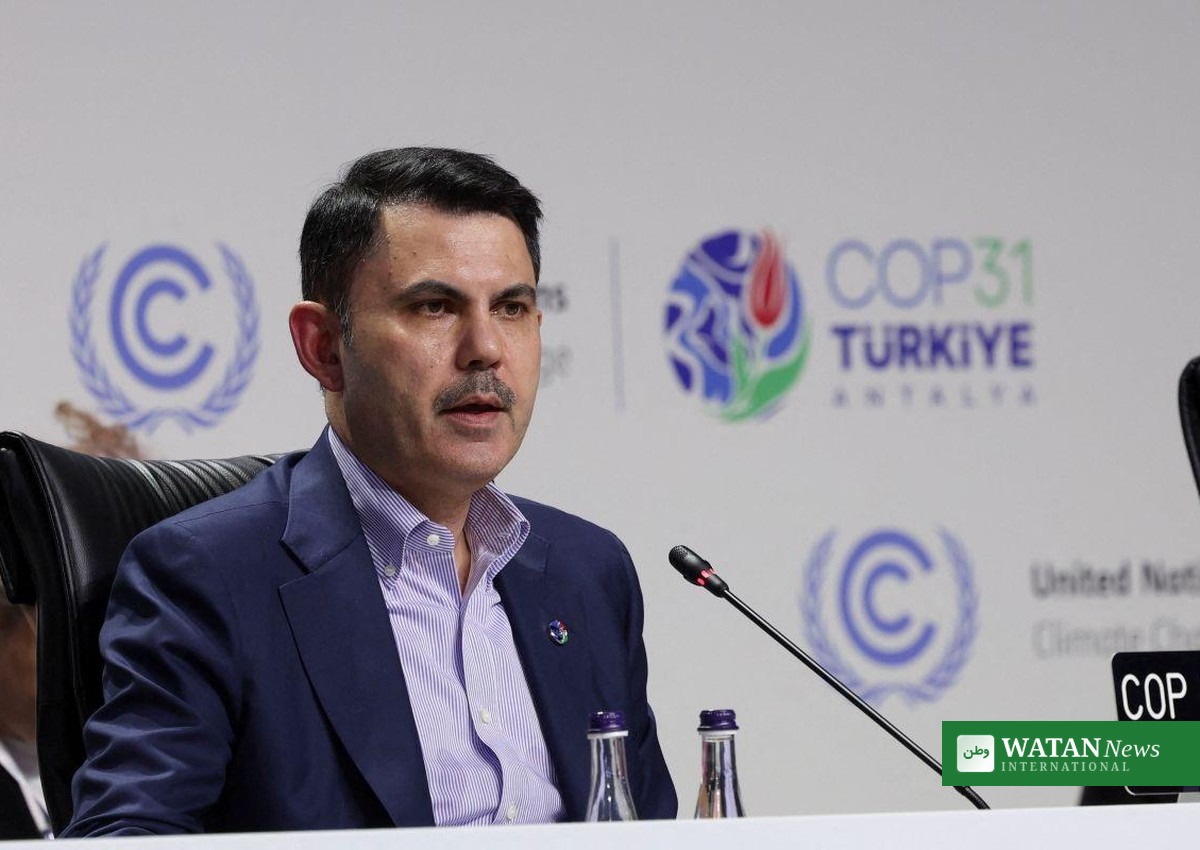
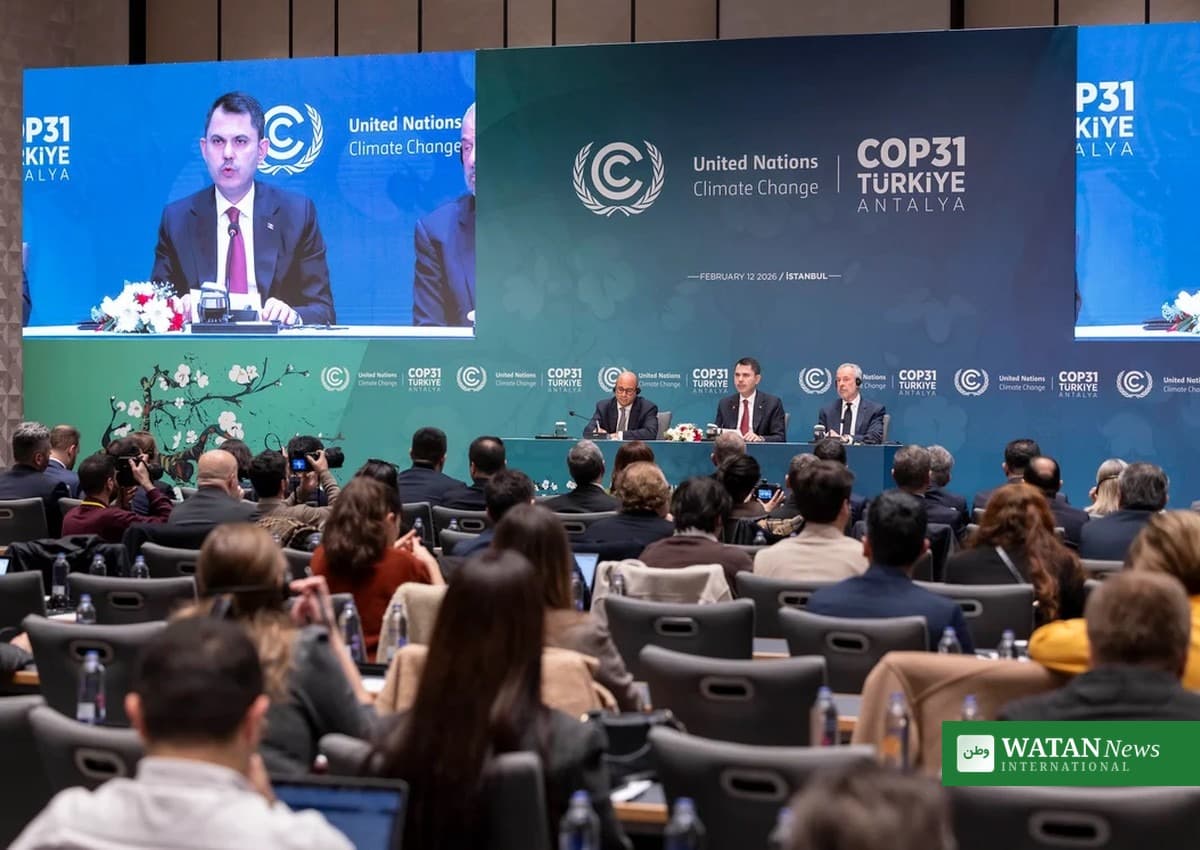
COP31 President Murat Kurum announced the new package at a late-night plenary session in Antalya.
Fossil Fuels and Finance at the Centre
The new version of the deal text refined an earlier draft which had been heavily criticised by some for lacking ambition because it contained no reference to ending the use of fossil fuels. Kurum said he believed concerns around fossil fuels had been addressed, as had those around helping developing countries finance their adaptations to climate change.
Neither report quoted the new text’s wording on fossil fuels or finance. The earlier draft, presented on Thursday, had removed every mention of coal, oil and gas and dropped a proposed target of $120 billion a year in adaptation finance for developing countries by 2035, replacing it with a call to at least triple adaptation funding by 2035. A group of countries led by France and Panama had refused to accept that draft, and Panama had warned it would block an outcome that failed its demands.
The draft also kept a goal of raising electricity’s share of global final energy use to 35 per cent by 2035, and gave prominent backing to carbon capture and storage, with a proposed target of capturing at least 500 million tonnes of carbon dioxide a year by 2035 — a target several delegations criticised as a substitute for cutting fossil fuel use.
What the COP31 Final Deal Still Needs
The deal is not yet adopted. Delegations have until 03:00 GMT on Sunday to raise any objections, and the approval session is scheduled to begin at 06:00 GMT. Decisions at UN climate summits are taken by consensus, so a formal objection could still delay or change the outcome.
This year’s COP is the first since the United Nations confirmed that the rise in global temperature is set to pass the 1.5 degrees Celsius limit that countries agreed more than a decade ago to try not to exceed, beyond which extreme weather impacts intensify.
Watan News will follow the approval session in Antalya and report the outcome of the COP31 final deal as soon as it is decided.