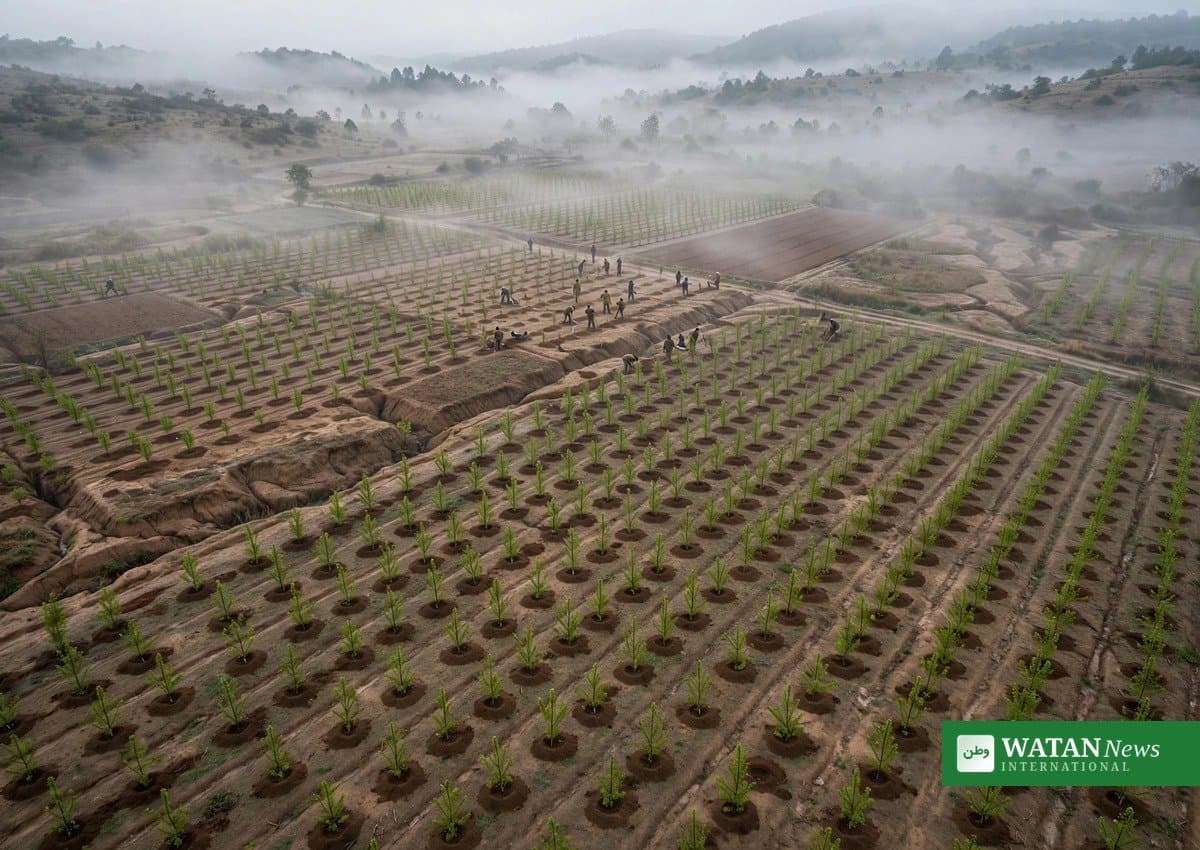
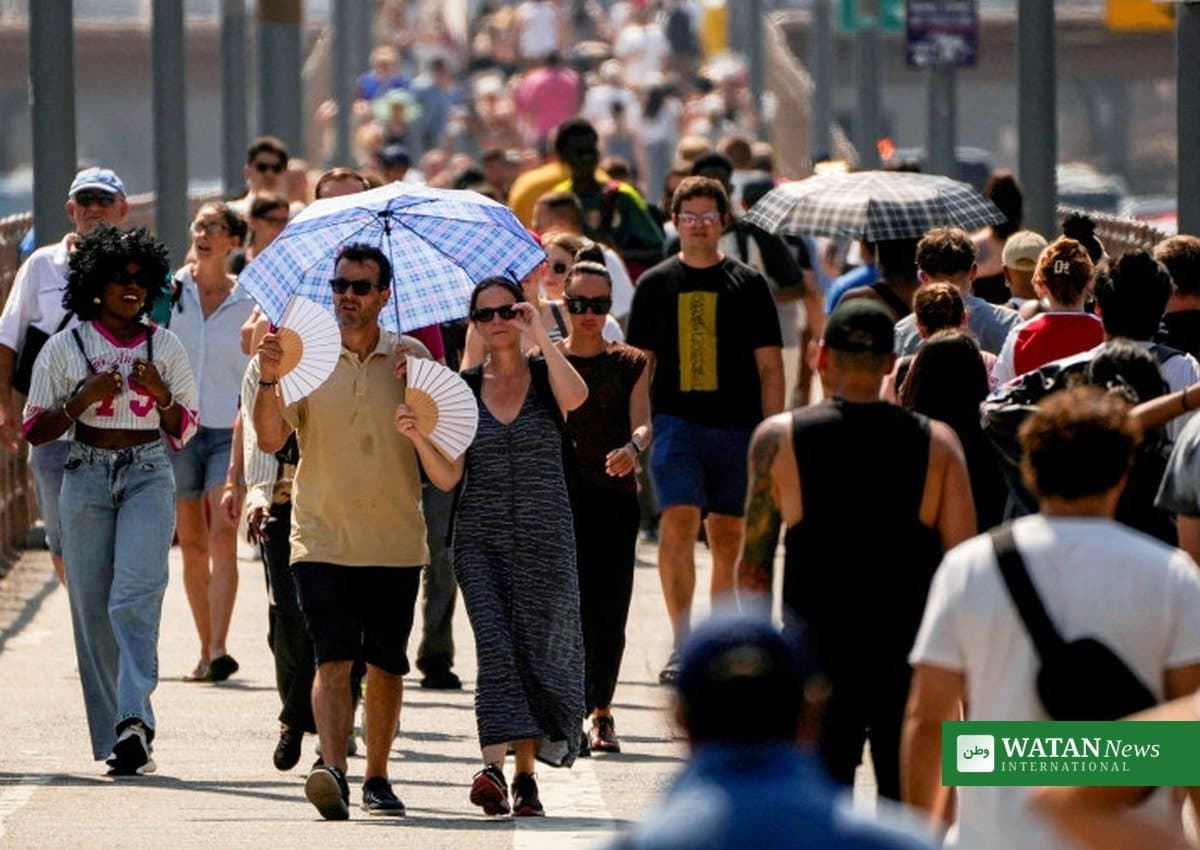
Extreme heat driven by the record El Niño between June 2026 and February 2027 could cause about 451,000 excess El Niño heat deaths worldwide, according to a new analysis from the University of Chicago’s Climate Impact Lab. The figure represents deaths on top of normal heat mortality — and it does not include deaths from fires, floods or droughts.
FAKTA
- The analysis projects 451,000 excess heat deaths from June 2026 to February 2027, in a report titled “451,000 at Risk: Where Action Can Save Lives During the Super El Niño”.
- The figure is additional to normal heat mortality; deaths from fires, floods and droughts are not included.
- The research comes from the University of Chicago’s Climate Impact Lab and models temperature–mortality relationships across 24,378 regions worldwide.
- The number of extremely hot days is expected to rise 44% above normal years.
- Nigeria (31,400), Indonesia (19,300) and Sudan (17,600) are projected to be the hardest-hit countries; the Sahel region could see 66,800 additional deaths.
- The El Niño is expected to persist into the Northern Hemisphere spring, extending heat risk into the summer months.
- The report itself is not yet peer-reviewed; the Lab says its full methodology will be published in a forthcoming peer-reviewed journal.
What the analysis projects
According to the Climate Impact Lab analysis, the combination of a record El Niño and background warming is expected to produce exceptional heat through February 2027. The researchers estimate this could result in roughly 451,000 deaths beyond the number of heat deaths that would normally occur in that period.
The projection covers heat deaths alone. Mortality linked to fires, floods and droughts — hazards also associated with El Niño conditions — is excluded from the figure, so the total human toll of the climate phenomenon could be higher than the headline number suggests.
“This report allows decision makers to see exactly where emergency actions can be taken now to save tens of thousands of lives in the coming months,” said Michael Greenstone, economist at the University of Chicago and co-founder of the Lab. The researchers frame this year’s El Niño as a “postcard from the future” — delivering temperatures that could become normal within a few decades.
Where El Niño heat deaths are projected to hit hardest
The projected toll falls overwhelmingly on the Global South. From September 2026 to February 2027, the Sahel region — including Nigeria, Niger, Chad and Sudan — is expected to see about 66,800 additional heat deaths, with Nigeria alone accounting for roughly 31,400, followed by Sudan with 17,600, Niger with 10,000 and Chad with 8,000.
In Asia, the report projects a further 19,400 deaths across the Philippines, Vietnam, Thailand and Cambodia combined, 19,300 in Indonesia, and about 15,800 in India. Brazil is also named among the hardest-hit countries.
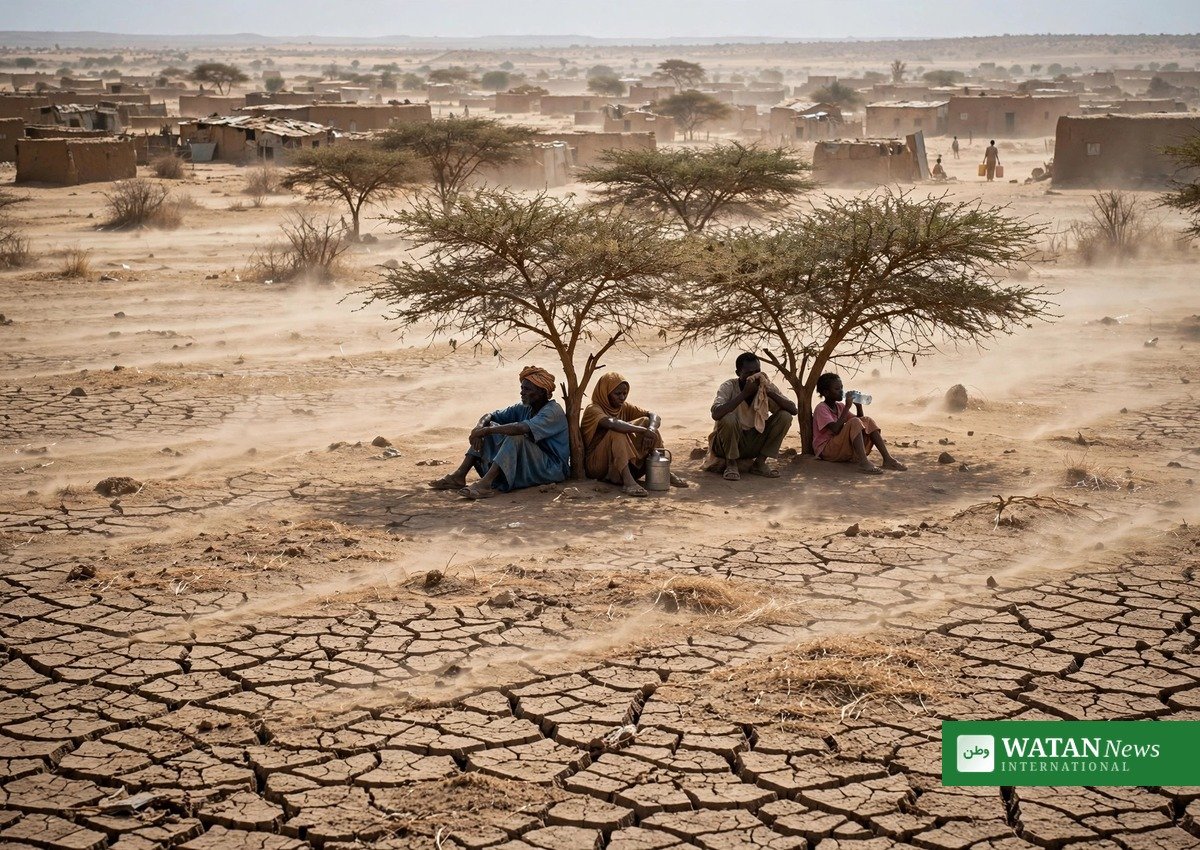
Residents seek shade in a drought-stricken village in the Sahel. The region is projected to see 66,800 additional heat deaths from September 2026 to February 2027.
A projection, not a count
It is important to be precise about what the number represents. The 451,000 figure is a modelled projection, not a count of deaths that have already occurred. Like all such projections, it rests on assumptions about the strength and duration of the El Niño and about how exposed populations are to extreme heat.
The report itself has not yet been peer-reviewed. However, the Lab says its full methodological details will be published in an upcoming peer-reviewed journal, and researchers intend to update the projections as the El Niño develops.
Projections of this kind are typically used by public-health planners to prepare — for example by expanding cooling centres and heat early-warning systems — rather than as predictions of an exact toll.
Why the finding matters
Extreme heat is already among the deadliest weather-related hazards, and El Niño years have historically brought record temperatures to many regions. A projection on this scale underlines the exposure of vulnerable groups such as older people, outdoor workers and those without access to cooling.
Scientists draw a clear line between observed data and projections: this analysis falls firmly in the second category. Its value lies in giving governments and health agencies a planning figure while the El Niño is still unfolding, not in declaring a confirmed death toll. Readers should treat the 451,000 figure as a modelled estimate — not an established fact. For continuing coverage of extreme heat and global climate risks, see this story on Watan News’ main site.