
Kenya has unveiled the first draft of a new National Environment Policy, opening a public participation exercise — 21 days, the environment ministry says — before the policy is finalised. The draft was launched in Nairobi on 1 October 2026 by Environment and Climate Change Principal Secretary Dr. Eng. Festus K. Ng’eno and would replace the country’s 13-year-old 2013 policy.
FAKTA
- The draft was launched on 1 October 2026 in Nairobi by Environment and Climate Change Principal Secretary Dr. Eng. Festus K. Ng’eno.
- It is the first draft of a new National Environment Policy, replacing the 2013 policy.
- A 21-day stakeholder and public participation exercise will run before final adoption.
- Draft targets: a 35% cut in greenhouse gas emissions by 2035, and protected land raised from 14% to 30%.
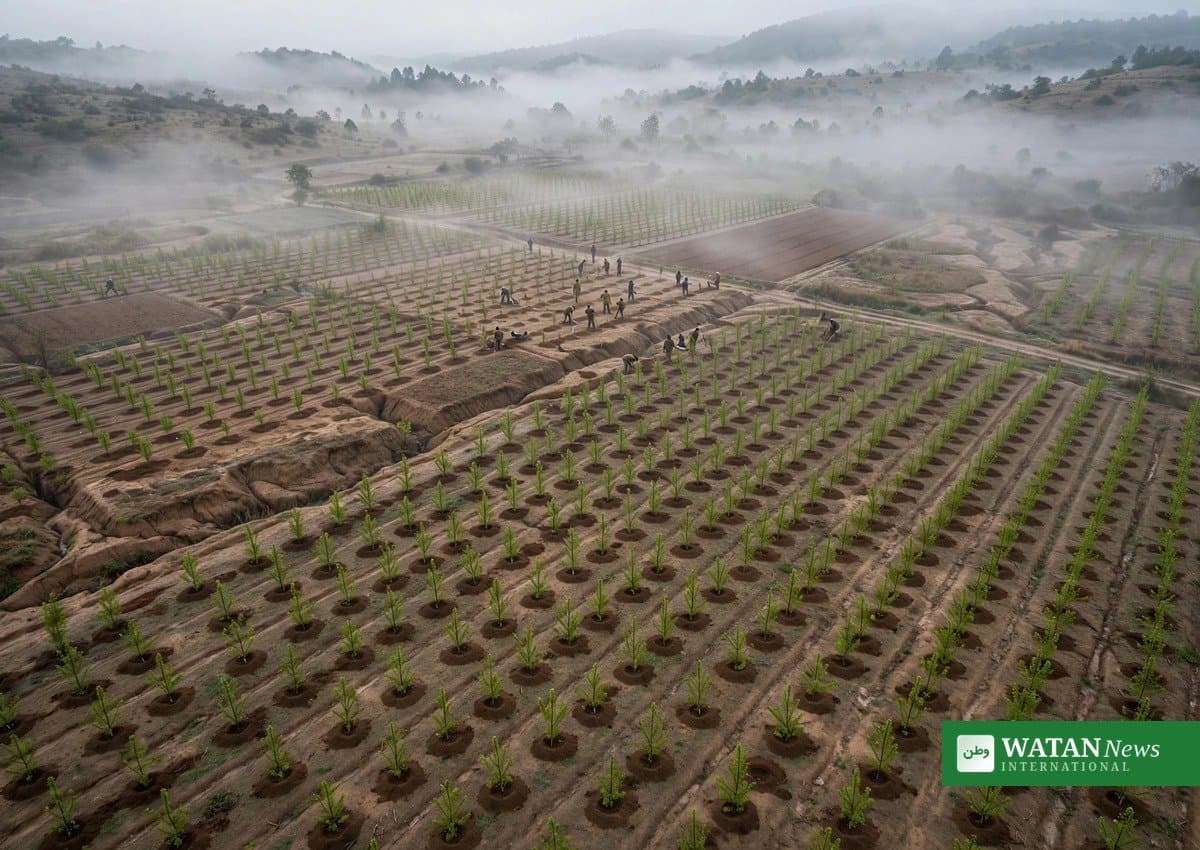
- The draft covers a legal framework for carbon markets, nature-based solutions, rights of nature, green and circular-economy jobs, water-tower protection, the 15-billion-tree initiative and green bonds.
- NEMA Director General Dr. Mamo B. Mamo and UNDP Resident Representative in Kenya Jean-Luc Stalon attended the launch.
Replacing a 13-year-old framework
Kenya’s current National Environment Policy dates back to 2013. According to reports on the draft policy launch, the review comes as the country faces an intensifying climate crisis, with the government seeking a framework that reflects new realities in climate finance, carbon markets and ecosystem protection.
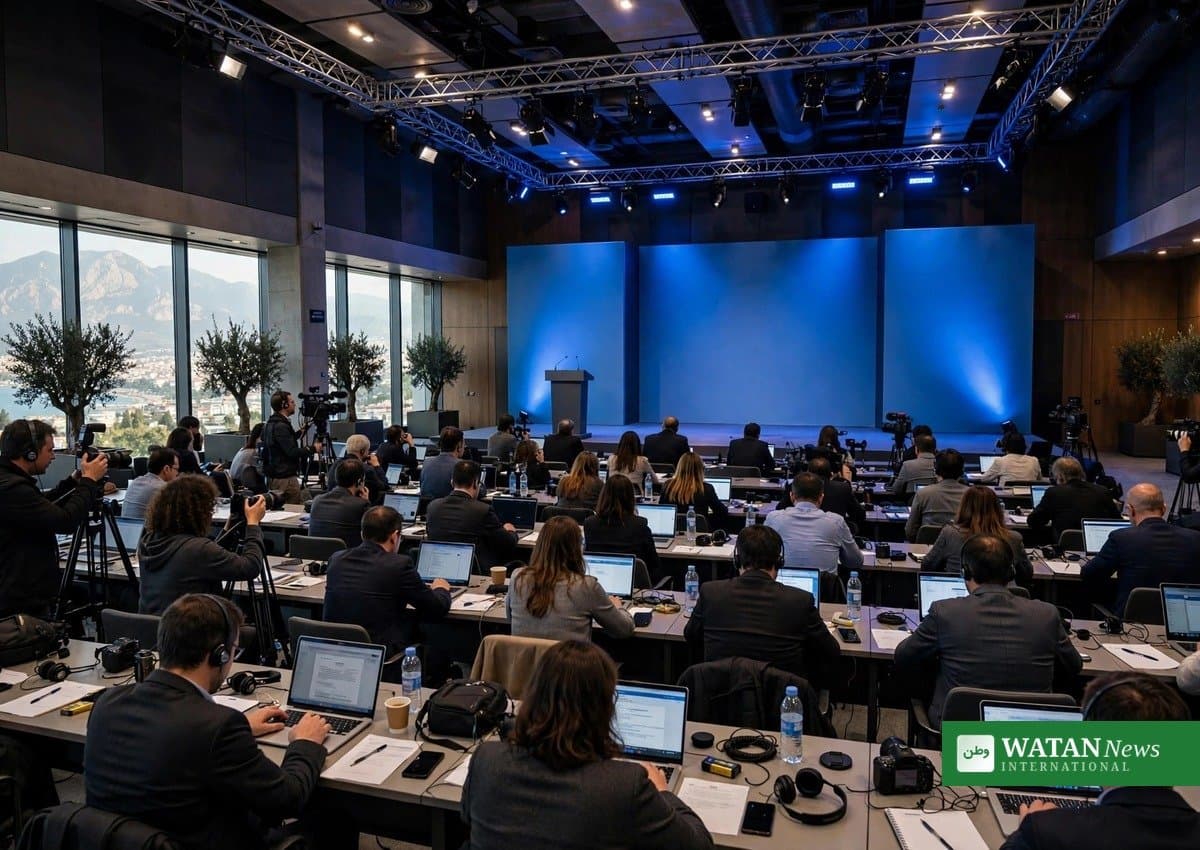
The launch event in Nairobi brought together government officials and development partners, including UNDP Resident Representative in Kenya Jean-Luc Stalon, underlining the international attention on Kenya’s environmental agenda.
What Kenya’s draft National Environment Policy contains
The draft sets two headline targets for 2035: cutting greenhouse gas emissions by 35% and increasing the share of protected land from 14% to 30% of the country’s territory.
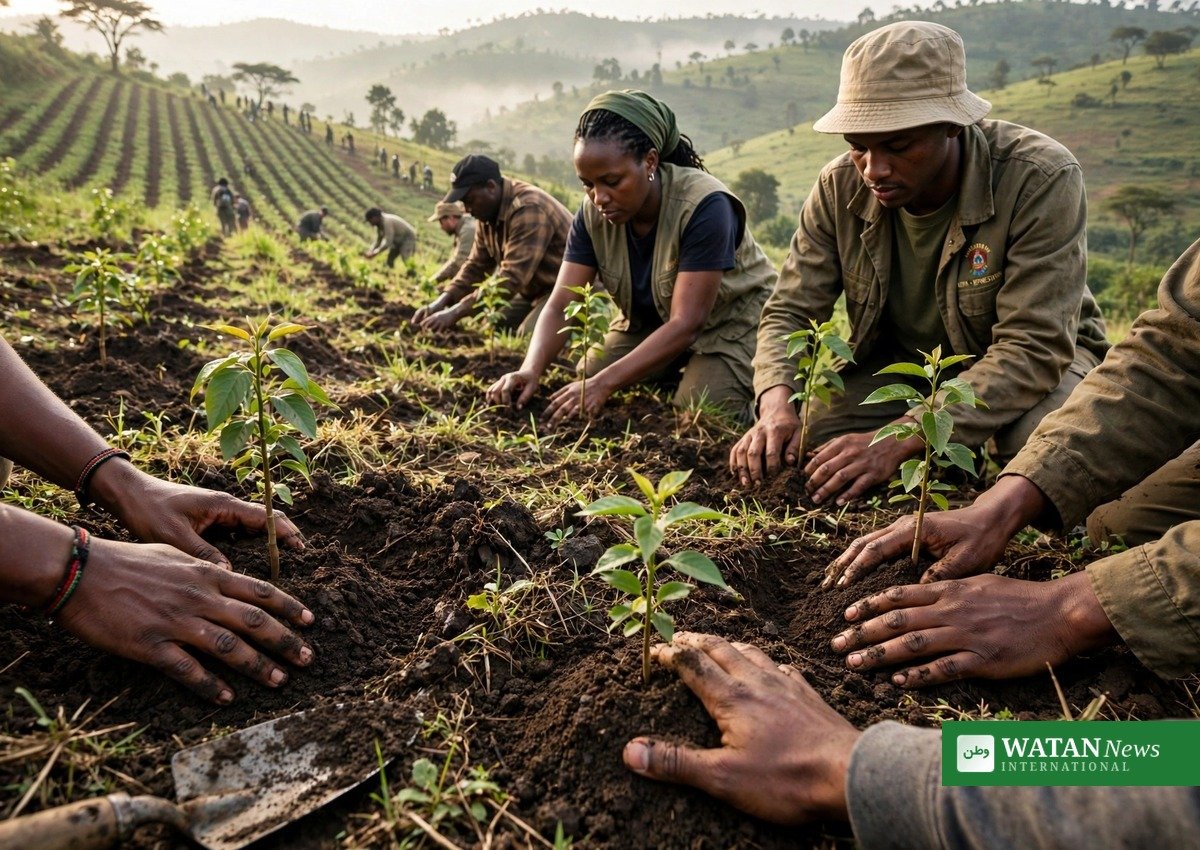
Beyond the targets, the document proposes a legal framework for carbon markets, alongside measures on nature-based solutions, the rights of nature, green and circular-economy jobs, protection of the country’s water towers, the 15-billion-tree initiative and green bonds. Ng’eno framed the review around the “triple planetary crisis” of climate change, biodiversity loss and pollution.
A draft, not yet law
It is essential to distinguish the document’s status: this is a draft for public consultation. It has not been adopted, and it is not legislation. Over the next 21 days, members of the public can submit their views before the government finalises the text.
Only after the consultation and formal approval would the 2035 targets and the proposed measures become official policy. Until then, the figures should be read as proposed — not promised.
Conclusion
The draft National Environment Policy is one of East Africa’s most closely watched environmental updates: it would reset Kenya’s framework for climate action, conservation and green growth for the next decade. The outcome of the consultation will show how ambitious — and how enforceable — the final text becomes. For continuing coverage, see this story on Watan News.