
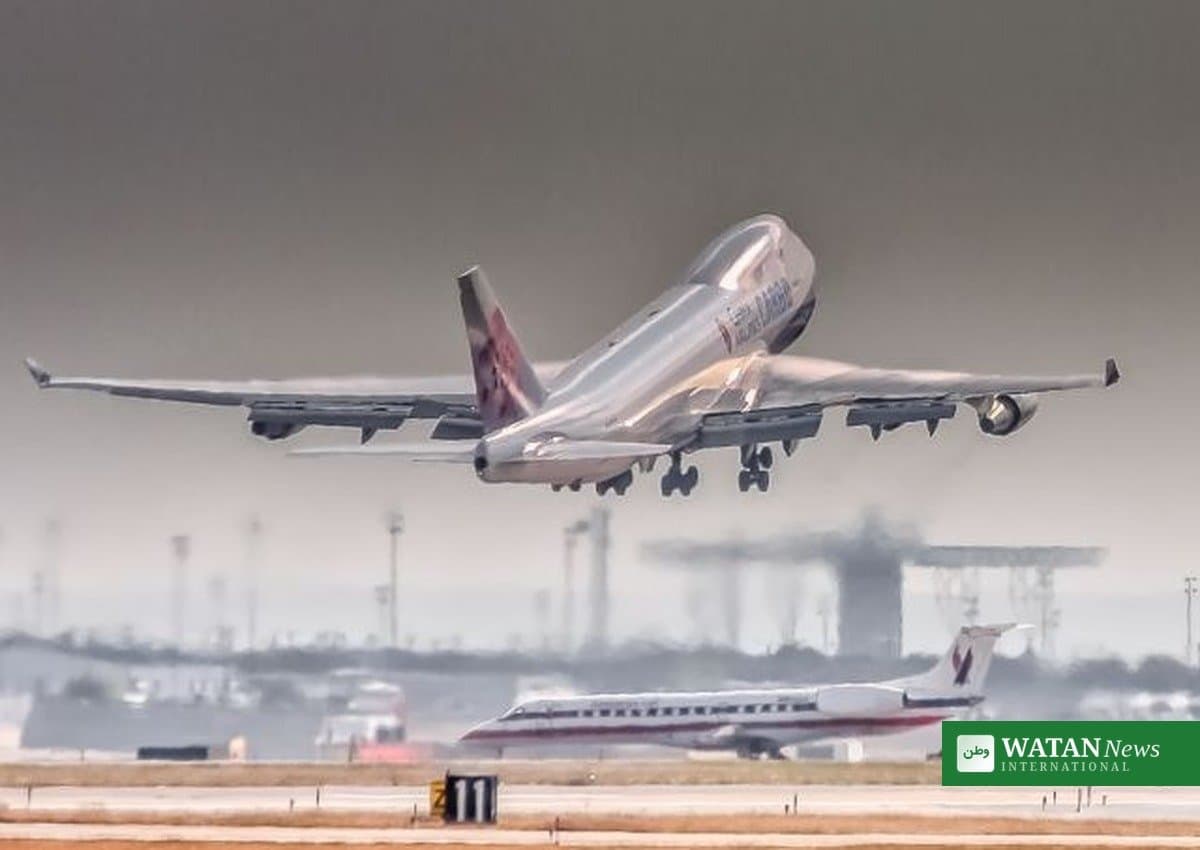
Global demand for air travel slipped back into contraction in August 2026, with a sharp downturn among Middle Eastern carriers outweighing growth across most other regions. New figures released by the International Air Transport Association (IATA) on September 30 show worldwide passenger demand, measured in revenue passenger kilometers (RPK), fell 0.8 percent compared with August 2025.
FAKTA: IATA August 2026 passenger traffic
- Global demand (RPK): -0.8% vs August 2025; excluding the Middle East: +0.6%
- Global capacity (ASK): +0.3% year-on-year
- Load factor: 85.1% (-0.9 percentage points)
- Middle East carriers: demand -14.6% year-on-year
- International demand: -0.9% (+1.3% excluding the Middle East)
- Domestic demand: -0.5%; capacity +0.7%
- Outlook: October forward schedules show 2.0% growth in available seats
Middle East interruption drags the global number
The global contraction reflects what IATA describes as an interrupted recovery trajectory for Middle East carriers, whose demand was 14.6 percent lower than a year earlier — reversing an improving trend seen earlier in the year. Strip out the Middle East, and the picture looks notably better: global demand grew 0.6 percent year-on-year, though that is only half the pace recorded in July.
“Global demand for air transport contracted by 0.8% compared to August 2025 as the recovery trajectory for carriers in the Middle East was interrupted. The region’s carriers reported that demand was 14.6% lower year-on-year, reversing an improving trend,” said Marie Owens Thomsen, IATA’s Senior Vice President Sustainability and Chief Economist. “Excluding the Middle East carriers, demand for air travel grew by 0.6% year-on-year in August, half the pace seen in July. With some important exceptions such as domestic China, global connectivity was generally weaker in August.”
Regional picture: Africa and Latin America grow fastest
The regional breakdown shows demand held up or expanded across most of the world — the Middle East stands out as the outlier. IATA’s regional table for August 2026:
| Region | Share of world RPK | RPK change (yoy) | ASK change (yoy) | Load factor |
|---|---|---|---|---|
| Africa | 2.2% | +4.4% | +7.2% | 77.5% (-2.1 ppt) |
| Asia Pacific | 34.4% | +1.4% | +1.3% | 85.9% (+0.1 ppt) |
| Europe | 26.7% | +0.7% | +1.4% | 87.5% (-0.6 ppt) |
| Latin America & Caribbean | 5.4% | +5.3% | +6.3% | 84.0% (-0.8 ppt) |
| Middle East | 9.5% | -14.6% | -9.3% | 78.9% (-4.9 ppt) |
| North America | 21.8% | -2.2% | -1.0% | 84.6% (-1.0 ppt) |
European airlines posted a 2.1 percent demand increase while Europe–Asia traffic remained strong, rising 12.2 percent — though transatlantic demand fell 2.4 percent. International demand overall declined 0.9 percent, with capacity flat year-on-year and the international load factor at 85.0 percent.

Domestic markets split: India sinks, China strengthens
Domestic travel fell 0.5 percent in August while domestic capacity expanded 0.7 percent, pulling the domestic load factor down 1.1 percentage points to 85.3 percent. The domestic story was sharply divided: travel in Japan and the United States fell, and India saw a particularly steep contraction of 7.5 percent. Chinese domestic travel, by contrast, strengthened on the back of summer travel demand.
Cautious optimism for October
IATA flagged one encouraging signal: forward schedules for October currently show available seats growing by 2.0 percent. Owens Thomsen called it “cautious optimism,” while warning that the coming months will show whether travelers — whose purchasing power has been squeezed by higher energy prices — adjust their travel budgets or are discouraged by geopolitical instability.
Notably, air cargo moved in the opposite direction: IATA reported air cargo demand grew 4.4 percent in August, a sign that freight markets remain supported even as passenger traffic wobbled.
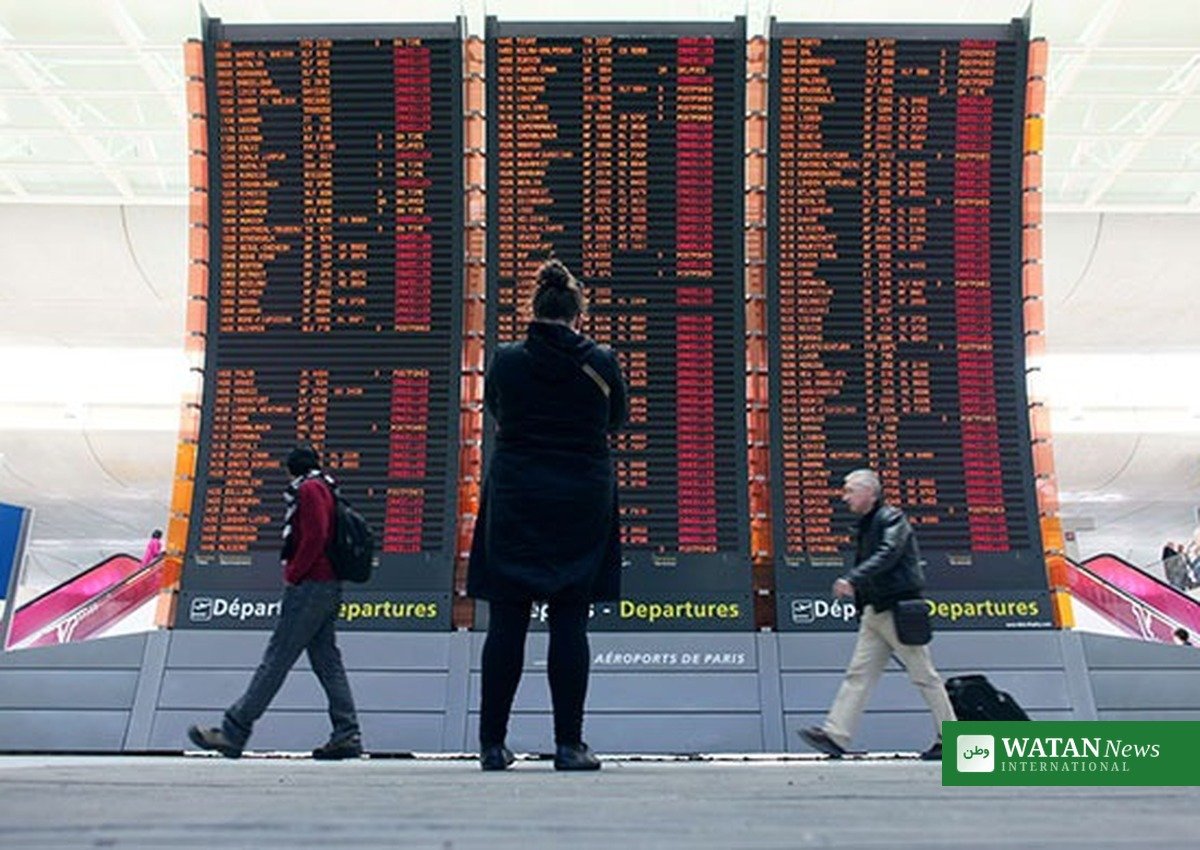
What this means for travelers
For now, August’s dip follows a strong summer in which July demand still grew 0.2 percent. With airlines scheduling more seats for October, travelers heading into the autumn season may find fuller timetables — but IATA’s warning on purchasing power suggests fares and demand could stay sensitive to energy prices and regional instability in the months ahead.
Conclusion
August 2026 was the aviation industry’s weakest month in some time: global passenger demand fell 0.8 percent as the Middle East’s interrupted recovery dragged down an otherwise still-growing market. The split picture — growth everywhere except one troubled region, plus a cautiously optimistic October schedule — sets up the autumn as the industry’s real test of resilience.