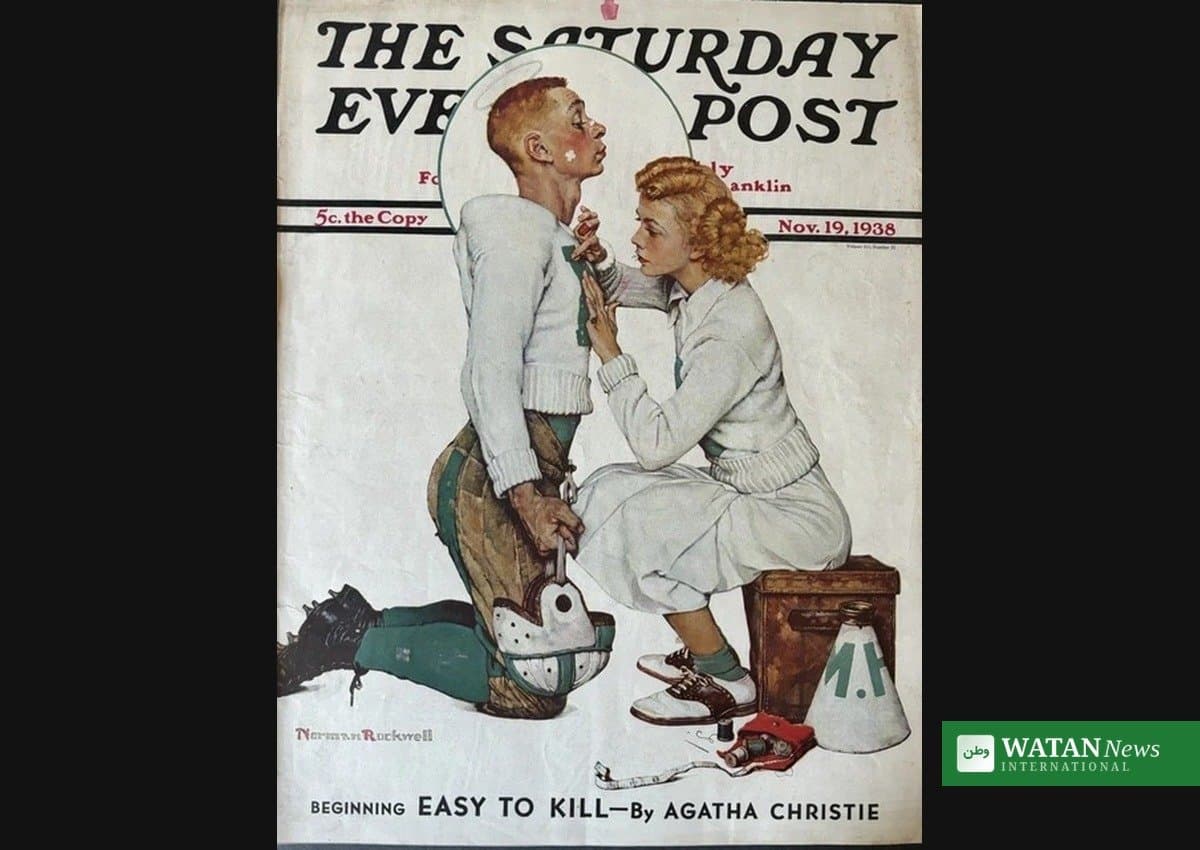
One of America’s most storied magazines is leaving the newsstand. The Saturday Evening Post will publish its final print edition in January 2027, ending more than two centuries of continuous printing and closing another chapter in the magazine industry’s long transformation — from glossy print icon to digital survivor. The announcement, made in early September, caps a year of closures, mega-deals and ambitious expansion across the global publishing business.
FAKTA
- The headline: The Saturday Evening Post will stop printing after 205 years; its January 2027 issue is the last in print.
- The reason: rising production costs, declining advertising revenue and shifting reader habits, publisher Joan SerVaas told around 50,000 subscribers.
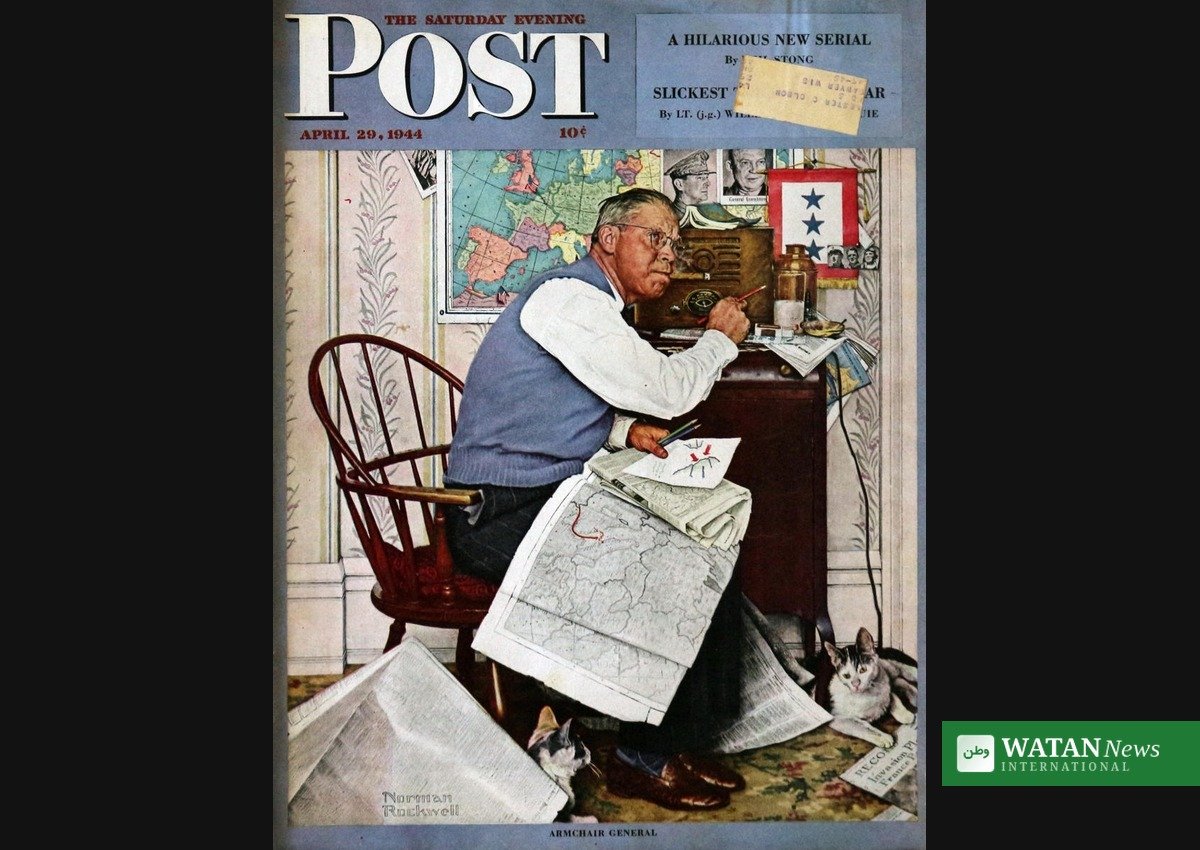
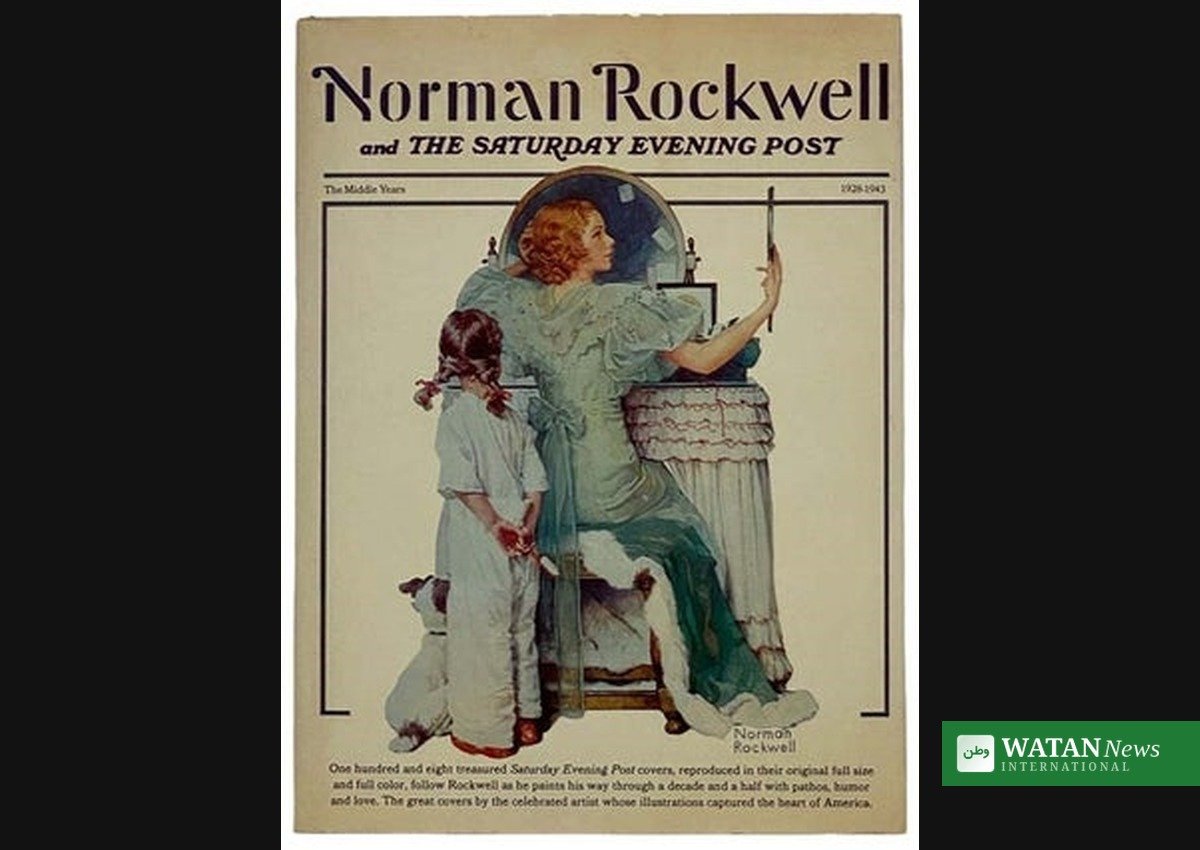
- The legacy: first published in 1821, famous for Norman Rockwell covers and writers including Jack London; it will continue online with an archive of about 500,000 pages and 3,500 covers.
- The wider trend: print closures and consolidation are running in parallel with digital-first expansion, especially in Asia.
A 205-year run comes to an end
For more than two centuries, The Saturday Evening Post chronicled American life while shaping its national identity, printing features from some of the nation’s greatest writers. Published six times a year, it ran weekly from 1897 until 1963 and every other week until 1969. From the 1920s to the 1960s it was one of the most influential magazines among the American middle class, reaching about two million homes at its peak.
In a letter to subscribers, President and Publisher Joan SerVaas said the decision to go digital-only was driven by “rising production costs, declining advertising revenue, and shifting reader habits.” The magazine will continue online, where its archives — including the beloved Rockwell images — will be preserved on a new website featuring about 500,000 pages and 3,500 covers.
Print closures keep coming
The Post is not alone. Britain’s Tameside Reporter announced this week that it will cease printing after 171 years, citing a decline in local advertising and rising print and operating costs, the Press Gazette reported. The paper, where the legendary editor Harold Evans began his career, will continue through radio and digital platforms while the print brand pauses.
Consolidation is also reshaping the trade. Academic publisher Wiley completed the £337 million ($452 million) all-cash acquisition of Emerald Publishing from Cambridge Information Group, adding nearly 500 journal brands and 8,000 book titles and taking Wiley’s journal portfolio past 2,500 titles — a deal explicitly aimed at building proprietary content for AI and data analytics licensing, according to Publishing Perspectives.
Money moves toward Asia and digital
While legacy print retreats, capital is flowing into digital-first and Asian publishing ventures. On 2 October, TNL Mediagene (NASDAQ: TNMG) announced it had entered a definitive agreement to sell its Japanese business in a management buyout worth $5.5 million, led by chief executive Motoko Imada — a deal covering its Mediagene and Infobahn operations.
Expansion is the other side of the story. The Generation Essentials Group’s media business is in full multi-market expansion: L’OFFICIEL Singapore — a Chinese-language edition, making Singapore the first country with both English and Chinese editions — has launched, L’OFFICIEL Taiwan is on the way, and The Art Newspaper China will launch in October with both print and digital editions, following the Hong Kong SAR edition’s debut at Art Basel Hong Kong 2026.
An industry at a turning point
The pattern is unmistakable: the titles closing their print editions are overwhelmingly those with 100-plus-year legacies built on mass circulation and print advertising, while investment chases digital audiences and fast-growing Asian markets. The Saturday Evening Post’s bet is that its archive — two centuries of American life — is worth more online than on paper.
Related coverage: Watan News magazine section. Industry reporting: Masthead Online on the Saturday Evening Post’s print farewell.