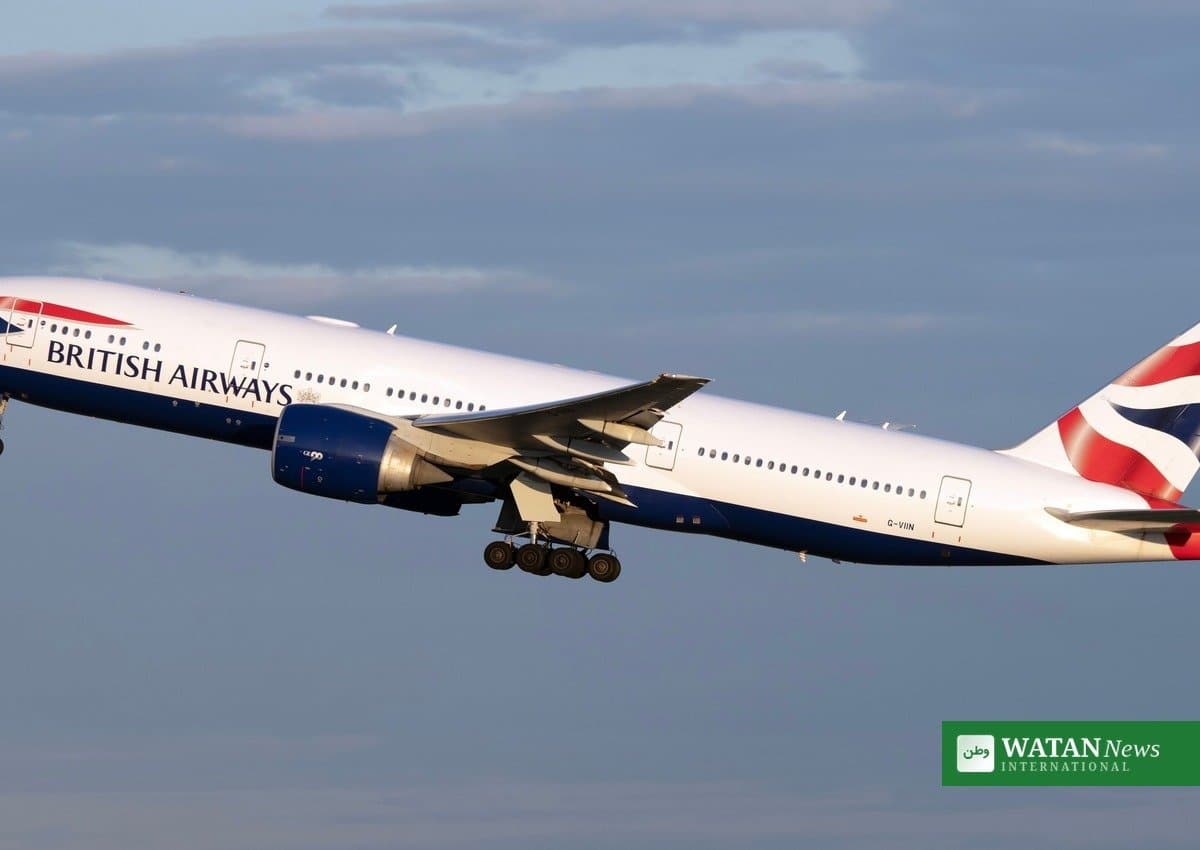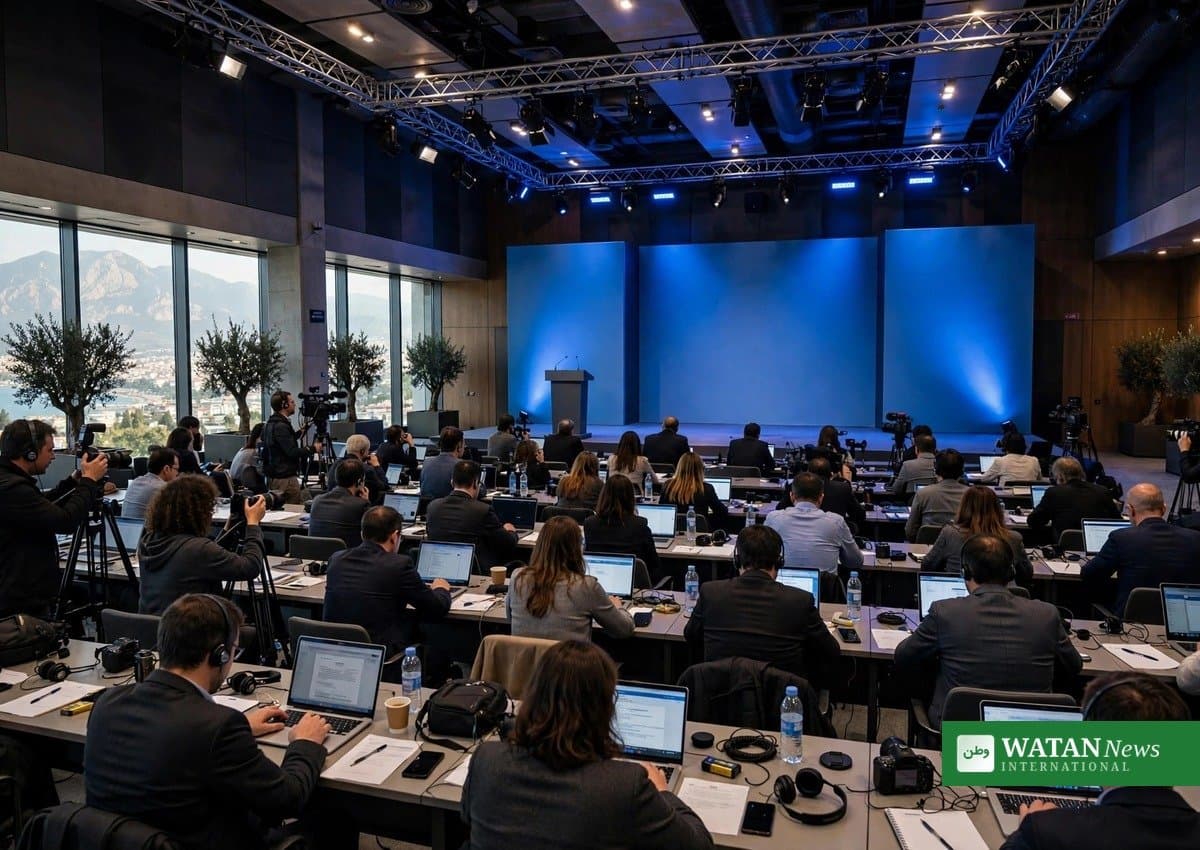

From 27 September 2026, the European Union’s anti-greenwashing law — the Empowering Consumers for the Green Transition Directive (EmpCo) — applies across all 27 member states. For travellers, that means the vague “eco-friendly hotel”, “green getaway” and “carbon-neutral flight” labels seen on booking sites must now be provable, independently verified, or dropped entirely.
The rules are part of Directive (EU) 2024/825, which entered into force in March 2024, had to be transposed into national law by 27 March 2026, and is now fully applicable, according to legal analyses of the legislation. There is no transition period: stock, shelf labels and existing marketing claims already in shops and on websites are in scope immediately.
What the EU greenwashing rules mean for tourism bookings
The new regime targets the marketing language tourism businesses rely on most. According to summaries of the directive, generic environmental claims such as “eco-friendly”, “green” or “climate friendly” are now permitted only where a trader can demonstrate recognised excellent environmental performance, verified through the EU Ecolabel or an equivalent Type I scheme such as Nordic Swan or Blue Angel.
Claims of “carbon neutral” or “climate net zero” that rest on offsetting outside a product’s value chain are prohibited outright. Forward-looking net-zero pledges now need a detailed, independently verified implementation plan. Sustainability labels may only be displayed if they come from a public authority or from a certification scheme based on independent third-party verification, open participation conditions and procedures for dealing with non-compliance.

A traveller checks a hotel’s eco-certification badge on a booking app — under the EU’s new rules, such badges must be independently verified or removed.
Travel certification alliance welcomes the move
The Tourism Sustainability Certifications Alliance (TSCA) welcomed the commencement of the rules in a statement issued on 29 September 2026, describing it as a significant milestone in strengthening consumer confidence, improving transparency and reducing greenwashing across the global tourism industry.
“Sustainability has become one of the most important considerations influencing travel decisions around the world,” said TSCA Chair Elissa Keenan. “Consumers increasingly want confidence that the environmental and social commitments promoted by tourism businesses are genuine. EmpCo helps create a marketplace where transparency, evidence and credibility are rewarded, ultimately benefiting both travellers and responsible tourism operators.”
TSCA says its member organisations operate certification schemes aligned with ISO/IEC 17065, the internationally recognised standard for certification bodies. Together, TSCA members represent more than 19,000 certified tourism businesses, attractions and destinations worldwide.
A global reach, not just a European one
Crucially, the legislation applies not only to businesses inside the European Union. According to TSCA, tourism operators worldwide that market to European consumers or work with European travel distributors and wholesalers fall within its reach, and businesses across the globe are now reviewing how they communicate sustainability information. Some member states, including Belgium and Germany, also scrutinise business-to-business communications.
Penalties for misleading claims
According to legal summaries of the new framework, companies that breach the rules could be fined up to 4 percent of the related product revenue in the country where the violation took place. Companies could also be required to remove products from retailers, redesign websites where misleading campaigns appeared, and run corrective advertisements acknowledging the greenwashing.

Travellers ride e-bikes along a coastal path — low-emission active tourism is among the options gaining ground as travellers seek verified green choices.
Rail travel gains a public mandate
The timing matters for how travellers actually move. A poll commissioned by the Community of European Railway and Infrastructure Companies (CER), surveying more than 5,000 people across 27 countries in early July 2026, found that 74 percent of EU adults support promoting train travel to boost sustainable tourism — 35 percent strongly and 39 percent partially. Support peaks in Southern Europe at 79 percent.
Cost remains the top factor influencing travel decisions, but environmental impact is rising as a criterion. Rail — and low-emission options like cycling — now sit at the centre of a greener booking landscape where claims must finally match reality.
For genuine green travel, the message of the new rules is simple: travellers can increasingly trust what they read on a booking page, and operators that can prove their sustainability performance now have a real competitive edge. The industry’s own push to recognise verified sustainable travel is moving in the same direction.
Key facts
- Directive (EU) 2024/825 (EmpCo) applies from 27 September 2026 in all 27 EU member states, with no transition period.
- Generic claims like “eco-friendly” or “green” need proof via the EU Ecolabel or equivalent Type I schemes; offset-based “carbon neutral” claims are banned.
- TSCA — representing 19,000+ certified tourism businesses — welcomed the rules on 29 September 2026 as a milestone against tourism greenwashing.
- The rules reach tourism operators worldwide that market to EU consumers or work with EU distributors.
- Breaches can draw fines of up to 4 percent of related product revenue, according to legal summaries.
- 74 percent of EU adults support promoting rail for sustainable tourism (CER poll, July 2026).