The European Commission on 19 October 2026 awarded more than €390 million to 135 new projects under the LIFE programme, the EU’s flagship funding instrument for environment and climate action. The grant is up 9% on 2025 and is the largest annual LIFE award yet, channelling money into nature restoration, the circular economy, climate resilience and the clean energy transition across Europe.
The EU contribution covers around two-thirds of the €579 million total investment the 135 projects need. The remaining €189 million comes from national, regional and local governments, public-private partnerships, businesses and civil society organisations, according to the European Climate, Infrastructure and Environment Executive Agency (CINEA), which manages the programme.
What the €390 million will fund
The 135 projects were selected from a record 1,095 applications submitted under the LIFE 2025 call for proposals. Together they cover all 27 EU Member States plus Iceland, Moldova, Montenegro, North Macedonia and Ukraine, and are meant to help halt and reverse biodiversity loss by 2030 and put Europe on track for climate neutrality by 2050.
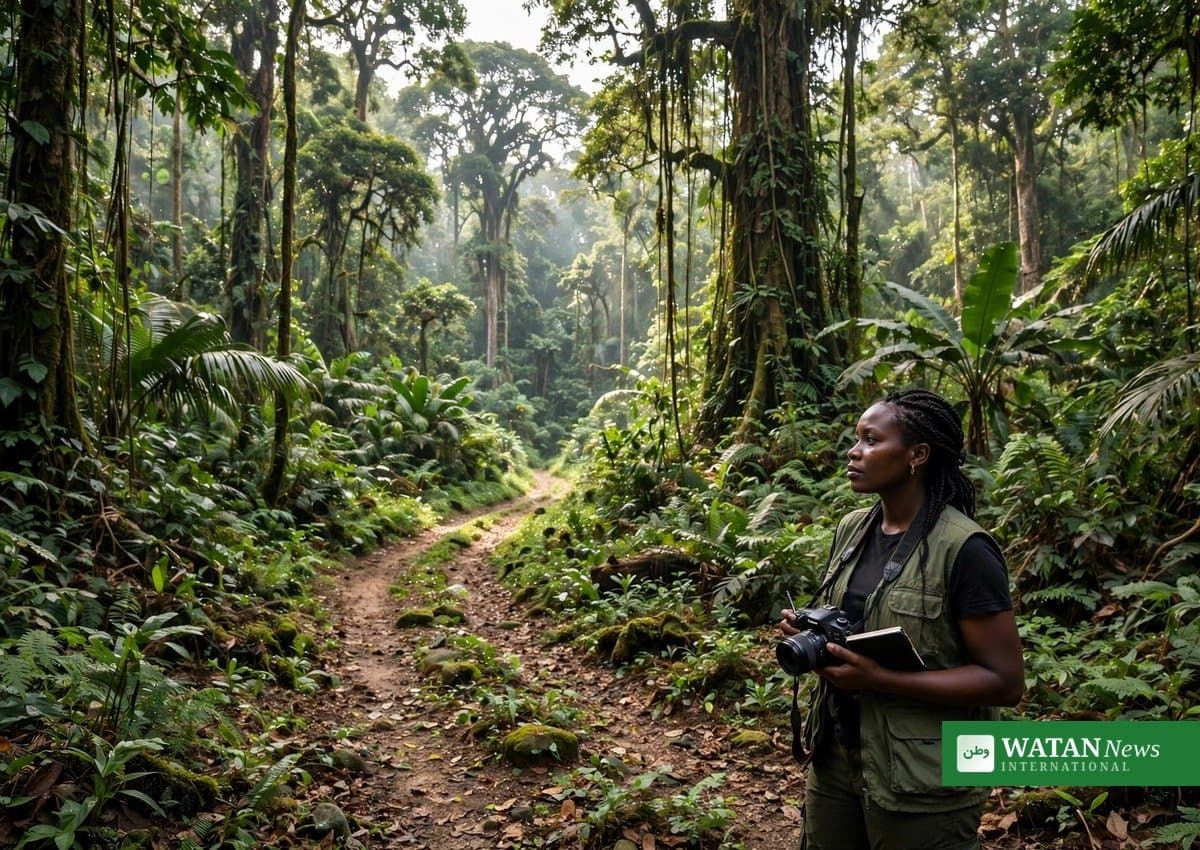
- Nature and biodiversity: 29 projects across 16 Member States will receive €223 million in total, of which the EU provides more than €151 million, to restore and protect natural habitats and the species that live there.
- Circular economy and quality of life: 36 projects across 13 Member States will receive €163 million (nearly €91 million from the EU) for a clean, circular, energy-efficient and climate-resilient economy.
- Climate adaptation and mitigation: 26 projects across 9 Member States will receive €102 million (more than €61 million from the EU) to strengthen climate resilience.
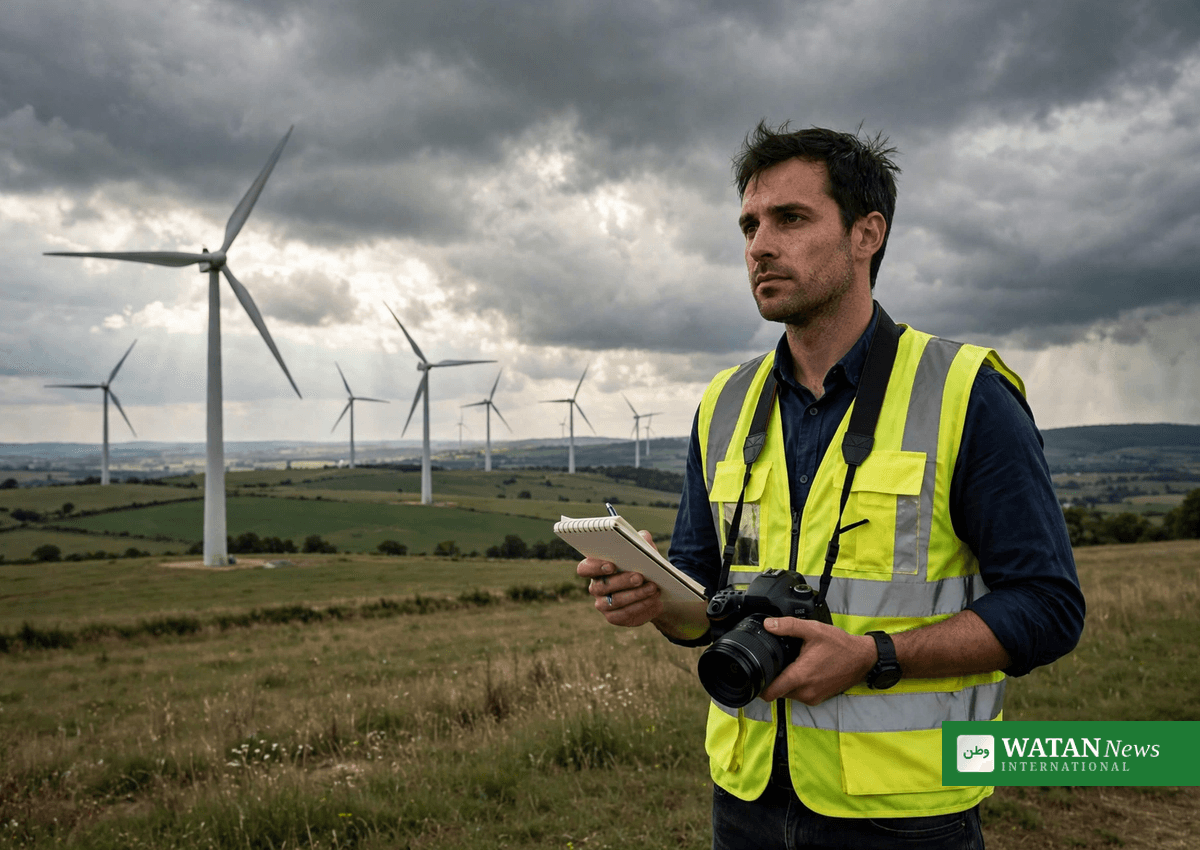
- Clean energy transition: 44 multi-country projects will receive €91 million (nearly €87 million from the EU) to accelerate the shift to clean energy.
From coastal dunes to chemical plants
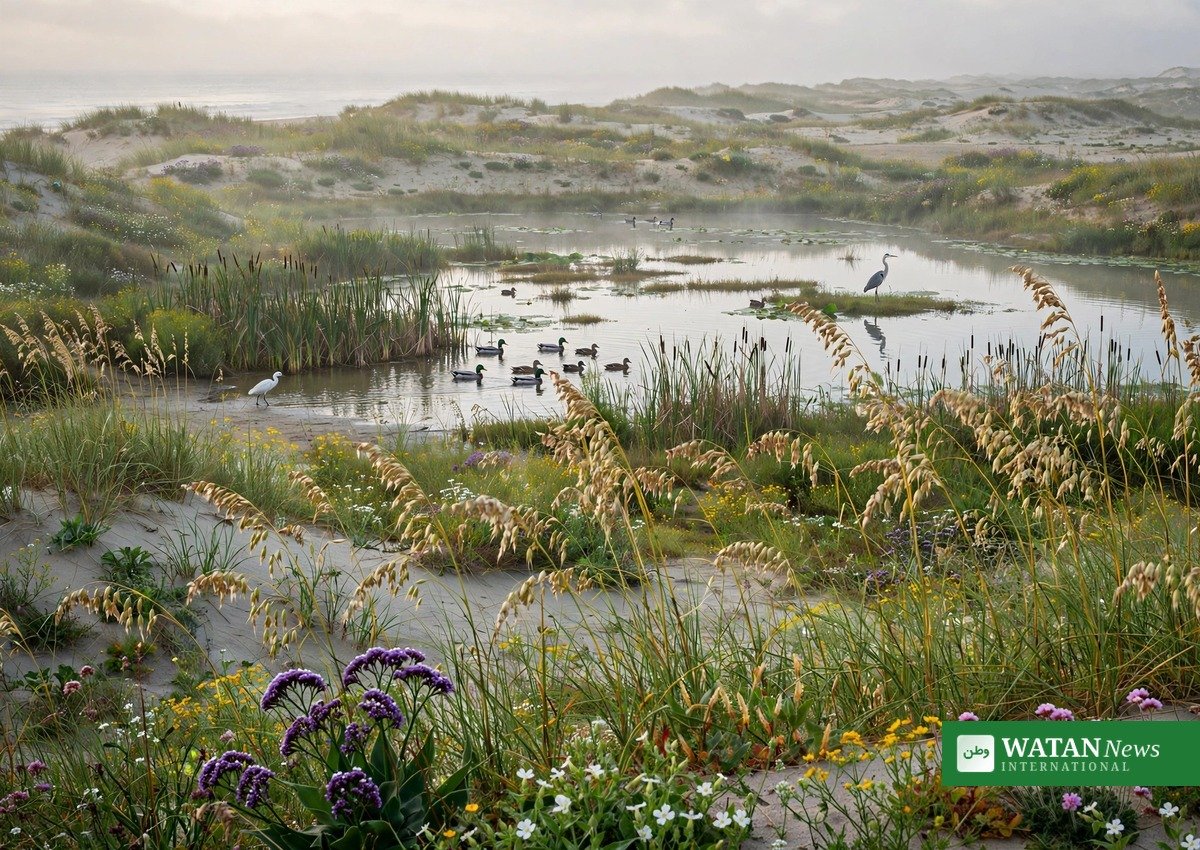
The selected projects range widely. In Belgium, the €9.2 million LIFE COCON project will restore coastal sand dunes, while another €25.8 million is earmarked to reduce flood risk in the Dender valley. In Spain, the €17.6 million LIFE SAVE Desman project will help protect the Pyrenean desman, a rare semi-aquatic mammal. Vulture conservation projects in Romania and Bulgaria are also among the winners.
Climate resilience projects include carbon capture and storage in Germany, refrigerated transport free from fluorinated gases in Austria, and support for Mediterranean countries recovering from wildfires. Clean energy projects include green district heating and cooling systems in Croatia and Denmark, help for chemical plants to replace fossil-fuel heat with high-temperature electric heat pumps, and support for local authorities investing in sustainable energy. Five additional projects will fund awareness, training and stakeholder participation.
Why it matters for climate action
The award shows the LIFE programme scaling up: its budget for 2021–2027 stands at €5.43 billion, and demand keeps rising — the 2025 call drew a record number of applications. With 135 projects now funded across 32 countries, the Commission says the investment will have a lasting impact on Europe’s environment, economy, industry and public health, supporting better preparedness for extreme weather and the goal of a climate-neutral continent by 2050.
Read more climate coverage from Watan News International at watannews.dk/en.
FAKTA
- Amount: more than €390 million in EU grants to 135 new LIFE projects, announced 19 October 2026.
- Total investment: €579 million; the EU covers about two-thirds, with €189 million from governments, businesses and civil society.
- Growth: EU LIFE funding is up 9% compared with 2025.
- Competition: the projects were chosen from a record 1,095 applications under the LIFE 2025 call.
- Coverage: all 27 EU Member States plus Iceland, Moldova, Montenegro, North Macedonia and Ukraine.
- Goals: halt and reverse biodiversity loss by 2030, climate-neutral Europe by 2050.