
The European Parliament’s Environment Committee has backed a major softening of the European Union’s planned 2035 car emissions rules, voting on Wednesday to lower the fleet-wide CO2 reduction target for new cars from 100% to 87.5% and opening the way for some new combustion-engine cars to keep being sold after 2035.
The committee adopted its position by 48 votes in favour, 30 against and two abstentions, according to the European Parliament. The proposal now goes to the full Parliament, which is expected to vote on its negotiating mandate in December, before talks with EU governments.
FAKTA: EU car CO2 targets 2035
- What was decided: The Environment Committee backed lower 2035 CO2 targets for new cars and vans.
- Cars: The 2035 reduction target falls from 100% to 87.5%, with low-carbon steel credits of up to 7.5% to reach 95%.
- Vans: The 2035 target falls from 100% to 80%; the 2030 target is proposed at 35%, against 40% in the Commission text and 50% under existing rules.
- Vote: Adopted 48 in favour, 30 against, two abstentions.
- Next step: A plenary vote in December 2026, then negotiations with the Council of EU governments.
What the EU car CO2 targets 2035 proposal changes
Under the existing rules, the EU had been on course to require only zero-emission new cars to be sold from 2035, through a 100% CO2 reduction target. The committee’s proposal replaces that with an 87.5% reduction target for cars, with manufacturers able to make up a further 7.5 percentage points through credits for low-carbon steel made in the EU, taking the effective target to 95%.
For vans, the committee proposes an 80% reduction target for 2035, again with low-carbon steel credits available subject to a 7.5% cap. Until the end of 2034, such credits may count for no more than 3% towards meeting specific targets for both cars and vans.
The committee also proposes new definitions: vehicles running exclusively on eligible renewable and low-carbon fuels would count as zero-emission vehicles, alongside vehicles with zero tailpipe CO2 emissions.
Incentives for EU-made electric vehicles
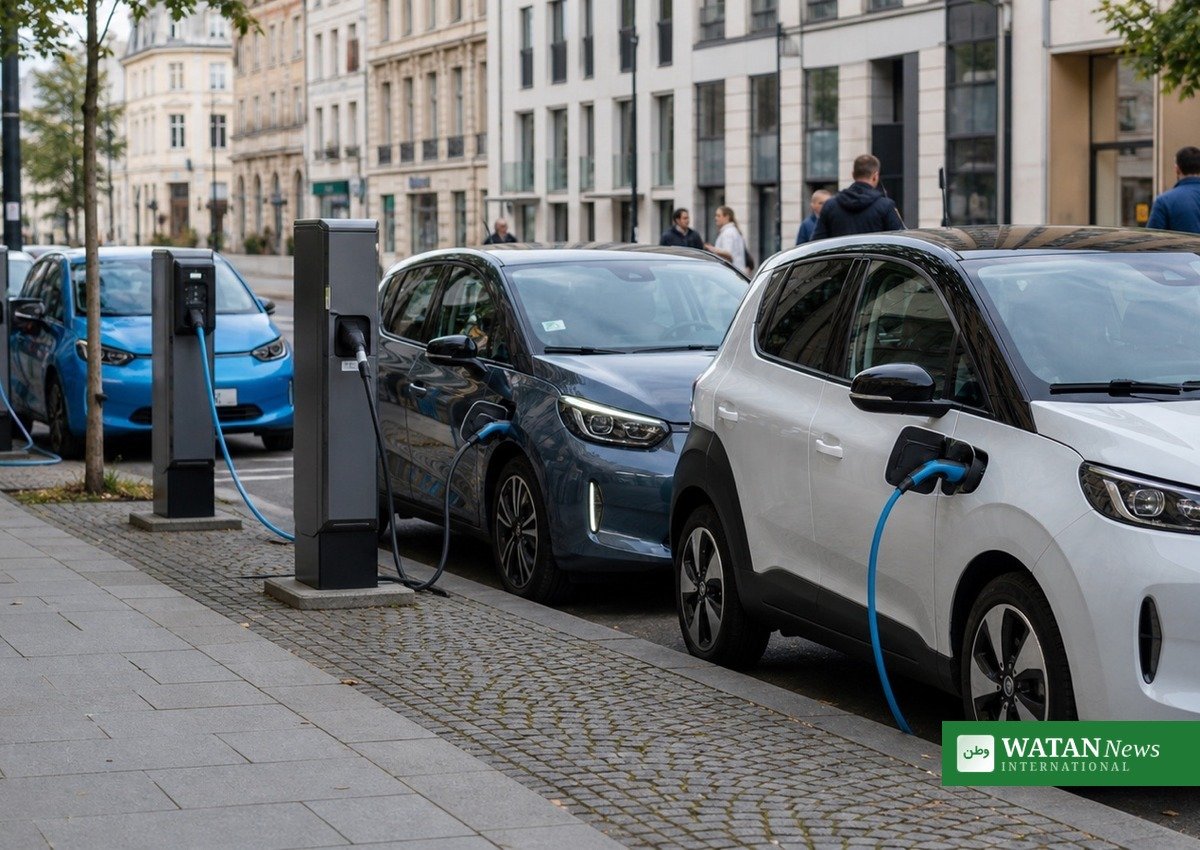
The proposal includes so-called super credits for electric vehicles made in the EU. Small electric cars of up to 4.2 metres in length would count as 1.4 vehicles when a manufacturer calculates its average emissions, while highly efficient EU-made electric cars would count as 1.2 vehicles. The multipliers would rise by 0.1 for vehicles registered under a social leasing scheme.
Pure electric vans made in the EU would count as 1.2 vehicles until the end of 2034 and as 1.4 vehicles from 2035, under the committee’s plan.
Rapporteur Massimiliano Salini said the agreement “marks a turning point for the European automotive industry” and would protect technological freedom and the supply chain, adding that decarbonisation “does not mean imposing one technology”.
Why the vote matters, and what happens next
The European Commission had itself proposed softening the cars target to a 90% reduction late last year, under pressure from the car industry. The committee went further, backing an 87.5% cut put forward by three mainstream political groups. Reuters also reported that committees voted on Wednesday to downgrade mandatory targets for the share of zero-emission cars in corporate fleets to aspirational goals.
The committee vote is not the final law. The full European Parliament is due to vote on the package in December, which would set its position for negotiations with the Council, the grouping of EU governments, which is still deliberating. Until those talks conclude, the final 2035 targets remain open.
For more European news, see Watan News Europe coverage.