Brussels, 7 November 2026 — The European Commission has presented the first-ever EU Sustainable Tourism Strategy, a plan to spread visitor flows more evenly across Europe, ease pressure on overcrowded destinations and keep the continent the world’s leading tourism destination while cutting the climate and environmental costs of travel.
The strategy was adopted on 4 November 2026 and presented by Apostolos Tzitzikostas, the European Commissioner for Sustainable Transport and Tourism, alongside Executive Vice-President Raffaele Fitto. Mr Tzitzikostas described it as “the most ambitious, comprehensive, and holistic European policy framework for tourism ever drawn up”.
What the strategy sets out to do
The strategy builds a common European approach around three goals: strengthening the competitiveness of tourism businesses, making tourism more sustainable, balanced and resilient, and promoting Europe abroad through a shared “Destination Europe” brand.
Its flagship actions include an EU Tourism Academy to build skills, an EU Tourism Observatory to track data, a Common European Tourism Data Space, and an EU Model for Tourism Management to be developed from 2027. The Commission will also propose a Council Recommendation on Balanced Tourism Management and a common EU Toolbox for Balanced Tourism by 2027, and set up an EU Tourism Crisis Coordination Network to prepare destinations for shocks such as extreme weather.
Why Europe is acting now
Europe remains the world’s leading tourism destination. In 2025 it welcomed close to 600 million international tourists, almost 40 per cent of all international arrivals worldwide. Tourism generates more than one in every ten euros of value added in the EU, supports more than 20 million jobs and covers five million businesses, 99 per cent of them small and medium-sized enterprises.
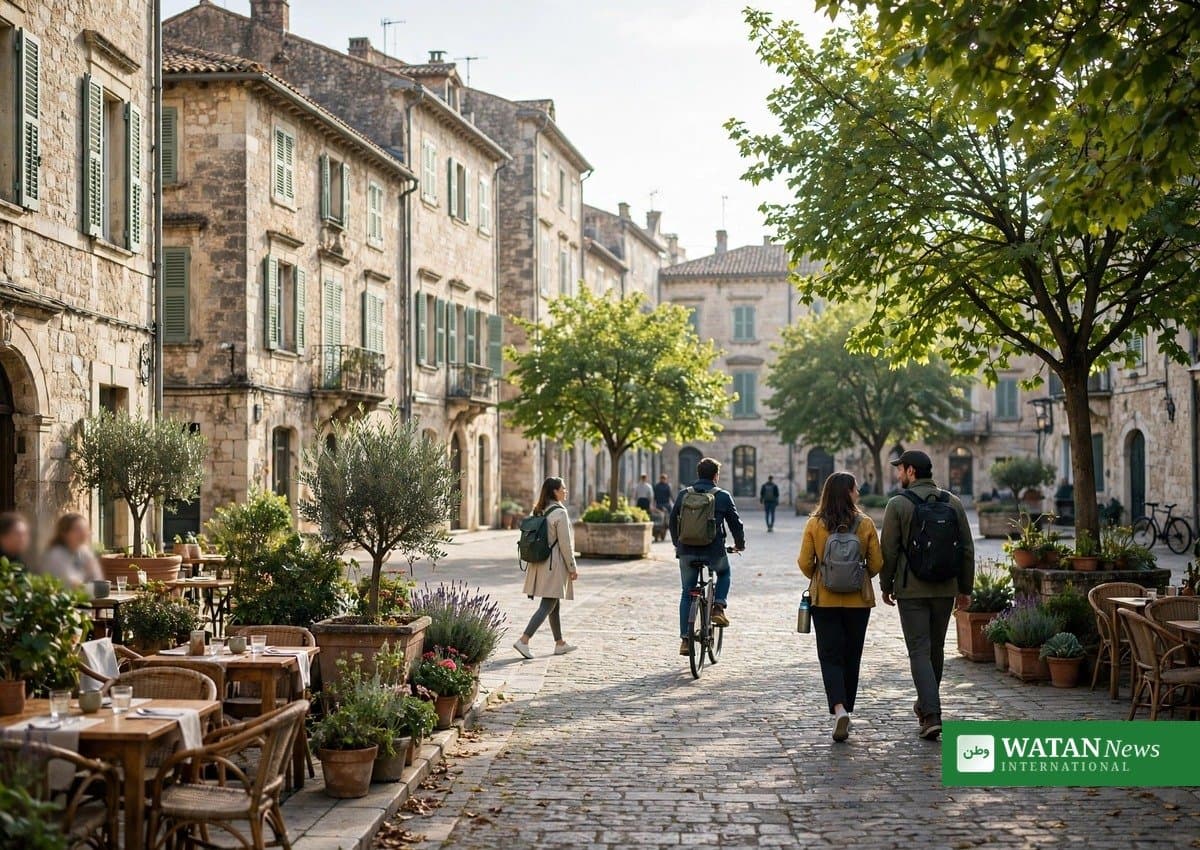
But the benefits are unevenly shared. Just 13 per cent of European regions account for half of all overnight stays, leaving famous hotspots crowded while lesser-known regions see little of the income. The strategy aims to spread visitors more widely across the map and across the year, easing pressure on crowded places and giving more communities a share of tourism income. The Commission did not use the word “overtourism” in the strategy, although the pressure on popular destinations is one of the problems it seeks to address.
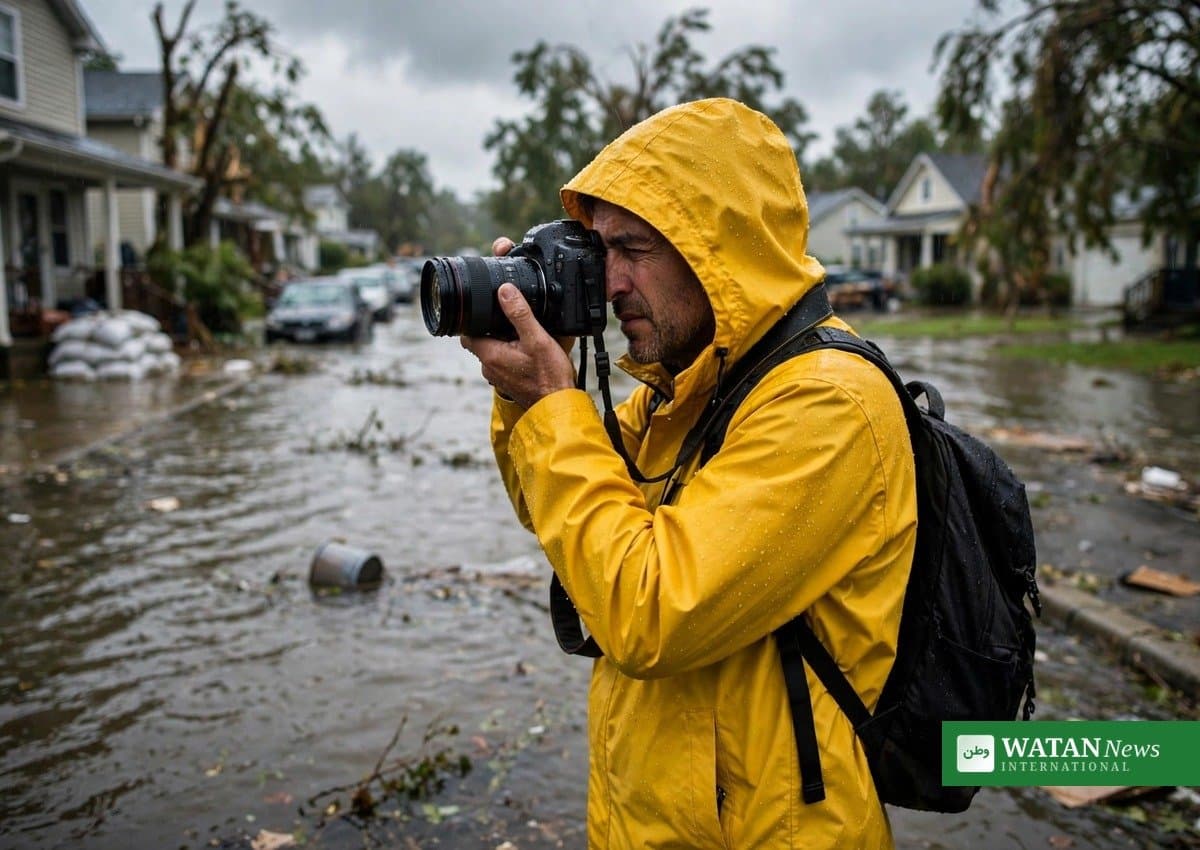
Climate change adds urgency. Heatwaves, wildfires and flooding already disrupt holidays and damage destinations, as shown by restoration work such as TUI Forest Mallorca’s award-winning climate adaptation project in Spain. More on the sector is available in Watan News climate coverage.
The three pillars
Competitiveness
The strategy backs tourism businesses, most of them small, with skills training, digital tools, easier access to funding and less red tape, so they can grow and offer higher-quality experiences.
Sustainability and resilience
Destinations will get shared tools and benchmarks to manage visitor flows, protect nature and heritage, encourage travel outside peak season and prepare for crises, from extreme weather to sudden shocks.
Destination Europe
A common branding framework will present Europe as a whole to travellers from outside the EU, complementing national brands and highlighting lesser-known places alongside famous ones. New European Capitals of Tourism awards will recognise destinations that promote sustainable, balanced and innovative tourism.
What happens next
The Commission plans to step up international cooperation, including a new cooperation framework with UN Tourism to be signed by the end of the year, work with the OECD, and tourism dialogues with Japan, India and the Gulf states. According to the Commissioner’s presentation, tourism is expected to benefit from an estimated €18 billion in EU support across the 2021–2027 programming period.
The strategy builds on earlier work, including the Transition Pathway for Tourism and the European Agenda for Tourism 2030, and delivers on the Commission’s 2026 Work Programme commitment. The Commission’s questions and answers clarify that the strategy does not harmonise national tourism laws; its tools and guidelines are for member states, regions and local authorities to use on a voluntary basis.
Industry reaction
European tourism bodies welcomed the strategy. ACI Europe, the hotel association HOTREC, the travel agents’ association ECTAA, the Greek Tourism Confederation and the Hellenic Chamber of Hotels expressed support, while setting out priorities including smoother border procedures, business competitiveness, improved connectivity, funding and destination management. Industry groups have warned that waiting times at border controls have reached up to five hours during peak periods.
FAKTA
- Presented: 4 November 2026 by the European Commission (COM(2026) 777 final).
- Close to 600 million international tourists visited the EU in 2025, almost 40 per cent of global arrivals.
- Tourism generates more than 10 per cent of EU value added, supports over 20 million jobs and five million businesses.
- 13 per cent of European regions account for 50 per cent of all overnight stays.
- Key tools due by 2027: EU Model for Tourism Management, Council Recommendation on Balanced Tourism, and an EU Toolbox for Balanced Tourism.