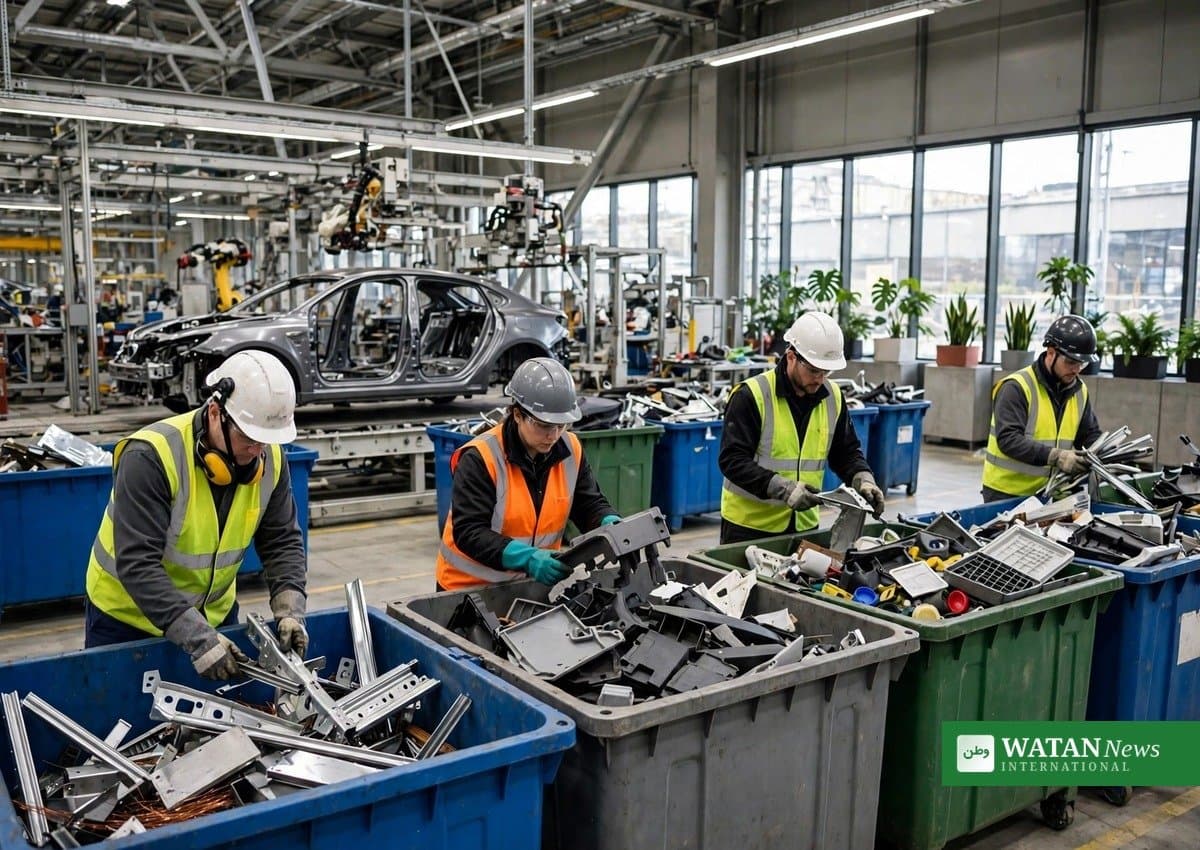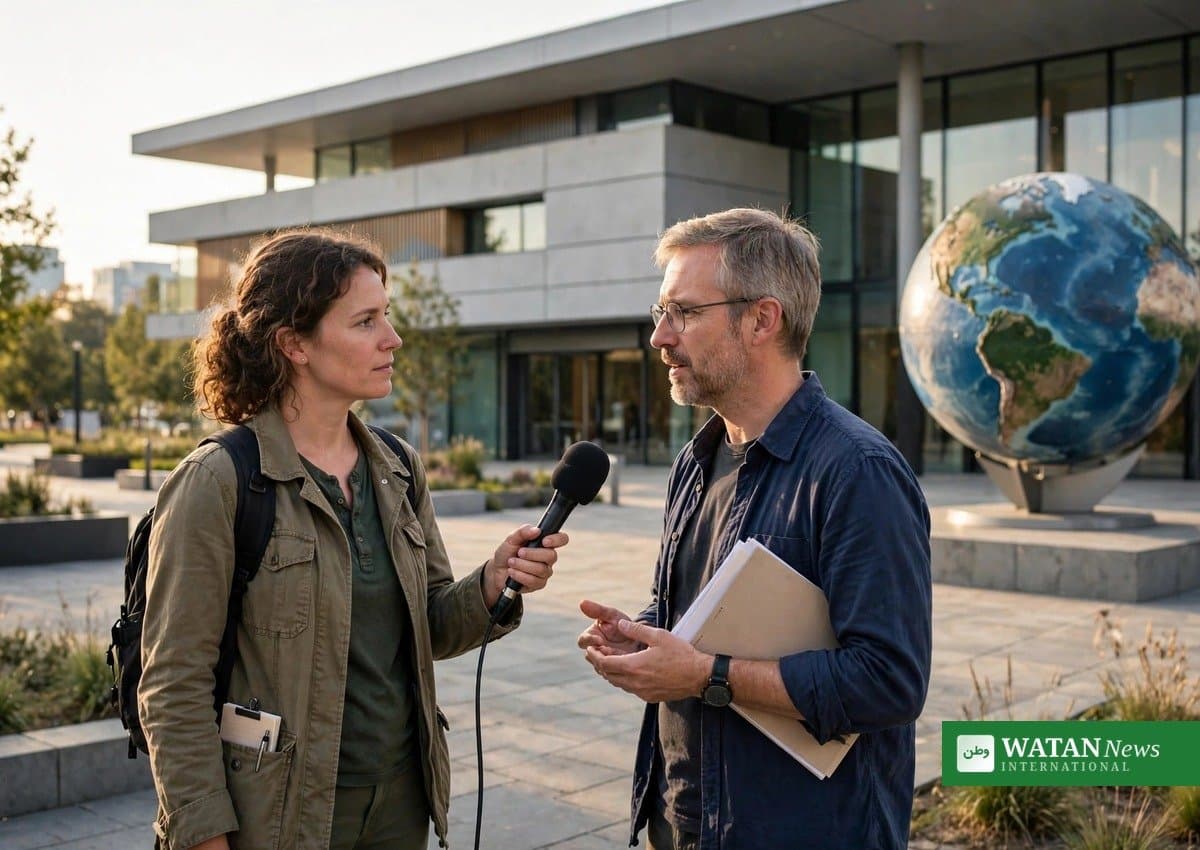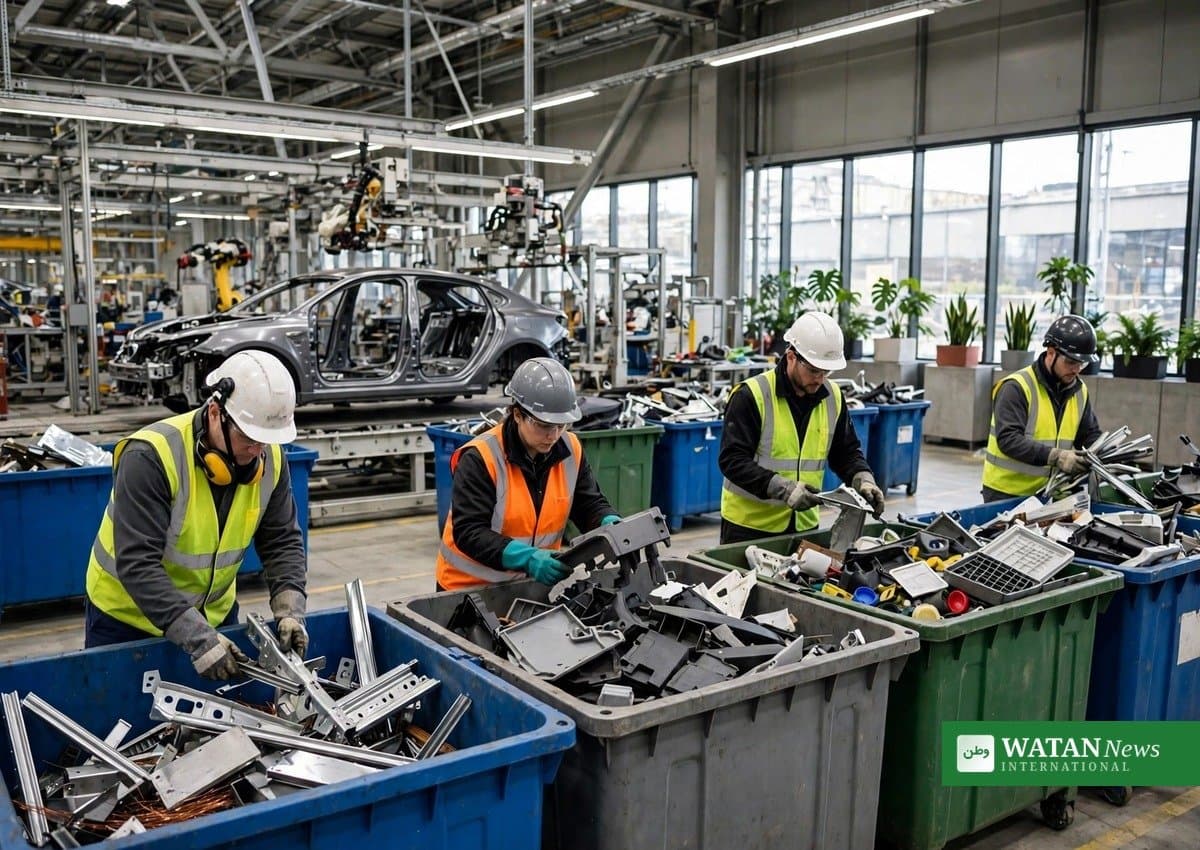
Ford zero waste 2028 is now the carmaker’s stated goal for its factories worldwide. In an update published on 21 October 2026, Ford senior environmental engineer Dan Esch said the company aims to achieve zero waste to landfill from manufacturing across its global operations by 2028, building on steady progress since 2022.
Ford reports 84 zero waste to landfill sites today, and says manufacturing waste disposal has fallen by almost 25 percent since 2022. The Ford zero waste 2028 push is therefore presented as the next step in a programme that already diverts most factory waste from landfill, rather than a promise starting from scratch.
Ford zero waste 2028: what the target covers
The target covers waste from manufacturing across Ford’s global operations: by 2028, no manufacturing waste should go to landfill. Ford’s sustainability reporting describes “true zero waste to landfill” as the standard, and its 2026 Integrated Sustainability and Financial Report records 84 zero waste to landfill sites, with 78 percent of manufacturing facilities already meeting the true zero waste standard.
The same report records a 25 percent reduction in waste disposed since 2022, matching the figure in the October update, alongside targets to cut waste generated from manufacturing by 5 percent and waste disposed by 20 percent by 2027 against a 2022 baseline, and to eliminate single-use plastics from operations.
Three sites lost their status, and the team changed tack
The road to the target has not been smooth. Three facilities lost their zero waste to landfill status last year, according to the October update. Ford’s sustainability team researched new options, added innovative recycling technologies and techniques, and created new partnerships to keep the company on track for its goals.
Not all waste is simple to recycle, Esch said. Most metals are fairly straightforward, but various plastics and manufacturing byproducts present recycling challenges, and the team has to find new ways to recycle some materials while also complying with regional waste laws. Production workers cannot be slowed down, so the team uses automation where it can, such as the scrap-metal collection and recycling process at Dearborn Stamping, and keeps manual tasks as simple as possible, for example by fitting backboards on recycling bins to avoid waste on the floor.
Beyond landfill: reuse across the supply chain
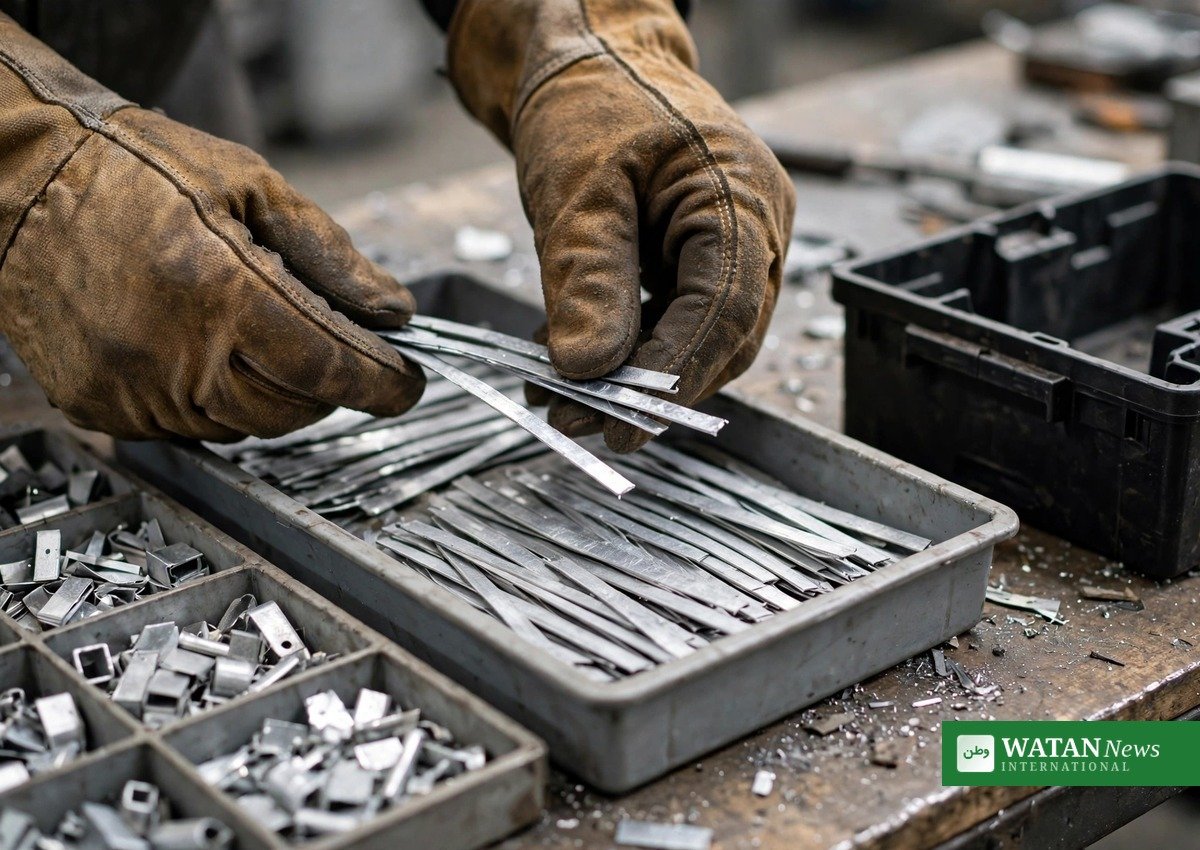
Zero waste to landfill is not the team’s only goal. Ford says it eventually wants to keep all waste out of the global supply chain through a rigorous reuse programme. At the Dearborn Truck Plant, research and environmental teams recycle spent rivet strips into battery trays, and another Ford facility donated scrap wood to a local Habitat for Humanity project, according to the update.
The approach matters beyond one company. Manufacturing waste is a major source of landfill and emissions, and a carmaker operating at Ford’s scale shows how reuse, recycling partnerships and factory-floor design can cut disposal even as production continues. Related coverage of circular manufacturing is available in South Africa joins 60 million dollar circular electronics programme.
Key facts
- Ford aims for zero waste to landfill from manufacturing across its global operations by 2028, according to its 21 October 2026 update.
- Ford reports 84 zero waste to landfill sites, with manufacturing waste disposal down almost 25 percent since 2022.
- Three facilities lost their zero waste status last year; new recycling technologies and partnerships were added in response.
- Metals are relatively straightforward to recycle; various plastics and manufacturing byproducts are the harder challenge.
- At Dearborn Truck Plant, spent rivet strips are recycled into battery trays; scrap wood was donated to Habitat for Humanity.