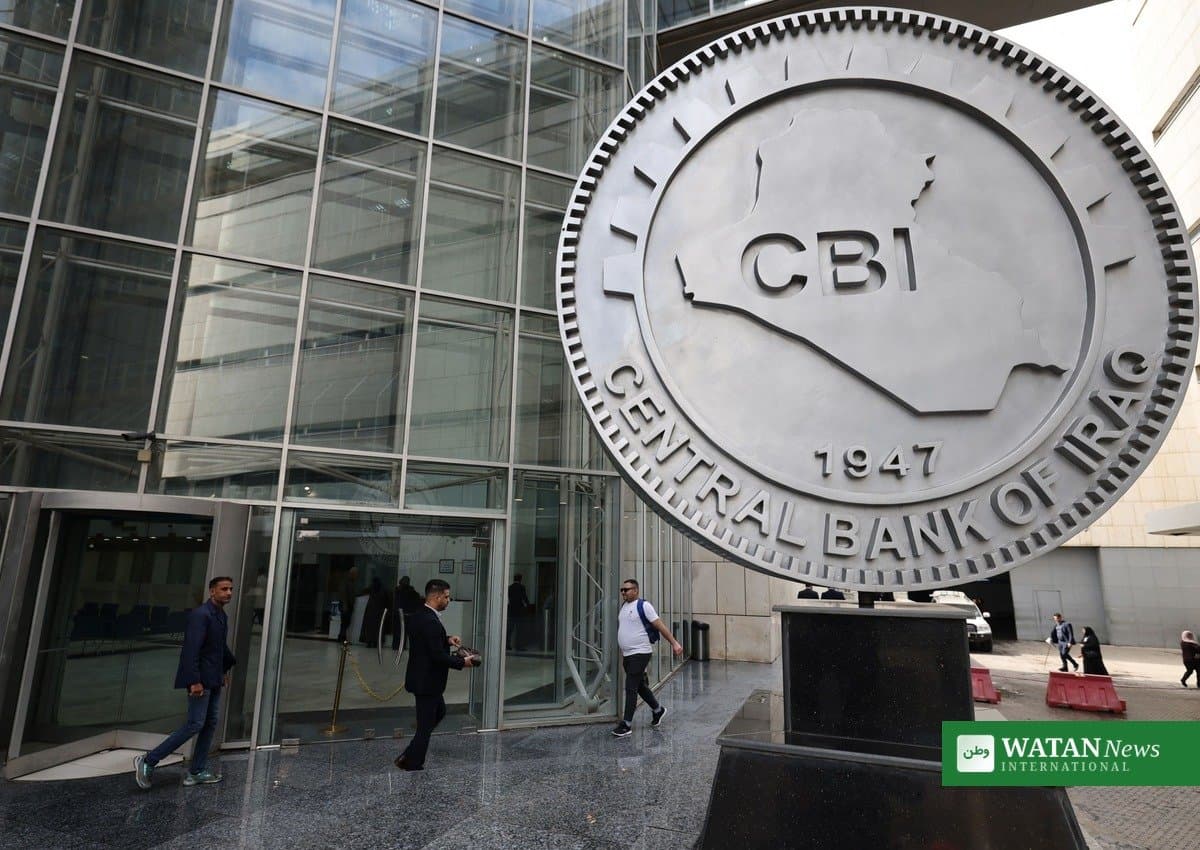
Iraq’s 14.5% dinar devaluation took effect on Wednesday, setting the official rate at 1,520 dinars to the US dollar, after the US-Israeli war on Iran disrupted oil exports through the Strait of Hormuz and slashed the government’s main source of revenue.
FAKTA
- What: Iraq cut the dinar’s official rate by about 14.5% to 1,520 dinars per US dollar.
- When: The cabinet adopted the new exchange-rate structure on Tuesday; it took effect on Wednesday, October 7.
- The new rates: The Finance Ministry’s purchase rate was set at 1,500 dinars per dollar, and the rate for sales by banks and non-bank financial institutions to end beneficiaries at 1,510 dinars per dollar.
- Why: Oil exports — the country’s biggest source of revenue — have been disrupted for months by the US-Israeli war on Iran and blockages in the Strait of Hormuz.
- Budget strain: The 2027 draft budget assumes $58 oil, projects spending of 217 trillion dinars (about $166 billion) and a deficit of more than 40 trillion dinars, with crude exports targeted at around 4 million barrels per day including Kurdistan shipments.
- Impact: The devaluation gives the government more dinars for each dollar of oil revenue, but raises import costs and cuts households’ purchasing power.
Why the Iraq dinar devaluation was needed
The cabinet adopted the new exchange-rate structure on Tuesday, with the changes taking effect Wednesday, according to a Council of Ministers decision and a Finance Ministry statement reported by Reuters. The Finance Ministry’s purchase rate was set at 1,500 dinars per dollar, and the rate for sales by banks and non-bank financial institutions to end beneficiaries at 1,510 dinars per dollar.
Iraqi analyst Mohammed al-Saffar told Reuters the devaluation was a fiscal response to the shock to Iraq’s oil revenues from the war on Iran and disrupted exports: it gives the government more dinars for each dollar of oil revenue, but raises import costs and reduces households’ purchasing power.
Baghdad had earlier considered weakening the dinar only to between 1,400 and 1,500 per dollar; the new 1,520 rate goes beyond that range, OilPrice reported.
Oil exports hammered by the war
Iraq has few alternatives to Hormuz for its crude exports. Shipments fell to about 2.34 million barrels per day in August, from more than 3.6 million barrels per day before the war, according to Reuters. Southern exports recovered to about 2.6 million barrels per day by late September but remained well below prewar levels.
Baghdad also cut prices aggressively to attract buyers. State marketer SOMO offered September crude at discounts of $15 to $20.80 per barrel below official selling prices, depending on destination. Trading house Vitol bought at least 25 million barrels of Iraqi crude for September loading, with buyers of the discounted barrels assuming the risks of transporting them through Hormuz.
The disruption has helped push international oil prices above $100 a barrel. Iraqi media outlets reported the dollar climbing above 1,600 dinars on the country’s parallel market earlier this week.
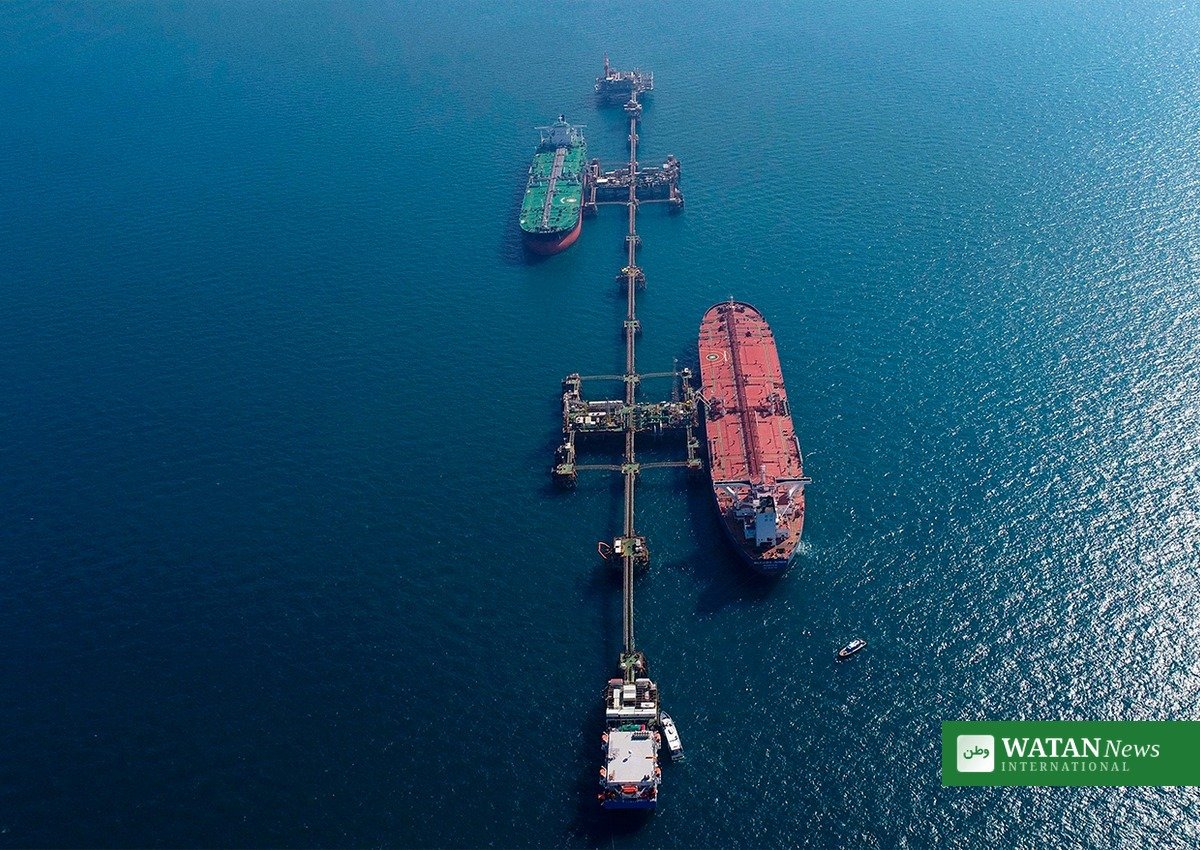
An Iraqi oil refinery. Crude shipments collapsed after the war on Iran disrupted shipping through the Strait of Hormuz. (Photo: Watan News)
What happens next
Iraq is building its 2027 budget around $58 oil and crude exports of around 4 million barrels per day, including shipments from the Kurdistan region, four members of parliament’s finance committee told Reuters. The draft calls for spending of 217 trillion dinars, equivalent to about $166 billion, and forecasts a deficit of more than 40 trillion dinars.
Baghdad is also seeking alternative transport routes after the disruption to Gulf crude exports. Earlier this month it began trucking southern crude north toward Kirkuk for export through Turkey’s Ceyhan port, though trial runs moved only a fraction of normal flows, OilPrice reported. Iran also began allowing some tankers carrying Iraqi crude through Hormuz in August after requests from Baghdad.
For more on the region’s economy, see the same story on Watan News’ main site.