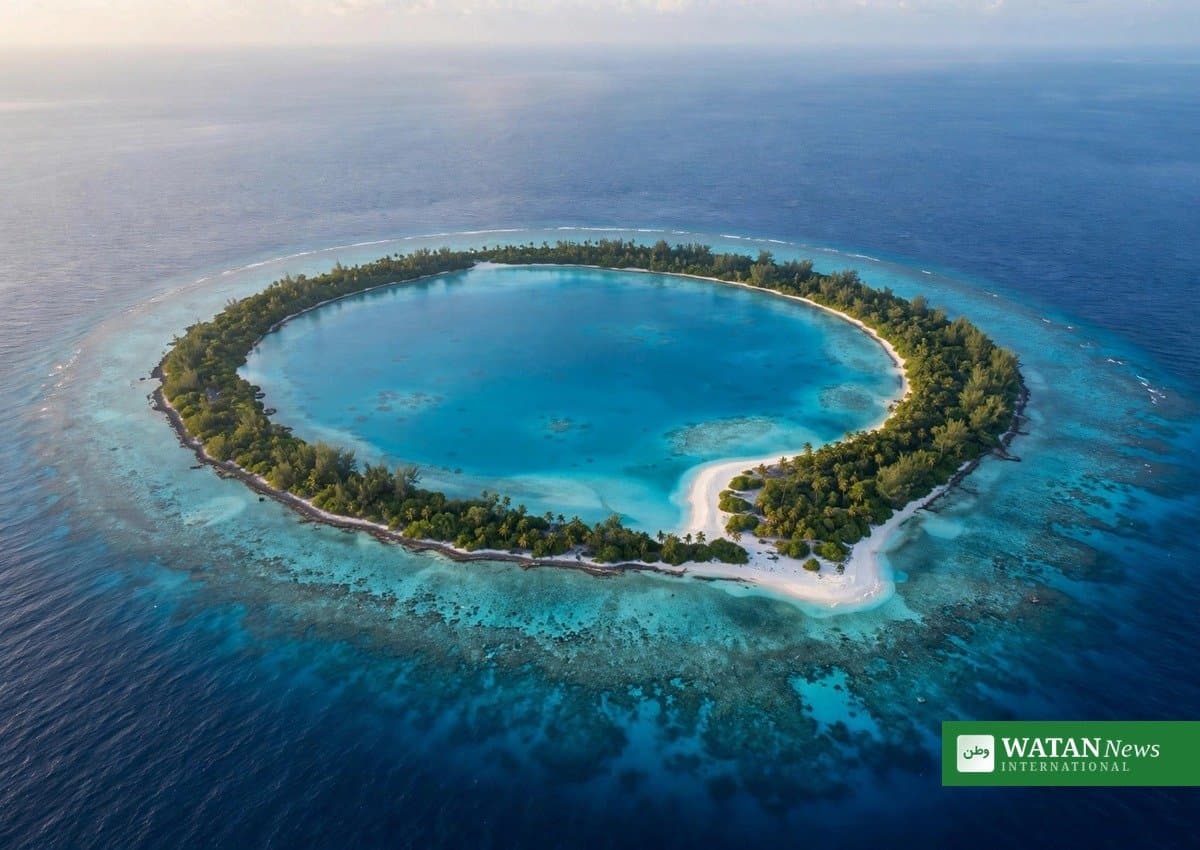
Island nations fighting rising seas secured a fresh injection of climate finance on Wednesday, when Fiji, Ireland, the Netherlands and Denmark pledged about $15 million to the Pacific Resilience Facility at the pre-COP ministerial meeting in Nadi, Fiji. The pledges move the island-owned fund forward, but it remains well short of the $500 million it aims to raise after COP31 wraps up in Türkiye in November.
FAKTA: The Pacific Resilience Facility pledges
- New pledges: About $15 million pledged on 7 October 2026 by Fiji, Ireland, the Netherlands and Denmark at the pre-COP meeting in Nadi, Fiji.
- The fund: The Pacific Resilience Facility (PRF) is owned by island governments and finances climate resilience and adaptation projects across the Pacific.
- The target: $500 million after COP31 in November 2026; the ultimate goal is $1.5 billion. The fund’s pot now holds slightly under $200 million.
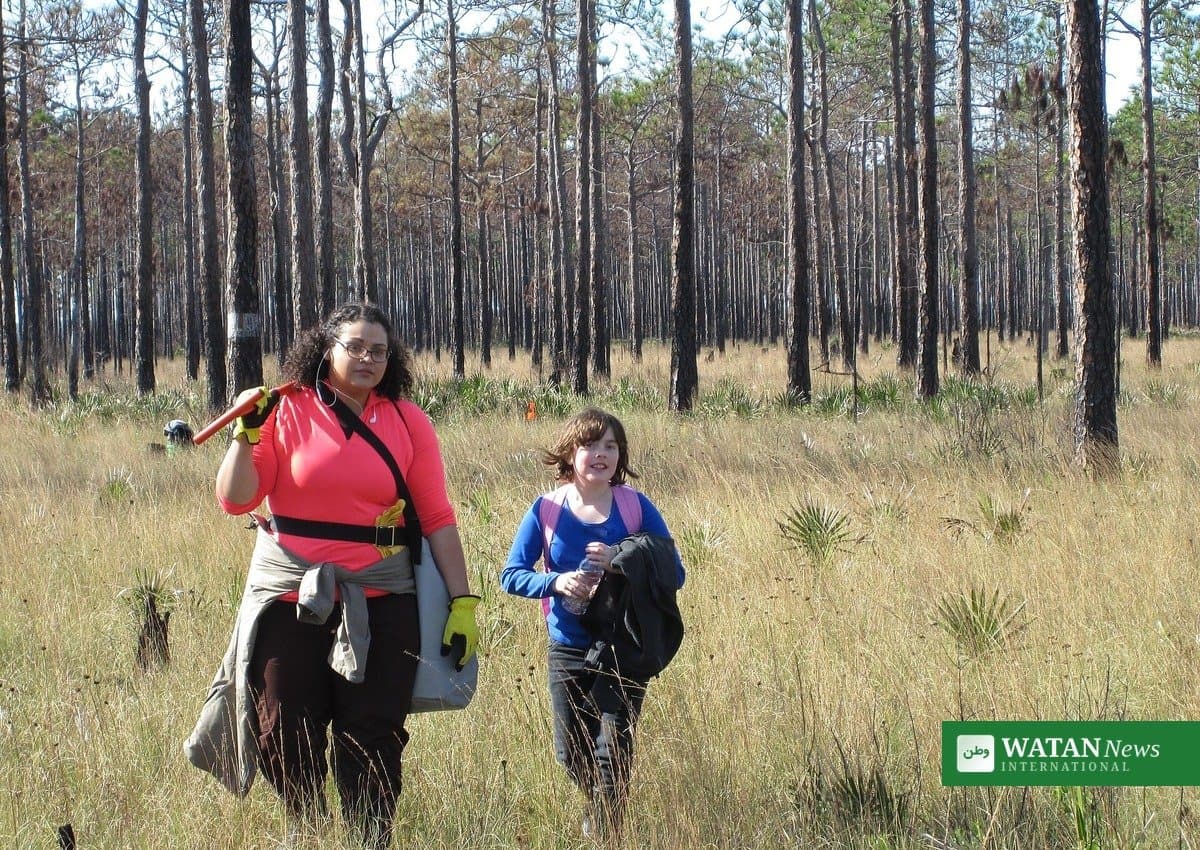
- How it works: The fund invests its capital and spends the earnings — a “small grants at scale” model — starting with projects such as a women’s taro patch in Palau and an aquifer restoration in Micronesia.
- What’s next: Pacific leaders will take the pledge drive to COP31, hoping more countries sign on.
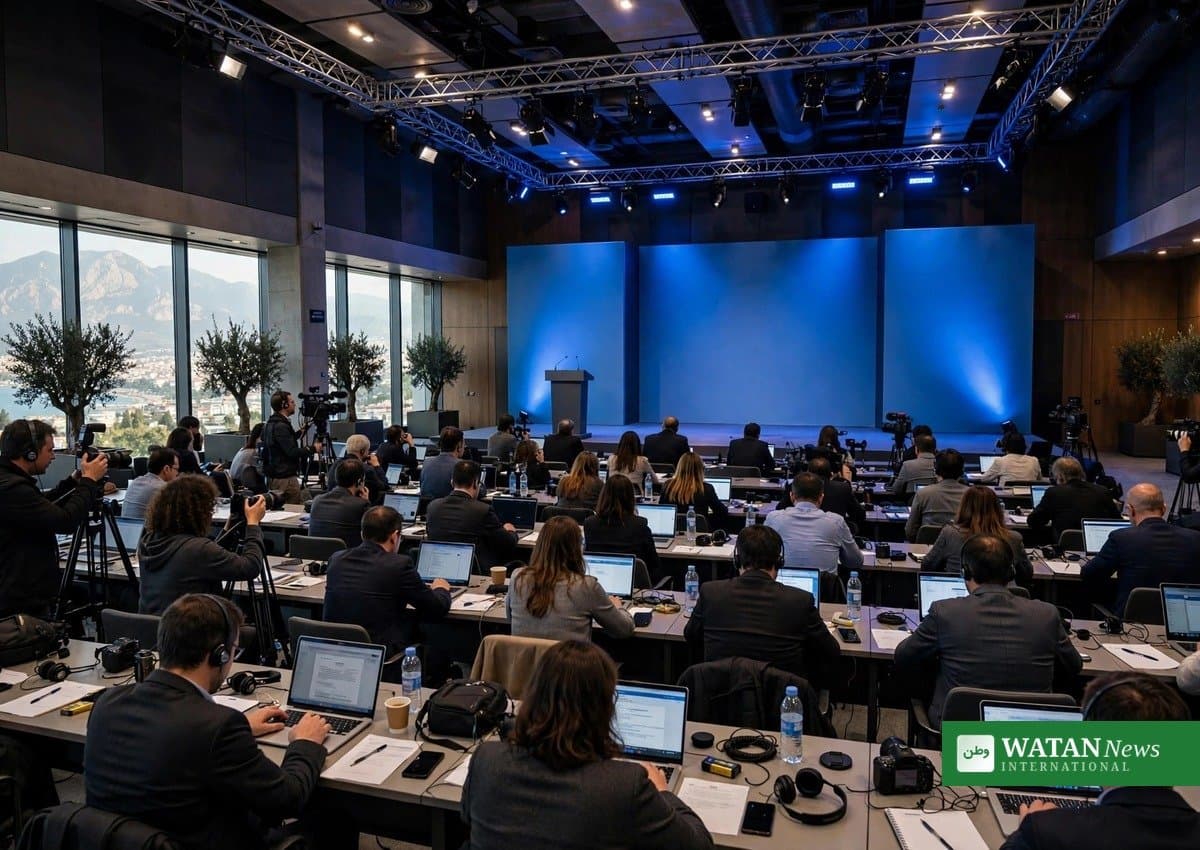
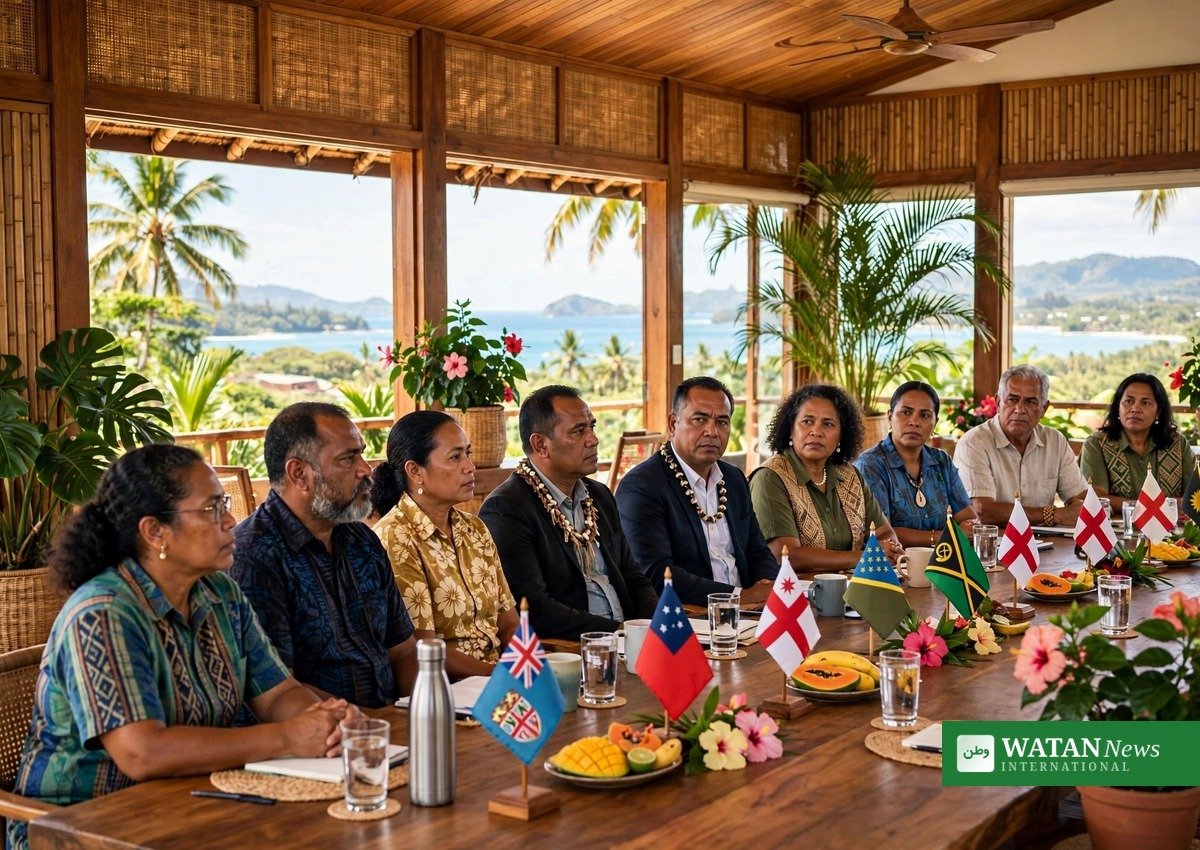
According to reports from the meeting, the pledges were announced at a gathering attended by ministers and officials from more than 50 countries — a final push by Pacific nations to lock their priorities into the global climate negotiations before COP31 begins in Türkiye in November.
Why the Pacific Resilience Facility matters
Pacific islands are among the countries most exposed to climate change, facing acute risks from rising seas and volatile weather. Island leaders say they struggle to access money from existing global climate funds — and argue that a fund they own and control can reach frontline communities faster.
“This is the moment to invest,” Mark Brown, the prime minister of the Cook Islands, told delegates. “Your investment buys us time.”
Small grants at scale
PRF chief executive Finau Soqo said the facility invests its capital and spends the earnings on projects — what she called a “small grants at scale” model. Its first two projects — restoration of a mangrove-fringed taro patch farmed by women in Palau and restoration of a World War Two-era aquifer in the Federated States of Micronesia — were funded in recent months, and 12 more projects have followed since. Over time, the fund hopes to attract private investors alongside government donors and eventually borrow on international markets by issuing its own bonds.
Roughly half of the money raised so far has come from Pacific island governments, New Zealand and Australia, according to the Pacific Islands Forum.
The road to COP31
The pledges came a day after representatives from around 30 countries visited the atoll nation of Tuvalu, where they saw white sand being dredged from the lagoon to create new land that can withstand ever higher tides.
“More is needed now,” Australian Prime Minister Anthony Albanese said. “Every investment now will make a difference and mean less cost of remediation tomorrow and in the future.”
Asked whether the fund could reach its $500 million goal during this year’s COP process, Fiji’s climate minister Lynda Tabuya said she was optimistic: “This will be our take to COP31, and we hope our global leaders will come on board to support us.”
Read more climate stories on Climate.