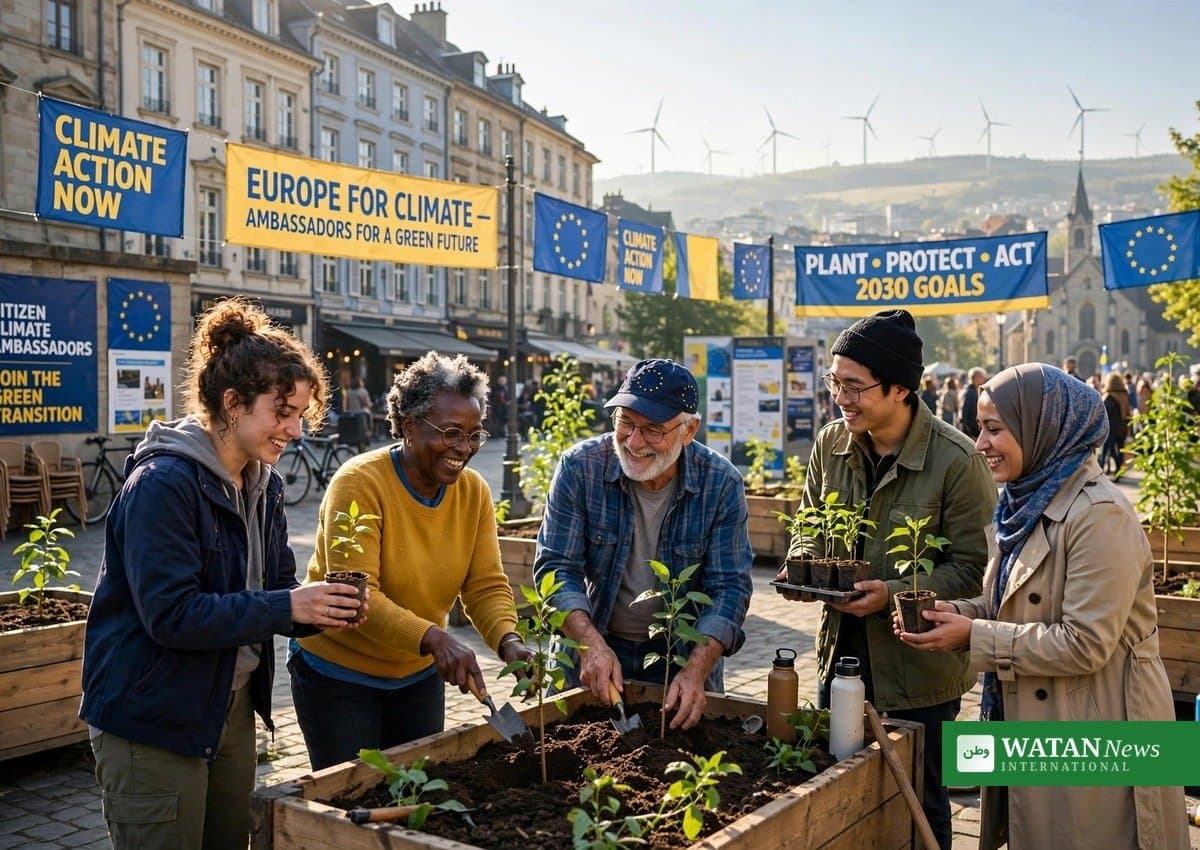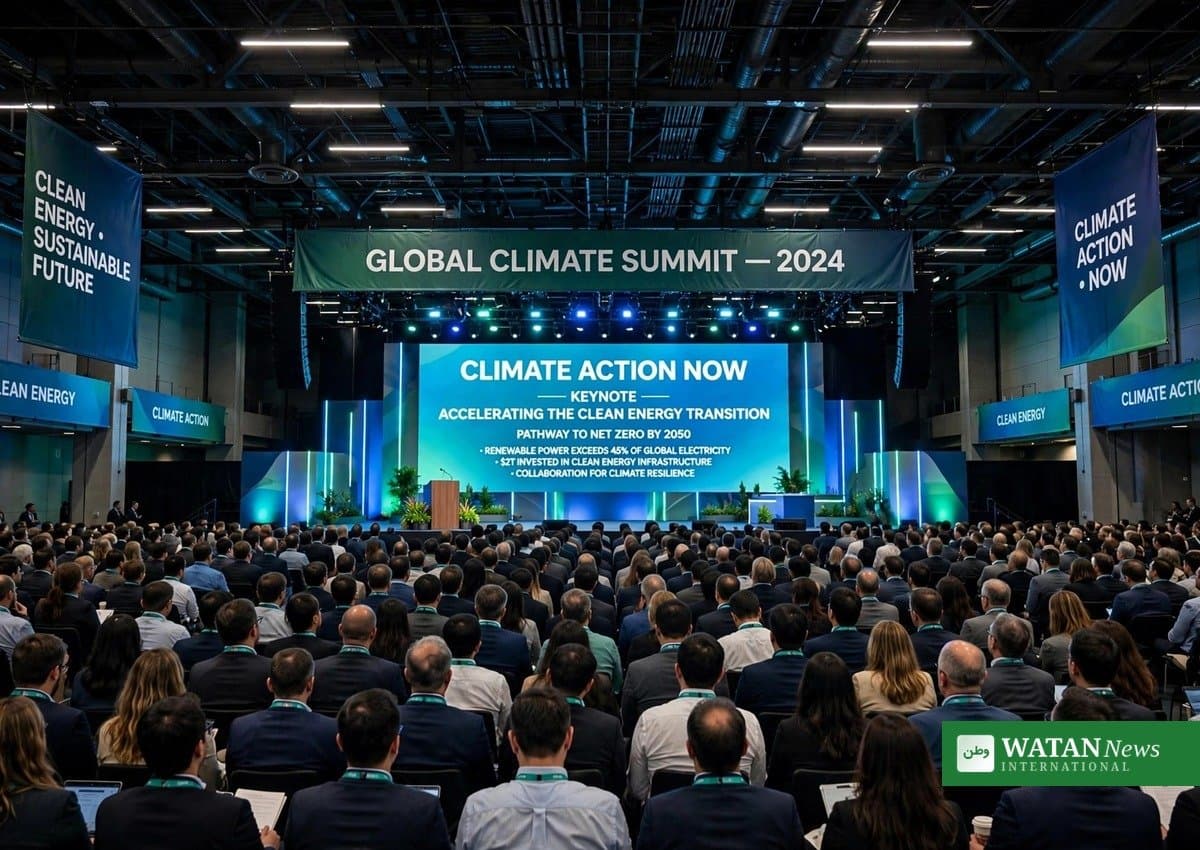

Climate pledges are cheap; results are not. That is why, from Kigali to Columbus to London, a growing number of organizations are handing out “climate champion” titles to the people, companies and communities that can prove they are turning climate promises into measurable action. This is an explainer article — not a breaking news story — introducing who the 2026 climate champions are and why their recognition matters.
Today, 8 October 2026, one of those celebrations takes place in Columbus, Ohio, where Power a Clean Future Ohio (PCFO) hosts its 2026 Clean Energy Champions Awards at The Ohio State University. The biennial event honors local leaders and communities that have cut carbon emissions equitably and put clean energy solutions to work. The keynote address will be delivered by former Washington Governor Jay Inslee, described by the organizers as a climate champion in his own right: across three terms he established Washington as a leading state for climate action, creating the Climate Commitment Act and nation-leading policies on 100% clean energy, clean buildings and clean transportation.
Who the 2026 climate champions are
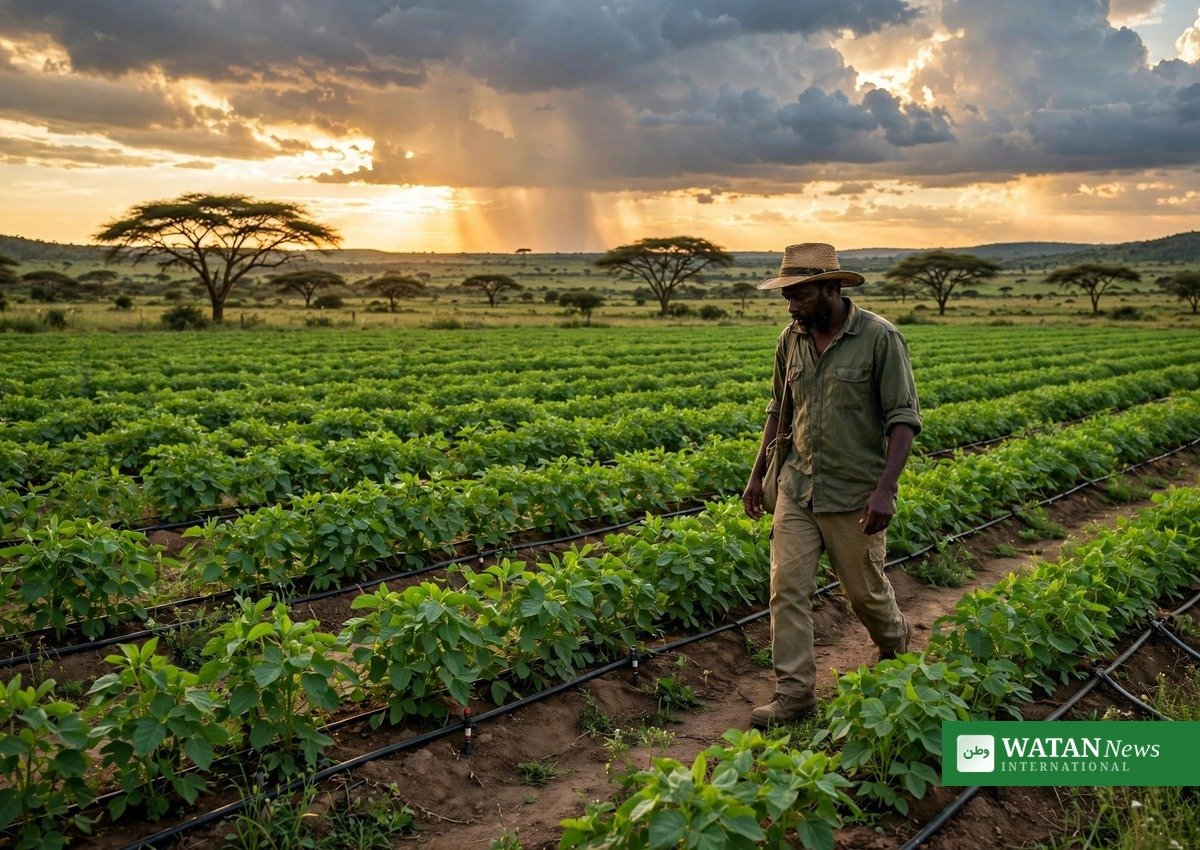
Africa produced one of the year’s most notable champions. On 3 September, at the Africa Food Systems Forum in Kigali, Rwanda, the Alliance for a Green Revolution in Africa (AGRA) named African Development Bank agriculture leader Dr. Martin Fregene a “Climate and Productivity Champion” as part of its In Your Hands Recognition Awards, which recognize governments, researchers, entrepreneurs, investors and farmers driving agricultural transformation.
Fregene, the officer in charge of the Bank’s Agriculture, Human and Social Development Vice Presidency, dedicated the award to his team. According to the African Development Bank, its Feed Africa Strategy and the Africa Emergency Food Production Facility have reached an estimated 60 million African farmers with improved agricultural technologies and contributed to an additional 100 million tons of food production over the past nine years. Its Technologies for African Agricultural Transformation (TAAT) programme — the main platform for scaling climate-adaptive agricultural technologies — has financed or facilitated proven technologies for 25 million farmers across 29 African countries.
The award also recognized Fregene’s scientific roots: he is a plant geneticist who developed the first molecular genetic map of cassava and introduced molecular-breeding approaches for the crop. At the ceremony, Gabriel Boc, Head for North and Central Africa at the Green Climate Fund, praised his role in translating agricultural research into large-scale programmes. The Bank’s former president, Dr. Akinwumi Adesina, publicly congratulated him on the recognition.
Award season for climate action
Business awards joined the list this autumn. On 25 September, Worldwide Fruit Limited was named Climate Champion of the Year at the 2026 FPC Fresh Awards at the JW Marriott Grosvenor House in London — an event that brings together around 750 people from the UK and international fresh produce industry and is often called the “Fresh Produce Oscars”.
The award recognized years of work to turn climate ambition into practical, measurable action across orchards and the wider grower network: instead of treating carbon, soil health, water, biodiversity, climate resilience and farm economics as separate issues, the company built an integrated, evidence-led approach to climate and regenerative agriculture with growers, agronomists, carbon specialists, retailers and research partners.
Cities and counties leading from below
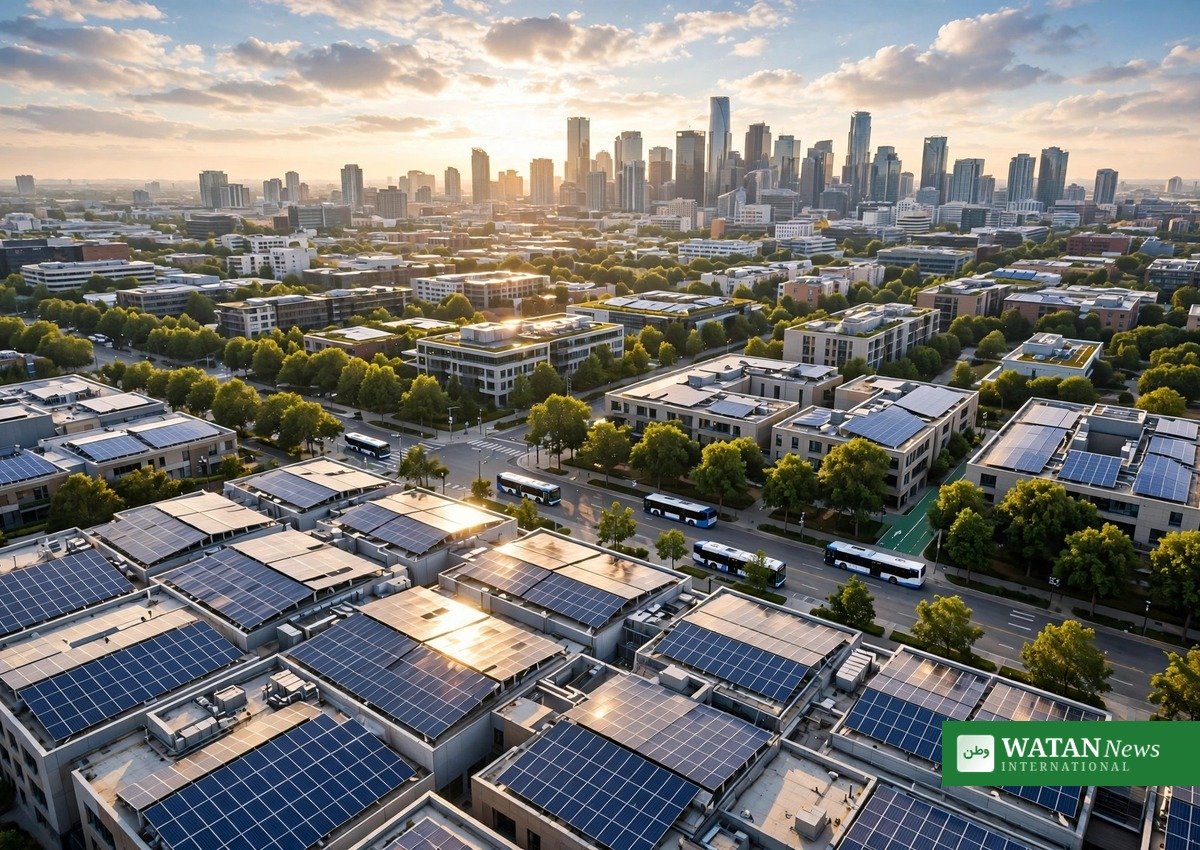
Local government champions are being counted by the hundreds. In Dane County, Wisconsin, County Executive Melissa Agard and the Office of Energy and Climate Change recognized 73 local entities as 2026 Dane County Climate Champions, with the county’s news release published on 9 September. The programme, launched in 2020, has now recognized more than 300 climate champions across the county.
The county’s Climate Action Plan sets the bar: cut countywide emissions in half by 2030 and reach countywide carbon neutrality by 2050. This year’s champions show what that looks like in practice. The City of Fitchburg earned Building Design recognition for its new Police Services Facility, designed with rooftop solar, geothermal heating and cooling and energy efficiency measures, plus Renewable Energy recognition for its Public Works Maintenance Garage, which runs on rooftop and utility-supplied solar. The Madison Metropolitan Sewerage District earned four awards, including 3-Star and 4-Star ratings for renewable energy use. Everlight Solar was named a 2026 Fleet champion after operating 14 electric vehicles and converting a growing share of its fleet to clean energy. And Sustain Verona, a community group, raised more than $115,000 from 98 local donors to help fund a large solar array for the new high school, planned for summer 2027.
In California, the City of San José announced its 2026 Climate Smart Champion Awards on 23 June, honoring advocates and organizations for clean energy, bike infrastructure, youth engagement and water conservation — including Cisco for major greenhouse gas reductions and renewable electricity sourcing.
The UN’s official climate champions
Above the city and company awards sits the official system: the UNFCCC’s High-Level Champions, appointed to mobilize businesses, investors, cities and civil society behind the Paris Agreement through the Marrakech Partnership and initiatives such as Race to Zero and Race to Resilience. For the COP31 cycle, the champion is Samed Ağırbaş of Türkiye, who launched the Istanbul Platform: Zero Waste Package for Climate Action — a framework for waste prevention, the circular economy and methane reduction. Its Global Zero Waste Districts aim to help cities divert 70 percent of waste from landfill by 2030 and 90 percent by 2040.
Why the climate champion title matters
Awards alone do not cut emissions — but recognition with rules does something real. Every credible climate champion programme ties the title to evidence: measured emissions cuts, installed clean energy, farmers reached, waste diverted. Dane County’s star ratings reward verified progress; AGRA’s awards reward technology that reached 25 million farmers; the FPC award rewards years of documented work across a supply chain.
For the public, the title is a filter: behind the green claims, these are the people and organizations that can show the numbers. And as the 2026 Clean Energy Champions Awards get underway in Columbus today, the message from organizers is that climate leadership is no longer confined to national governments — it is being earned, city by city and company by company, every day.
FAKTA
- Power a Clean Future Ohio hosts its 2026 Clean Energy Champions Awards on 8 October 2026 at The Ohio State University, Columbus; former Washington Governor Jay Inslee delivers the keynote.
- Dr. Martin Fregene of the African Development Bank was named a Climate and Productivity Champion by AGRA on 3 September 2026 in Kigali; the Bank’s Feed Africa work has reached about 60 million farmers.
- Worldwide Fruit was named Climate Champion of the Year at the 2026 FPC Fresh Awards in London on 25 September.
- Dane County, Wisconsin, named 73 local entities as 2026 Climate Champions; the programme has recognized more than 300 champions since 2020. County goal: halve emissions by 2030, carbon neutrality by 2050.
- COP31’s Climate High-Level Champion Samed Ağırbaş launched the Istanbul Platform: Zero Waste Package for Climate Action, targeting 70% landfill diversion by 2030.
- This is an explainer article profiling climate champion recognition programmes — not a breaking news story.
Read more of Watan News’ climate coverage in our climate section.