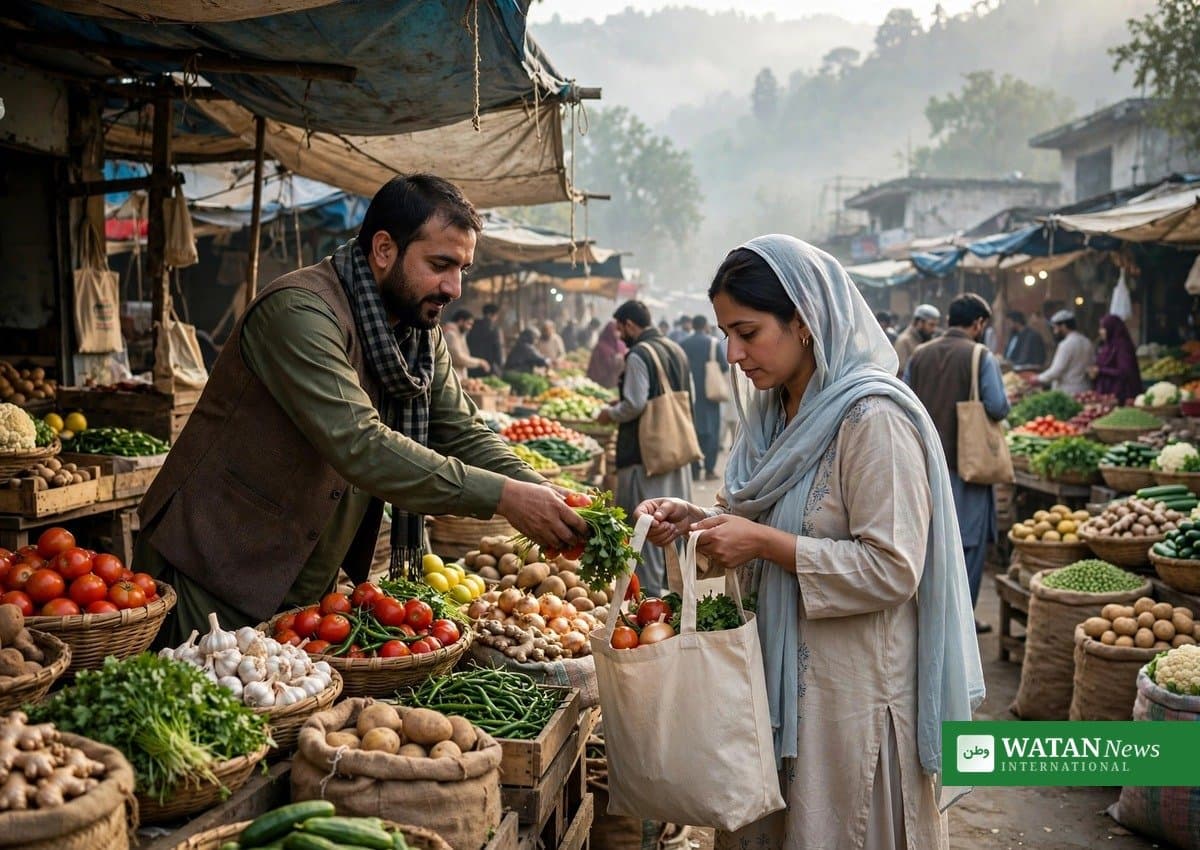
Islamabad’s district administration has sharply intensified its campaign for a plastic-free Islamabad, arresting 122 people, seizing 293 kilograms of polythene bags and sealing seven shops in a citywide enforcement drive against banned single-use plastics. The action, carried out under the Single-Use Plastics Prohibition Regulations 2023, marks the administration’s toughest push yet to end the use, sale and distribution of polythene bags in the federal capital.
Deputy Commissioner Islamabad Irfan Memon said the objective of the ban is to reduce environmental pollution and protect the natural environment. He noted that plastic bags cause long-term pollution on land, in waterways and across urban areas, while discarded bags also block drains and create sanitation challenges. Memon appealed to shopkeepers to stop selling and providing polythene bags and switch to environmentally friendly alternatives, calling the effort a shared responsibility for a clean and green Islamabad. Read this story on watannews.dk.
FAKTA
- Enforcement tally: 122 arrests, 293 kg of polythene bags seized, 7 shops sealed in a citywide drive.
- Legal basis: Single-Use Plastics Prohibition Regulations 2023; use, sale and distribution of polythene bags are completely banned in Islamabad.
- Leading the drive: Deputy Commissioner Islamabad Irfan Memon.
- Field action: Assistant commissioners conducted inspections across subdivisions for a second consecutive day; AC Nilore arrested 15 people and AC Rural arrested 22.
- History: Islamabad’s first polythene bag ban was launched on August 14, 2019, with fines of up to Rs5,000 for buyers and sellers.
- Scale of the problem: Pakistan produced around 55 billion polythene bags a year, according to official estimates cited in 2019.
A two-day enforcement sweep across the capital
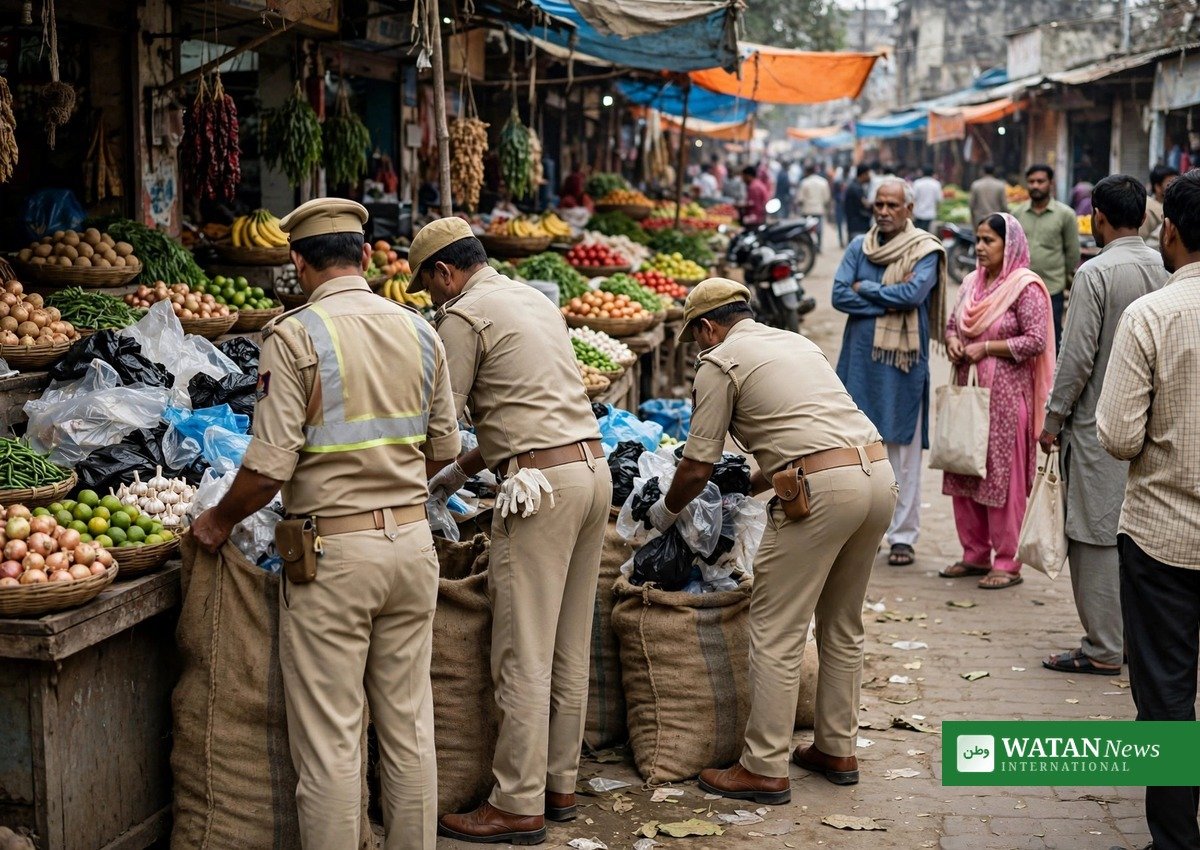
The district administration continued its anti-polythene campaign for a second consecutive day, with assistant commissioners carrying out inspections in different areas and confiscating 293 kilograms of plastic bags. Authorities also sealed seven shops for repeatedly violating the ban. Enforcement actions were carried out across multiple subdivisions of Islamabad, with AC Nilore arresting 15 individuals and AC Rural arresting 22 people for violating the ban.
Seven years since the first ban
Islamabad’s fight against plastic bags began on August 14, 2019, when the district administration banned all kinds of plastics in the federal capital as part of the larger Clean and Green Pakistan campaign. At the time, officials announced an implementation mechanism under which anyone buying or selling plastic bags could be fined up to Rs5,000.
The 2019 drive divided the city into seven zones to monitor the sale and use of plastic bags, and officials said around 60 per cent of markets cooperated with the campaign. But resistance followed: some vendors obtained stay orders from the high court against the policy, and enforcement faded over time. The October 2026 crackdown signals that the administration is now applying the Single-Use Plastics Prohibition Regulations 2023 with far greater force.
The affordability gap on the road to a plastic-free Islamabad
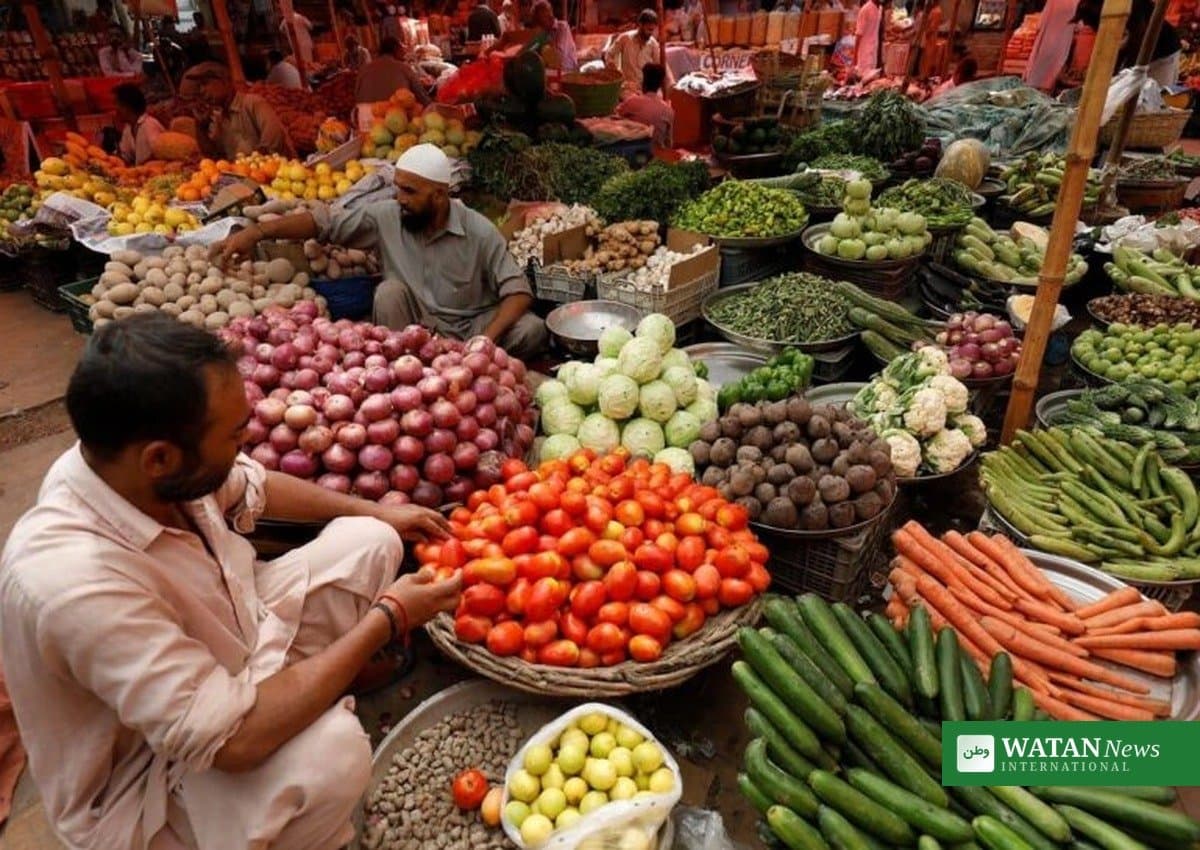
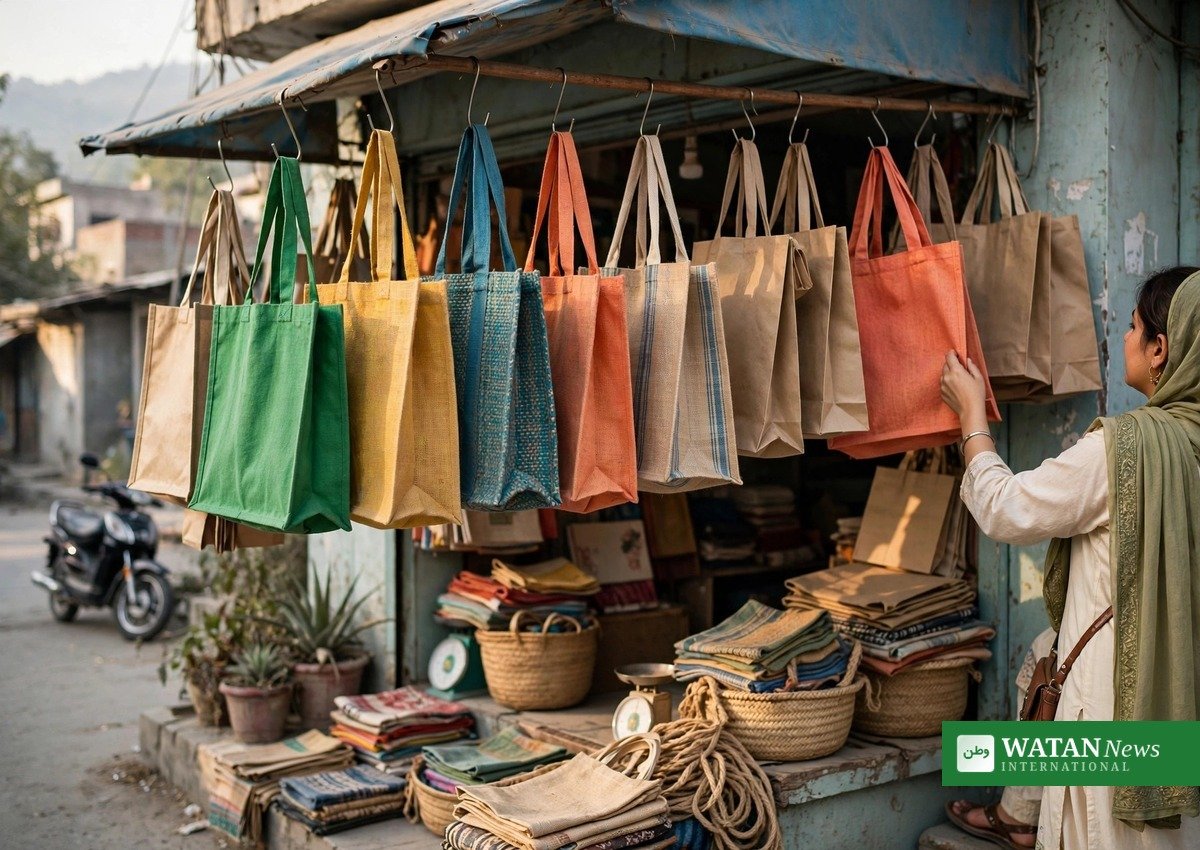
One reason polythene bags keep returning to the market is the cost and convenience of alternatives. Paper and cloth bags are more expensive to produce and buy, and small businesses operating on thin margins often fall back on the cheapest option. Pakistan’s Environmental Protection Agency has long acknowledged that non-degradable plastic bags are a major challenge to regulate, in part because only a handful of bag manufacturing units were ever formally registered in the capital.
Experience from earlier phases of the ban shows the same tension. An eatery manager who switched to strong paper bags years ago noted that they cost more, while adding that “this ban is good for the environment and our health.” For the current crackdown to change habits rather than just generate arrests, affordable reusable bags must be within reach of ordinary shoppers and small retailers alike.
Beyond shopping bags: CDA targets plastic billboards
The push against single-use plastics extends beyond shopping bags. The Capital Development Authority (CDA), under Chairman Muhammad Ali Randhawa, is phasing out plastic billboards, panaflex and banners across Islamabad in favour of eco-friendly digital streamers. Digital advertising screens are being installed on major highways, commercial zones and at metro and electric bus stations, while authorities take strict legal action against wall chalking.
The billboard decision, taken at CDA headquarters, reflects the same logic as the polythene ban: cutting plastic waste at the source while modernising the city’s infrastructure.
Conclusion
Islamabad’s renewed plastic-free push puts the city’s everyday habits under real scrutiny. The October crackdown — 122 arrests, nearly 300 kilograms of bags seized and seven shops sealed — shows the administration is serious about enforcing the 2023 regulations. But the history of the 2019 ban is a reminder that arrests alone do not end plastic use: affordable alternatives, consistent enforcement across all zones and genuine public cooperation will decide whether this drive finally turns the capital’s plastic habits around. More world news on Watan News.