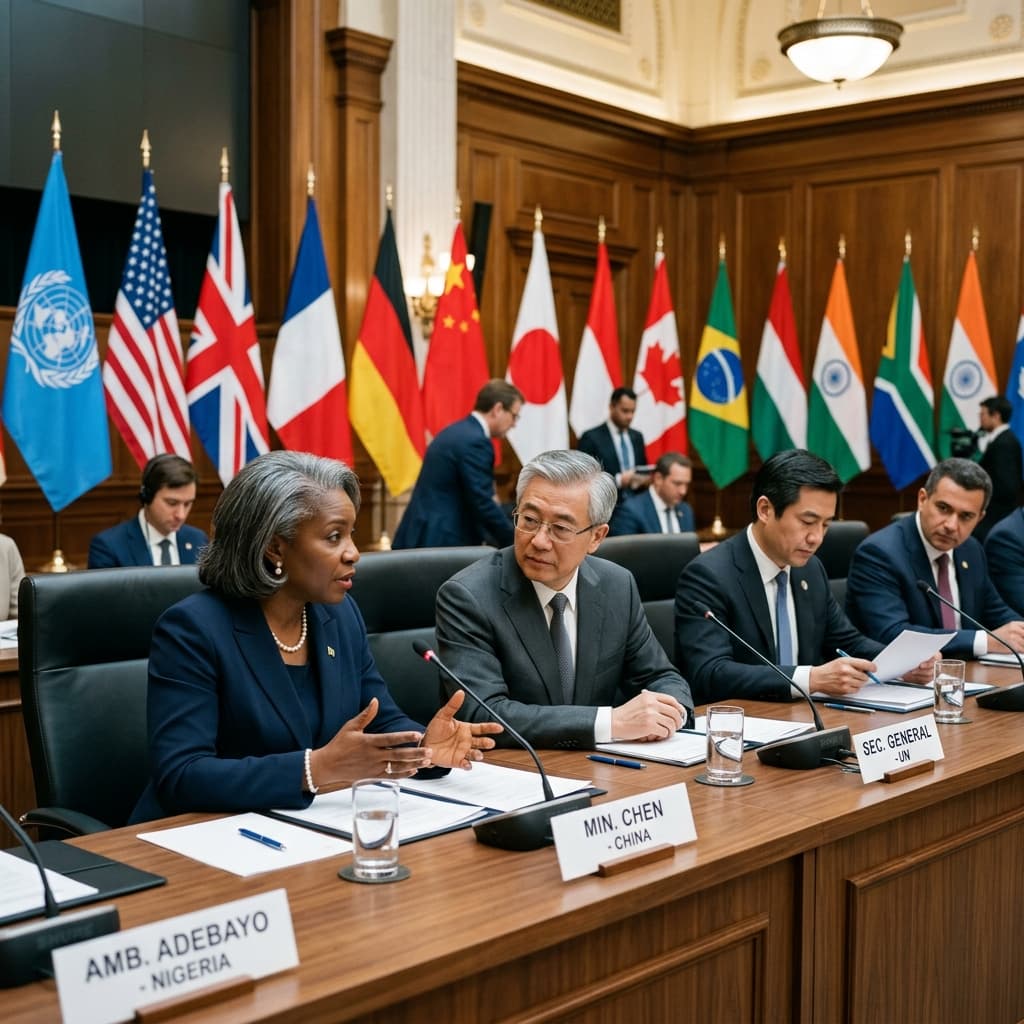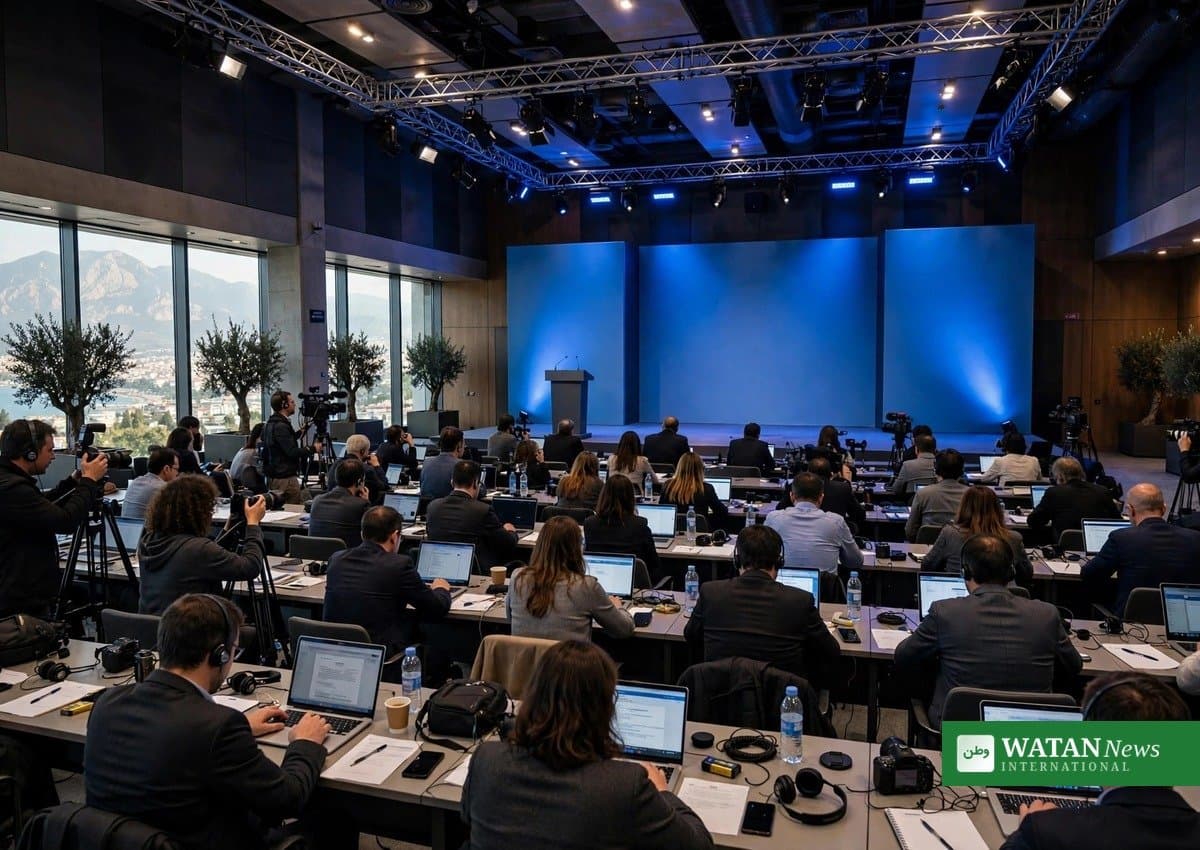
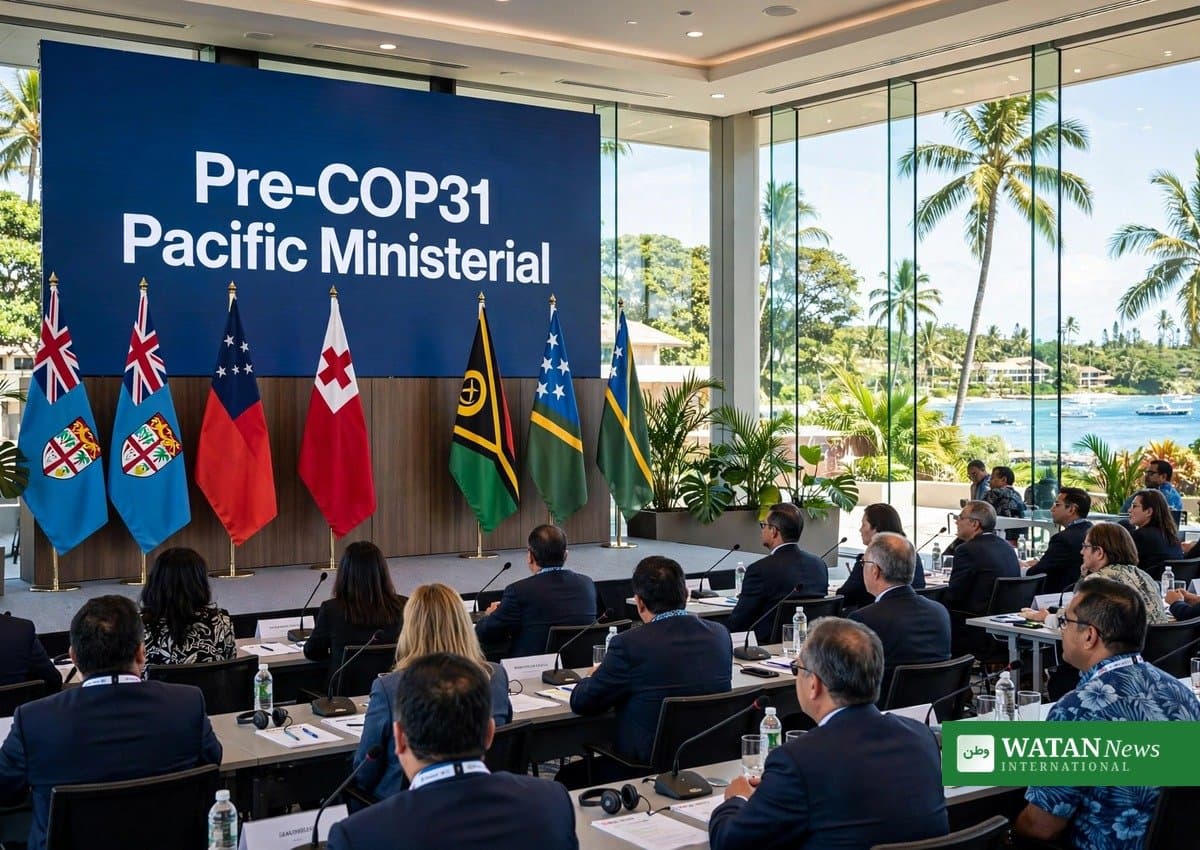
Climate diplomacy has moved to the Pacific. The official UNFCCC pre-COP31 ministerial meeting and leaders’ event opened in Fiji on Monday, 5 October, bringing ministers, negotiators and leaders from the Pacific and beyond to Nadi for four days of talks aimed at building momentum — and narrowing differences — ahead of COP31 in Antalya, Türkiye.
Fiji is hosting the core ministerial sessions, while Tuvalu hosts a special high-level leaders’ segment. The two countries are delivering the event in partnership with Australia, which holds the presidency of the negotiations, and the UNFCCC secretariat.
The arrangement follows the joint Australia-Pacific bid to host COP31, which was awarded to Türkiye; under the compromise, the Pacific hosts the pre-COP instead, according to RNZ Pacific.
What is on the table in Nadi
About 36 ministerial-level representatives are expected at the pre-COP discussions, including most Pacific leaders and France, according to The Climate Watch. Fiji’s Permanent Secretary for Environment, Dr Sivendra Michael, has said the meeting is primarily aimed at building consensus and narrowing differences before the main UN climate conference, with issues that can be settled at officials’ level resolved during pre-COP and the most politically sensitive ones elevated to ministers.
Three issues left unresolved in earlier negotiations are expected back on the table: response measures on trade, the Mitigation Work Programme and the Global Goal on Adaptation, The Climate Watch reports.
The pre-COP follows the Pacific Small Island Developing States (PSIDS) pre-COP31 meeting, held from 30 September to 2 October at the Tanoa International Hotel in Nadi and facilitated by the Secretariat of the Pacific Regional Environment Programme (SPREP), with support from Climate Analytics and OneCROP. Delegates there reviewed the Pacific’s thematic priorities and how issues have advanced since COP30 in Belém, Brazil, last year, according to PINA.
FAKTA
- Event: Official UNFCCC pre-COP31 ministerial meeting and leaders’ event, 5–8 October 2026.
- Hosts: Fiji (ministerial sessions), Tuvalu (leaders’ segment), in partnership with Australia (president of negotiations) and the UNFCCC.
- Preceded by: PSIDS pre-COP31 meeting, 30 September–2 October, Nadi, facilitated by SPREP.
- Expected: About 36 ministerial-level representatives, including most Pacific leaders and France (The Climate Watch).
- Key agenda items: Climate finance, response measures on trade, the Mitigation Work Programme, the Global Goal on Adaptation and keeping the 1.5°C goal alive.
- Next milestones: COY21 in Antalya, 5–7 November; COP31 in Antalya, 9–20 November; World Leaders Summit, 11–12 November (UNFCCC 2026 preparations).
Rabuka: finance now, “as an act of justice, not charity”
Fiji’s Prime Minister Sitiveni Rabuka addressed an interfaith church service in Nadi on Sunday, ahead of the talks. Regional leaders, ministers, diplomats, faith leaders, youth, civil society organisations, NGOs, community members and children gathered for the service, according to a Fijian government news release, with prayers and performances reflecting the realities of Pacific people already living with worsening climate impacts.
Rabuka called on the leaders coming to the country to see and listen to the people on the climate front lines. Climate finance, he said, must reach the communities that need it — “not someday, but now, and as an act of justice, not charity”.
“The Pacific is waiting for a Jubilee. We carry a burden we did not create,” he said, as reported by RNZ Pacific.
Tuvalu puts the front line on display
Tuvalu will host leaders and representatives from across the globe for the special high-level segment of the pre-COP31, where they will witness firsthand the impact of climate change — and adaptation solutions — on the atoll nation, one of the countries most exposed to the accelerating effects of climate change, according to PINA.
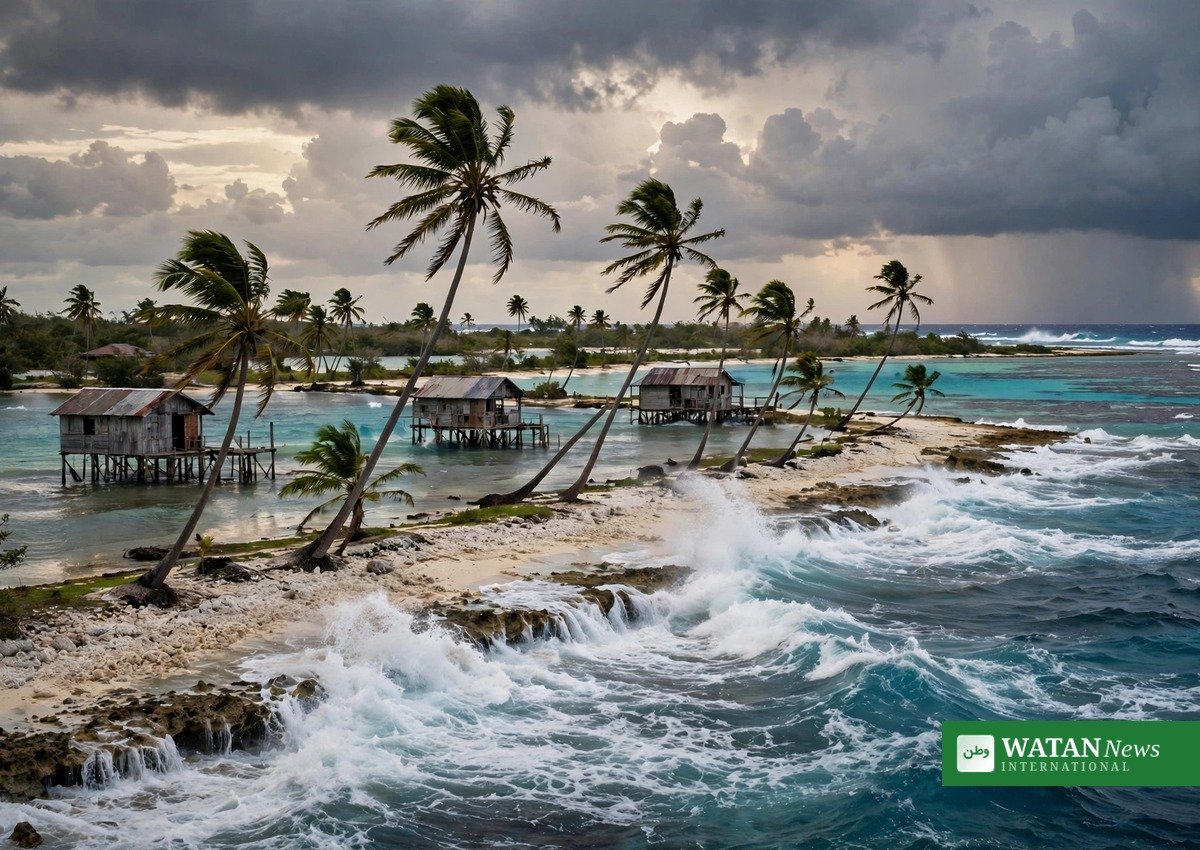
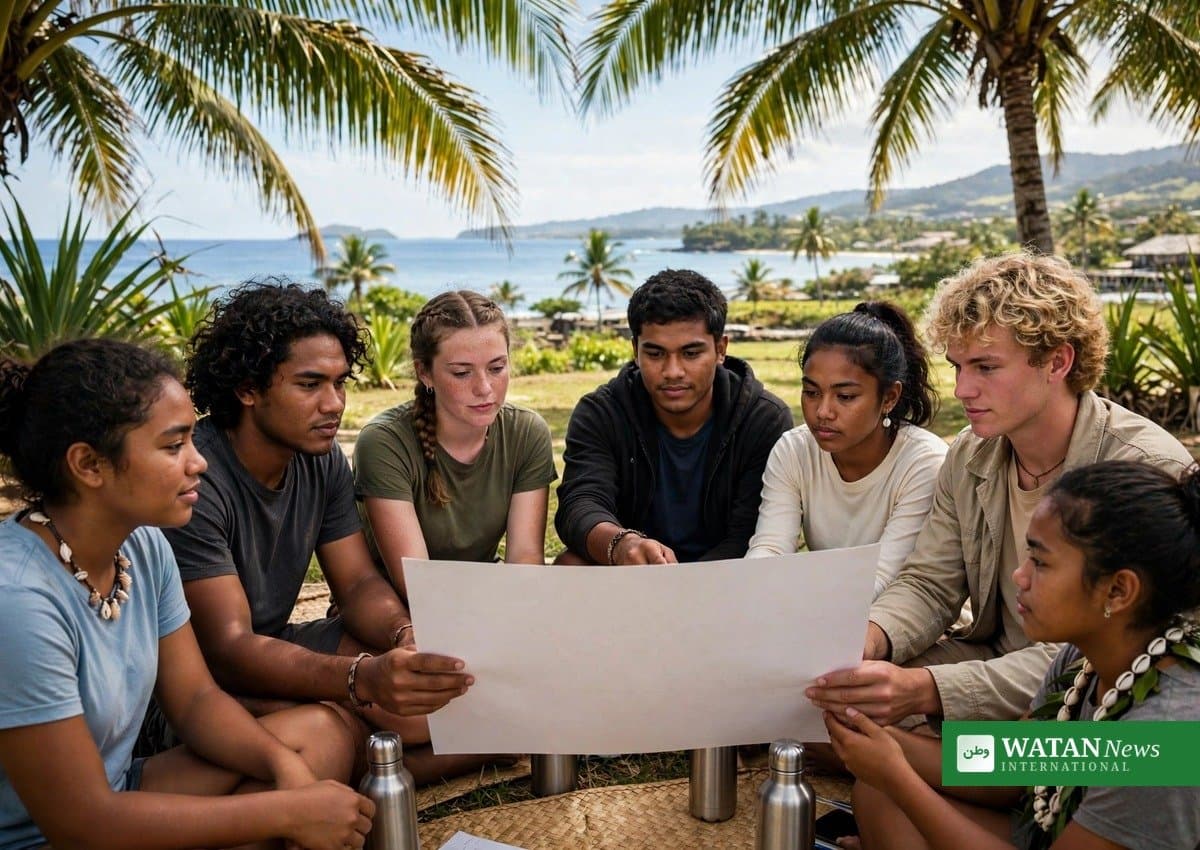
Tuvalu’s low-lying atolls are on the front line of rising seas — the host of the pre-COP31 leaders’ segment this week. (Illustrative image)
In Fiji, leaders will convene for a pre-COP31 plenary. The events in Fiji and Tuvalu are designed to profile the critical climate priorities of Small Island Developing States and Pacific leadership with broad resonance for the global community, PINA reports.
Palau asks major emitters for an apology
Palau’s climate change coordinator Xavier Matsutaro told Pasifika TV, ahead of the meeting, that it is time for major greenhouse gas emitters to begin “the healing process” by apologising for causing loss and damage.
“I think when harm is caused from human to human, from person to person, the appropriate thing to start with is an apology,” he said. “Then when the resource, when the means to address it, comes, then it will be much more meaningful.”
“A defining moment for humanity”
SPREP’s Director of Climate Change Resilience, Tagaloa Cooper, told delegates in Nadi that the preparatory work is about survival: “COP31 in Türkiye will be a defining moment for humanity, and for the survival of our Pacific communities.”
Fiji’s Minister for Information, Environment and Climate Change, Lynda Tabuya, speaking recently at the UN General Assembly, said global climate negotiations must now deliver practical results for communities on the front line: “For Fiji, climate action must mean safer homes, stronger roads and infrastructure, protected coastlines, secure water and livelihoods, and communities better prepared for stronger climate impacts. Our people cannot live on climate promises. They need climate action they can see and feel in their communities.”
What happens next
The pre-COP runs through 8 October. It is followed by the Conference of Children and Youth on Climate Change (COY21) in Antalya from 5 to 7 November, and then COP31 itself, from 9 to 20 November, with a World Leaders Summit on 11–12 November, according to the UNFCCC’s 2026 preparations.
Sources: PINA; RNZ Pacific via Asia Pacific Report; The Climate Watch; University of Melbourne COP31 briefing.