
A September 2026 KFF Health Tracking Poll, released on October 6, finds that two-thirds (66%) of Americans favor a national health plan — often called ‘Medicare for All’ — in which everyone would get insurance from a single government plan. It is the highest share of support KFF has recorded since it began polling on the idea in 2016, and it comes less than a month before the November midterm elections, with health costs now voters’ leading economic concern.
Key Facts
- Poll: KFF Health Tracking Poll, September 2026 (released 6 October 2026)
- Support for ‘Medicare for All’: 66% favor — the highest since KFF began polling in 2016 (53% in October 2020)
- By party: 84% of Democrats and 72% of independents favor it; 66% of Republicans oppose it
- Private-insurance caveat: support falls to 52% when voters are told it would eliminate private plans (37% in 2020)
- Medicare today: covers about 70 million people aged 65 and older or with disabilities
- Top voter worry: 60% say they are very or somewhat worried about affording health costs
Medical Debt Drives the Momentum
For many Americans, the rising cost of healthcare has become an unbearable burden. Stories of people struggling to pay for essential medical services — even with insurance — are now common campaign-trail currency.
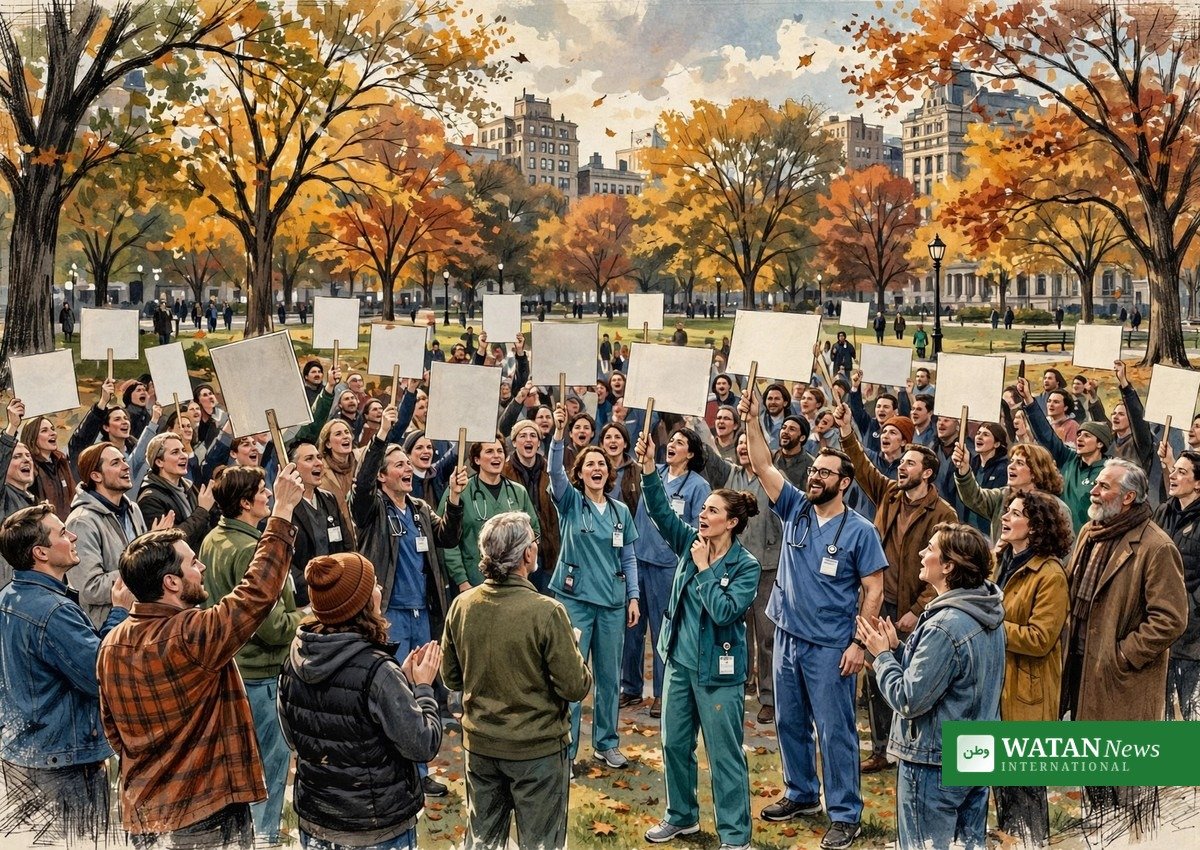
At rallies across the country, supporters describe dental bills running into the hundreds of dollars despite having coverage, while healthcare workers tell of patients forced to choose between medication and food. A 2025 study by Consumer Financial Protection Bureau researchers found that medical debt affected roughly 36% of U.S. households in 2024.

“All year, KFF polls have shown that the public is frustrated with the high cost of healthcare, and that may be leading to a desire for change,” said Audrey Kearney, a senior survey analyst at KFF, when the poll was released.
‘Medicare for All’ Takes Center Stage in the Midterms
The phrase ‘Medicare for All’ has become a rallying cry at political events, signaling a growing demand for accessible and affordable healthcare. Candidates are increasingly incorporating the message into their platforms, recognizing its appeal to voters.
In Michigan, Democratic U.S. Senate candidate Abdul El-Sayed — a physician, epidemiologist and former public-health official — has placed Medicare for All at the forefront of his 2026 Senate campaign. His platform would make the federal health insurance program, currently available to people aged 65 and older and those with certain disabilities, available to every American, covering dental, vision and hearing care with no premiums, copays or deductibles. He also campaigns on abolishing medical debt: as Wayne County’s executive health director from 2023 to 2025, he helped establish a program aimed at eliminating about $700 million in medical debt for up to 300,000 residents.
El-Sayed faces former Congressman Mike Rogers, the Republican candidate, who favors a narrower approach centered on prescription-drug prices and price transparency.
What ‘Medicare for All’ Would Mean
Traditionally, ‘Medicare for All’ envisions a single, government-run health insurance program guaranteeing coverage for all citizens. Medicare itself currently covers about 70 million Americans aged 65 and older or living with disabilities, many of them through private Medicare Advantage plans. Long championed by Senator Bernie Sanders, the idea has been introduced in various forms in every Congress since 2003 without ever leaving committee — but its political moment may finally have arrived.
The KFF poll carries a warning for supporters, though: when respondents were told a single-payer model would eliminate private insurance plans, overall support dropped to 52% — still well ahead of the 37% favorability recorded in the 2020 survey.