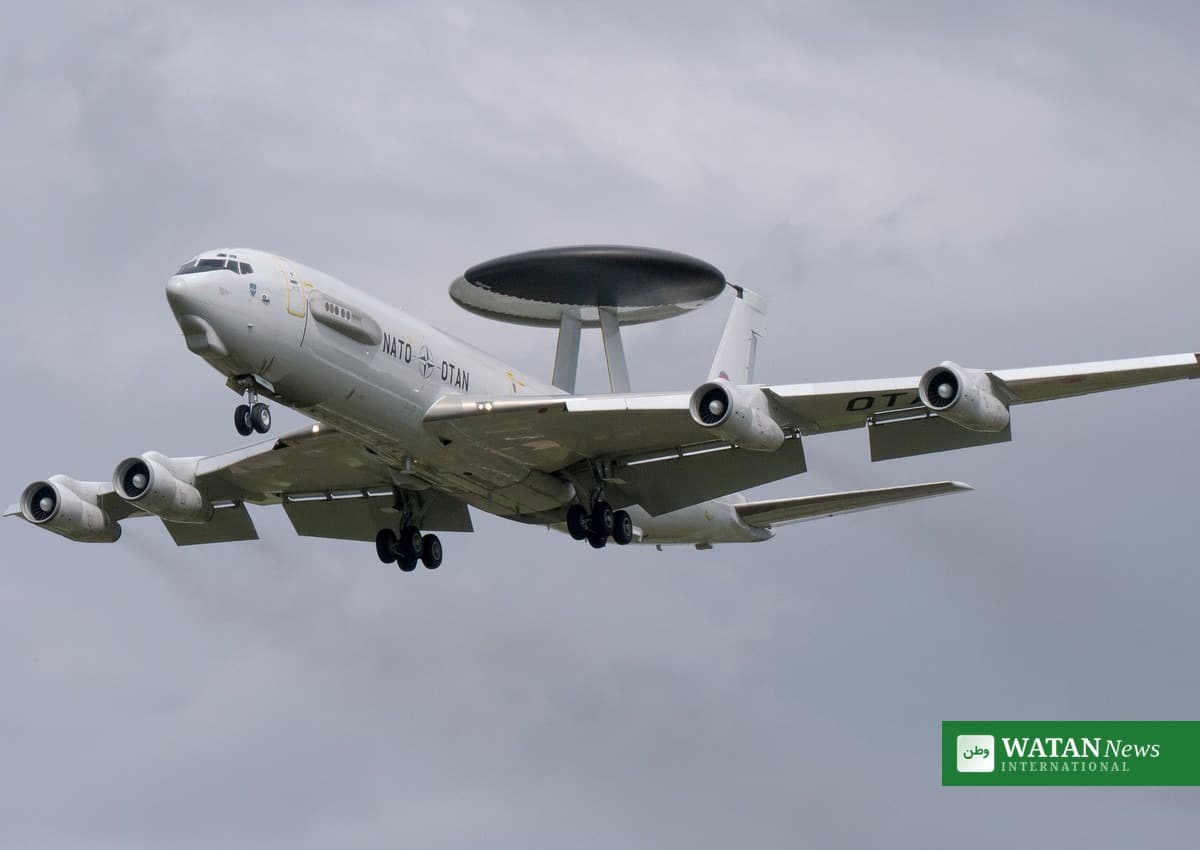
A NATO AWACS aircraft will be deployed to Poland after three Russian missiles landed on Polish soil last week, the alliance confirmed on Monday, in the first concrete reinforcement to follow an extraordinary meeting of NATO’s North Atlantic Council in Brussels.
FAKTA
- NATO will make an AWACS early-warning aircraft available to Poland, Polish Deputy Defence Minister Pawel Zalewski said on Monday.
- NATO’s supreme commander in Europe, General Alexus Grynkewich, authorised the forward deployment, NATO spokesperson Allison Hart confirmed.
- Three Russian Kh-101 cruise missiles came down in south-eastern Poland on Friday, 20 November, during a mass Russian strike on Ukraine.
- The aircraft comes from NATO’s AWACS fleet of 14 jets, based at Geilenkirchen air base in Germany.
- Poland has not invoked Article 4 of the North Atlantic Treaty.
What Happened on Friday
Polish prosecutors said three Russian Kh-101 cruise missiles landed in south-eastern Poland on Friday during a major Russian attack on Ukraine. The weapons came down near the villages of Nowy Lipowiec, Rudnik nad Sanem and Molodycz, within 30 to 50 kilometres of the Ukrainian border. No casualties were reported.
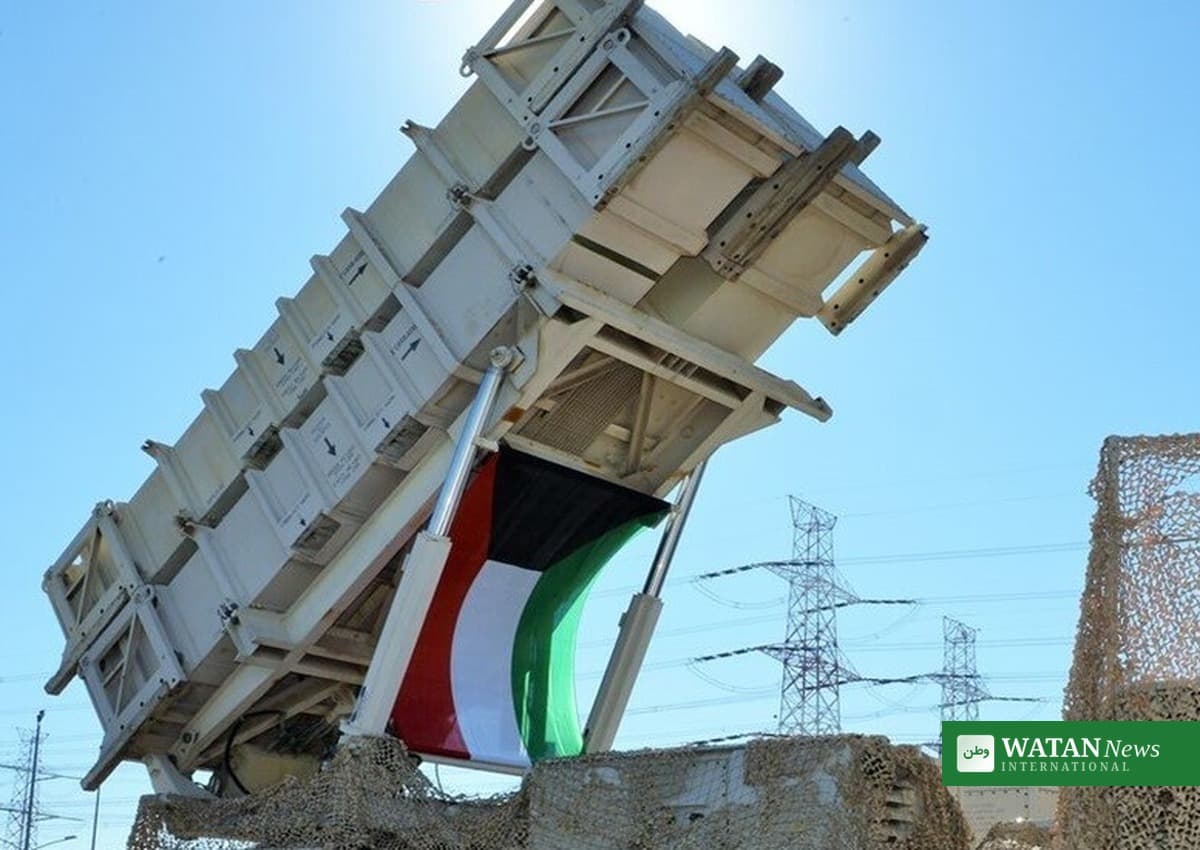
Polish and allied jets were scrambled and Patriot air-defence batteries were activated as the attack unfolded. Prime Minister Donald Tusk described the incident as a deliberate provocation.
What NATO Decided in Brussels
The North Atlantic Council, NATO’s top decision-making body, met in extraordinary session in Brussels on Monday to discuss the incursion. After the meeting, Zalewski told reporters that an AWACS aircraft would be made available to Poland.
“An AWACS early-warning aircraft will be made available to Poland,” Zalewski said. “This is a very good system that gives us even deeper operational awareness which allows us to respond better to this kind of threat.”
NATO spokesperson Allison Hart said Moscow “bears full responsibility” for the incursions. She confirmed that General Grynkewich had authorised the forward deployment of the aircraft and that he was examining the deployment of additional assets as he continued to assess the alliance’s deterrence and defence posture in Poland and elsewhere.
NATO Secretary General Mark Rutte has said the alliance will defend every inch of Polish territory. He called the incursion a “dangerous incident” and said whether it was intentional still had to be established.
What the NATO AWACS Aircraft Will Do
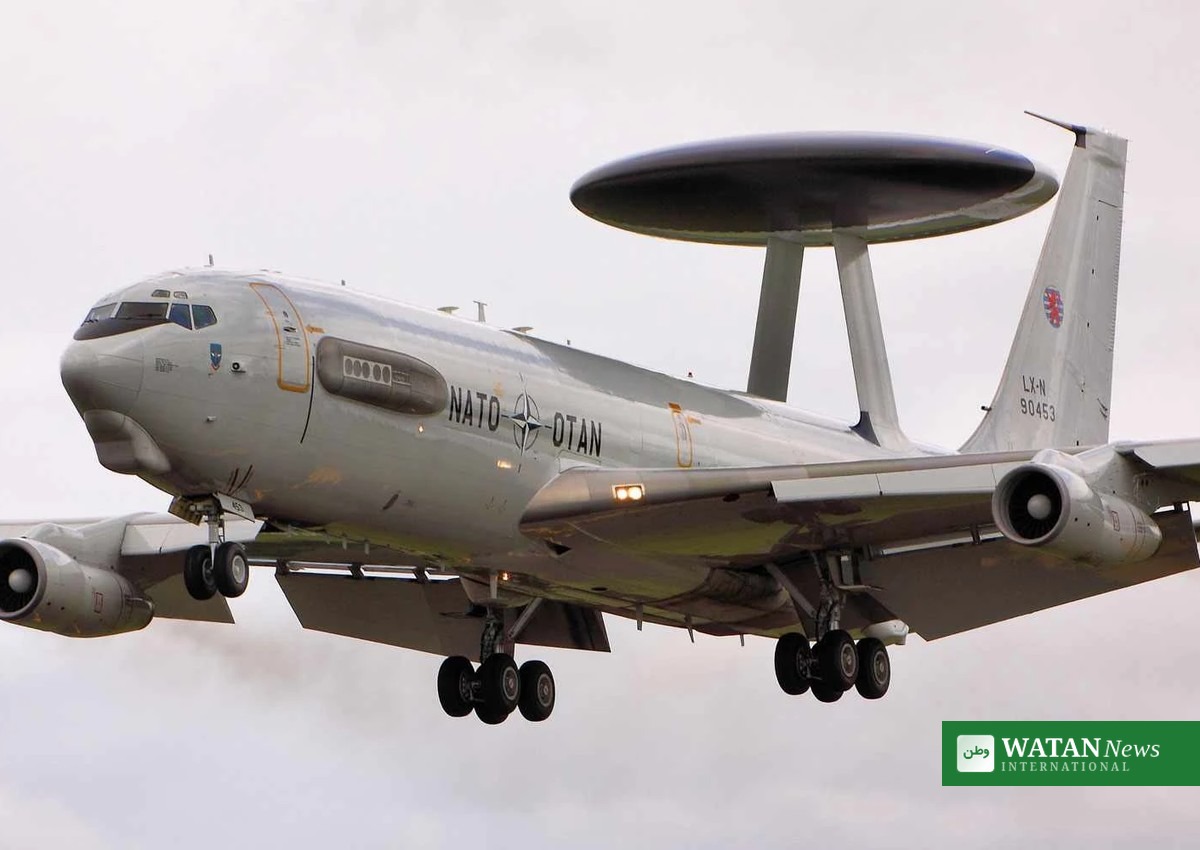
The E-3 Sentry AWACS carries a large rotating radar dome above its fuselage and can track aircraft and missiles over a wide area. NATO’s 14 AWACS aircraft, recognisable by their nine-metre-wide radar domes, have served as the alliance’s eyes in the sky since 1982.
Based at Geilenkirchen air base in Germany, the fleet has played an important role in surveillance missions along NATO’s eastern flank since Russia launched its full-scale invasion of Ukraine in 2022. In a conflict, the aircraft can provide a common radar picture for allied fighters, ships and control centres, while directing NATO combat jets to their targets.
Poland had asked for additional allied assets under Operation Eastern Sentry, the alliance’s eastern-flank air-defence mission, after the incursion. Poland took the incursion to NATO’s North Atlantic Council in Brussels on Monday, seeking stronger allied air defences along the eastern flank.