LIVE
BREAKING
Kuwait Air Defences Engage Hostile Drones as Gulf Conflict WidensCOP31: Tourism Industry Takes Its Food Waste Fight to Antalya With Recipe of ChangeGhana Becomes First African Nation to Receive Forest Carbon Credits at COP31Russian An-12 Transport Plane Crashes in Siberia, All 19 on Board KilledCOP31 Declaration Asks Governments to Put Food Loss and Waste Into Climate PlansCOP31 Draft Deal Under Fire as Ministers Take Over in AntalyaNATO Allies Discuss US Troop Levels in Europe as Pentagon Review Nears DeadlineMicrosoft Explains Global Outage: Hidden Defect, Extra Load and Lost CapacityRAYE Leads 2027 Grammy Nominations With 11 as Rosalía and Olivia Rodrigo FollowGérard Depardieu Drops Appeal and Accepts Sexual Assault ConvictionCopenhagen Summit Backs Women’s Rights With $1.9 Billion in New FundingASEAN Summit Closes in Manila as Singapore Takes the Chair for 2027US Fighter Jets Strike Missile Site on Iran’s Qeshm Island After Bahrain AttackCOP31 Puts the Ocean and Nature at the Heart of Climate ActionSaudi Arabia Intercepts Houthi Missiles Over Riyadh as Pipeline Hit AgainCOP31 Launches Global Priorities for Honest AI Climate InformationIran Dirty Bomb Plot in Washington: Trump Warns of Unprecedented PriceCOP31: Haier’s Five Pathways Show Climate Action Starts at HomeQuad Leaders Announce AI Accelerator and Maritime Patrol Exercise at First Summit in Two YearsCOP31: China Launches Global Energy Storage Alliance to Power the Renewable ShiftKuwait Air Defences Engage Hostile Drones as Gulf Conflict WidensCOP31: Tourism Industry Takes Its Food Waste Fight to Antalya With Recipe of ChangeGhana Becomes First African Nation to Receive Forest Carbon Credits at COP31Russian An-12 Transport Plane Crashes in Siberia, All 19 on Board KilledCOP31 Declaration Asks Governments to Put Food Loss and Waste Into Climate PlansCOP31 Draft Deal Under Fire as Ministers Take Over in AntalyaNATO Allies Discuss US Troop Levels in Europe as Pentagon Review Nears DeadlineMicrosoft Explains Global Outage: Hidden Defect, Extra Load and Lost CapacityRAYE Leads 2027 Grammy Nominations With 11 as Rosalía and Olivia Rodrigo FollowGérard Depardieu Drops Appeal and Accepts Sexual Assault ConvictionCopenhagen Summit Backs Women’s Rights With $1.9 Billion in New FundingASEAN Summit Closes in Manila as Singapore Takes the Chair for 2027US Fighter Jets Strike Missile Site on Iran’s Qeshm Island After Bahrain AttackCOP31 Puts the Ocean and Nature at the Heart of Climate ActionSaudi Arabia Intercepts Houthi Missiles Over Riyadh as Pipeline Hit AgainCOP31 Launches Global Priorities for Honest AI Climate InformationIran Dirty Bomb Plot in Washington: Trump Warns of Unprecedented PriceCOP31: Haier’s Five Pathways Show Climate Action Starts at HomeQuad Leaders Announce AI Accelerator and Maritime Patrol Exercise at First Summit in Two YearsCOP31: China Launches Global Energy Storage Alliance to Power the Renewable Shift
Nordic Policy

Nordic Rift Over Putin Call as Denmark and Sweden Question Solo Diplomacy

News Desk 2Published October 28, 2026
Nordic Rift Over Putin Call as Denmark and Sweden Question Solo Diplomacy
Share this story

Norway’s prime minister has defended his rare phone call with Russian President Vladimir Putin, a day after the conversation drew public criticism from Denmark and scepticism from Sweden and exposed a split among the Nordic countries over how Europe should engage with Moscow.

Prime Minister Jonas Gahr Støre told Norwegian public broadcaster NRK on Wednesday that he and Finnish President Alexander Stubb had wanted to make sure Putin heard European views as well as American ones, after the two leaders spoke to the Russian president for 90 minutes on Tuesday.

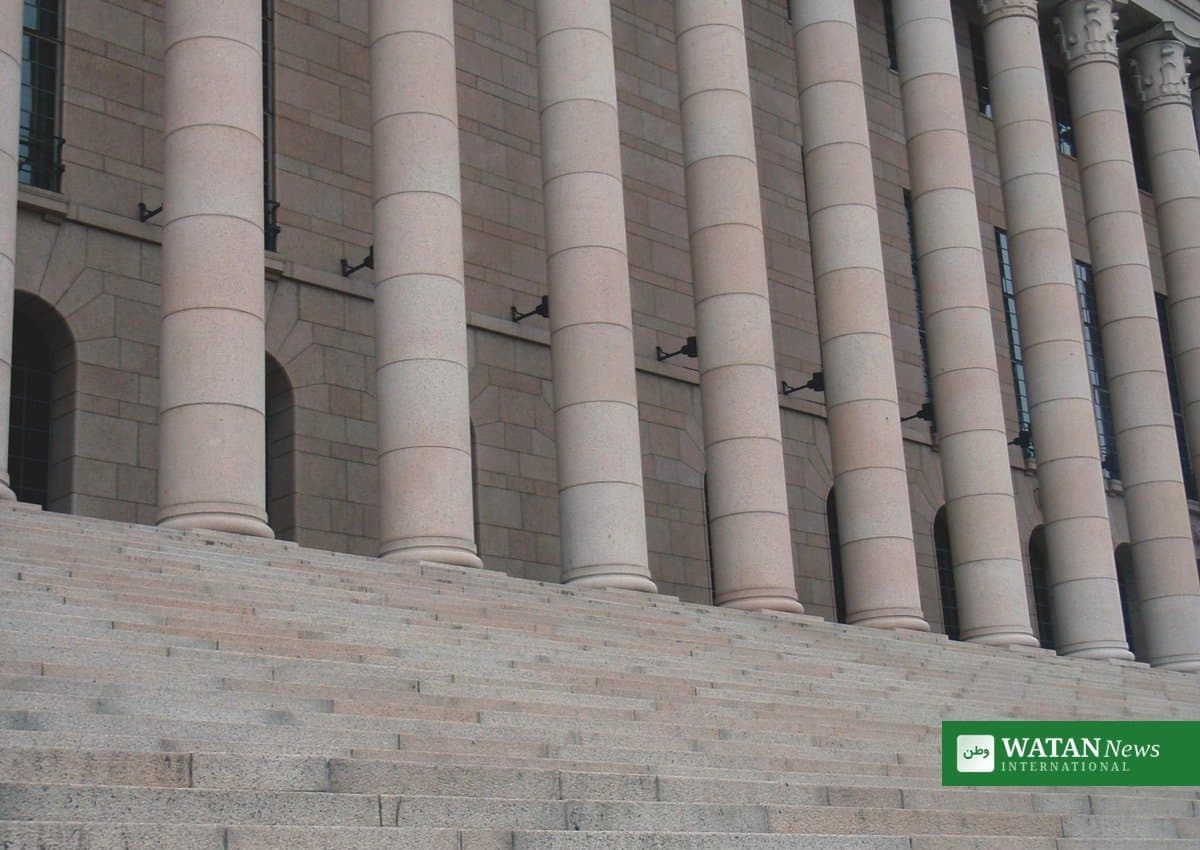
Senate Square in Helsinki, Finland
Helsinki, where Nordic leaders gathered for the Nordic Council session as the debate over the Putin call unfolded. (Photo: Wikimedia Commons)

Støre defends the call

“We were focused on looking forward, what must happen for this war to not continue endlessly for months, with people dying, and it is even more difficult to find a solution,” Støre said. “I don’t think Putin will change his mind, but he gets to hear our position very clearly. I am worried that some of these messages do not reach him when the Americans talk to him,” he added.

Støre said Norway was keen to introduce de-escalation steps such as stopping attacks on energy infrastructure in Russia and Ukraine, halting strikes on ships exporting Ukrainian grain, and conducting prisoner-of-war exchanges. The call came ahead of expected face-to-face talks between Ukrainian and Russian officials in Abu Dhabi next month, the first since February.

Criticism from Copenhagen and Stockholm

Danish Prime Minister Mette Frederiksen was the most outspoken critic. “I am very sceptical about this Norwegian and Finnish initiative. It was not coordinated with any of us,” she said, adding: “Honestly, I don’t know what these two countries think that they can achieve this way.” She stressed that Europe should stay united rather than go it alone.

Swedish Prime Minister Ulf Kristersson, who was in Helsinki for the Nordic Council’s annual session, said he had not been briefed immediately on the call and had low expectations for such talks, while stressing that everyone wanted peace. Stubb and Støre have emphasised that they spoke as leaders of their own countries, not on behalf of Europe as a whole, and that the call was arranged in consultation with Ukraine, which thanked them for their active support.

The territory question

Asked whether peace was possible without Ukraine ceding territory, Støre said Russia now controls nearly 20 percent of Ukrainian territory, and that Ukraine would never sign a deal recognising that loss, but that treating the current front line as a starting point was a different question. “And the big question is what kind of security guarantees can there be for the country after a peace deal? Putin recognises that this is the big question,” he said.

The Kremlin’s readout of the call gave no sign of compromise, saying a just and lasting peace was possible only if Russia’s interests were fully taken into account. The call was the first direct contact between Putin and Western European leaders since French President Emmanuel Macron spoke to him in July 2025.

FAKTA

  • On 27 October, Finnish President Alexander Stubb and Norwegian Prime Minister Jonas Gahr Støre held a 90-minute phone call with Russian President Vladimir Putin about the war in Ukraine.
  • On 28 October, Støre defended the call on NRK, saying it ensured Putin heard European as well as US views.
  • Danish Prime Minister Mette Frederiksen criticised the initiative as uncoordinated and called for European unity; Swedish Prime Minister Ulf Kristersson voiced scepticism.
  • Støre proposed de-escalation steps including halting attacks on energy infrastructure and grain-export shipping and prisoner exchanges.
  • The call came ahead of expected Russian-Ukrainian talks in Abu Dhabi in November, the first face-to-face meeting since February.

Conclusion

The row over the Putin call has turned a diplomatic initiative into a test of Nordic unity. Whether the conversation helps the Abu Dhabi talks or simply deepens divisions among allies will become clearer when negotiators meet next month.

Frequently Asked Questions

Related Stories

Planet & environment

Climate & Sustainability

News, stories and solutions driving change towards a greener and more sustainable planet for future generations.

COP31: Tourism Industry Takes Its Food Waste Fight to Antalya With Recipe of Change
Featured story

COP31: Tourism Industry Takes Its Food Waste Fight to Antalya With Recipe of Change

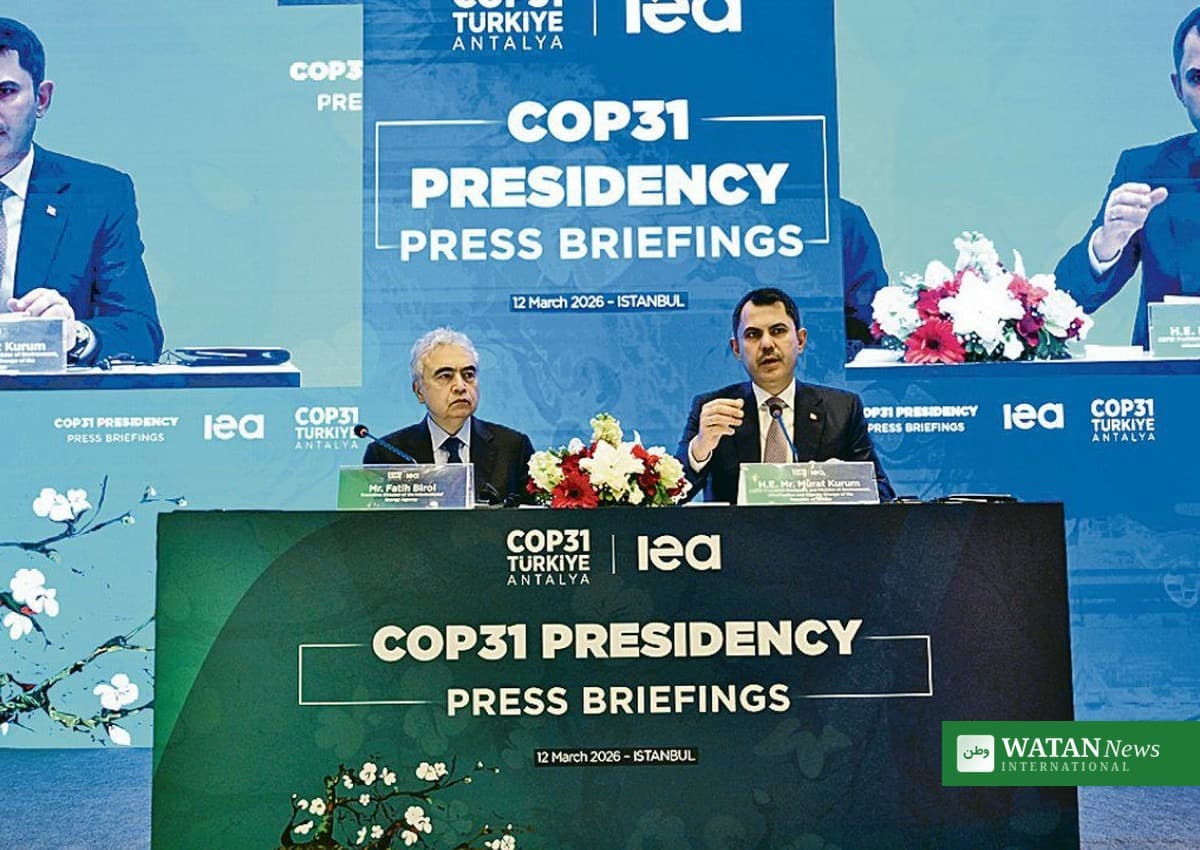
At COP31 Tourism Day in Antalya, the UN-backed Recipe of Change initiative presents results from its Türkiye hotel pilot, where Accor, Hilton, Radisson and TUI are testing ways to halve food waste by 2030.

Read full story

GREEN JOURNALISM

Every Action Counts

Small steps today, big impact tomorrow.

Explore more stories