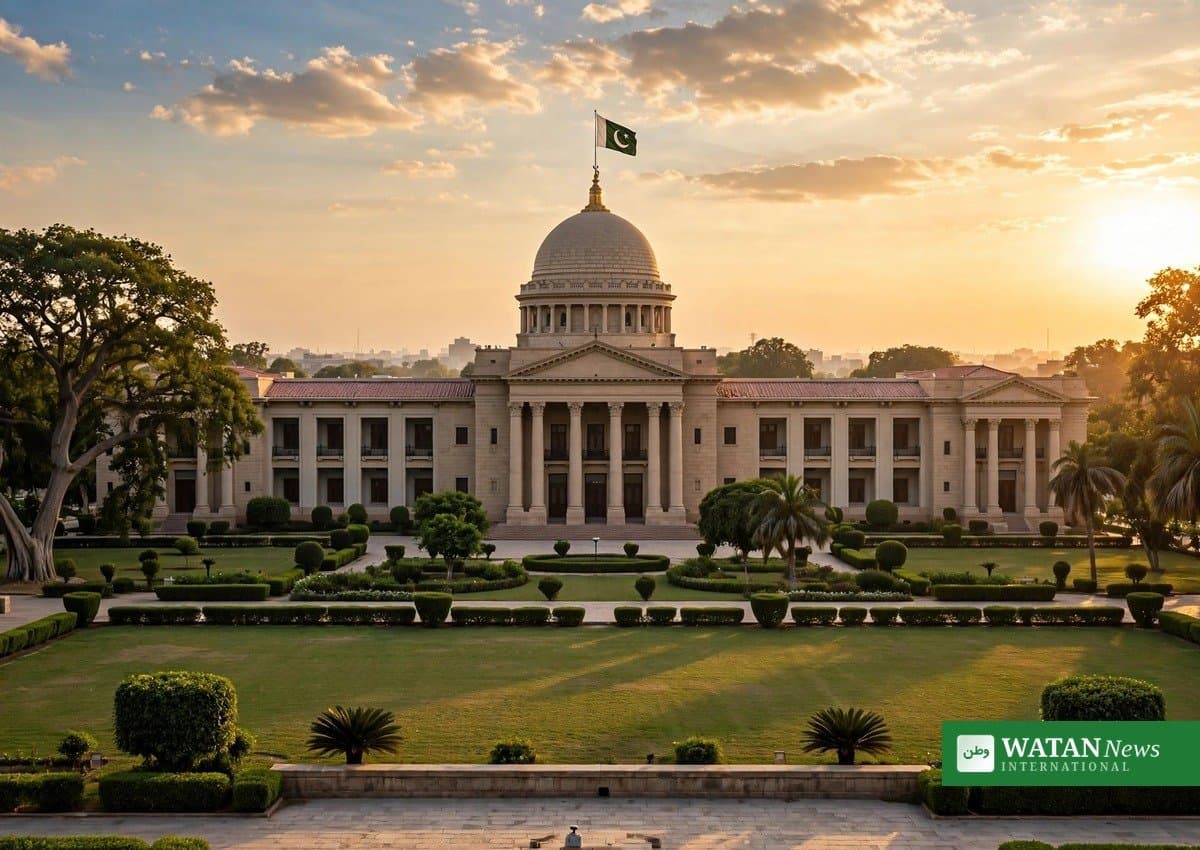
Punjab Assembly Speaker Malik Muhammad Ahmad Khan has called for national unity and constitutional supremacy as the foundations of Pakistan’s peace and stability. Addressing a national dialogue on “Pakistan and Global Peace” in Lahore, he said the country’s approach to present and future challenges must be grounded in institutional strength, constitutional continuity and meaningful dialogue.
Key facts
Who: Punjab Assembly Speaker Malik Muhammad Ahmad Khan
Where: National dialogue on “Pakistan and Global Peace”, Lahore
Core message: National unity and constitutional supremacy are essential for peace and stability
Pillars named: Institutional strength, constitutional continuity, dialogue, rule of law
UN peacekeeping: More than 170,000 Pakistanis have served under the UN flag; 183 laid down their lives (Pakistan’s official count)
Terrorism’s long shadow over Pakistan
The Speaker reflected on Pakistan’s painful experience with terrorism, noting that the country has endured its devastating consequences for decades. He said this hard-won experience should inform how Pakistan confronts present and future threats, drawing a line between challenges essential for national survival and those that can be managed through diplomacy and internal strength.
He recalled that terrorist attacks struck mosques, imambargahs, courts, hospitals and schools, and said he had personally witnessed the fear and destruction they caused. Pakistan, he added, has stood on the front line of the global fight against terrorism.
Projecting a peaceful image of Pakistan
Malik Muhammad Ahmad Khan underscored the importance of Pakistan presenting itself to the world as a peaceful and responsible nation rather than one defined by conflict. An objective examination of past experiences, he argued, is the only way to separate existential challenges from problems that dialogue and institutional resolve can settle.
National unity must come from within
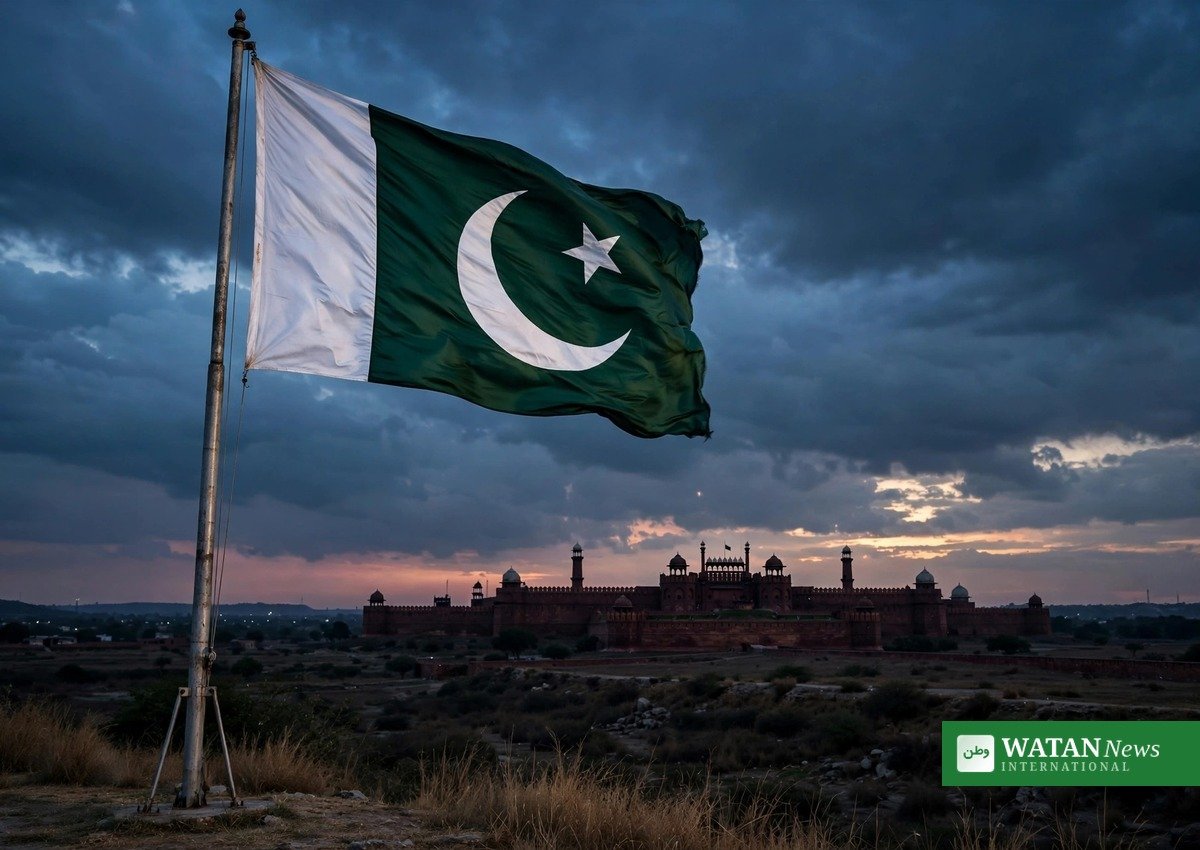
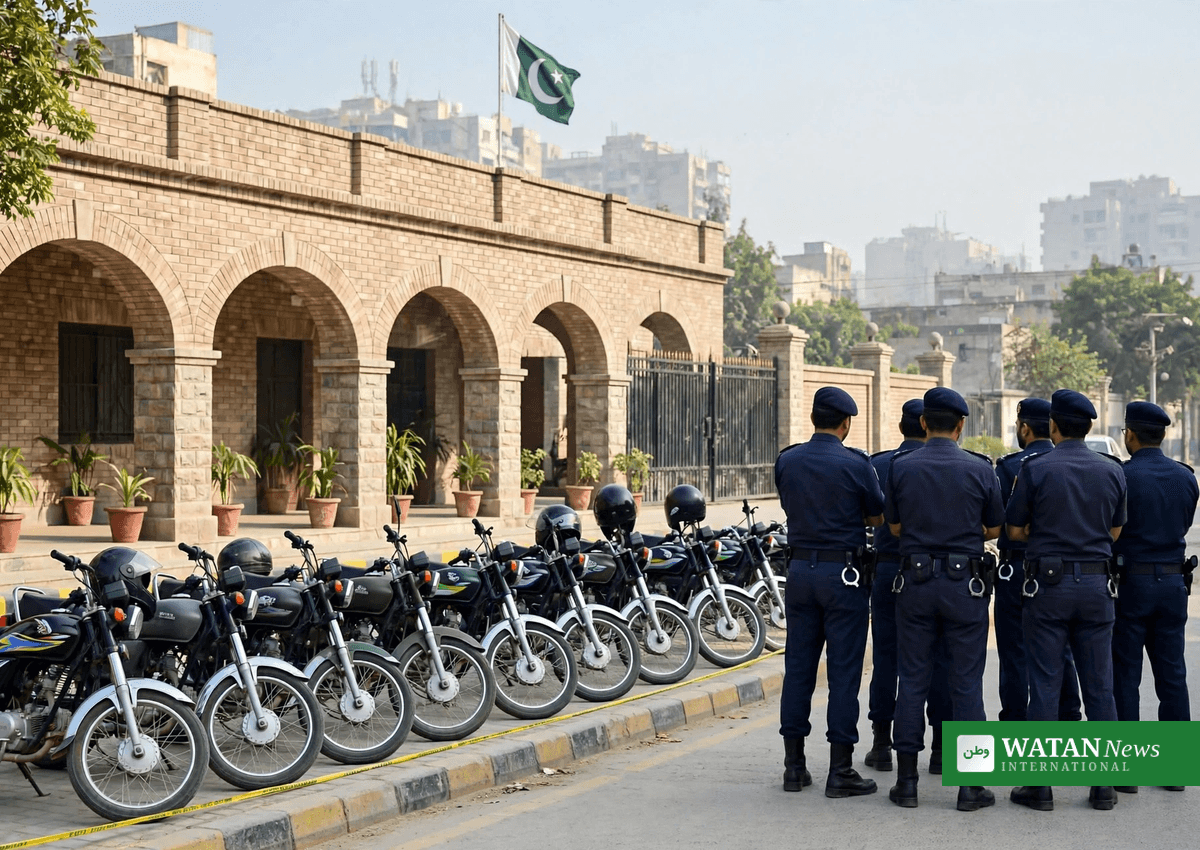
The Pakistani flag over Lahore at dusk. The Speaker said true national unity cannot be imposed from outside — it must be built collectively by the people and state institutions.
True national unity, the Speaker asserted, cannot be imposed from outside. It must be cultivated from within through the collective effort of the people and state institutions. He stressed the role of political parties from all four provinces in earning national support, arguing that broad-based participation strengthens the federation and national cohesion.
Institutions, reforms and the rule of law
Turning to Pakistan’s economic and political challenges, the Speaker said self-accountability and robust institutional reforms are indispensable for strengthening the state. The constitutional powers vested in Parliament, he stated, must be exercised without interruption to safeguard democratic governance.
Strong democratic institutions, unwavering constitutional supremacy and the consistent application of the rule of law, he added, form the bedrock on which sustainable solutions to complex national challenges must be built.
The indispensability of dialogue
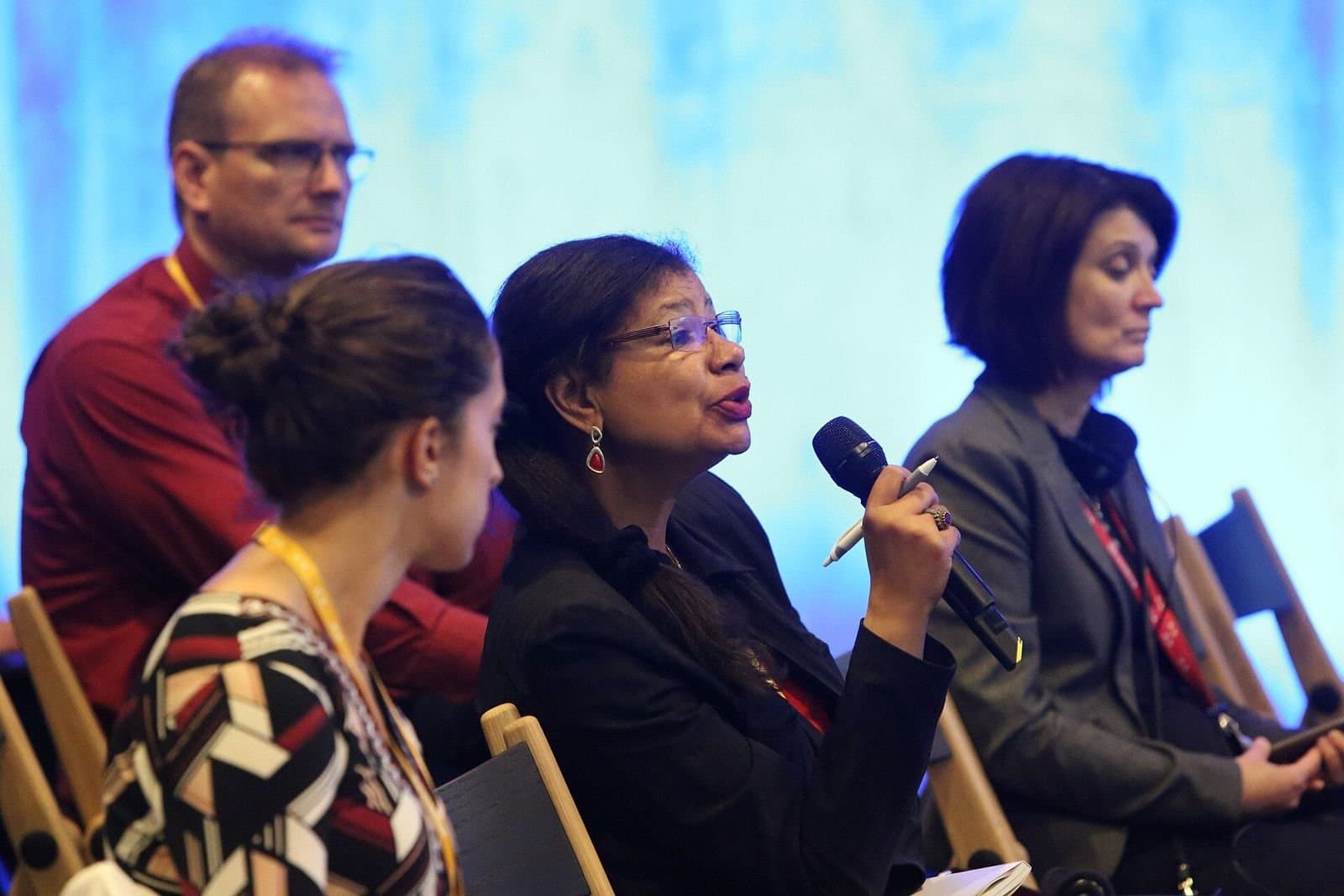
The Speaker described national dialogues such as the “Pakistan and Global Peace” moot as vital platforms where diverse viewpoints converge and deepen the country’s understanding of its problems. When dialogue stops, he warned, the chances of resolving problems shrink with it — making continuous national discourse essential for progress.
Modern societies, he said, cannot be built on conflict alone. They require adherence to constitutional principles, profound respect for the law and the recognition of mutual rights among all citizens.
Pakistan’s UN peacekeeping record
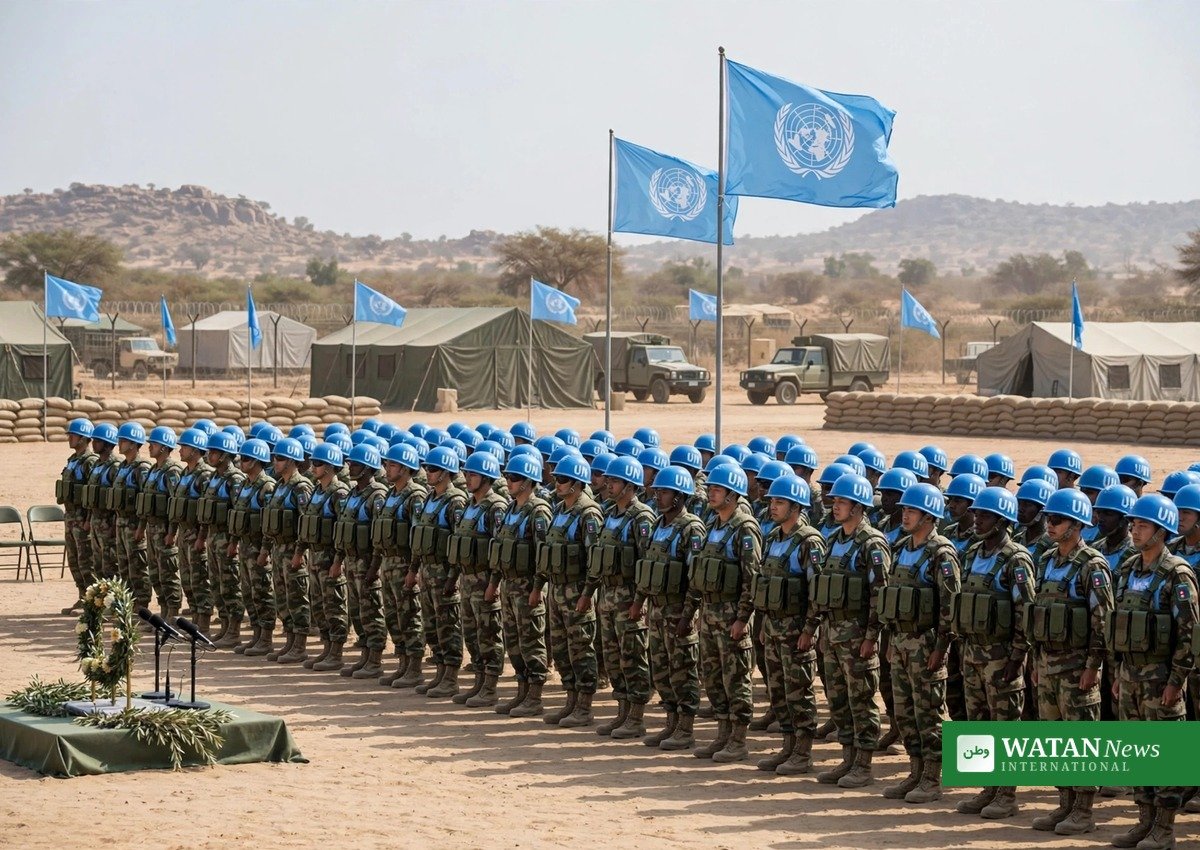
UN peacekeepers in formation. Pakistan is consistently ranked among the largest contributors to UN peacekeeping missions.
Highlighting Pakistan’s contribution to international peace, the Speaker noted the country’s long record of service in United Nations peacekeeping missions. According to Pakistan’s official count, cited by its Permanent Representative to the UN at a Security Council debate in September 2026, more than 170,000 Pakistani personnel have served under the UN flag over six decades, and 183 made the ultimate sacrifice in the cause of global peace.
Conclusion
The Punjab Assembly Speaker’s address set out a clear prescription for Pakistan’s future: national unity built from within, supremacy of the Constitution, strong democratic institutions and unbroken dialogue. Learning from the painful decades of terrorism while projecting a peaceful national image, he argued, are the vital first steps. Readers can follow related coverage in our Pakistan news section, and the same story is also available on our main site at watannews.dk.