London, 18 October 2026 — Seven in ten people in the United Kingdom say they would cut back on meat and dairy to improve the country’s food security, according to a new report published by The Vegan Society on World Food Day, 16 October 2026. The findings put plant-based food security at the centre of the debate over how Britain feeds itself after its hottest summer and worst harvest on record.
The report, titled How Can Plant-Based Diets Support Global Food Security?, draws on a new survey of public attitudes and on the current evidence about diets, land use and climate resilience. It argues that a shift towards plant-rich diets is one of the most practical levers available for making the food system more secure, more efficient and less exposed to shocks.
KEY FACTS
- What: The Vegan Society’s new report How Can Plant-Based Diets Support Global Food Security?, published on World Food Day, 16 October 2026.
- Survey: 7 in 10 people would cut meat and dairy to improve food security; 82% say securing a sustainable food supply should be a top government priority; 51% support policies to shift the UK food system towards plant-based proteins.
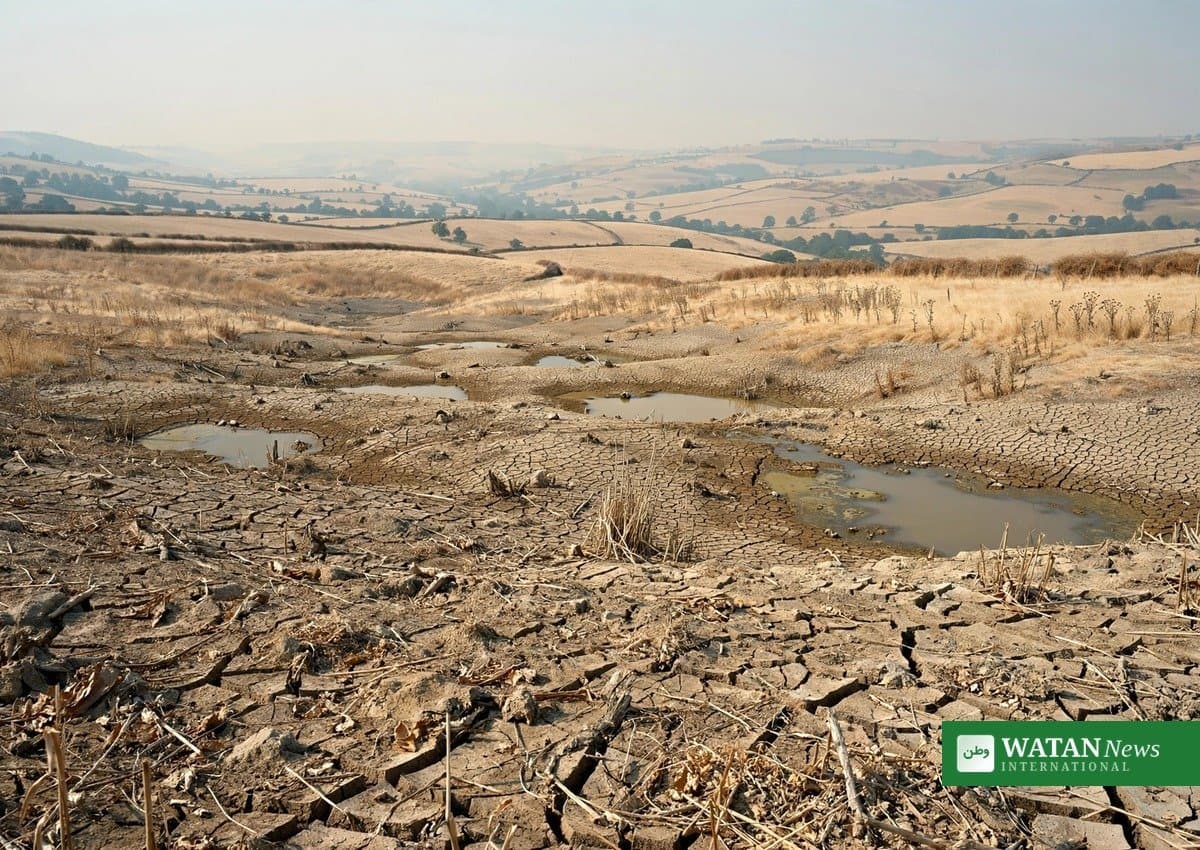
- Context: The UK has just endured its hottest summer on record and, according to Defra estimates, England’s worst harvest in volume terms for cereals and oilseed since detailed records began in 1984.
- Core claim: Animal agriculture diverts large amounts of edible crops and land to feed farmed animals; eating crops directly could, one study estimates, free enough calories to feed an additional 7.2 billion people.
- Climate link: Animal agriculture contributes up to 20% of greenhouse gas emissions, and around 80% of global agricultural land is associated with it.
Plant-Based Food Security: What the Survey Found
The survey results point to a public that is already thinking about the connection between what ends up on the plate and the country’s ability to feed itself. According to the report, 82% of people agree that securing a sustainable food supply should be a top priority for the government — a striking level of consensus in a debate that is usually fought over farming subsidies and trade deals.
Half of respondents (51%) said they were supportive of policies to help the UK food system move away from livestock farming and towards more plant-based proteins, explicitly in order to make the country more food secure. That support matters because it suggests the shift the report advocates would not have to be imposed on an unwilling public: the willingness, the survey finds, is already there.
Why the UK’s Food Security Is Under Pressure
The report lands at a moment of unusual anxiety about British food production. The Met Office has provisionally confirmed that 2026 brought the UK’s hottest summer on record, and analysis of Defra data by the Energy and Climate Intelligence Unit (ECIU) estimates that England has suffered its worst harvest in volume terms for cereals and oilseed in records stretching back to 1984.
The government’s own National Security Assessment, published earlier this year, concluded that the UK “cannot currently produce enough food to feed its population based on current diets” — a line the report quotes to argue that the problem is structural, not just a bad season. When harvests fail in a country that depends heavily on imports, the case for using domestic land and crops as efficiently as possible becomes harder to ignore.
From Field to Fork: the Land and Climate Case
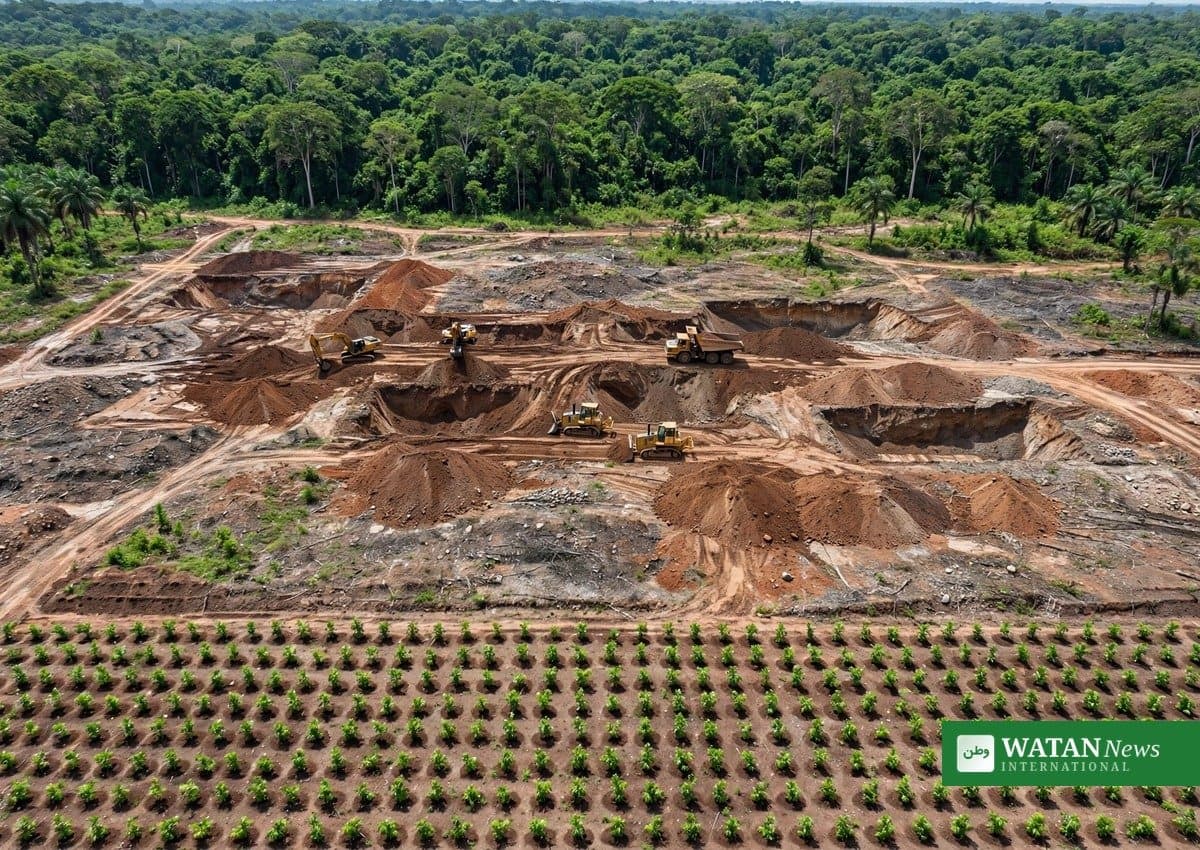
The report’s central argument is about efficiency. Animal agriculture, it says, undermines food security by diverting large amounts of edible crops and land to feed farmed animals. Redirecting those crops to direct human consumption could substantially increase the calories available and free up vast areas of land.
The numbers it cites are stark: pigs return just 11% of the calories and 15% of the protein they are fed as meat, while cows return only 5% of calories and 10% of protein. One recent study estimated that if all crop calories were instead consumed directly by humans, enough calories would become available to feed an additional 7.2 billion people.
The report also stresses inputs and vulnerability. Producing animal products typically requires greater amounts of agricultural inputs than plant-based alternatives, so shifting away from animal farming would reduce countries’ reliance on imported feed, fertiliser and energy — buffering food systems against climate, geopolitical and pandemic-related shocks. The vast majority (80%) of global agricultural land is associated with animal agriculture, through grazing animals and growing their feed; the freed-up grazing land, the report notes, could be used for nature restoration and climate mitigation, including reforestation and peatland restoration.
On climate, the report states that dependence on meat and dairy is a major driver of climate change, with animal agriculture contributing up to 20% of greenhouse gases and causing immense biodiversity damage and water loss. Animal-based foods are particularly vulnerable to climate shocks, it argues, because the climate crisis threatens their production both directly — by affecting farmed animals — and indirectly, by affecting the crops grown as animal feed.
What Happens Next
The Vegan Society presents the report as a contribution to the government’s forthcoming food strategy, arguing that plant-based food and agriculture should be at its core. The society has campaigned on this theme for some time: an earlier Food Security Briefing in March 2026 made a similar case, and the UK’s Climate Change Committee has previously recommended increasing plant-based food in the average diet — a 20% cut in dairy consumption by 2035 and a 35% cut in meat by 2050 in its Seventh Carbon Budget.
Whether ministers act on it remains to be seen. But with harvests failing, shoppers already willing to change, and the government’s own security assessment warning that current diets cannot be sustained from domestic production, the report’s question — how plant-based diets can support food security — is unlikely to go away.
Sustainable consumption is already gaining ground elsewhere in Europe: 81% of Europeans trust the EU Ecolabel, a recent survey found.
Conclusion
Food security is no longer an abstract policy phrase in Britain — it is a harvest lost to heat, a security assessment warning, and a public ready to eat differently. The Vegan Society’s report makes the case that the most powerful tool may already be on the plate.