South Africans voted on Wednesday, 4 November 2026, in municipal elections widely seen as a tough test for the African National Congress (ANC), the party that led the country out of white minority rule. Voters queued from sunrise, with anger over corruption, crime and failing public services threatening fresh losses for the party, Reuters reported.
Polls were open from 7 a.m. to 9 p.m. local time, and results were expected to be announced on Sunday. More than 10,500 council seats were contested across the country, according to the reports.
FAKTA
- Election day: Wednesday, 4 November 2026, in municipal elections across South Africa.
- Polling hours: 7 a.m. to 9 p.m. local time; results expected on Sunday.
- Seats contested: more than 10,500 council seats, according to the reports.
- ANC record: the party fell below 50 percent support for the first time in municipal elections in 2021, and opinion polls suggested it could fall below 40 percent this time.
- Biggest prize: control of Johannesburg, South Africa’s commercial hub, still up for grabs.

South Africa local elections: what voters said mattered
Unreliable water and electricity supplies, unemployment, crime and a lack of affordable housing ranked among voters’ biggest concerns ahead of the election, Reuters reported. At the Lawley informal settlement south of Johannesburg, long queues formed outside polling stations around sunrise as voters waited to cast their ballots.
President Cyril Ramaphosa said after voting in Johannesburg that he had seen the challenges at local government level but that the party was determined to rebuild its local government structures, according to the reports.
Johannesburg, the biggest prize
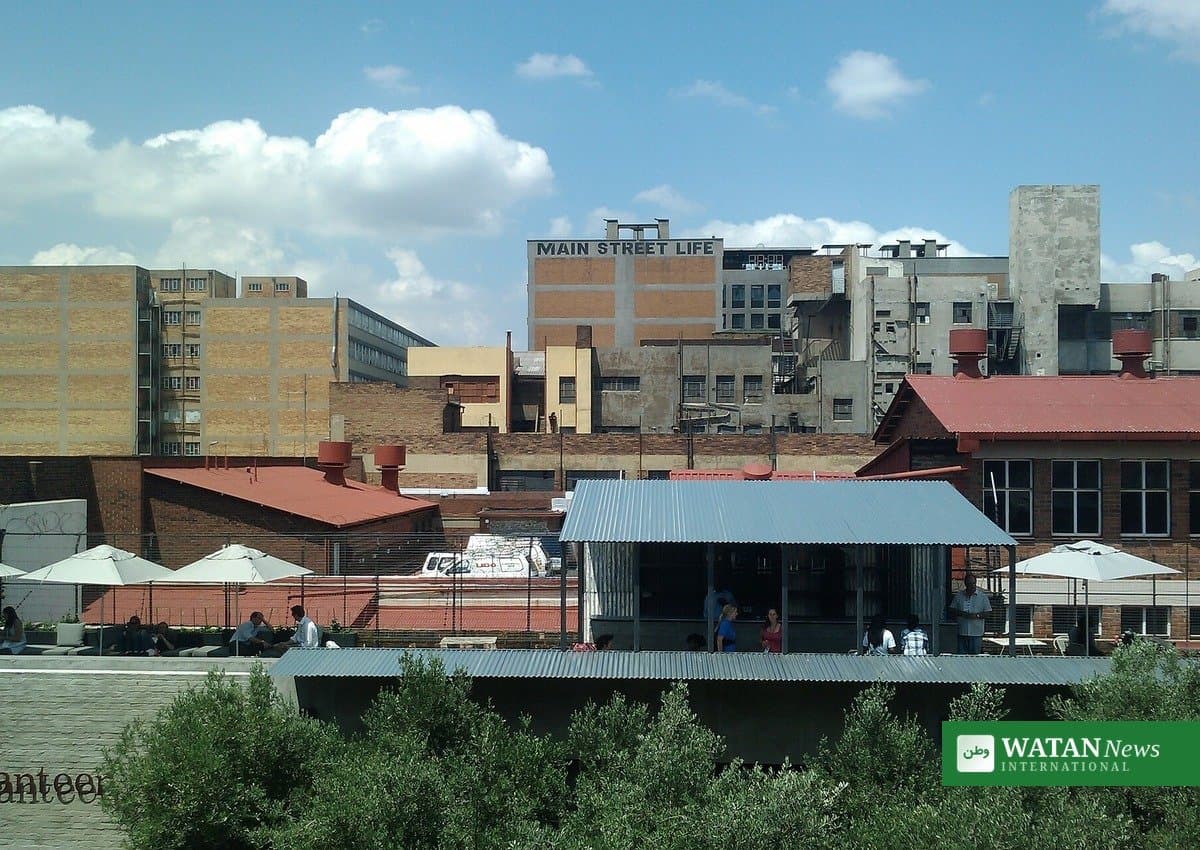
Control of Johannesburg, South Africa’s commercial hub, will be the largest prize in the elections. The Democratic Alliance candidate for mayor, Helen Zille, campaigned energetically and was projected to win the most votes but fall short of a majority, leaving coalition talks as a likely next step.
Local governance has been a weak point for the ANC, which was forced into a coalition with the Democratic Alliance and smaller parties after it lost its national majority in 2024, Reuters noted.
Why this vote matters beyond the cities
The outcome will help shape the political landscape ahead of the 2029 national election and could influence the succession contest within the ANC as President Ramaphosa nears the end of his term as party leader in 2027, according to the reports.
Conclusion
Wednesday’s vote was fought street by street, over water, power, roads and safety. The results, expected on Sunday, will show how far the ANC’s support has fallen since 2021, and which coalitions will run South Africa’s cities next.
Read more on Watan News: South Africa local elections 2026.