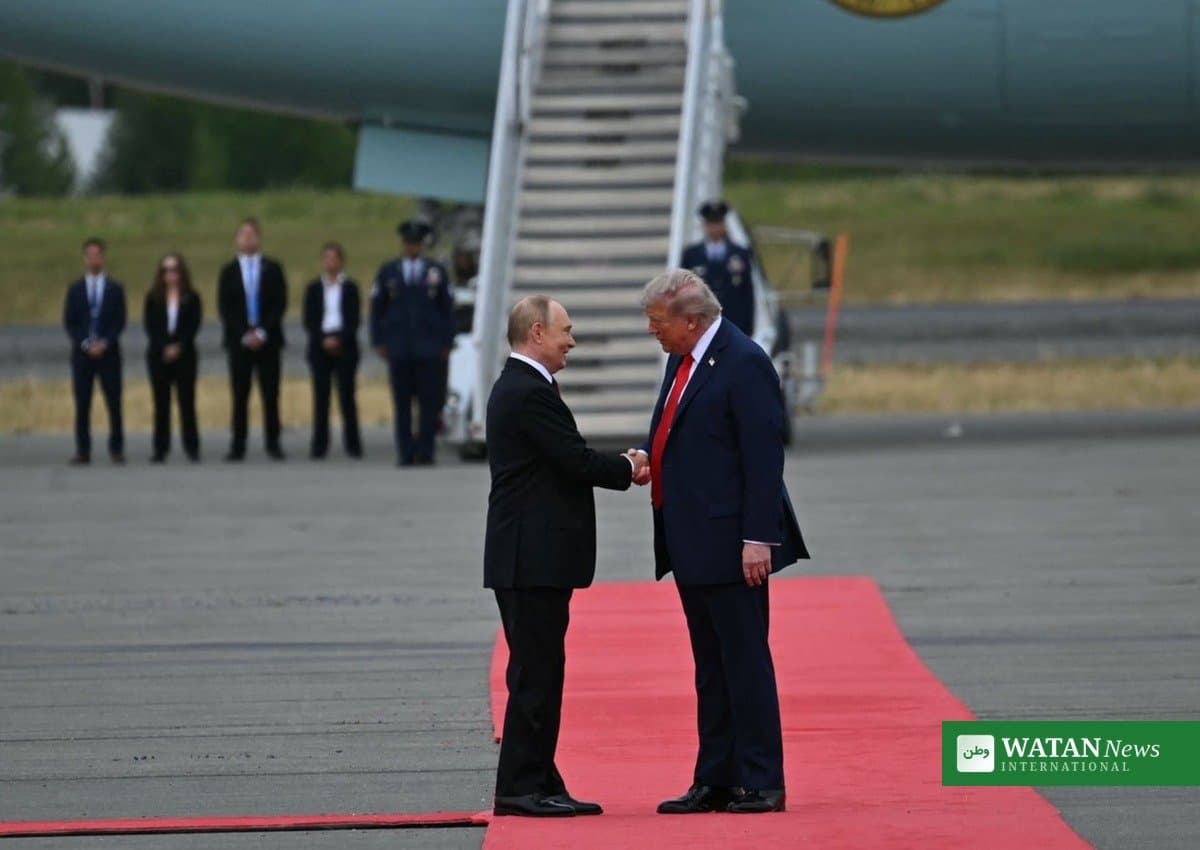
US President Donald Trump said on Tuesday that he has a Trump Putin plague call scheduled, telling reporters he would speak with Russian President Vladimir Putin “very soon” about a possible case of pneumonic plague at a Siberian research institute. “We’ll be able to report about it, probably tomorrow,” Trump added, speaking at the White House, according to the Associated Press.
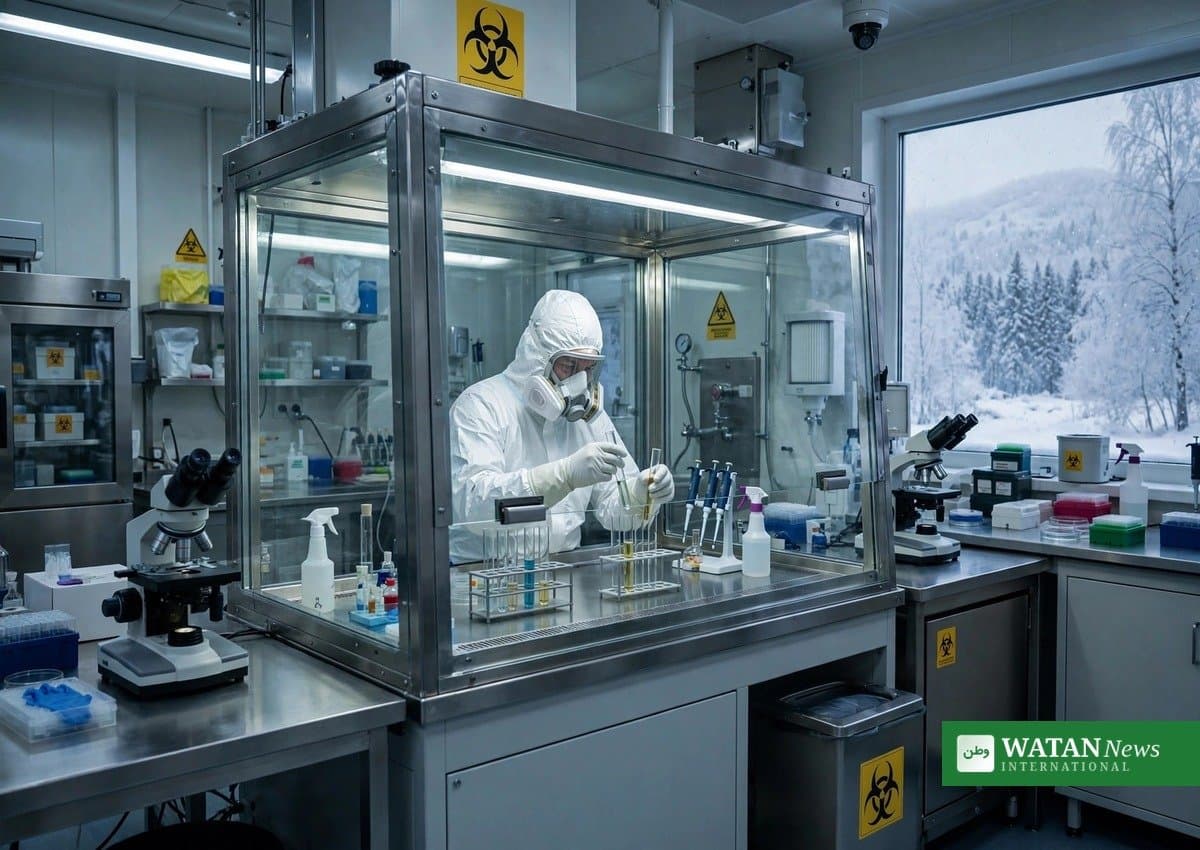
The announcement follows the death of an employee of the Irkutsk Anti-Plague Institute that has triggered quarantine measures in southeastern Russia and growing pressure from Washington for transparency.
FAKTA
- What happened: Trump announced on October 6 that a call with Putin is scheduled “very soon” to discuss a possible plague case at a Siberian institute; Washington is in “very deep discussions”.
- The victim: 28-year-old laboratory technician Daria Shipilova, an employee of the Irkutsk Anti-Plague Institute of Siberia and the Far East, died in hospital of “pneumonia of unknown origin”.
- The suspected cause: Russian media reports citing her colleagues say she accidentally broke a test tube containing a deadly pathogen days before falling ill. Moscow has not confirmed this.
- Quarantine: up to 200 people she may have had contact with are under quarantine, according to Russian outlet People of Baikal.
- US position: Secretary of State Marco Rubio said the information shared by Moscow so far had been “quite limited” and pressed Russia to be transparent.
- Diplomatic pressure: the Wall Street Journal reported that the State Department sent Moscow a confidential diplomatic communication warning that failure to disclose information violated Russia’s international health obligations.
- WHO assessment: the World Health Organization said on Tuesday the case presents a “very low” risk outside Russia.
- US Embassy advisory: the US Embassy in Moscow told US citizens currently in Russia to depart immediately, citing the suspected case and quarantine measures in Irkutsk.
What Trump announced about the Trump Putin plague call
Trump said the United States was in “very deep discussions” about the situation when asked what the US intelligence community was saying about the suspected case. He added that Washington would be able to report more on Wednesday.
On Monday, Trump said the United States would be willing to assist Russia if needed, describing plague as “a rough disease”. “You know, that’s a disease we used to be able to control, but somehow those microbes have gotten stronger and smarter. They’re like an army,” he told reporters at the White House.
The suspected case at the Irkutsk institute
Daria Shipilova, 28, worked as a laboratory technician at the Irkutsk Anti-Plague Institute and died last week in a hospital outside Irkutsk of what doctors described as pneumonia of unknown origin. According to reports citing her colleagues, she had fallen ill after accidentally breaking a vial of a dangerous pathogen, though no official source has confirmed that account.
The governor of the Irkutsk region, Igor Kobzev, said on Monday that no other workers from the laboratory had sought medical attention and emphasized that the situation was under control. Local authorities said they had implemented “anti-epidemic measures” in the region, and that individuals in quarantine had not shown signs of infection as of October 5. Russian health watchdog Rospotrebnadzor has denied claims circulating online that special measures had been imposed.
Washington presses Moscow for answers
Secretary of State Marco Rubio, speaking at a news conference in Reykjavik, Iceland, said the information shared by Moscow so far had been “quite limited” and urged Russia to share more. “We encourage Russia to be transparent and share more information with the world so that all of us could react accordingly and appropriately,” he said. He cautioned that it would be irresponsible to speculate while the United States still had limited information.
The Wall Street Journal reported that the US State Department sent Russia a formal démarche, a confidential diplomatic communication, warning that withholding information would breach Moscow’s international health obligations. The case has drawn comparisons with the early uncertainty of the COVID-19 pandemic, which Rubio himself acknowledged made the episode “concerning”.
The US Centers for Disease Control and Prevention said on Tuesday it was monitoring the situation in Russia but emphasized there was “no indication of a broader threat” to the United States.
Moscow and WHO response
The Kremlin has offered few details publicly, saying that Rospotrebnadzor, Russia’s health and consumer protection agency, is monitoring the situation. Russian authorities attributed the woman’s death to pneumonia of an unknown cause and have played down the incident.
The World Health Organization said on Tuesday that it was in contact with Russian authorities and assessed the risk outside Russia as “very low”.
Wider stakes for US-Russia ties
The call comes at a sensitive moment: the Trump administration faces an October 18 deadline to decide which Russian entities, if any, it will sanction under the Lindsey O. Graham Sanctioning Russia and Iran Act, which Trump signed into law on September 18. Ukraine has submitted a wish list of Russian companies, vessels and individuals it wants hit with US sanctions under that law.
It also comes as Putin marked his 74th birthday on October 7 with a massive overnight missile and drone strike across Ukraine that killed at least 11 people, according to Ukrainian officials. Ukrainian President Volodymyr Zelenskyy said residential buildings and energy infrastructure were hit, and called the assault a “birthday gift” to Putin.