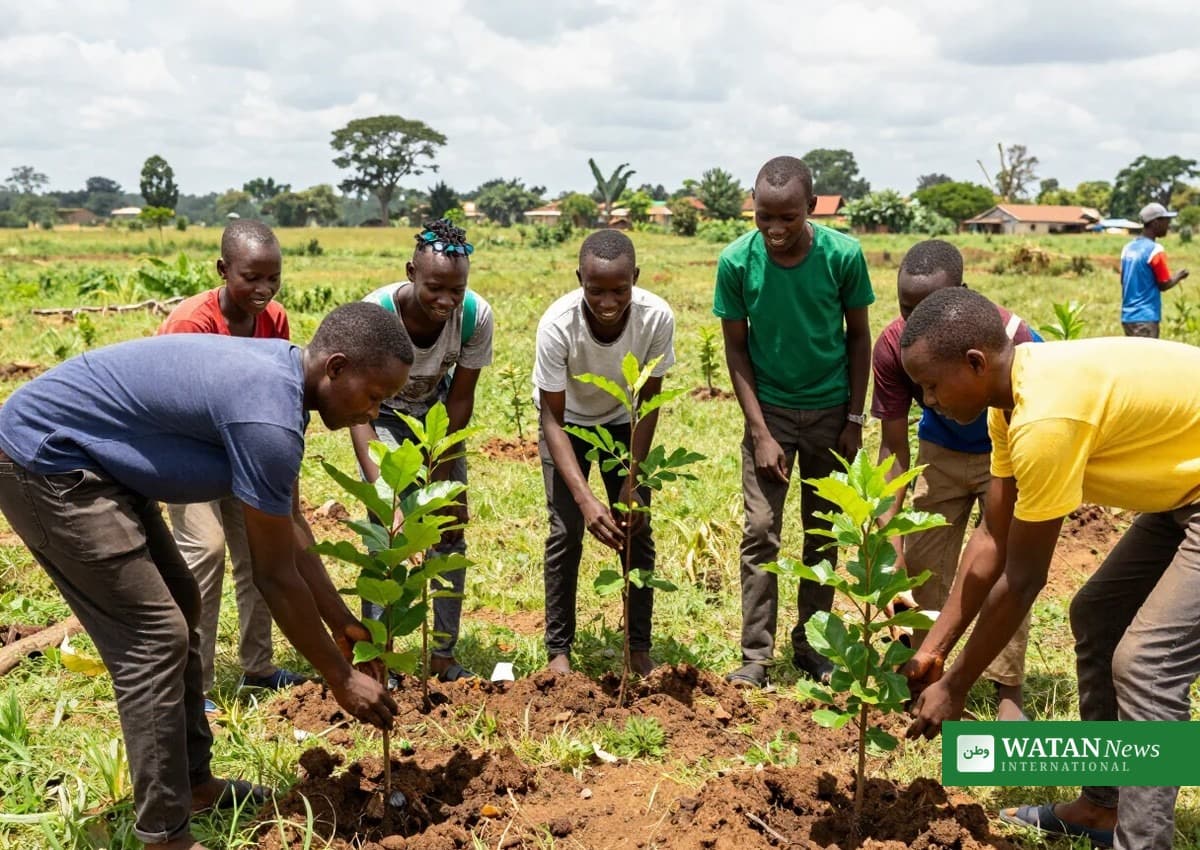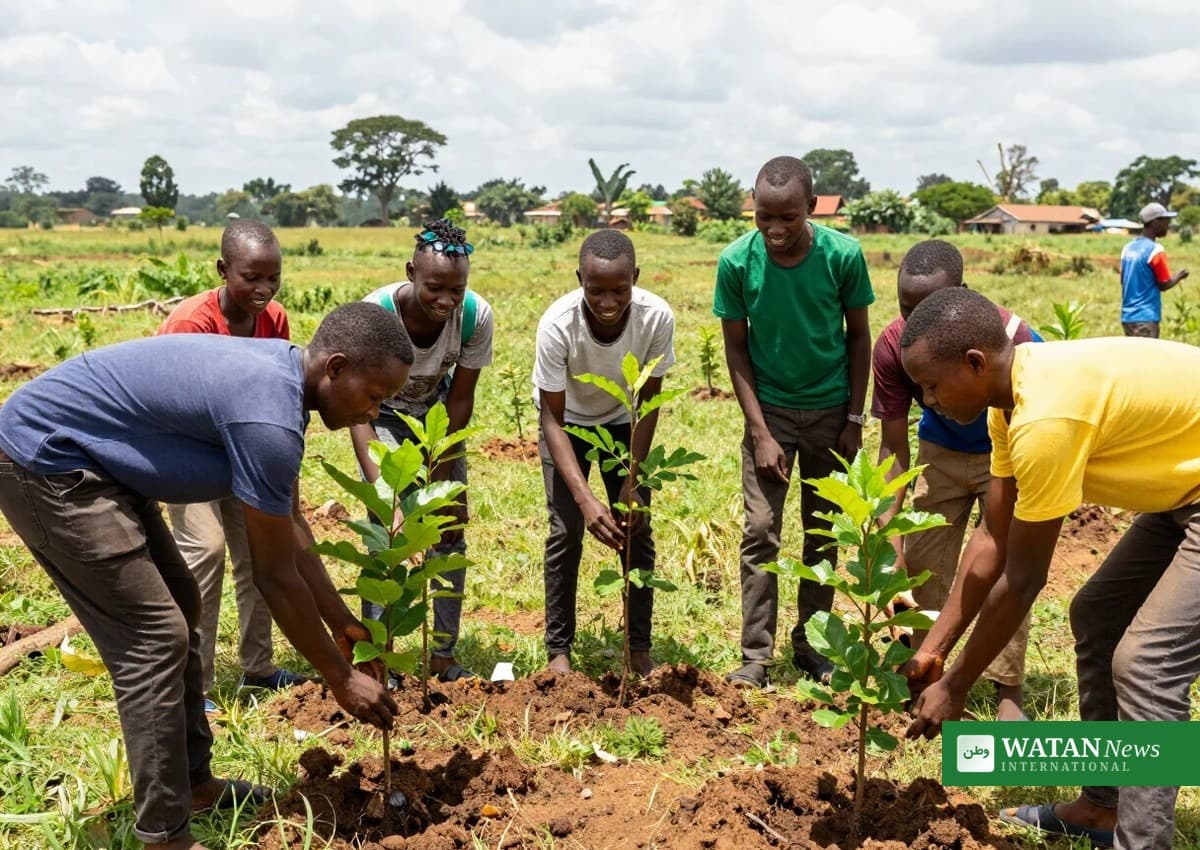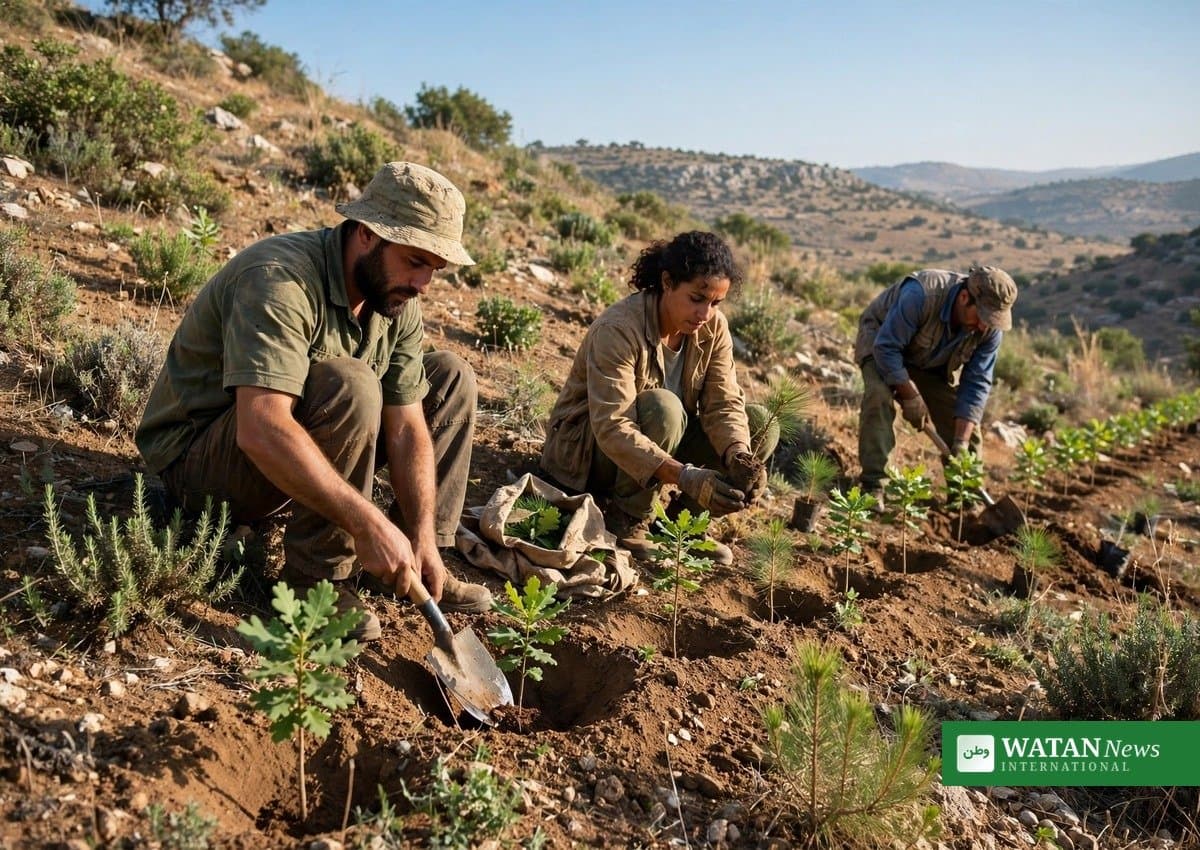
Tunisia has adopted a ten-year action plan to reforest 30,000 hectares of forest land, in a direct response to wildfires that destroyed more than 74,000 hectares of the country’s forests between 2011 and 2025. The plan, running from 2026 to 2035, puts native cork oak and Aleppo pine at the centre of the effort and pairs large-scale planting with digital fire detection, upgraded nurseries and stronger community partnerships.
The announcement was reported by the Tunis Afrique Presse news agency and carried by Xinhua on 3 November. It comes days before Tunisia marks National Tree Day on 8 November, under the slogan “A Tree Today, a Forest Tomorrow.”
The scale of the loss
Between 2011 and 2025, fires destroyed 74,602 hectares of Tunisian forest, causing financial and economic losses of about 241 million Tunisian dinars, roughly 80 million US dollars. The damage was concentrated in the country’s northern forests, where hotter, drier summers have lengthened the fire season and made recovery harder.
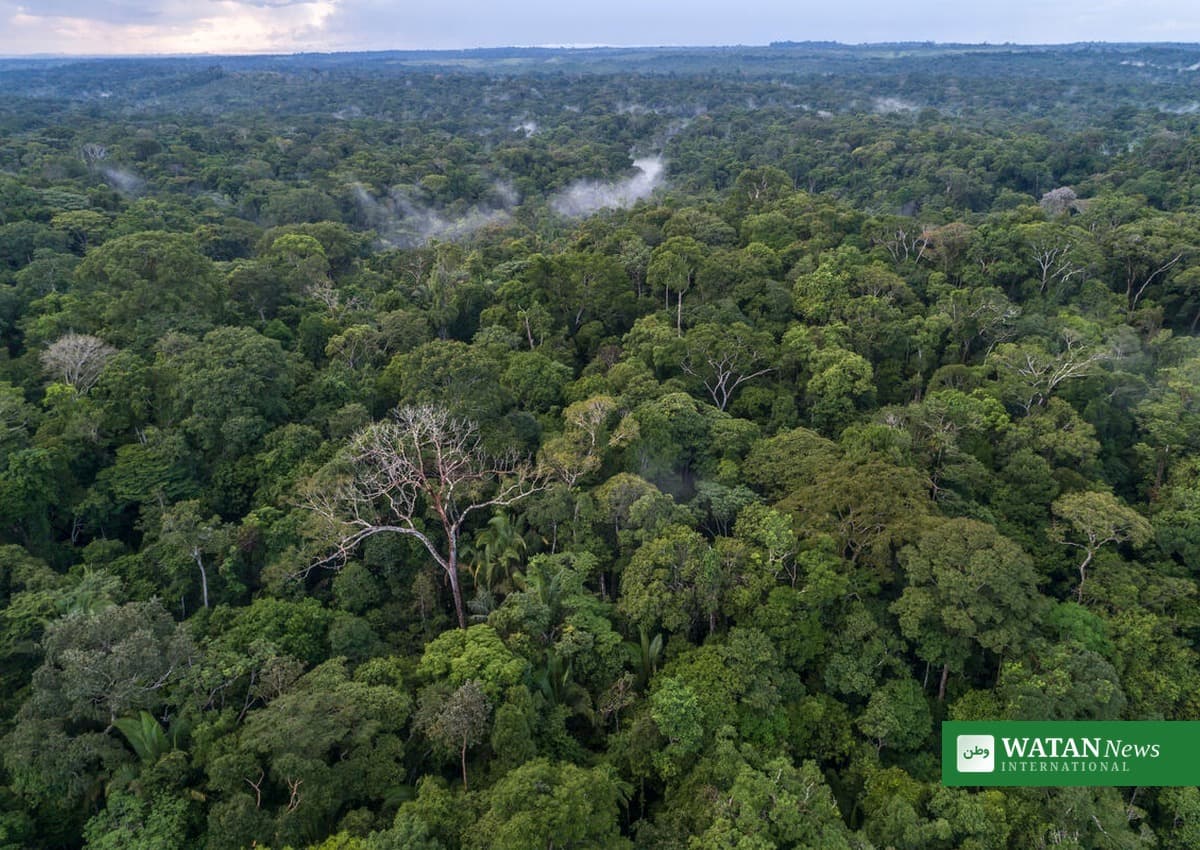
Tunisia’s forests cover about 1.2 million hectares — roughly 8.5 percent of the country’s land area — and between 700,000 and one million Tunisians live in or depend on forest areas, according to the country’s forestry administration. The sector contributes about 1.4 percent of national GDP and 14 percent of agricultural GDP.
What the plan will do
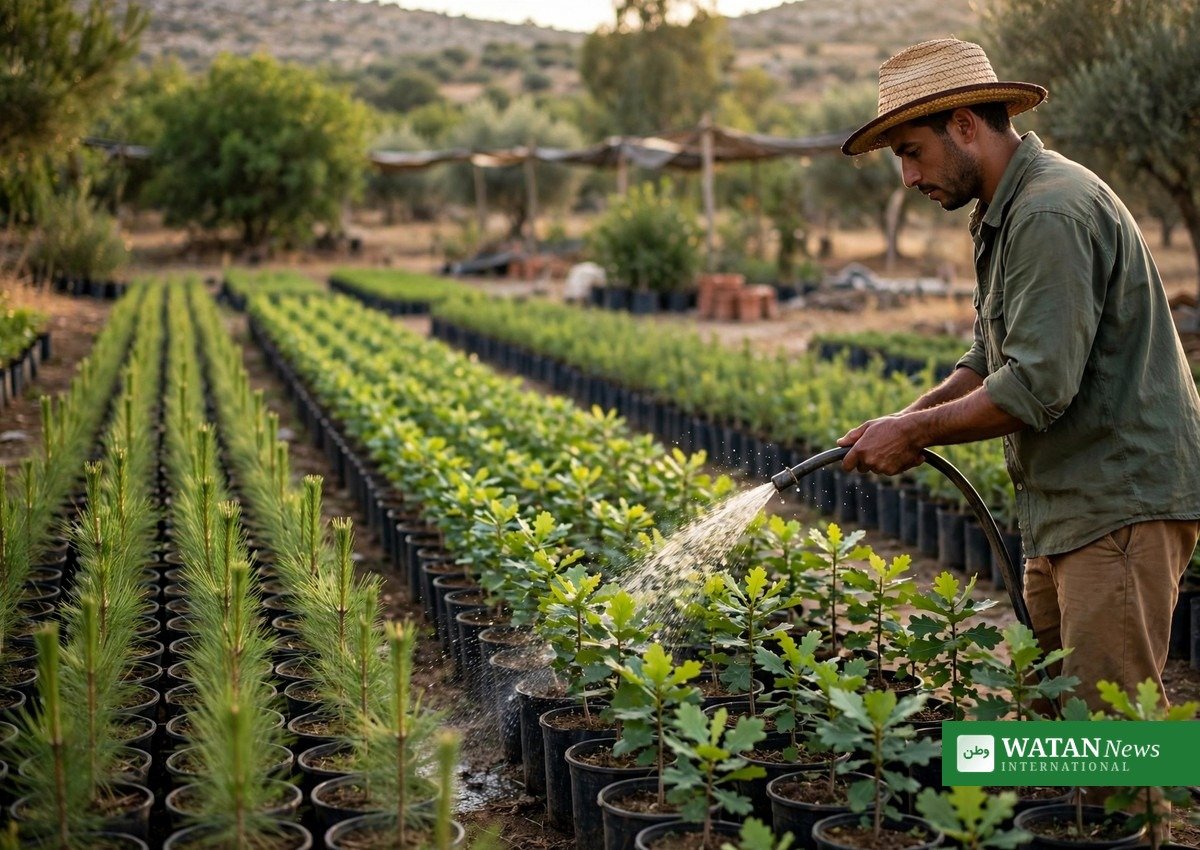
The strategy aims not only to restore tree cover but to make the restored forests more resilient to a changing climate. Alongside planting, it calls for the modernisation of forest infrastructure, the rehabilitation of ten existing forest nurseries, and the creation of automated watchtowers and water reservoirs in elevated areas.
Digital platforms will be introduced for early fire detection and rapid response, feeding data into a central monitoring system so managers can track growth, tree health and fire risk across the reforested areas. The government will also mobilise water resources, strengthen links to climate finance, and build partnerships with the private sector and civil-society groups.
Native trees first
The programme will prioritise two native species: cork oak and Aleppo pine. Both are well adapted to the Mediterranean climate of the north and the drier steppe further south, and both are more drought-resistant than fast-growing imported species.
Choosing native species matters. Research published on 3 November 2026 in the Proceedings of the National Academy of Sciences found that afforestation in temperate regions was associated with higher wildfire activity — on average 26 percent more fire occurrence per hectare per year — with the strongest increases where non-native conifer plantations replaced other land. The researchers concluded that where new forests are planted, and with which species, decides whether they reduce or raise fire risk. Tunisia’s emphasis on native, fire-adapted trees and on monitoring is designed with exactly that risk in mind.
The first two years
In the 2026–27 season, restoration work will cover 24,000 hectares: 15,260 hectares will be left to regenerate naturally, and 8,716 hectares will be planted with forest and pastoral plantations. During the same period, the nurseries will produce and plant 10 million seedlings, and a further 1.8 million seedlings will be planted as part of the United Nations Decade on Ecosystem Restoration, which runs from 2021 to 2030.
The plan also aligns with the Global Biodiversity Framework’s goal of restoring degraded ecosystems by 2030, positioning Tunisia as a regional example of forest restoration that blends technology, community engagement and ecological planning.
A wider push across Africa
Tunisia’s announcement comes in the same week as a major tree-planting moment elsewhere in Africa. As Watan News reported, the Republic of the Congo will launch the United Nations Decade on Afforestation and Reforestation early on 6 November, with mass planting at Ignie and a target of more than 200,000 trees. The UN Decade itself runs from 2027 to 2036, and both countries’ plans show how African nations are turning forest restoration into a central part of their climate strategies ahead of COP31 in Antalya.
Key facts
- Plan: Tunisia’s strategic action plan for 2026–2035 to reforest 30,000 hectares and restore forest ecosystems.
- Losses: Fires destroyed 74,602 hectares between 2011 and 2025, costing about 241 million Tunisian dinars (about 80 million US dollars).
- Species: Cork oak and Aleppo pine, both native and drought-resistant.
- First two years: 24,000 hectares of restoration; 10 million seedlings from ten upgraded nurseries; 1.8 million more under the UN Decade on Ecosystem Restoration.
- Technology: Automated watchtowers, water reservoirs and digital platforms for early fire detection.
- National Tree Day: 8 November, under the slogan “A Tree Today, a Forest Tomorrow.”