The UK-France migration deal has been scrapped after just one year. The UK Home Office confirmed on Wednesday, 30 September 2026, that the pilot scheme — under which small-boat arrivals in Britain could be returned to France in exchange for an equal number of asylum seekers admitted through a legal route — is “no longer processing new cases.” The arrangement, known inside the Home Office as Operation Hillmore, was the centrepiece of post-Brexit migration cooperation between London and Paris.
Key facts
- Scrapped: 30 September 2026 — the Home Office stopped processing new cases under the “one in, one out” pilot.
- Launched: August 2025, announced by the UK and France in July 2025; due to run for three years with an early-exit clause.
- How it worked: Britain could return small-boat arrivals judged to have no right to remain to France, while accepting an equal number of asylum seekers from France via a legal route.
- Results (Home Office, 4 Aug 2025 – 30 Jun 2026): 1,087 people returned to France; 1,117 transferred to the UK; about 1,500 returned in total since the pilot began.
- Scale of the problem: 27,920 small-boat arrivals in the same period — only about 4% were sent back.
- Cost: about £56,000 (approx. €65,500) per person returned, Home Secretary Shabana Mahmood told MPs on 15 September 2026.
- Crossings in 2026: roughly 19,000 so far — about 40% fewer than the same period in 2025, a five-year low.
- France: the Interior Ministry said it is “discussing with the British the terms of exit from the agreement.”
The scheme that ended after one year
The UK-France migration deal began operating in August 2025 as a pilot intended to last three years, with a clause allowing either side to end it early. In June 2026 the two countries extended it until 1 October 2026 — but France, which had already signalled in June that the pilot was not intended to continue beyond that date, was unwilling to renew it. The deal died the day before it was due to expire.
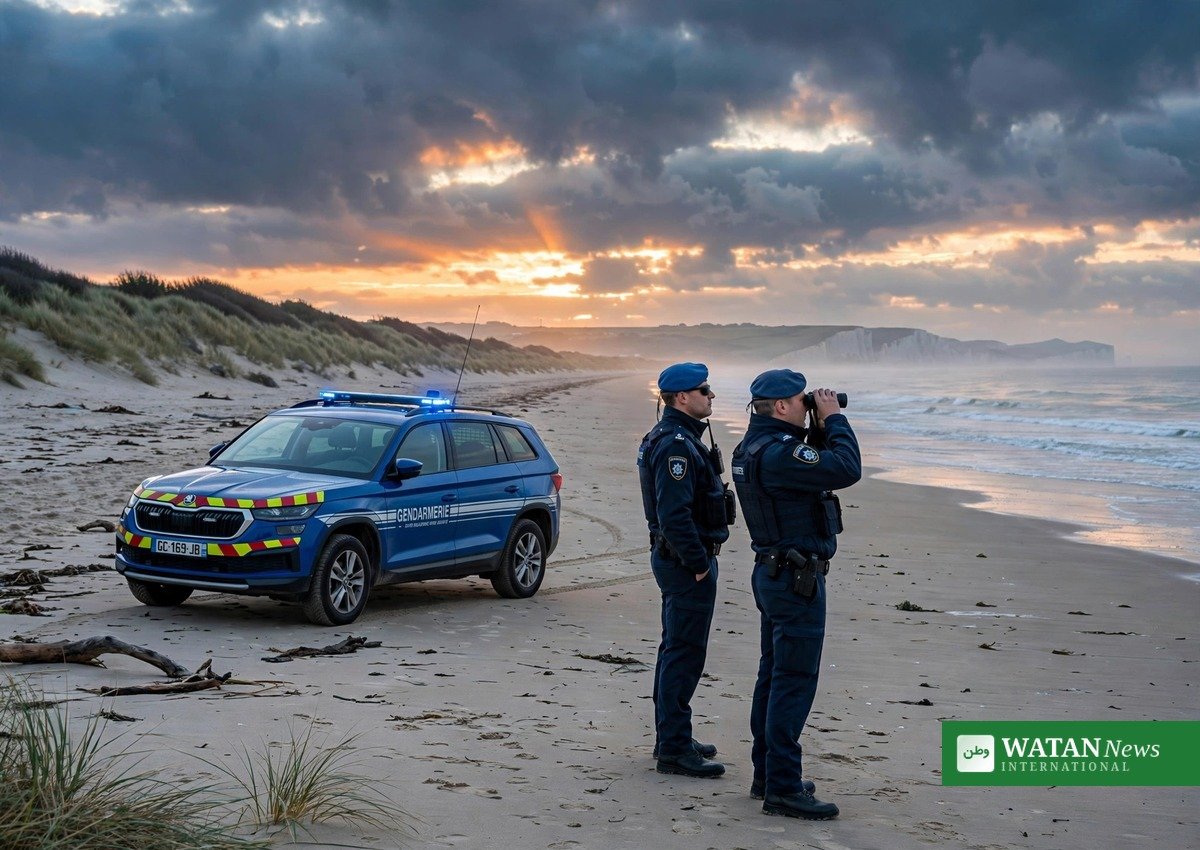
French gendarmes patrol a beach near Calais. France had signalled months earlier that the pilot was not meant to continue beyond October 2026.
According to detailed reporting on the scheme’s end, around 1,500 individuals were sent back to France under the arrangement — a fraction of the total small-boat arrivals during its operation. Deportation flights will continue in the coming weeks for migrants already detained under the scheme, even though no new cases are being processed.
Why critics called it a scheme of political diplomacy
Long before it was scrapped, analysts described the UK-France migration deal as more an exercise in political diplomacy than a serious deterrent. The agreement was negotiated as a gesture to ease post-Brexit tensions between London and Paris, and its real function, critics argued, was to let both governments point to action on irregular migration — even as the numbers showed it barely touched the flow of crossings.
The framing reduced people fleeing conflict, displacement and traumatic experiences to statistics in a diplomatic exchange. Public discourse kept labelling them simply as “migrants,” while the focus on numbers and deterrence overshadowed the humanitarian crises driving the journeys — and the absence of safe, legal pathways to move.
The numbers that sank the deal
Home Office figures made the case against the pilot better than any critic could. Between 4 August 2025 and 30 June 2026, the scheme moved just over 2,200 people in both directions while nearly 28,000 arrived on small boats.
| Figure (4 Aug 2025 – 30 Jun 2026) | Number |
|---|---|
| Returned from the UK to France | 1,087 |
| Transferred from France to the UK | 1,117 |
| Total small-boat arrivals in Britain | 27,920 |
| Share of arrivals returned to France | ≈4% |
| Cost per person returned (£) | 56,000 |
Crossings fall to a five-year low
Paradoxically, the deal was abandoned at a moment when Channel crossings are falling. About 19,000 people have made the journey so far in 2026 — roughly 40% fewer than at this point in 2025 — a five-year low attributed to increased police patrols and enhanced surveillance in northern France.
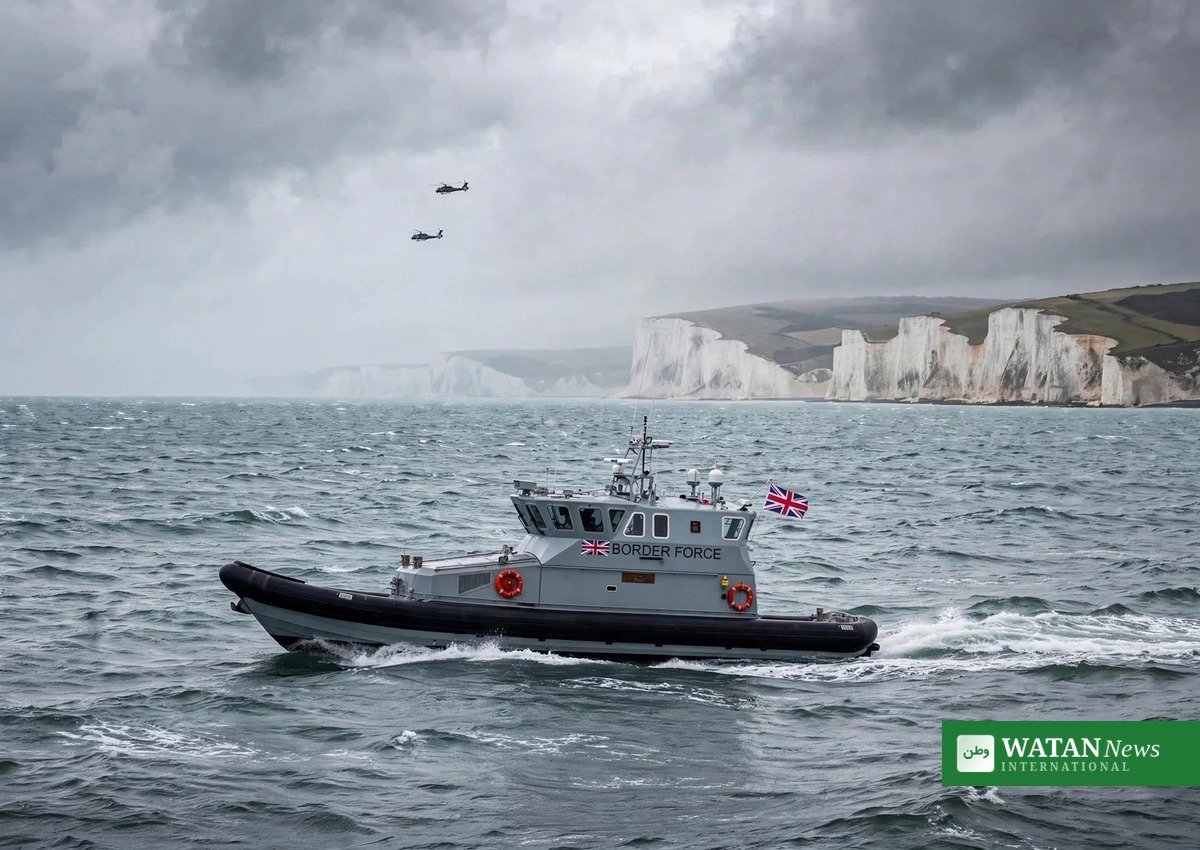
A UK Border Force vessel patrols near the white cliffs of Dover. Crossings are down about 40% on last year even as the returns deal ends.
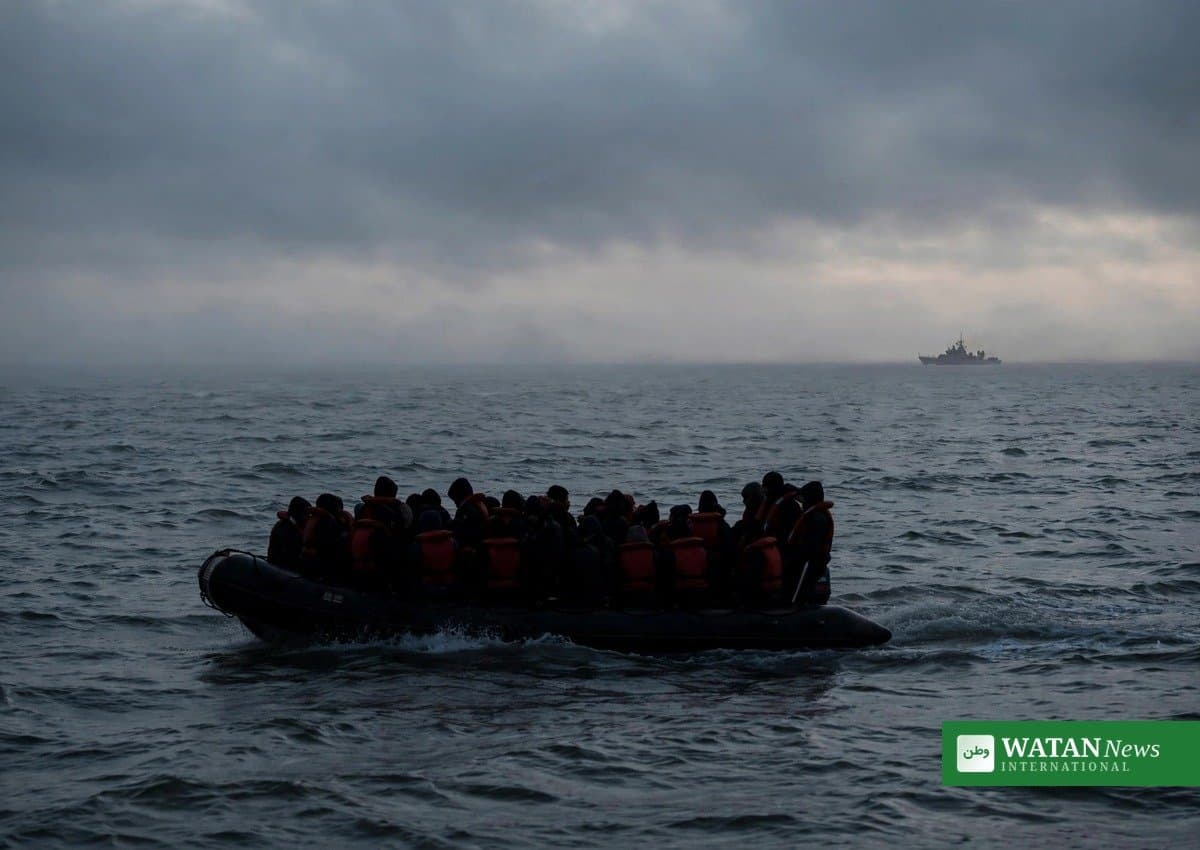
But the crossings remain deadly. Just two days before the deal was scrapped, a 10-year-old child and two women were trampled to death on a boat packed with more than 100 people — a reminder that, with the legal route now closed, desperate journeys continue.
What happens next
The Home Office says cooperation with France on small-boat crossings will continue despite the end of the pilot. “We continue to work with France to relentlessly tackle small boat crossings, and we’ve made real progress,” a spokesperson said, adding that “lessons learned” from the scheme would be used to accelerate efforts to return migrants with no right to remain. The French Interior Ministry, meanwhile, said the two sides are discussing the terms of exit from the agreement. French officials have floated replacing the pilot with a wider European returns framework.
For more on the UK-France migration deal and related stories, see our World news section.
Conclusion
The UK-France migration deal was sold as a deterrent but functioned as diplomacy — and its quiet scrapping after one year confirms what the numbers said all along: moving a few thousand people while tens of thousands cross was never going to resolve irregular migration. Whether the “lessons learned” produce a more effective system, or simply a new scheme of political theatre, remains the question both governments must now answer.
Read the full story on our main site: UK-France migration deal: ‘one in, one out’ scheme scrapped after a year.