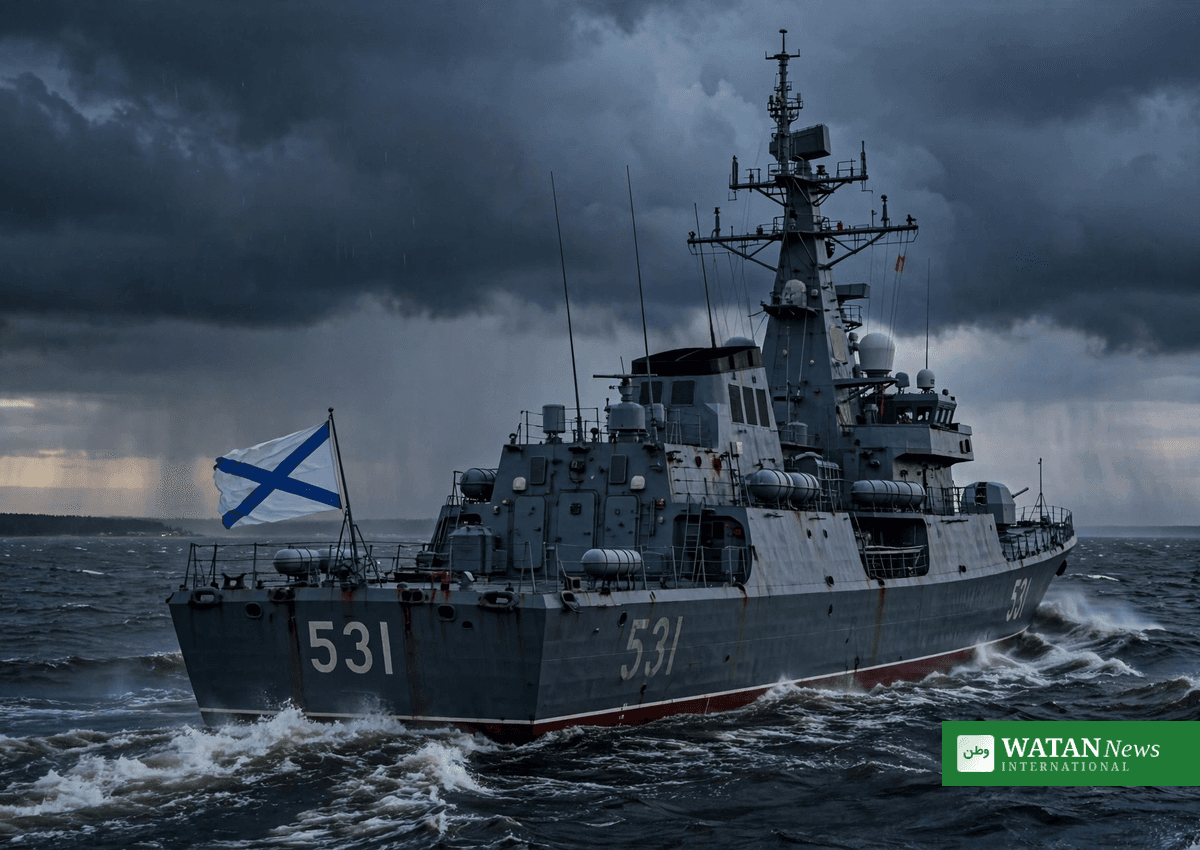
Russian President Vladimir Putin has issued his most explicit warning yet over the Baltic exclave of Kaliningrad, saying Moscow would consider using the full range of weapons in its arsenal – including nuclear weapons – if the territory is threatened. The Putin Kaliningrad warning, delivered at the Valdai Discussion Club forum in Moscow on Thursday, follows a Russian diplomatic memo accusing NATO of preparing an air and naval blockade of the exclave. NATO Secretary General Mark Rutte dismissed the document as “unhelpful” and urged Moscow to stop its nuclear threats.
FAKTA: Putin’s Kaliningrad warning
- What was said: Speaking at the Valdai Discussion Club forum in Moscow on Thursday, Putin said Russia would consider using the whole range of weapons in its arsenal if Kaliningrad was threatened (Reuters).
- The trigger: A Russian diplomatic memo sent to NATO states on Wednesday claimed Moscow has “information that NATO is preparing an air and naval blockade of Kaliningrad”.
- NATO’s reply: Secretary General Mark Rutte said NATO is a defensive alliance, called the document unhelpful, and said Russia should “stop the nuclear threats” – adding that “Putin knows that he can never win” in a direct escalation.
- Why Kaliningrad matters: The exclave sits on the Baltic Sea between NATO members Poland and Lithuania. It hosts Russia’s Baltic Fleet and nuclear-capable Iskander missile systems.
- Rising tensions: Poland has reported alleged Russian airspace incursions in recent weeks, and Danish authorities said a Russian warship fired two flares near a Danish military helicopter over the Baltic Sea two weeks ago (Al Jazeera).
Putin’s Kaliningrad warning at Valdai
Addressing international Russia experts at the Valdai forum, Putin framed the warning as strictly defensive. He insisted that Russia does not plan to attack anyone, but would respond “in the face of aggression” if its territory were directly threatened. He rejected Western assessments that Moscow is preparing for a war with NATO in 2029 or 2030, saying Russia has no such plans.
The Russian president has long used the Valdai stage for major foreign-policy statements, and this year’s address leaned heavily on nuclear rhetoric. At one point he invoked Chekhov’s famous principle – that a gun shown on stage must eventually fire – to argue that the use of weapons of mass destruction by the world’s leading powers “cannot be ruled out”, urging states to prevent such a scenario.
The blockade claim and NATO’s response
The diplomatic memo behind the warning was circulated to NATO member states on Wednesday. It claimed Moscow has information that the alliance is preparing an air and naval blockade of Kaliningrad and the Kaliningrad region. The Russian Embassy in Ireland echoed the line publicly, stating: “There should be no mistake – Russia would be ready to use all its arsenal, including nuclear weapons, to defend its territory if NATO countries try to isolate Kaliningrad region from the rest of the country.”
NATO’s response was swift. Alliance spokesperson Allison Hart confirmed that a written communication from Russia had been received and replied to, saying: “We strongly denounce the threat of force, including any irresponsible nuclear rhetoric.” Hart insisted that NATO is not targeting Kaliningrad and that none of the alliance’s activities or exercises pose a risk to any part of Russia. Secretary General Rutte went further, calling the Russian document unhelpful and urging Moscow to “stop the nuclear threats”.
Why Kaliningrad matters
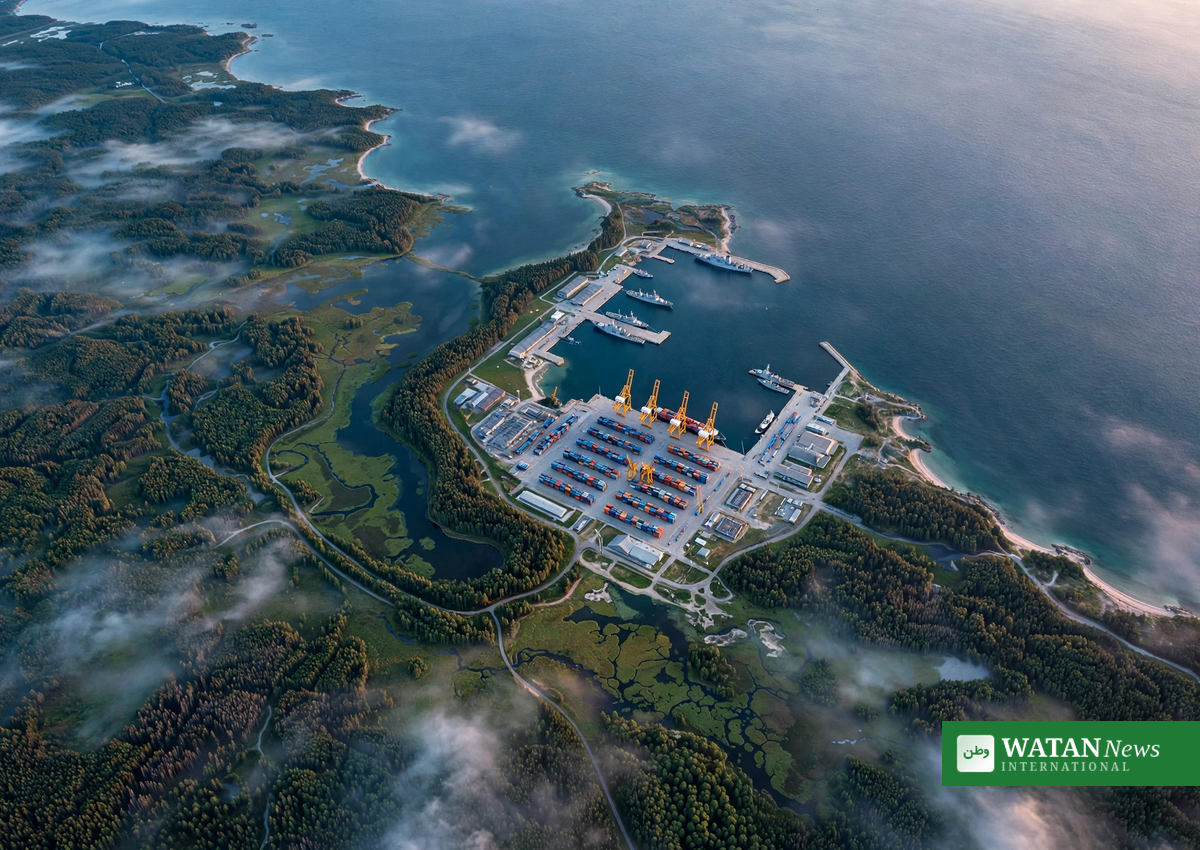
Kaliningrad is a Russian exclave on the Baltic Sea coast with no land connection to mainland Russia, bordered by Lithuania and Poland – both NATO members. The territory is one of Russia’s most heavily militarised outposts: it is home to the Russian Baltic Fleet and hosts nuclear-capable Iskander short-range ballistic missile systems.
Western military officials have long treated Kaliningrad as a likely early target in any NATO–Russia confrontation, precisely because its missile batteries can reach deep into alliance territory. Moscow, in turn, treats any discussion of isolating the exclave as an existential threat – which is why the blockade claim carries such explosive weight. The Reuters report on Putin’s Valdai remarks notes that the warning was aimed squarely at what the Kremlin describes as Western planning for a confrontation in the Baltic.
Escalating incidents in the Baltic
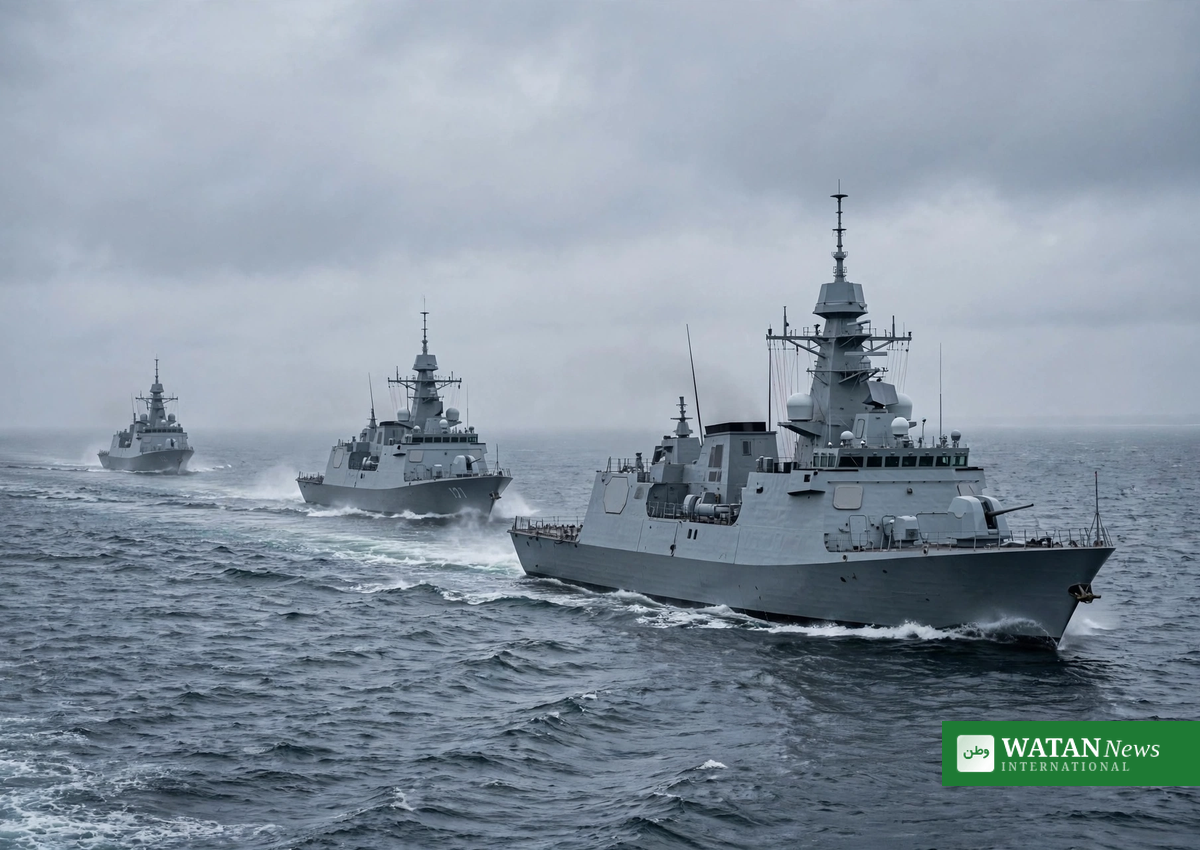
The warning comes against a backdrop of mounting incidents. Poland has heightened its air defence posture following alleged Russian incursions into its airspace in recent weeks. Danish authorities reported that a Russian warship fired two flares near a Danish military helicopter over the Baltic Sea two weeks ago. Western officials also point to a pattern of hybrid-warfare activity attributed to Russia across Poland and the Baltic states.
NATO has responded with its own show of force in the region. Last year the alliance launched Operation Baltic Sentry to safeguard undersea communication cables and pipelines, and additional exercises were scheduled for October. Each side now frames the other’s manoeuvres as provocation – a dynamic that analysts warn raises the risk of miscalculation in one of Europe’s most crowded military theatres.
Energy war rages on
At Valdai, Putin also addressed Ukraine’s escalating campaign against Russian oil refineries, framing Russia’s strikes on Ukrainian energy infrastructure as retaliation for Ukrainian attacks on Russian oil facilities and Black Sea vessels. Ukraine says its refinery strikes aim to disrupt the funding of Russia’s war, and the campaign has bitten: Russia’s refining output has fallen sharply in 2026, with repeated Ukrainian drone strikes forcing full or partial shutdowns at major plants.
The pressure is visible in Moscow’s own actions. Putin has signed a decree restricting public access to data on Russia’s oil refineries and energy exports – a move widely seen as an attempt to hide the scale of the damage and complicate Western sanctions enforcement. With the European Union scheduled to end all imports of Russian oil and gas in January 2027, the energy front of the war is set to intensify further.
What happens next
Putin’s Kaliningrad warning marks a dangerous new peak in the nuclear rhetoric surrounding the Baltic. While NATO insists the alliance is defensive and that the blockade claims are unfounded, Moscow has now put its most extreme threat – the use of its entire arsenal – explicitly on the table over a single piece of territory. Rutte’s blunt reply that Putin “can never win” a direct escalation signals that the West has no intention of backing down from the rhetoric either.
The coming weeks will test whether this is brinkmanship or the prelude to something worse. With NATO exercises scheduled in the Baltic this month and both sides reporting fresh airspace incidents, the margin for miscalculation is narrowing. Follow this developing story on Watan News for continuing coverage.