Developing countries will need about $305 billion every year by 2035 to protect their people from the impacts of climate change, the United Nations Environment Programme (UNEP) has warned — but the money actually reaching them covers only around a tenth of that need. The warning comes in UNEP’s Adaptation Gap Report 2026, published on 4 November, just five days before the COP31 climate summit opens in Antalya.
The report, titled “Ready? Not. Climate Impacts Will Not Wait. Adaptation Finance Must Rise”, is UNEP’s 11th annual assessment of how far the world has come in preparing for climate impacts — and how far behind it remains. Its central finding is blunt: with global warming set to pass 1.5°C, adaptation is moving too slowly, and the finance gap is growing.
The gap in numbers
Based on countries’ national climate plans, national adaptation plans and model-based estimates, UNEP puts the adaptation needs of developing countries at between $255 billion and $328 billion a year over the next decade, with a central estimate of around $305 billion annually by 2035. That figure largely excludes the private sector’s own adaptation needs, which UNEP says could almost double it.
Against that need, international public adaptation finance flowing from developed to developing countries reached only $28.2 billion to $31.7 billion in 2024 — an increase of just $1 billion on the previous year. Growth in the funding is flattening, the report says, even as heatwaves, floods, droughts and storms intensify.
Least developed countries and small island developing states — the countries most exposed to climate impacts — need between $40 billion and $50 billion a year between them over the coming decade, according to the report.
Even tripling the money would not close the gap
At COP30 in Brazil last year, governments agreed in the Global Mutirão decision to work towards at least tripling international public adaptation finance by 2035. UNEP calculates that, depending on the baseline used, tripling would raise flows to between $85 billion and $120 billion a year by 2035 — but after adjusting for inflation, that would still cover only 20 to 29 per cent of what developing countries need.
“The world is not ready to adapt to current climatic conditions — never mind what overshoot of 1.5°C will bring,” UNEP Executive Director Inger Andersen said as the report was launched.
UN Secretary-General António Guterres warned that the numbers expose a “staggering shortfall” in adaptation finance. “The gap in adaptation finance is not measured in money alone, but in lives, livelihoods and lost futures,” he said. “We know who is most at risk. We know what works. What is missing is the money and the political will. The choice is simple — invest in adaptation today or pay for catastrophe tomorrow.”
There was some movement in other channels: finance flowing through development banks and between developing countries more than doubled, from $3.8 billion in 2019 to $9.6 billion in 2024. And the report notes that countries could still meet the Glasgow Climate Pact goal of doubling adaptation finance from 2019 levels to $40 billion by 2025.
Loss and damage: requests dwarf the fund
The report also examined the Fund for Responding to Loss and Damage, which helps countries recover after climate disasters. More than 100 developing countries have applied to the fund, requesting $2.8 billion in total. Only $342 million was available in its first funding round in July 2026 — roughly one dollar in every eight requested.
Nepal alone was granted $20 million after devastating floods earlier this year. According to Carbon Brief’s analysis, that covers just 0.7 per cent of the estimated damage from the disaster.
What it means for COP31
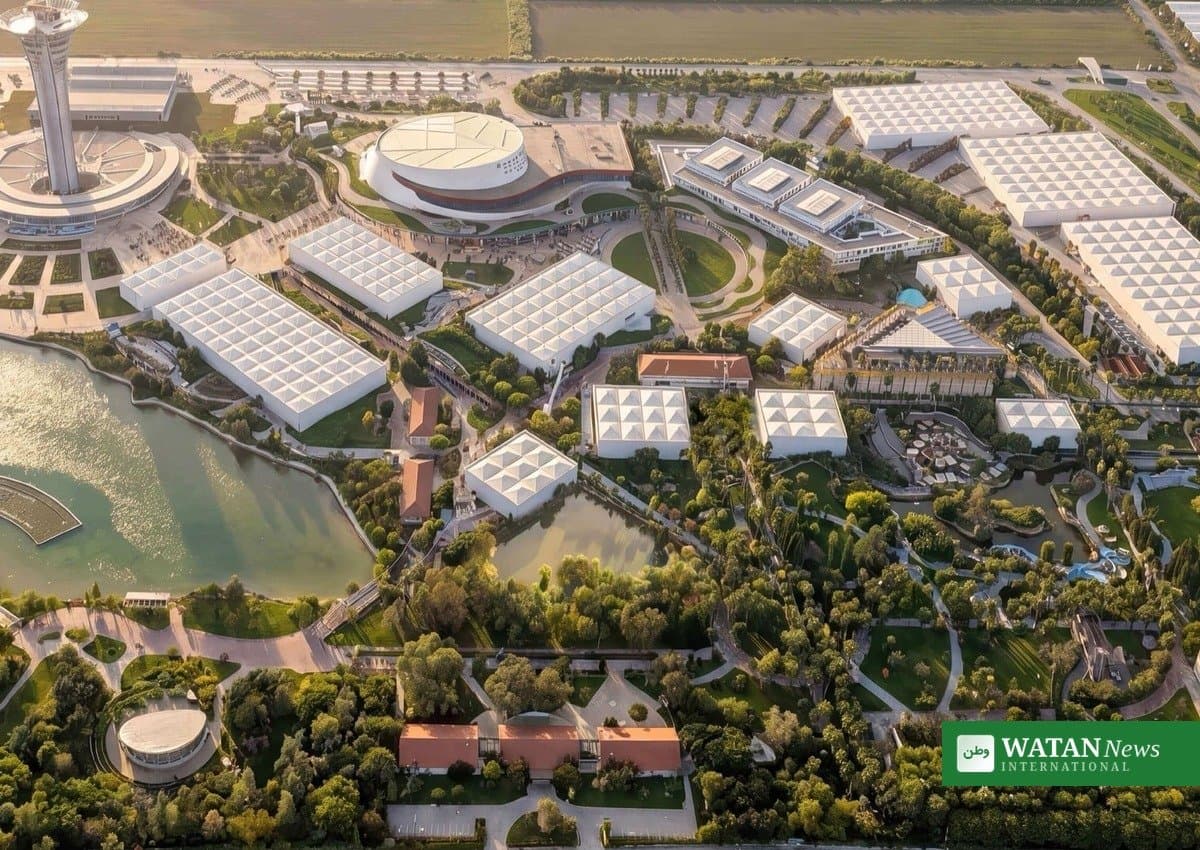
Adaptation finance is set to be one of the central disputes when COP31 opens in Antalya on 9 November. Developing countries are pressing for predictable, grant-based finance that reaches the communities most at risk, while the presidency has framed the summit as an “implementation COP” focused on turning past promises into delivery.
For the latest on what is at stake in Antalya, read our COP31 preview: what is at stake at the UN climate summit.
The report’s message to negotiators is that the arithmetic no longer adds up: even the most ambitious finance pledge on the table would leave more than 70 per cent of adaptation needs unmet. As Andersen put it, the world is not ready for the climate it already has — let alone the one that is coming.
Key Facts
- Adaptation need by 2035: about $305 billion a year for developing countries (UNEP central estimate).
- Finance delivered in 2024: $28.2–31.7 billion in international public adaptation finance — about a tenth of the need.
- Tripling by 2035: would raise finance to $85–120 billion a year, covering only 20–29% of needs.
- Loss and Damage Fund: $2.8 billion requested by more than 100 countries; $342 million available in the first round.
- Report: UNEP Adaptation Gap Report 2026, “Ready? Not”, published 4 November 2026 in Nairobi.