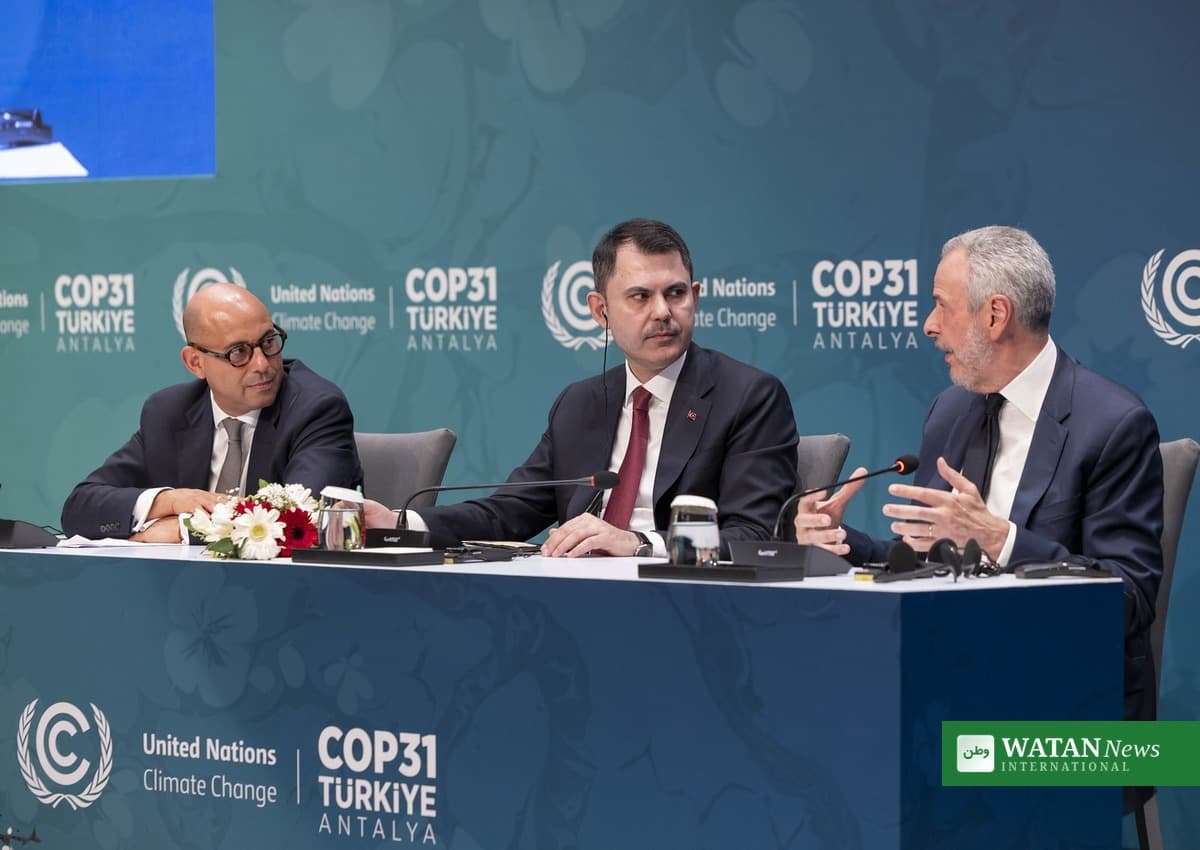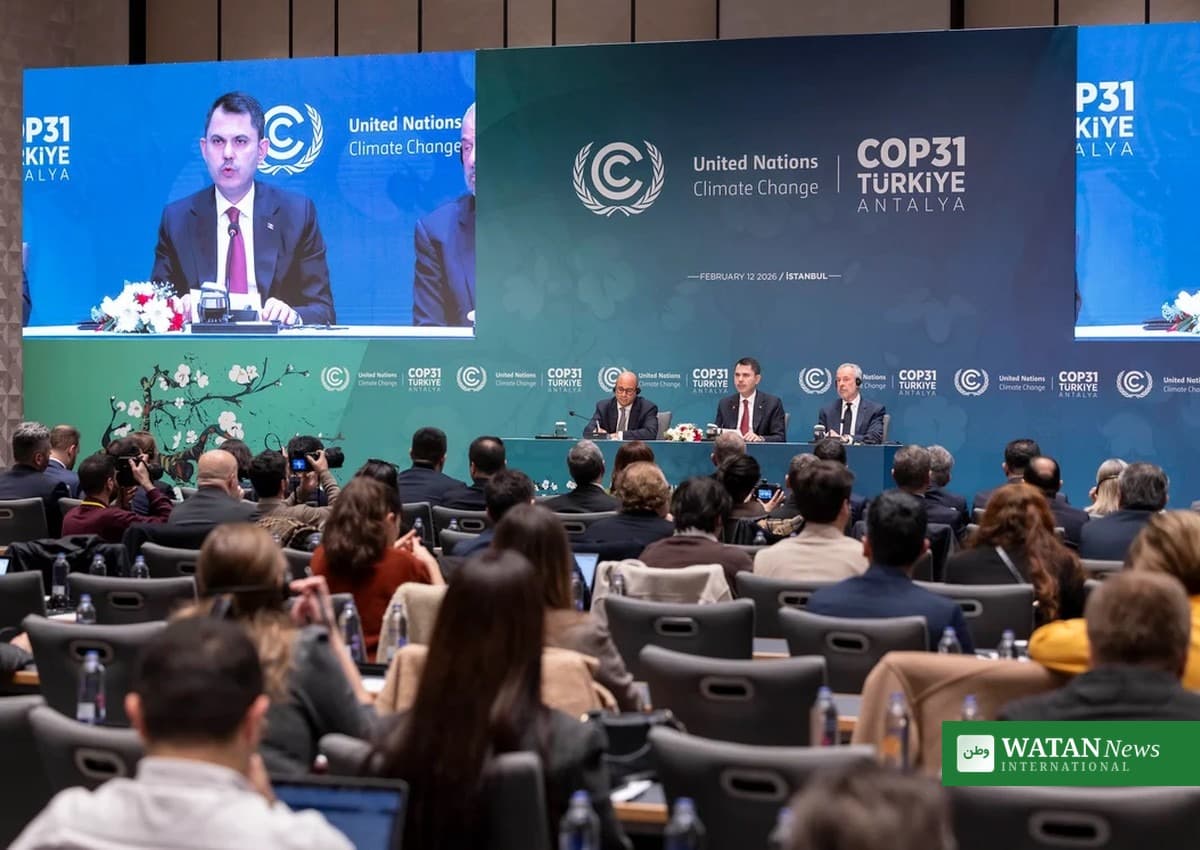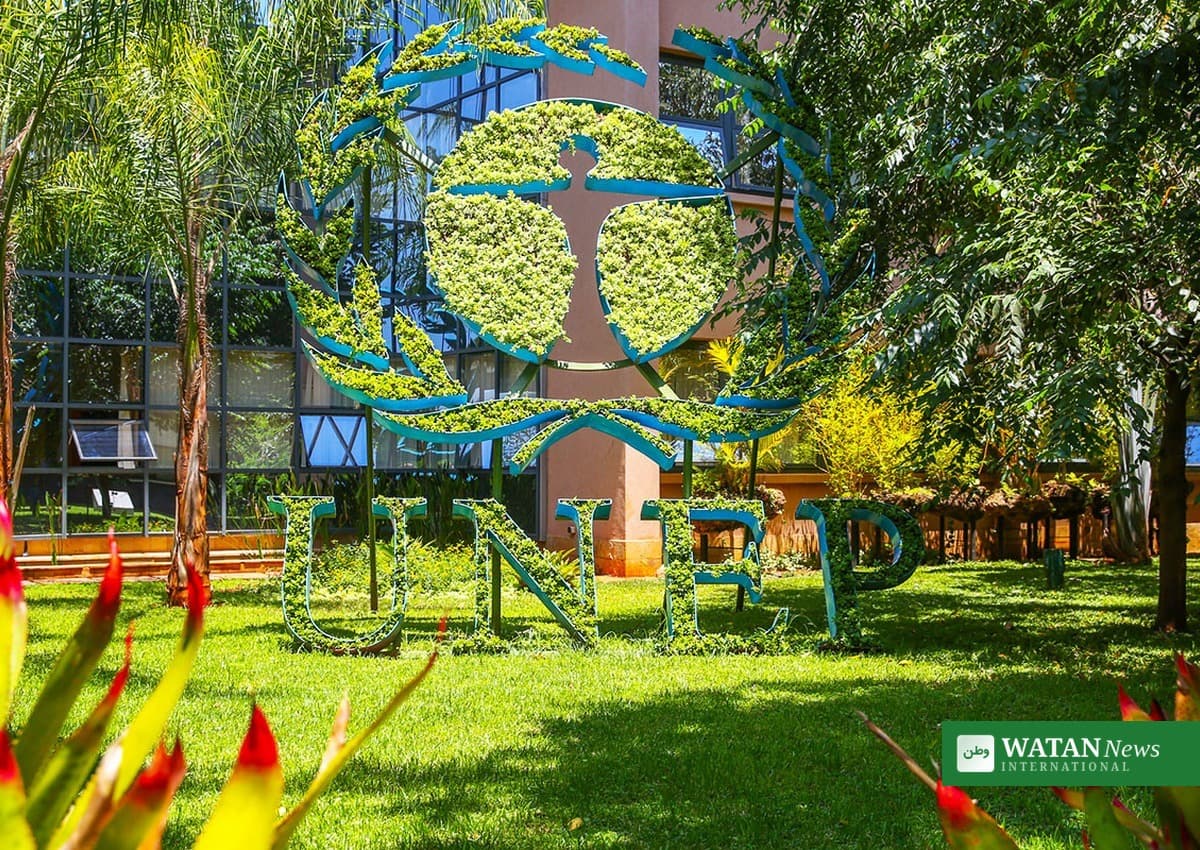
Governments at COP31 in Antalya have formally confirmed the United Nations Environment Programme (UNEP) as the host of the Climate Technology Centre for an initial five years, securing the future of the UN body that helps developing countries find, fund and use climate technologies. The decision, adopted as the summit closed, renews UNEP’s mandate to run the centre through a new memorandum of understanding, and keeps the technology arm of the UN climate talks working while the wider negotiations move on.
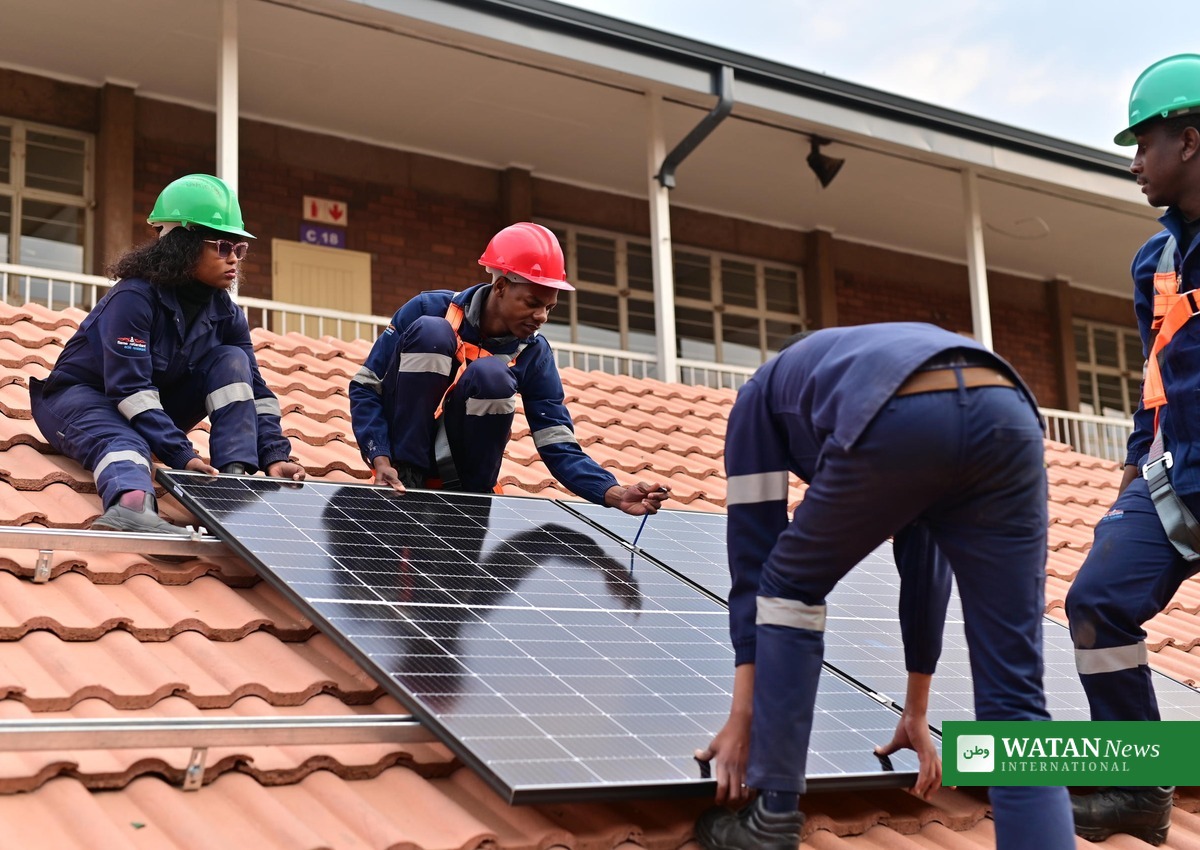
The Climate Technology Centre and Network (CTCN) is the part of the UN climate system that turns technology promises into practical help: a government asks for support, and the centre connects it with experts, designs and finance to put clean technology into use. For many developing countries, it is the main route to technologies they cannot develop or buy on their own — from solar power and efficient cooling to climate-resilient farming.
What COP31 decided
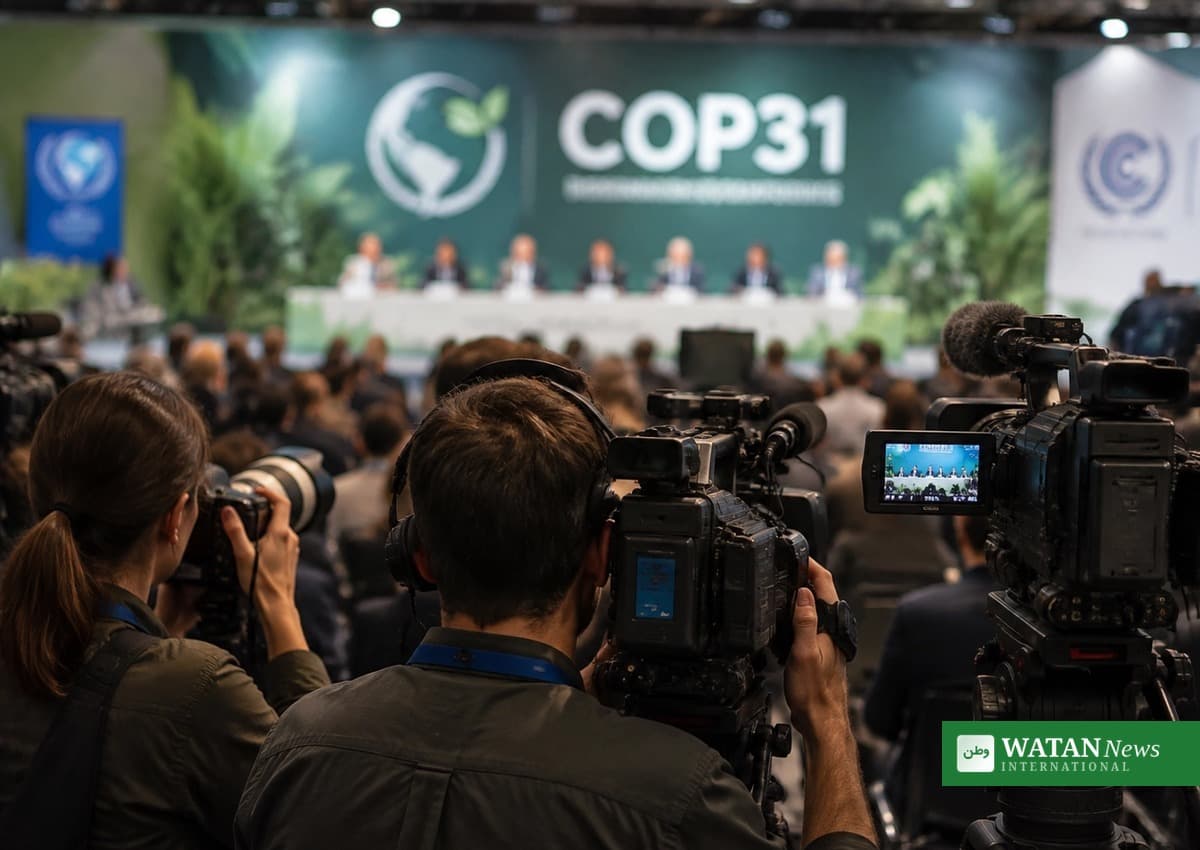
Parties to the UN Climate Change Convention formally confirmed UNEP as the host of the Climate Technology Centre, adopting a new memorandum of understanding with UNEP, the UN agency announced on 23 November. The decision was taken in the COP plenary and confirmed in parallel by the meeting of the Parties to the Paris Agreement.
Under the decision, UNEP will host the centre for an initial term of five years, starting from the entry into force of the memorandum of understanding, followed by two five-year renewal periods if the Conference of the Parties so decides. The memorandum is due to enter into force on 23 February 2027, once signed, and the estimated budget period starts in 2028.
UNEP put the cost of the first five-year period at $106.2 million, according to the proposal circulated at COP31. The presidency received 22 hosting proposals; six met the mandatory information requirements and had their executive summaries published. UNEP already hosts the centre, and the decision confirms that role rather than moving it elsewhere.
The decision was one of the items governments did manage to adopt at COP31, which closed on 22 November without agreement on its main cover decision. UNEP Executive Director Inger Andersen, in her statement on the closing of COP31, said: “This was the first COP since UNEP data made clear we will overshoot 1.5°C. Science is not up for negotiation. Climate impacts will not wait for agreement – they are here now.”
Why the centre matters
The Climate Technology Centre is the implementation arm of the Technology Mechanism created under the UN climate convention, working alongside the Technology Executive Committee. It responds to requests from developing countries, matches them with technology providers from its network of organisations, and helps turn national climate plans into projects on the ground.
Technology transfer sits at the heart of the Paris Agreement: developing countries agreed to cut emissions and adapt to warming, and developed countries agreed to support them with finance, technology and capacity building. When that support stalls, national climate plans stall with it. A stable host and a funded five-year term give the centre the continuity to plan multi-year programmes instead of working year to year.
The centre’s work covers the technologies that decide whether climate targets are met: clean power, efficient grids, sustainable cooling, resilient agriculture and water systems. Its advice also shapes how countries spend climate finance — including on the power grids now expanding fastest in the developing world, where the choice of equipment locks in emissions for decades.
New funding to turn plans into projects
Alongside the hosting decision, the European Union announced €211,000 in additional funding for the centre’s Innovative Climate Solutions Programme, announced on 10 November at COP31. The funding supports scale-up work in three countries: Kenya, where it backs SF6-free electrical infrastructure, including a national phase-out roadmap and pilot projects; Senegal, where it supports efforts to decarbonise the cement sector; and the Maldives, where it advances green hydrogen solutions.
UNEP described the contribution as the first dedicated donor funding for the centre’s post-technical-assistance scale-up and matchmaking activities — the step that bridges the gap between identifying a climate solution and deploying it on the ground. It also links directly to the Global SF6 Pledge launched at COP31, which aims to cut emissions of sulphur hexafluoride, the most potent greenhouse gas, from power grids as electrification expands.
Key facts
- Decision: COP31 formally confirmed UNEP as host of the Climate Technology Centre, with a new memorandum of understanding.
- Term: an initial five years from the entry into force of the memorandum, with two possible five-year renewals if the COP so decides.
- Memorandum: due to enter into force on 23 February 2027, once signed; the estimated budget period starts in 2028.
- Estimated five-year budget: $106.2 million, according to UNEP’s estimate in the proposal circulated at COP31.
- Hosting proposals received: 22, of which six met the mandatory information requirements.
- New EU funding: €211,000 for the centre’s Innovative Climate Solutions Programme, supporting Kenya, Senegal and the Maldives.
What happens next
The memorandum of understanding will now be signed, bringing the new hosting term into force on 23 February 2027. The centre will continue its work under revised functions that take effect from 2027, and its term has already been extended until the end of 2041 by decisions taken at COP30. The first test of the renewed mandate will be whether the five-year budget is funded in full — and whether the technical assistance the centre provides turns into financed projects in the countries that ask for it.
For developing countries, the decision removes one uncertainty from the climate talks. The technology centre will still be there, with the same host, when they come back with their next request.