content bytes: 9846
ce Week 2026, observed annually from October 4 to 10, celebrates the contribution of space technology to humanity. Declared by the United Nations in 1999, the week marks two historic milestones: the launch of Sputnik 1 on October 4, 1957, and the entry into force of the Outer Space Treaty on October 10, 1967. This year’s theme is “The Rocket Revolution”, and the celebration arrives as more than 80 countries have put satellites into orbit and citizens of over 50 nations have travelled to space.
Key Facts
- World Space Week runs every year from October 4 to 10; the 2026 theme is “The Rocket Revolution”.
- The dates commemorate Sputnik 1 (October 4, 1957) and the Outer Space Treaty (entered into force October 10, 1967).
- By the Kármán line measure, at least 746 people from 52 countries have travelled to space, including professional astronauts and paying tourists.
- The United States has sent 369 people to space; the Soviet Union and Russia 138 combined; China 29.
- Only three nations — the Soviet Union/Russia, the United States and China — have launched people on their own crewed spacecraft.
- Of the 746 space travellers, only 112, or 15 percent, have been women.
- Most international bodies use the Kármán line at 100 km as the edge of space; the US military, NASA and the FAA use 80 km.
- In 2025, World Space Week set a record of nearly 50,000 events in 102 countries.
The first man in space – Yuri Gagarin
Sixty-nine years ago, the Soviet Union’s Sputnik 1 became the first satellite to orbit Earth, opening the Space Age and setting off a race with the United States. Less than four years later, on April 12, 1961, Soviet cosmonaut Yuri Gagarin became the first human in space.
On board the Vostok 1 spacecraft, Gagarin completed one orbit of Earth at about 27,400 km/h (17,025 mph) during a 108-minute flight. He later ejected from the spacecraft and landed by parachute. The mission demonstrated that humans could survive launch, weightlessness and re-entry, giving the Soviet Union a major early victory in the Cold War Space Race.
Ten years after Sputnik, on October 10, 1967, the Outer Space Treaty came into force. Signed by the US, the United Kingdom and the Soviet Union, it established that space should be explored and used peacefully and that no country could claim it as territory. Less than two years later, NASA’s Apollo 11 mission landed the first humans on the Moon: on July 20, 1969, Neil Armstrong became the first person to walk on its surface, uttering the famous words: “That’s one small step for man, one giant leap for mankind.”
Where does space begin?
There is no single agreed boundary for where space begins: most international bodies use the Kármán line, 100 km (62 miles) above Earth, while the US military, NASA and the Federal Aviation Administration count anyone who flies above 80 km (50 miles). Either way, it is closer than it sounds: if Earth were the size of an apple, space would begin about as far from the surface as the thickness of its skin.
Which countries have sent people to space?
By the widely cited 2026 count, at least 746 people from 52 countries have travelled to space by the Kármán line measure. Some hold dual nationality, and some flew for countries that no longer exist, such as the Soviet Union. Two countries still dominate the list, as the table below shows:
| Nation | People sent to space |
|---|---|
| United States | 369 |
| Soviet Union and Russia (combined) | 138 |
| China | 29 |
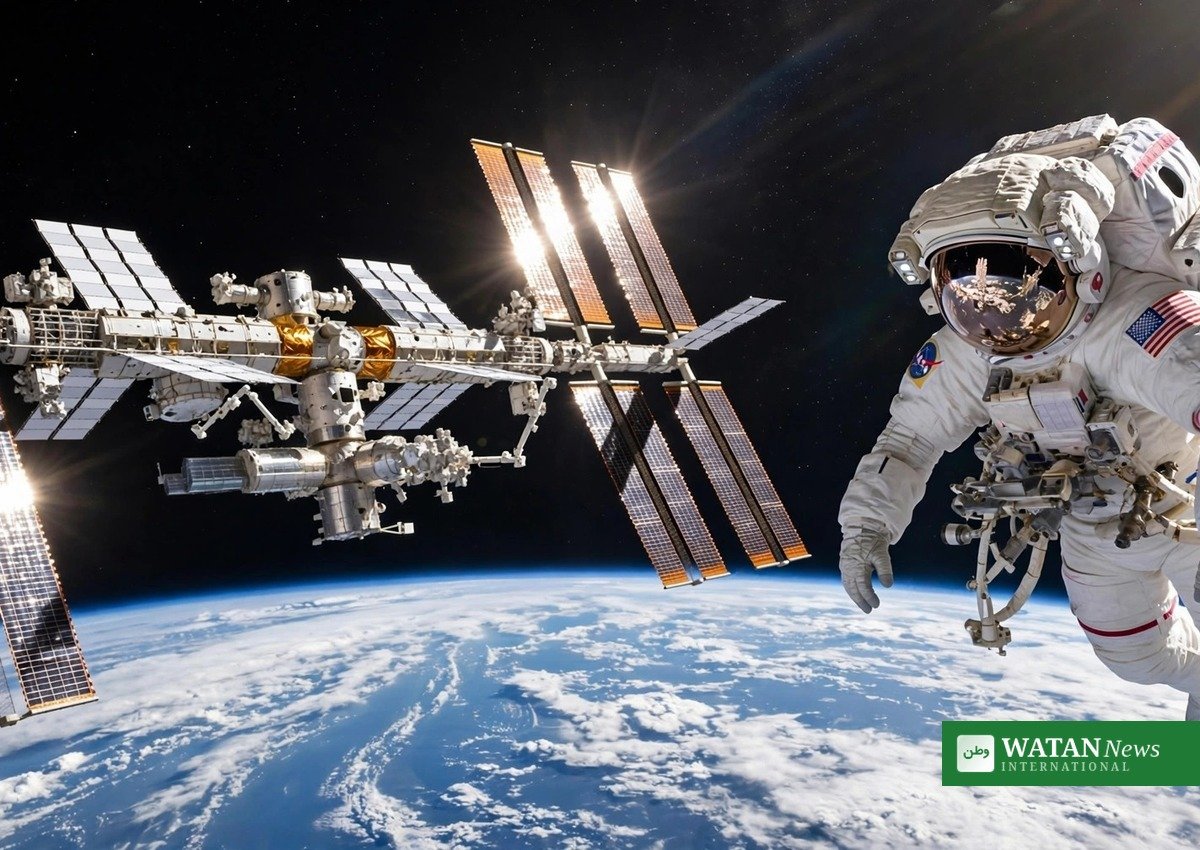
China is the third country to launch people on its own rockets. Dozens of other nations have flown citizens through partnerships: as of 2025, 290 people from 26 countries had visited the International Space Station, including astronauts from Japan, Canada, France, Germany, Italy, the United Arab Emirates, Saudi Arabia, Denmark, the United Kingdom, Brazil, India, South Korea and many others.
One in seven space travellers is a woman
Space remains a male-dominated frontier. Of the 746 people who have travelled to space, only 112, or 15 percent, have been women — about one in seven. Soviet astronaut Valentina Tereshkova became the first woman to travel to space in June 1963, aboard the Vostok 6 rocket. The US did not follow for another 20 years, until Sally Ride flew in June 1983.
The share of women is rising, though, largely because of commercial flights. More than half of the women who have flown since 2020 went up as paying passengers or guests on suborbital rockets such as Blue Origin’s.
World Space Week 2026: The Rocket Revolution
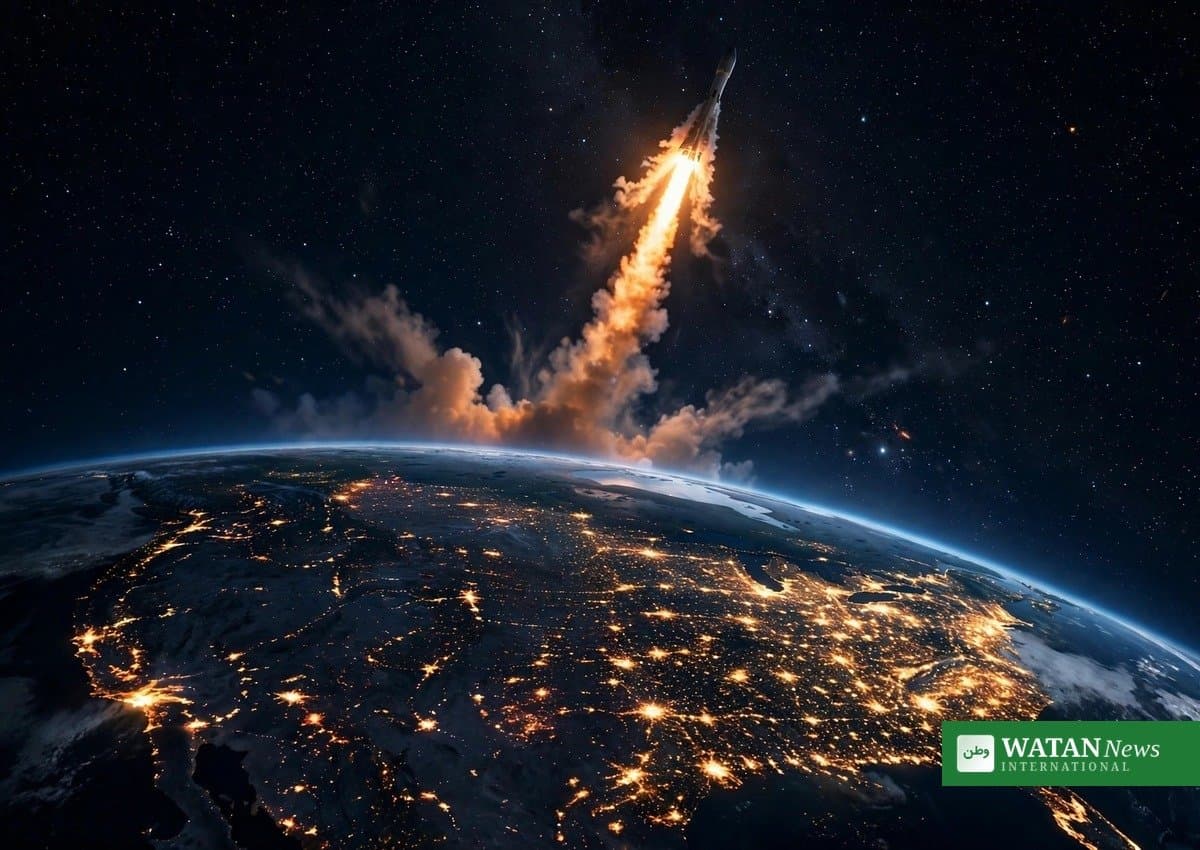
This year’s theme, “The Rocket Revolution”, celebrates how launch innovation has transformed access to space. Once limited to a handful of government programmes, orbit is now reached through commercial launch providers, reusable rockets, university teams, startups and new national space actors — lowering prices and opening space to a new generation of missions and industries.
Events are being held in more than 100 nations, from stargazing nights and science classes to exhibitions and talks by astronauts. Last year set the record: nearly 50,000 activities in 102 countries, the highest participation in World Space Week history.
What comes next for human spaceflight
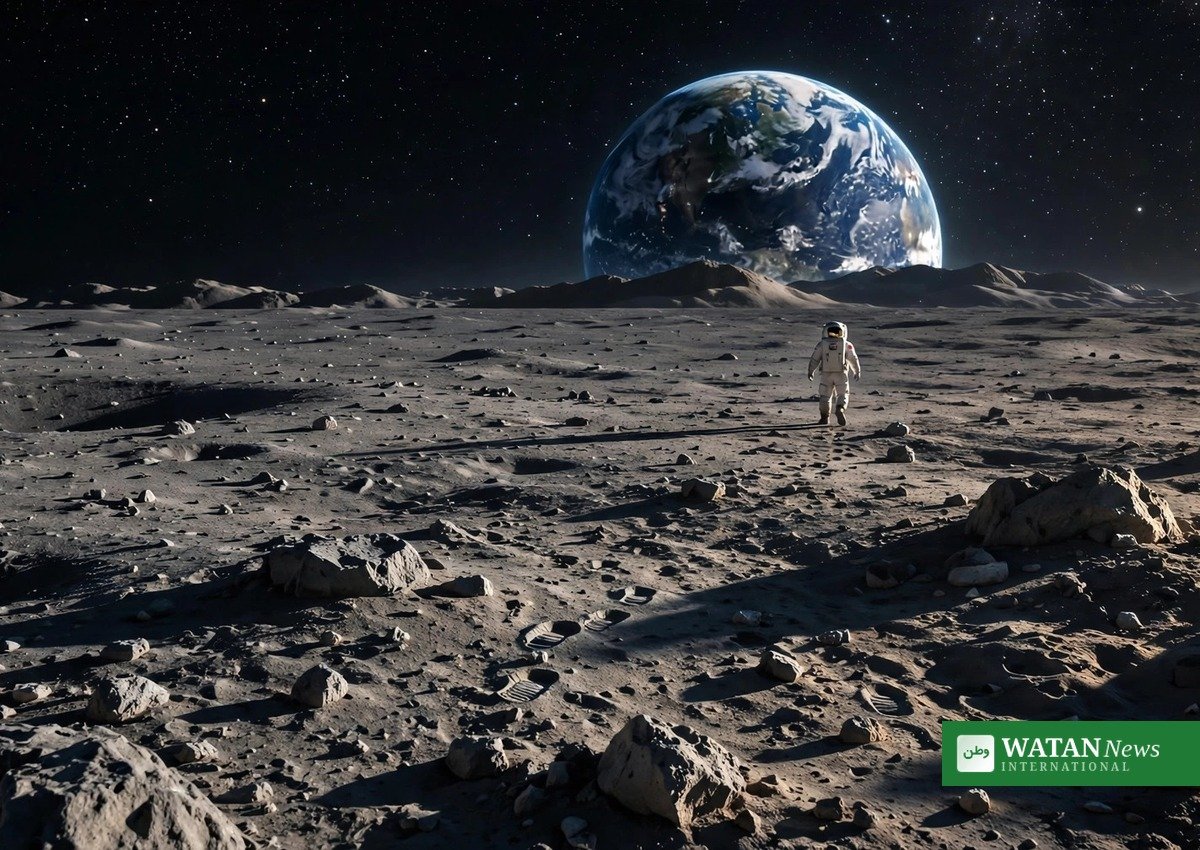
In April 2026, the Artemis II crew flew around the Moon and reached about 406,771 km (252,756 miles) from Earth, breaking the distance record set by Apollo 13 in 1970. Next is Artemis III in 2027, a rehearsal in Earth orbit to test docking with lunar landers built by SpaceX and Blue Origin. NASA is targeting 2028 for Artemis IV, which aims to land astronauts near the Moon’s south pole — the first crewed landing since 1972.
India plans its first crewed Gaganyaan flight in 2027, which would make it the fourth country to launch people on its own rocket. China aims to land astronauts on the Moon around 2030. Meanwhile, reusable rocket technology promises to reduce the cost of space access further, making missions more frequent and accessible.
Conclusion
World Space Week is a reminder of how far humanity has travelled in 69 years: from a beeping metal sphere over the Soviet Union to 746 people from 52 countries beyond the atmosphere, and stations in orbit hosting astronauts from dozens of nations. The Rocket Revolution theme points to the next phase — cheaper launches, new spacefaring nations, and a return to the Moon. From Gagarin’s 108 minutes to Artemis crews circling the Moon, the spirit of exploration keeps pushing the boundaries of what is possible.