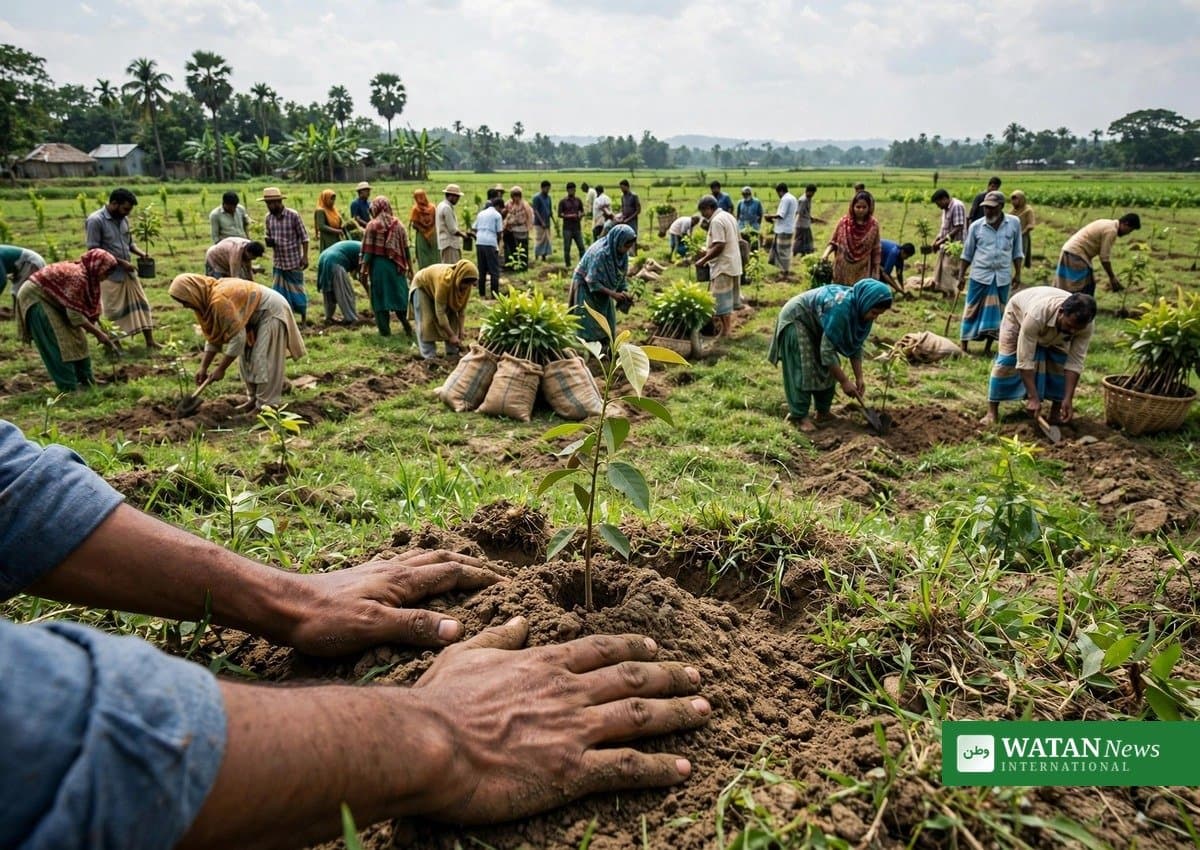
Bangladesh’s Bangladesh tree planting drive — the government’s five-year plan to plant 250 million trees — is getting a strict new accountability regime: Prime Minister Tarique Rahman has ordered ministry officials to report back every three months on the condition of the saplings already in the ground, with survival of the young trees now the programme’s central test. The directive came at a review meeting at the Secretariat in Dhaka on October 15, where officials reported that 35.7 million saplings have been planted since the campaign’s June 13 launch, according to The Climate Watch’s account of the meeting.
Bangladesh tree planting drive put under quarterly review
At the meeting — chaired by the prime minister and attended by Environment Minister Abdul Awal Mintoo, State Minister Sheikh Faridul Islam, the prime minister’s special assistant for environmental affairs Saimum Parvez and ministry secretary Fahmida Khanom — Rahman pressed officials on the condition of the planted trees and “stressed the need to make every possible effort to keep them alive,” according to The Climate Watch. He instructed the Ministry of Environment, Forest and Climate Change to submit updated information on the trees every three months.
“We mainly discussed forests today, particularly the tree-planting programme, as it is one of my signature projects. Naturally, I want to move it forward. It may be my signature project, but we will all benefit from it,” the prime minister told the meeting, adding: “If you recognise that we will all benefit from it, I believe all of you should come forward. If everyone contributes, we can create a healthy and beautiful environment for all.”
The same meeting, also covered by The Business Standard and The New Nation, decided that the environment ministry would take on extra plantation work to make up any shortfall if other ministries fail to meet their assigned targets, and that regular maintenance and monitoring of planted trees would be ensured through field inspections.
FAKTA
- The directive: Quarterly survival and condition reviews of all planted saplings, ordered October 15, 2026, at the Secretariat in Dhaka.
- Planted so far: 3.57 crore (35.7 million) saplings since the campaign’s June 13 launch, according to The Climate Watch; the ministry’s October 7 progress report put plantings at 35.7 million between February 17 and September 15 — 69.36% of the year’s target.
- The goal: 25 crore (250 million) trees over five years — one of the prime minister’s signature projects.
- New nurseries: 503 nurseries planned to supply the campaign, according to The Climate Watch.
- Also decided: Mother trees to be identified and conserved; protection measures for the Sundarbans; rooftop gardening and school gardens promoted; dedicated public-awareness strategy.
What the five-year plan covers
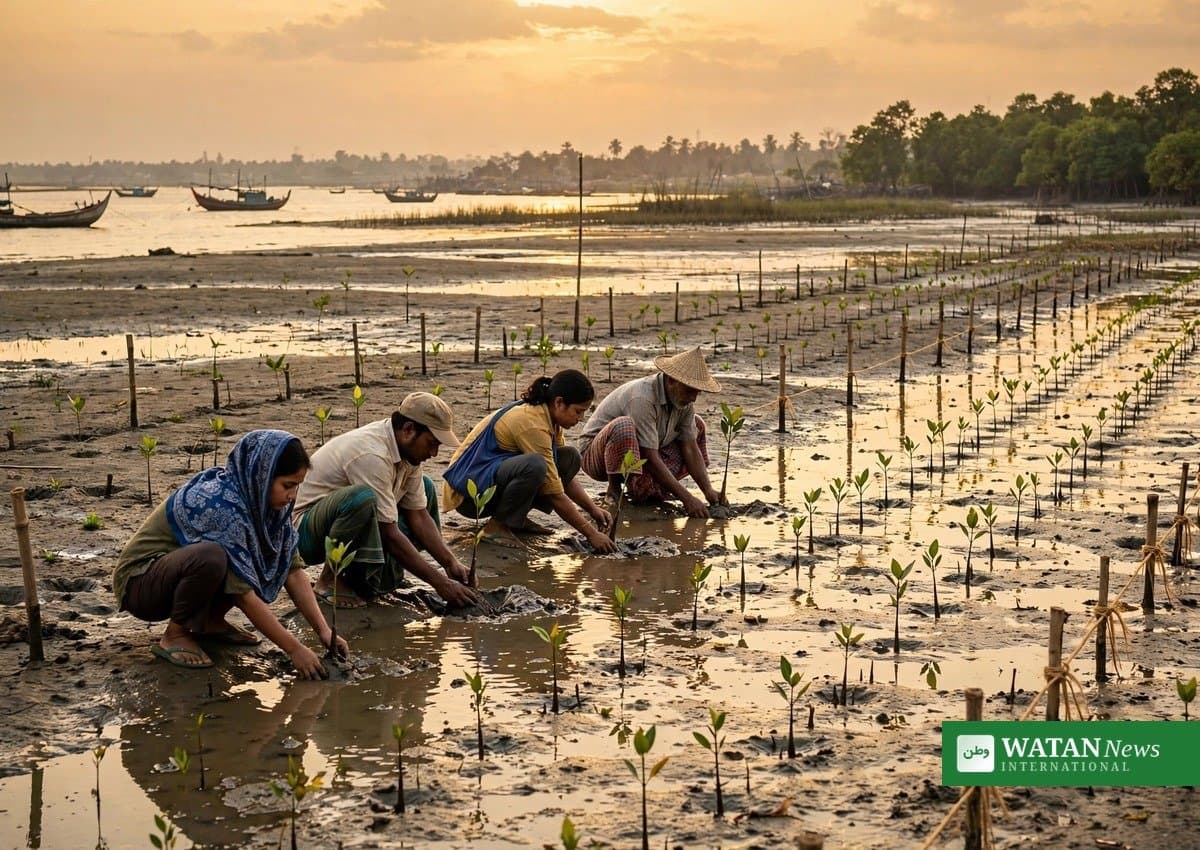
The campaign sits inside a broader five-year environmental and climate action plan that also targets degraded-forest restoration, expanded mangrove coverage, green jobs, climate-resilient agriculture and tighter pollution control. For the single fiscal year 2026–27, the ministry has set targets of 4.28 crore saplings across 25,960 hectares of block plantations, 3.27 crore saplings along 3,727 kilometres of strip plantations, 1.77 crore saplings over 4,000 hectares of mangrove plantations and 56 lakh saplings under homestead afforestation — nearly 9.9 crore saplings in one year, close to 40% of the five-year goal — according to reports by Dhaka Statement and GreenWatchBD.
Transparency is meant to be digital: GPS- and GIS-based records of areas planted by the Forest Department will be collected and maintained, and a Tree Monitoring App is being developed for maintenance and digital surveillance. Beyond planting, the government intends to restore 4,500 hectares of encroached forest land and expand protected areas by another 300 hectares. A separate “One Child, One Tree Programme” action plan aims to put 1 crore trees at the homes and homesteads of students in government primary schools.
Mother trees, the Sundarbans and mangrove carbon
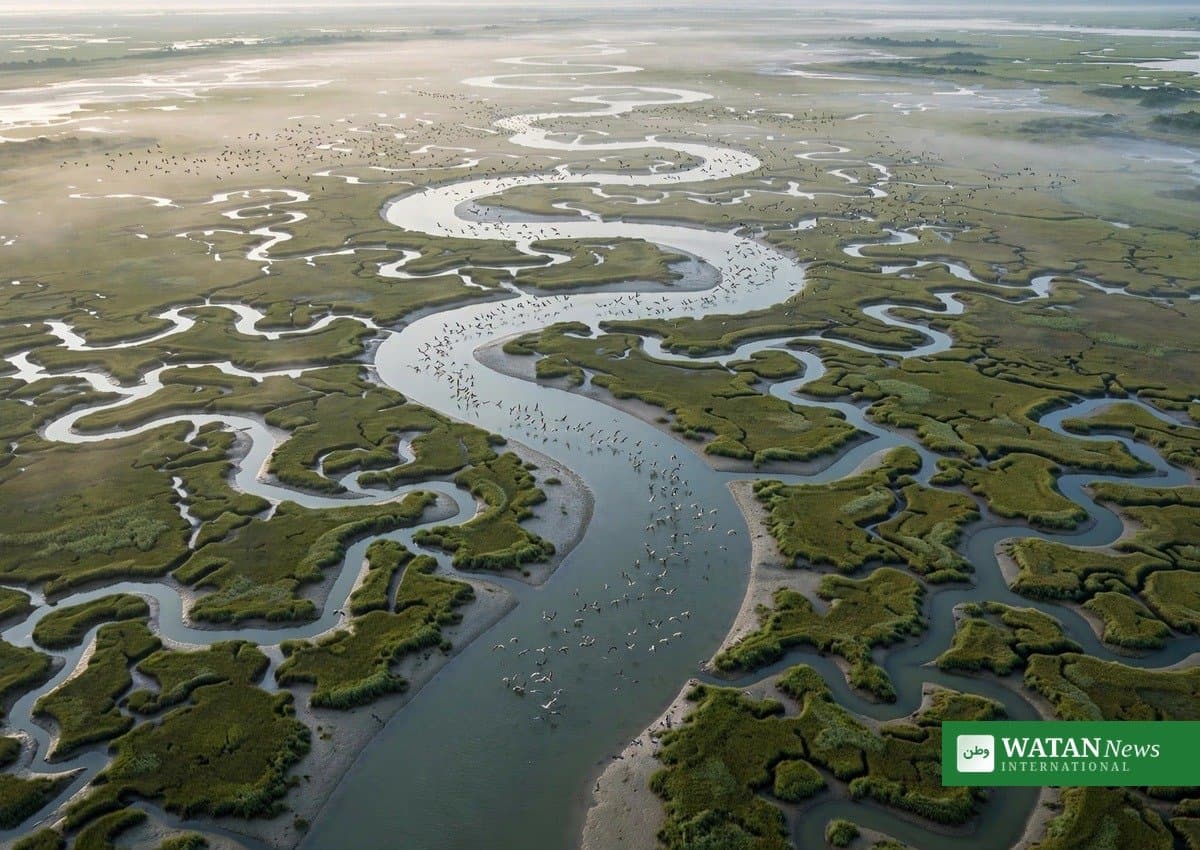
The meeting also ordered that the country’s mother trees be identified and conserved, and set in motion protection measures for the Sundarbans — the world’s largest mangrove forest, which Bangladesh shares with India. Officials were also asked to explore expanding afforestation in the Chittagong Hill Tracts, known for its forests and biodiversity.
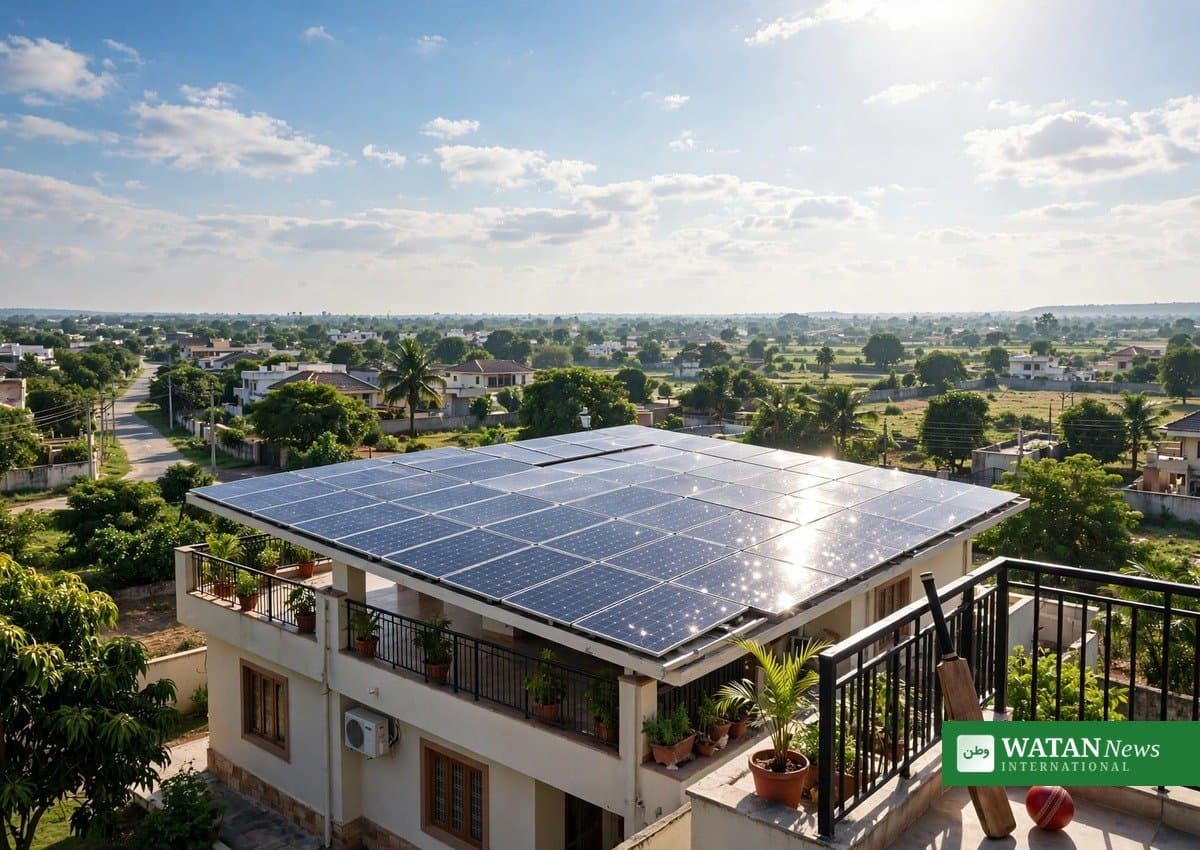
Mangroves are moving from conservation to climate finance in the plan: the government aims to bring 50% of coastal mangrove forests under carbon-trading mechanisms, with eleven new carbon-trading projects pursued under Article 6 of the Paris Agreement, according to the budget document cited by Dhaka Statement and GreenWatchBD. Rooftop gardening, school gardens and green spaces around residential and institutional buildings were also promoted, with the prime minister calling for a dedicated public-awareness strategy alongside the environmental programmes.
Read more about Bangladesh’s climate diplomacy: Bangladesh’s prime minister to join COP31 leaders’ summit.
Why survival rates decide the drive
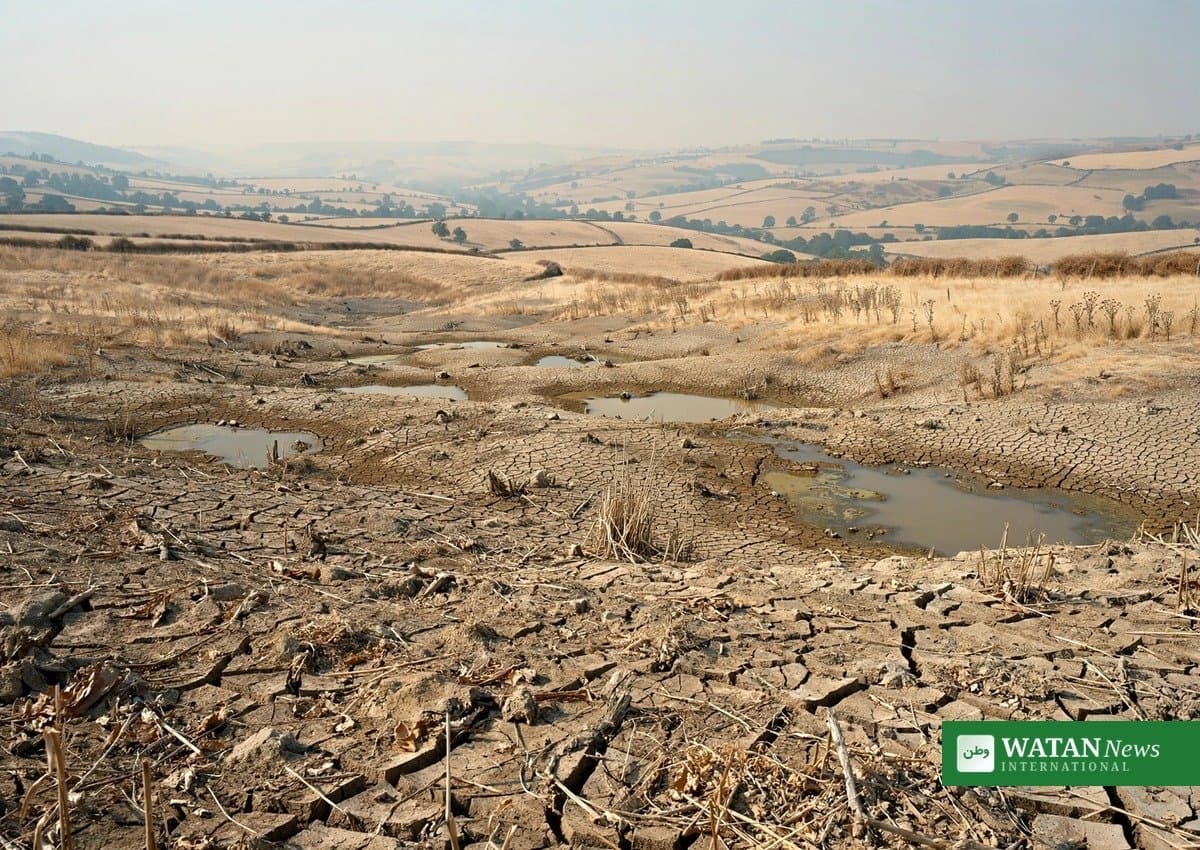
Mass planting campaigns are only as good as their aftercare — saplings that die in their first dry season store no carbon and restore nothing. By tying the 250-million-tree target to quarterly survival checks, the government is moving the measure of success from trees planted to trees alive. The next few reports will show whether the nurseries, field inspections and monitoring app can close the gap between planting and permanence.