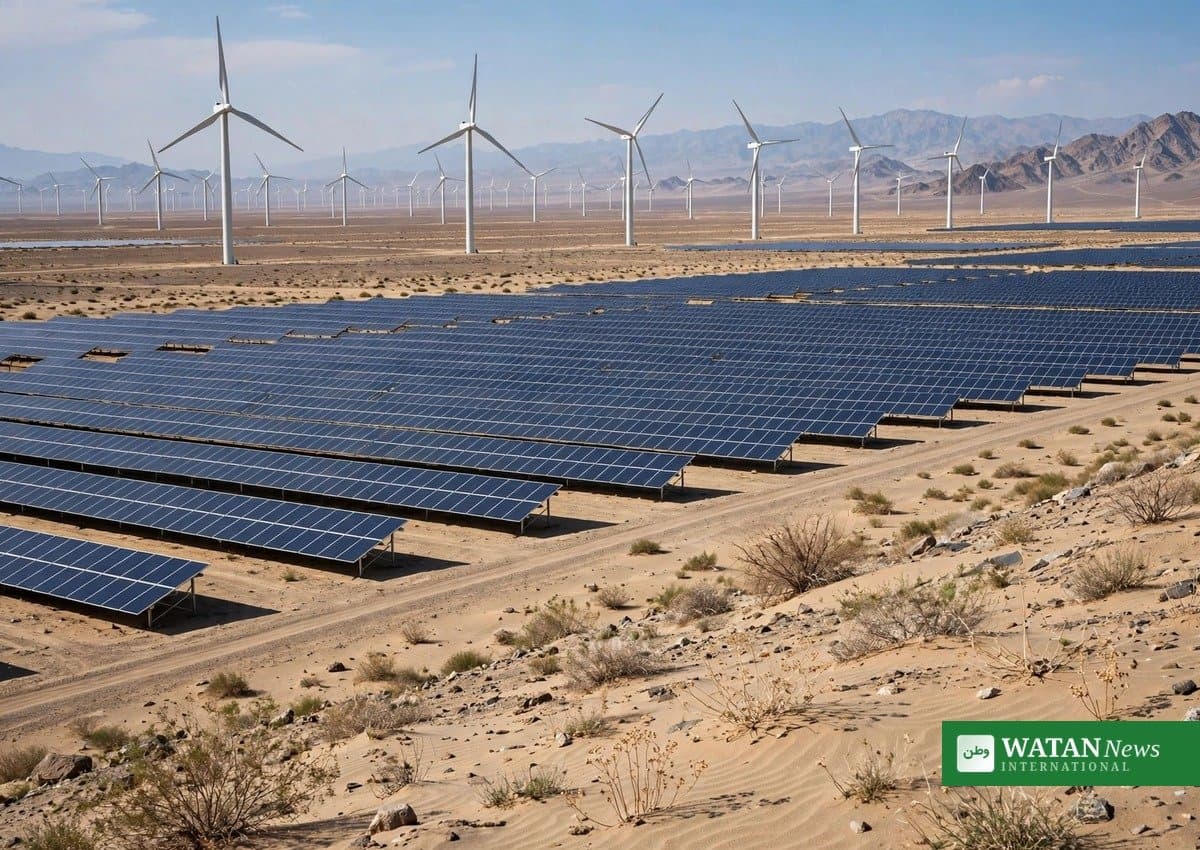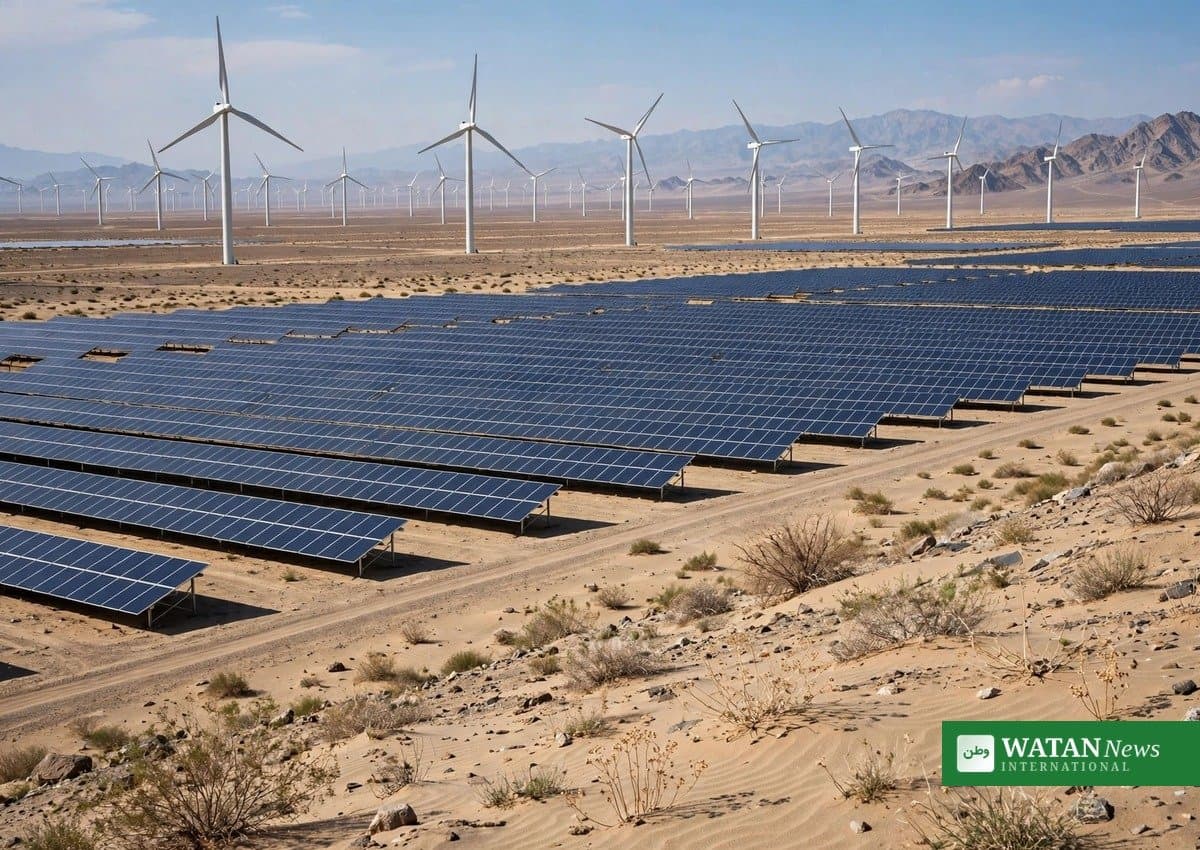
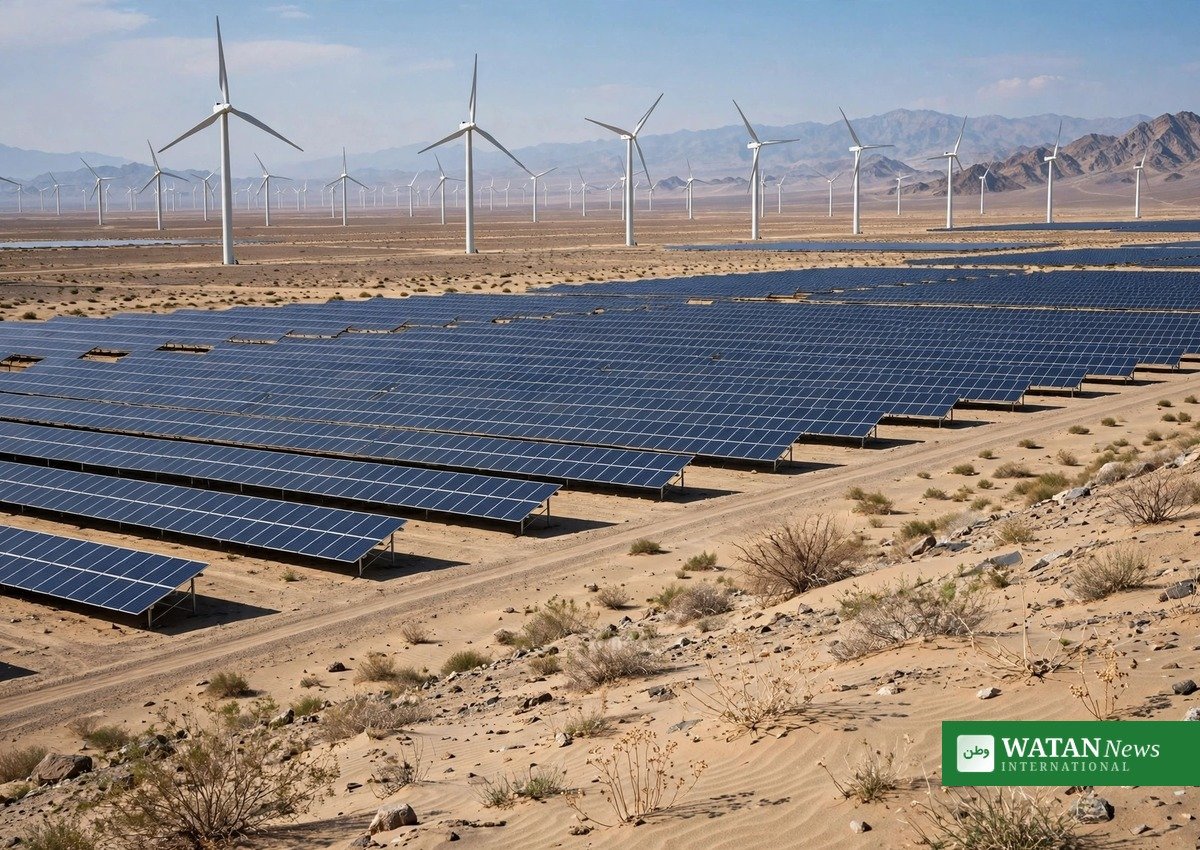
China’s large-scale wind and solar bases in desert and arid areas had passed 157 gigawatts (GW) of completed capacity by the end of September 2026, the country’s National Energy Administration said at a briefing on 30 October. The figure marks a major milestone for the desert-base programme, which is designed to build vast wind and solar capacity far from China’s coastal demand centres and carry the power across the country.
Gui Xiaoyang, deputy director of the administration’s New and Renewable Energy Department, said the first batch of projects, totalling 94.53 GW, had largely entered operation. More than 34 GW had been completed in the second batch and more than 29 GW in the third. The administration said it would accelerate construction of the second and third batches, aiming to bring them largely into operation by the end of 2027.
Completed is not the same as operating
The distinction matters. The 157 GW figure is completed capacity — projects built — while only the first batch is described as largely in operation. How much electricity the newer batches actually generate will depend on grid connections, transmission and how quickly they enter service, which is the next measure to watch.
A record nine months for renewables overall
The desert-base update came with wider National Energy Administration figures for the first nine months of 2026. China added 180 GW of renewable energy capacity in that period, accounting for 71.7 percent of all new capacity. Total renewable capacity reached 2.518 trillion watts (2,518 GW) by the end of September, up 14.6 percent year on year and about 60.94 percent of China’s total installed capacity.
Wind and solar together reached 2.01 trillion watts. Solar alone rose to 1.31 trillion watts, having overtaken coal-fired power in July to become China’s largest power source by installed capacity. Renewable generation reached 3.13 trillion kilowatt-hours in the first nine months, about 41.8 percent of all electricity generation.
Why deserts, and what comes next
Desert and arid regions offer large areas of open land and strong wind and sun resources, which is why China has concentrated its largest wind and solar bases there. Under China’s 15th Five-Year Plan for renewable energy, seven major wind and solar bases are planned to add at least 370 GW of new capacity between 2026 and 2030, according to reporting of the plan.
The desert programme will be watched closely at COP31 in Antalya (9–20 November 2026), where countries will compare how fast clean capacity is actually being built — and connected — against the pledges made under the Paris Agreement.
For more climate coverage, see the Climate section on Watan News.
Key facts
- Desert wind and solar bases: more than 157 GW completed by end of September 2026.
- First batch: 94.53 GW, largely in operation. Second batch: more than 34 GW completed. Third batch: more than 29 GW completed.
- Target: second and third batches largely in operation by the end of 2027.
- All renewables, January–September 2026: 180 GW added; total 2,518 GW; solar 1,310 GW, now larger than coal by capacity.
- Source: National Energy Administration briefing, 30 October 2026.