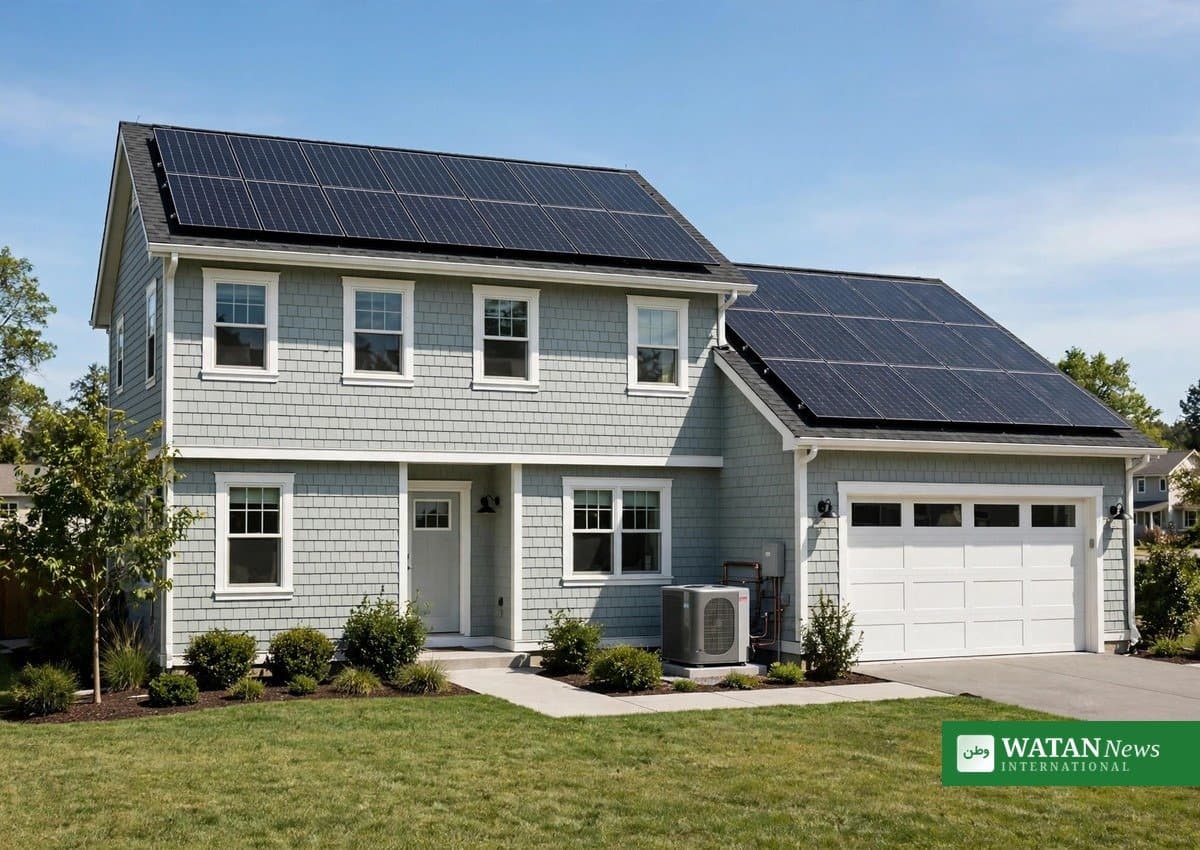
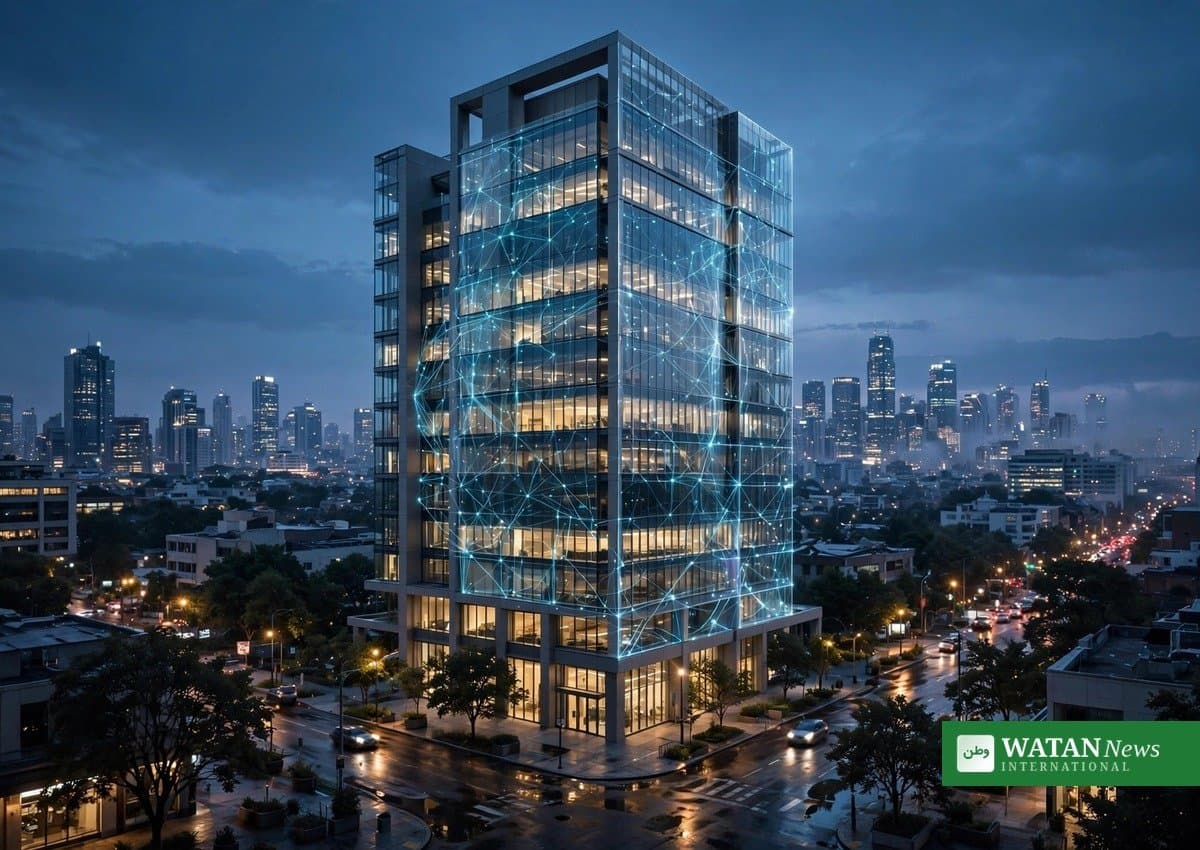
NEW YORK — AI building energy optimization could cut whole-building energy use by up to 22 percent compared with traditional building controls, according to company research Schneider Electric published at Climate Week NYC 2026 — a modelled upper-end estimate the energy technology company presented as evidence that smarter buildings can ease pressure on power grids even as artificial intelligence itself drives new electricity demand.
FAKTA
- Schneider Electric’s modelled finding: AI-enabled buildings can cut whole-building energy use by up to 22% versus traditional controls — company research based on building energy modelling, not an independent third-party audit.
- Annual utility savings are estimated at US$13,600 to US$49,300 per building at current commercial energy rates, recurring year after year.
- The AI layer alone accounts for 7.2% to 12.7% of additional building energy savings, with AI-driven HVAC optimization deployed through a smart building management system.
- Carbon avoided is more than 100 times greater than the AI system’s own footprint, per the study.
- Up to 59,869 kg of CO₂e — about 60 metric tons — could be avoided per building annually, which Schneider compares to planting 2,700 mature trees.
- Some modelled scenarios show more than 200 MWh of annual energy savings per building, enough to power dozens of average homes for a year.
- Buildings account for approximately 37% of global energy-related carbon emissions, the company notes — the context for treating building optimization as a climate lever.
How AI building energy optimization was modelled
The research, titled AI for Climate: Quantifying the Energy and Carbon Impact of Building Optimization, was published on 21 September 2026 during Climate Week NYC 2026, according to the company’s GlobeNewswire release. It is built on building energy modelling validated against pilot deployments, covering differing building scenarios in Australia, India and the United States.

Rather than replacing existing infrastructure, the approach layers an AI-driven optimization system over current building management systems. The company says this more than doubles the energy savings that smart building controls can achieve alone — the AI manages energy more intelligently than rule-based controls, responding to occupancy, weather and grid conditions in real time.
The dollar figures come from applying current commercial utility rates to the modelled savings, and the company stresses that results scale: savings achieved in one building can be replicated across entire property portfolios.
Why smarter buildings matter as AI demand grows
The study lands in an awkward spot for the technology industry. As coverage of the release notes, AI itself is under growing scrutiny for its environmental footprint — data centres are driving new electricity demand worldwide. Schneider’s argument is that AI, applied to buildings, can be a net climate positive: the avoided emissions dwarf the footprint of the AI system running the optimization.

Readers should keep the study’s limits in mind: the 22 percent figure is Schneider’s modelled upper-end estimate under the scenarios and utility rates it used, and it has not been independently audited across the global building stock. Independent verification of the modelling would strengthen the case for treating AI building controls as a mainstream decarbonization tool.
Still, the direction of travel is clear. With buildings among the world’s largest sources of emissions, optimization that works with existing equipment — no retrofit required — is among the fastest levers available for cutting building-sector carbon this decade.
Related on Watan News: Climate Week research: AI-enabled buildings could cut energy use up to 22%.