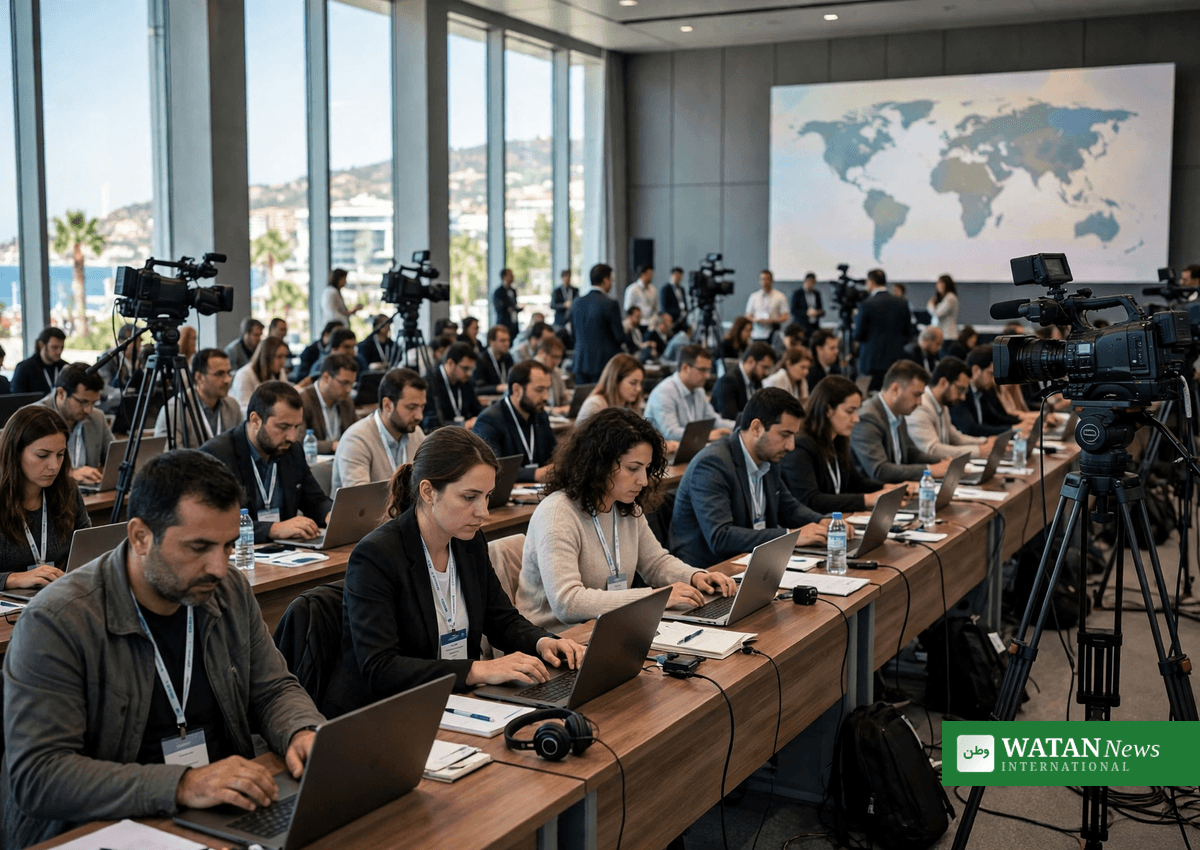
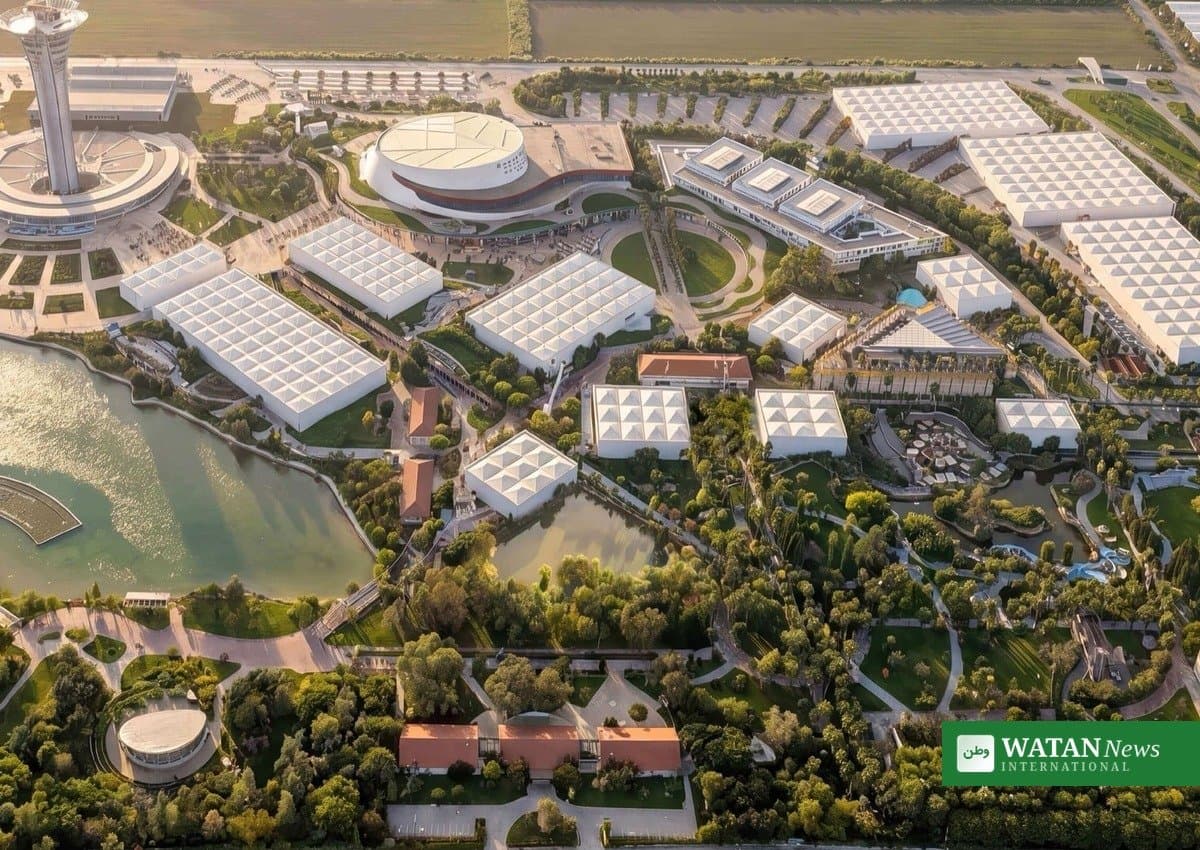
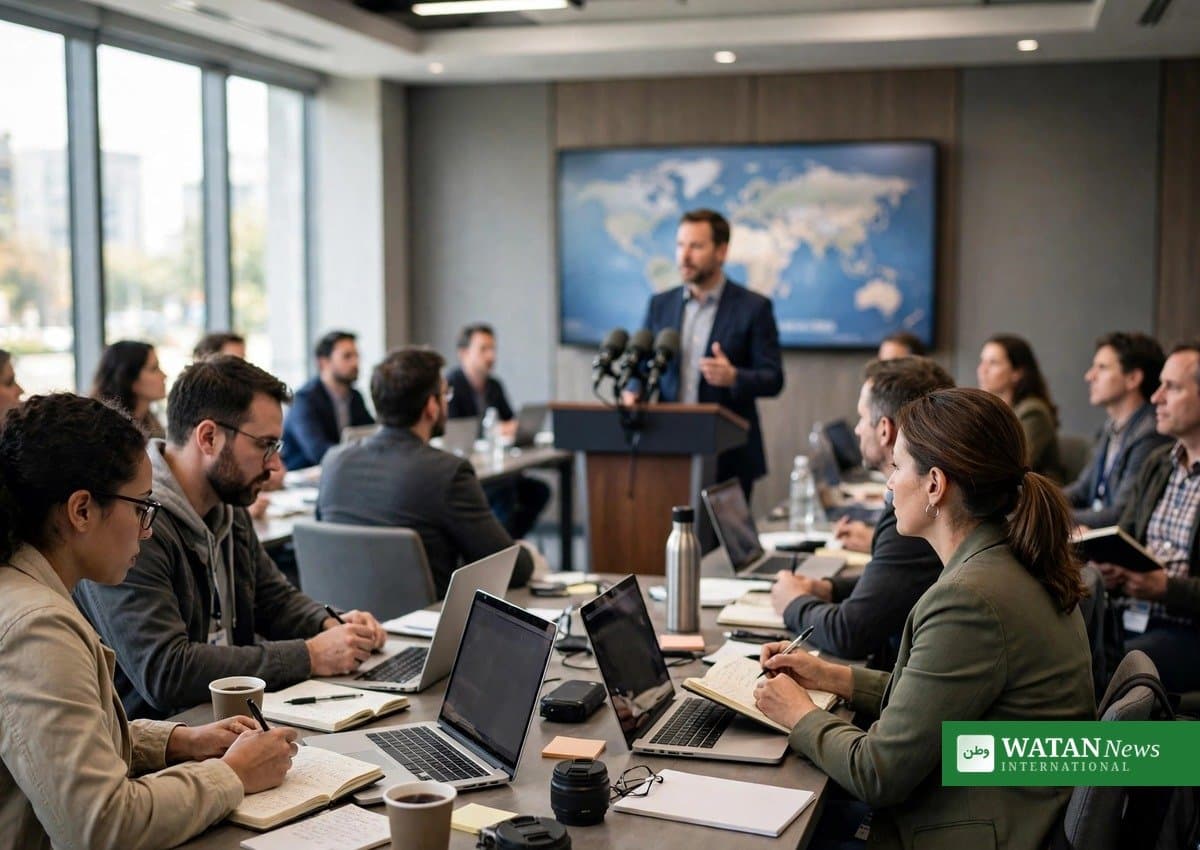
COP31 will serve mostly meat-free food when the UN climate summit opens in Antalya next week, with the Presidency setting a goal of 60 percent meat-free catering, two fully plant-based cafés on site and two Antalya-based vegan businesses in the food court — the strongest plant-based menu a COP has promised since Dubai.
The target was confirmed by the Food & Climate Action Group, a coalition of more than 20 non-profit organisations working on food systems within the UN climate process, in a report published on 6 November, three days before the summit opens on 9 November.
What delegates will eat in Antalya
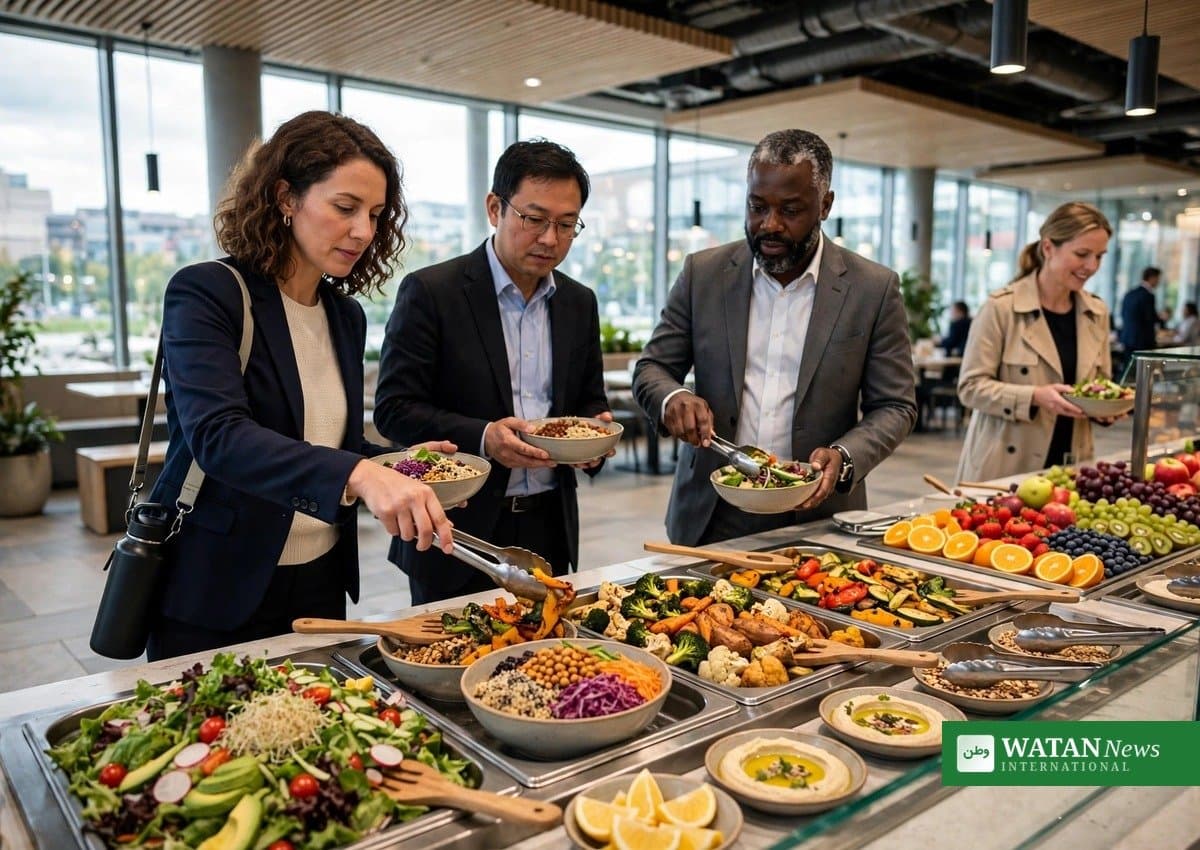
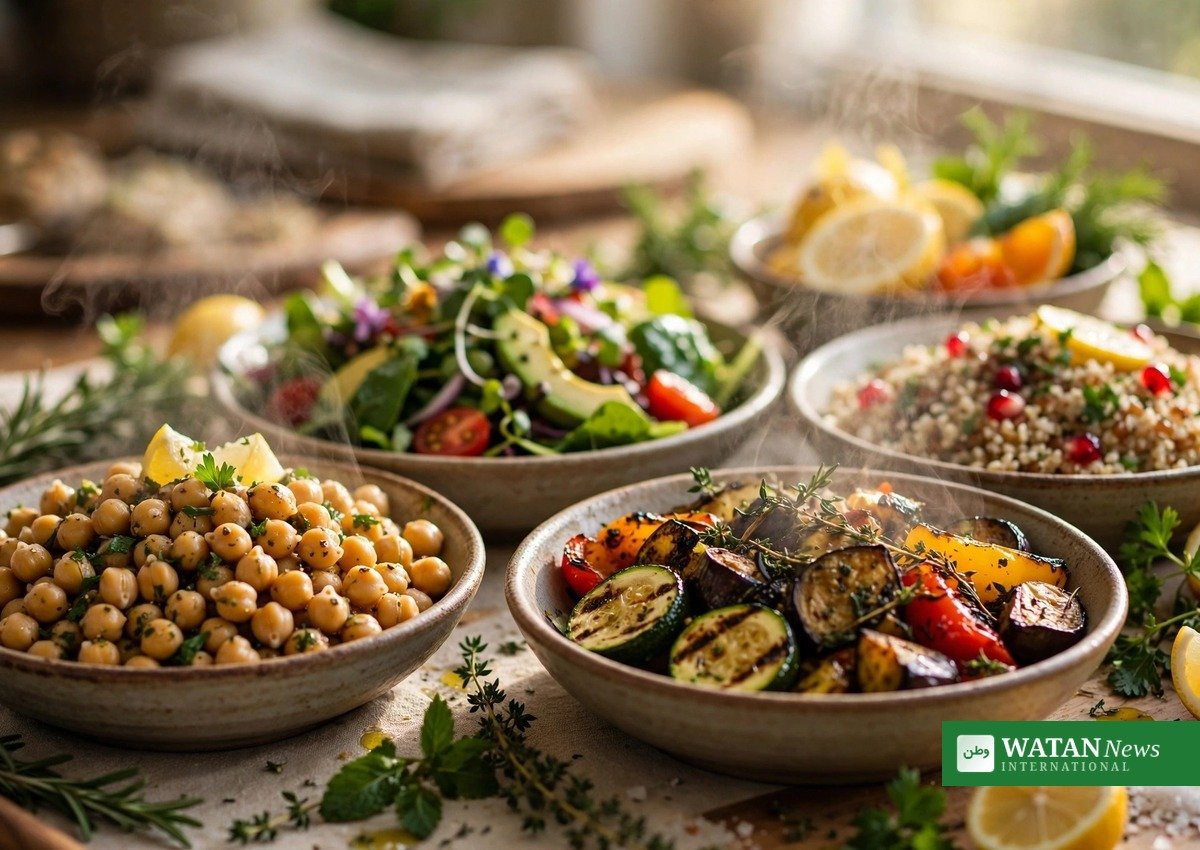
Under the plan, six in every ten dishes served across COP31 catering will be meat-free. The venue will host two fully plant-based cafés, and two local vegan businesses from Antalya have been invited to serve in the food court. The hosts will also put clearer labels on food, including ingredient and nutritional information, so delegates can make informed choices.
The Food & Climate Action Group, whose members include ProVeg International, the Plant Based Treaty and Climate Bridges, called the plant-forward measures a “cause for celebration”.
“There is growing awareness of the connection between our global food system and climate change, so it is vital that the international conference dedicated to this space offers meal choices that are minimising harm,” said Nilgün Engin of the Plant Based Treaty. “The production of animal-sourced foods is attributed to up to 20% of emissions, and switching to climate-friendly options sends a signal that leaders are serious about addressing this.”
From Dubai to Belém: a mixed record
Food has not always been a priority at climate summits, even though the agrifood sector produces about a third of all greenhouse gas emissions. Recent COPs show how uneven the record has been.
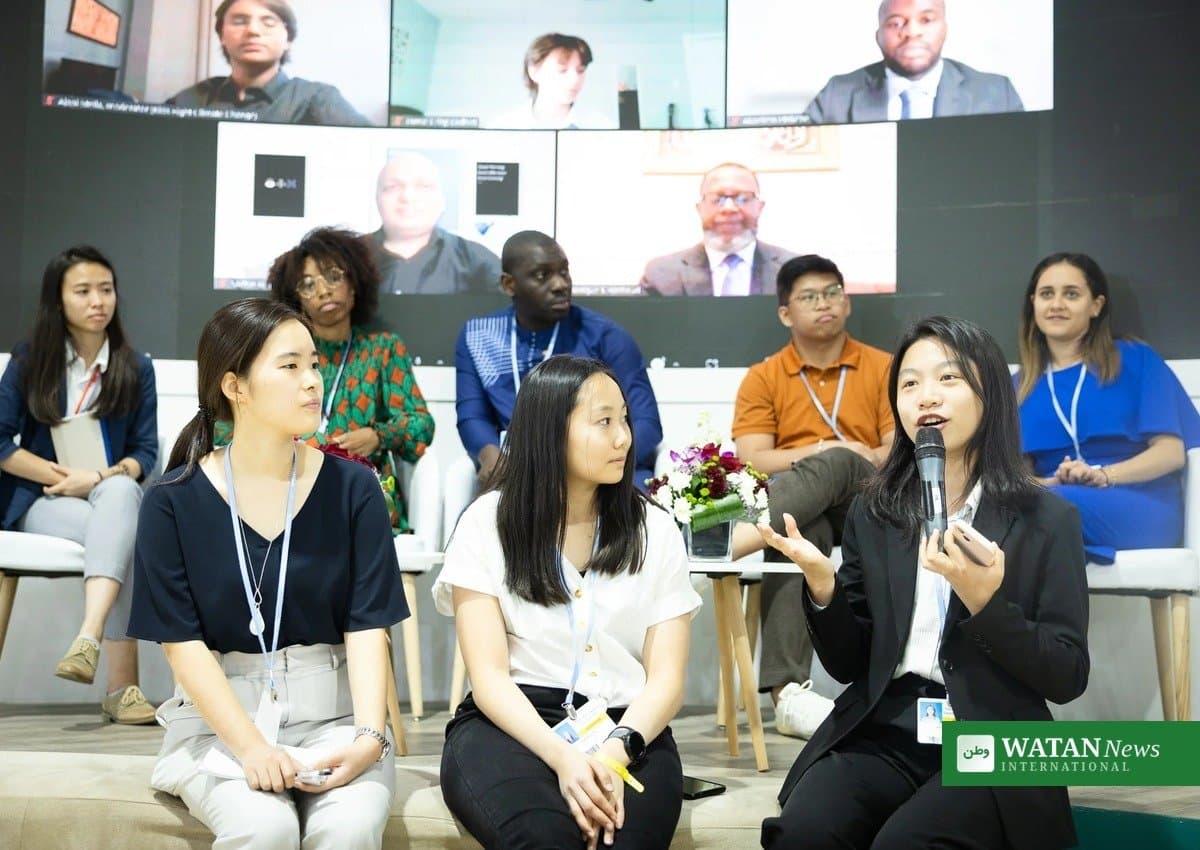
At COP28 in Dubai, two-thirds of the menu was meat-free, after months of campaigning by the UN youth constituency YOUNGO and more than 140 youth and civil society groups. At COP29 in Baku the following year, there was barely any meat-free food at all, dishes containing meat or dairy were mislabelled as vegetarian or vegan, and only two outlets in the food court were meat-free. At COP30 in Belém, a survey by ProVeg International found 51.2 percent of all meals and snacks were meat-free, beating the 40 percent target pledged before the summit — though mislabelling, higher prices for plant-based options and a large amount of beef remained problems.
“At COP28, the Presidency’s decision to make plant-rich options a predominant part of the catering offer set a historic precedent,” said Juliette Tronchon of ProVeg International. “It showed what happens when ambitious leadership meets sustained civil society pressure, above all from young people.”
Why the menu matters beyond the summit
The decision comes weeks after a UN-backed assessment found that the vast majority of countries will not meet internationally agreed food systems goals for 2030, with the measure for cutting greenhouse gas emissions from food showing one of the largest gaps. According to the assessment, food system emissions would need annual reductions of more than 60 percent — a pace described as challenging even for 2050.
Campaigners had asked for more: the Plant Based Treaty petitioned the UN climate body to commit to 100 percent plant-based catering at COP31 and at all future UN climate conferences. The 60 percent goal stops short of that demand, but it is the highest meat-free catering target set by a COP presidency since Dubai, and it comes with the plant-based cafés and local vegan businesses that Baku lacked.
ProVeg International will send an eight-strong delegation to Antalya to press the case for food system change, including a session on protein diversification and food security at the Portugal Pavilion on 9 November, the summit’s Food, Agriculture and Health day.
What it means at home
The same logic that puts plant-based food on the COP31 menu applies in an ordinary kitchen: what we eat is one of the most direct ways households shape their climate footprint. Nutrition experts advise eating more plant-based foods, choosing local and seasonal produce, avoiding food beyond nutritional needs and cutting back on highly processed, nutrient-poor foods.
That is the sustainable-living lesson of Antalya’s menu: a climate conference that feeds tens of thousands of people can choose food that matches the goals it negotiates — and households can make the same choice, one meal at a time. Watan News has previously reported on the case for plant-based diets and food security in Plant-Based Diets Could Strengthen Global Food Security, Report Finds.
FAKTA
- The target: 60 percent of COP31 catering to be meat-free, set by the COP31 Presidency
- On site: Two fully plant-based cafés; two Antalya-based vegan businesses in the food court; clearer ingredient and nutritional labelling
- Source: Food & Climate Action Group, a coalition of more than 20 non-profits; reported 6 November 2026
- COP28 Dubai: Two-thirds of the menu meat-free
- COP29 Baku: Barely any meat-free options; mislabelled dishes; only two meat-free outlets
- COP30 Belém: 51.2 percent of meals and snacks meat-free, above the 40 percent target (ProVeg International survey)
- Why it matters: The agrifood sector produces about a third of all greenhouse gas emissions; animal-sourced foods are attributed to up to 20 percent of emissions
- COP31: 9–20 November 2026, Antalya Expo Center, Türkiye; Food, Agriculture and Health day on 9 November