Young people in two districts of Malawi have six days left to apply for a programme that trains them to lead climate action in their own communities. Women for Sustainable Agile Development (WOSAD) is inviting applications for the DOT Climate Champions Programme, run with Digital Opportunity Trust (DOT) and supported by the Cisco Foundation. Applications close on 30 November 2026.
The programme recruits young leaders aged 18 to 35 in Mzimba and Lilongwe, trains them in climate action and community research, and deploys them for three months to help their neighbours design local solutions — from climate-smart farming to awareness campaigns in villages hit by floods and droughts.
Key facts
- The DOT Climate Champions Programme in Malawi is run by WOSAD with Digital Opportunity Trust (DOT), supported by the Cisco Foundation.
- Applications close on 30 November 2026; only shortlisted candidates will be contacted.
- Training lasts four weeks — two weeks virtual and two weeks in person — starting in December 2026.
- Champions serve for three months, from 7 December 2026 to 1 March 2027, in Mzimba and Lilongwe.
- Applicants must be aged 18 to 35, university or college graduates, living in the two districts.
- Champions receive monthly stipends, a certificate, DOT Alumni membership and a place in a global climate network.
What the programme offers
Selected champions complete a four-week hybrid training programme — two weeks of virtual sessions and two weeks of in-person training — starting in December 2026. They then serve as Climate Champions for three months, from 7 December 2026 to 1 March 2027, working in Mzimba, in the traditional authority of Mabulabo (Jenda, Luwerezi and Kavinkhama), and in Lilongwe, in the traditional authorities of Chiseka and Njewa.
Applicants must be university or college graduates aged 18 to 35, living in those areas, with an interest in climate issues, digital tools and community work, strong ICT skills, a smartphone and a computer, and a national identity card. Young women are especially encouraged to apply.
Champions receive monthly stipends, a certificate on completion, membership of the DOT Alumni network, a place in a global climate network, and a climate action project for their professional portfolio. Training also covers communication, negotiation and leadership, digital literacy, and climate coaching techniques, including indigenous knowledge.
Why Malawi needs community climate leaders
Malawi is one of the countries most exposed to climate shocks. In March 2023, Tropical Cyclone Freddy struck the south of the country: 2,267,458 people were affected, 659,278 were displaced, 679 were killed and more than 530 were declared missing, according to the Government of Malawi’s post-disaster needs assessment of April 2023. Damage and losses reached 506.7 million US dollars, and recovery and reconstruction were estimated at 680.4 million US dollars.
The World Bank estimates that droughts and floods cost Malawi around 1.7 percent of GDP per year on average, and most farming is rainfed smallholder agriculture — which leaves families directly exposed when the rains fail or the floods come. That is why the DOT programme puts young people from the affected districts themselves at the centre of the response.
A model already tested across Africa
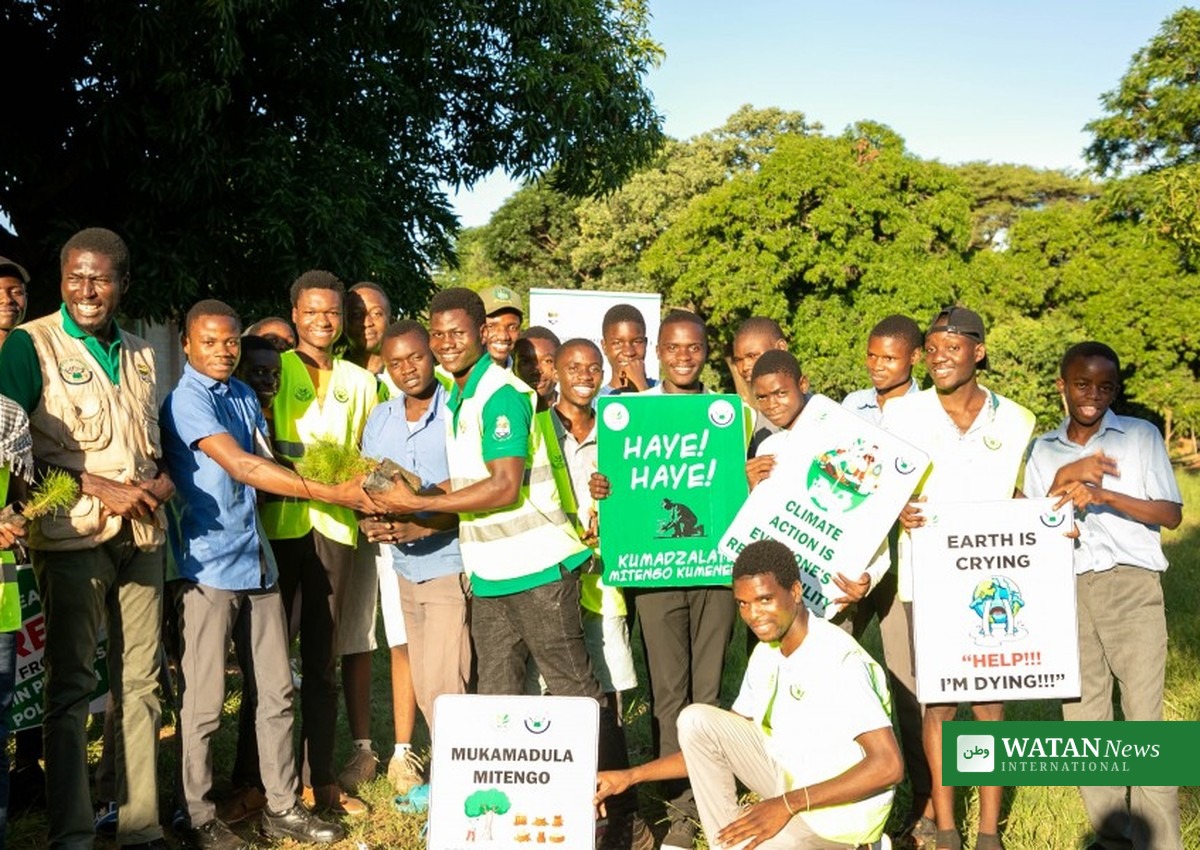
The Malawi call is part of a wider programme. According to DOT’s programme record, over two years of implementation the Climate Champions programme has engaged 162 Climate Champions, reached 5,070 community members, launched more than 90 Community Climate Action projects, benefited more than 9,800 people directly and more than 69,000 indirectly, reached 4,656 virtual learners across 60 countries, and worked with 459 youth social innovators. Twenty local partner organisations have been equipped to run the programme themselves. It operates in Kenya, Tanzania, Malawi, Zambia, Rwanda, Ethiopia, Lebanon and Jordan.
WOSAD brings its own record to the partnership. Through the Going Beyond project with DOT and the Mastercard Foundation, it trained and graduated 1,602 young people — 76 percent young women — deployed 20 Youth Leaders, linked 150 Youth Peers to loans of up to 500,000 Malawian kwacha each, and opened bank accounts for all of its graduates. In climate and agro-ecology work, WOSAD has built a grassroots network of 500 women leaders, reached 1,550 community members with climate adaptation awareness, distributed climate-resilient seeds to 300 women farmers, and trained women and youth to produce and sell organic Mbeya manure, with the income reinvested in village savings and loans groups.
What the champions will do day to day
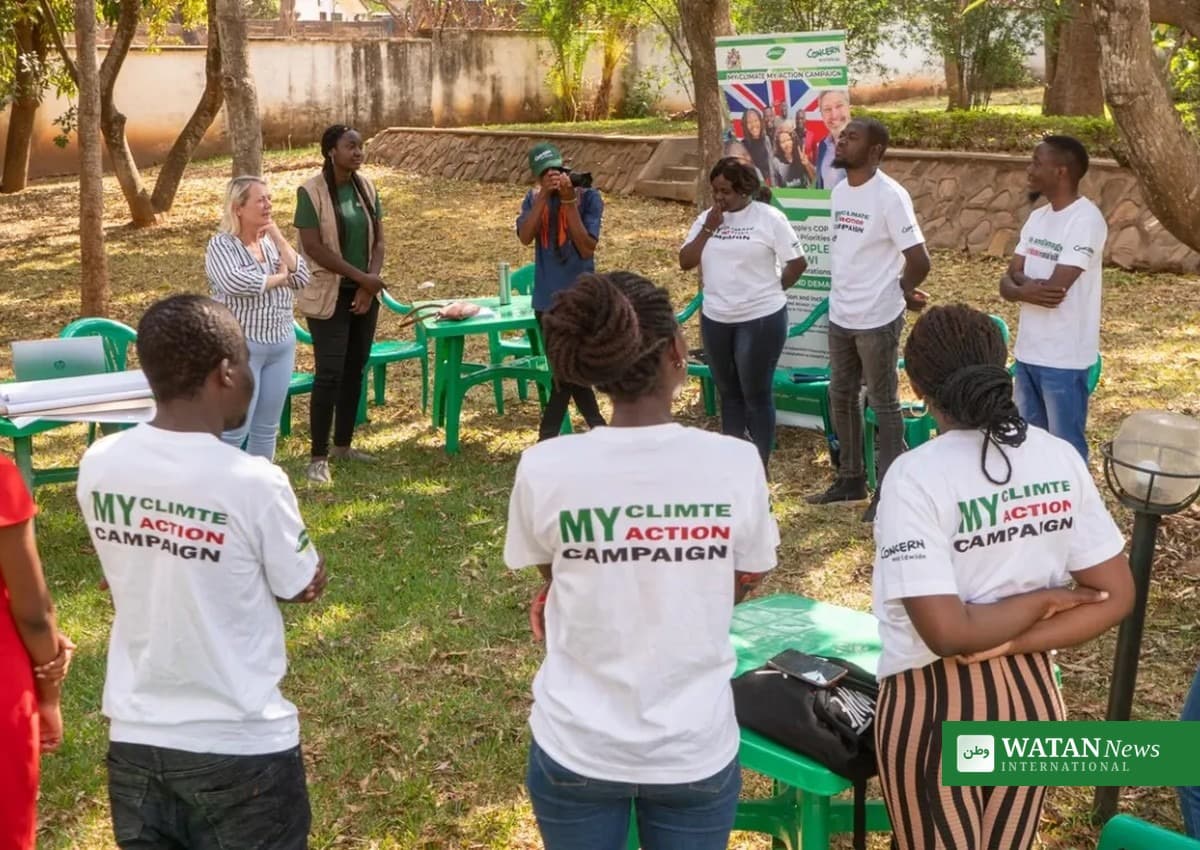
Each champion will mobilise, train and coach community members, form and lead a working group of seven to nine people using DOT’s Participatory Action Research toolkit, gather community insights through participatory methods, and co-design and implement a small-scale local climate solution. Champions present their solution, share what they learned, report on progress, and strengthen their social media and digital advocacy skills so the solutions travel beyond their own village.
The DOT programme joins a growing field of youth ambassador schemes. Watan News has reported on the Green Pearl training in Türkiye, where 30 young people are training as climate ambassadors, and on what green ambassador programmes do around the world.
With applications closing on 30 November, the window is short — but for the young people selected, the three months that follow offer a direct route from concern about the climate to practical work in the communities that feel it first.