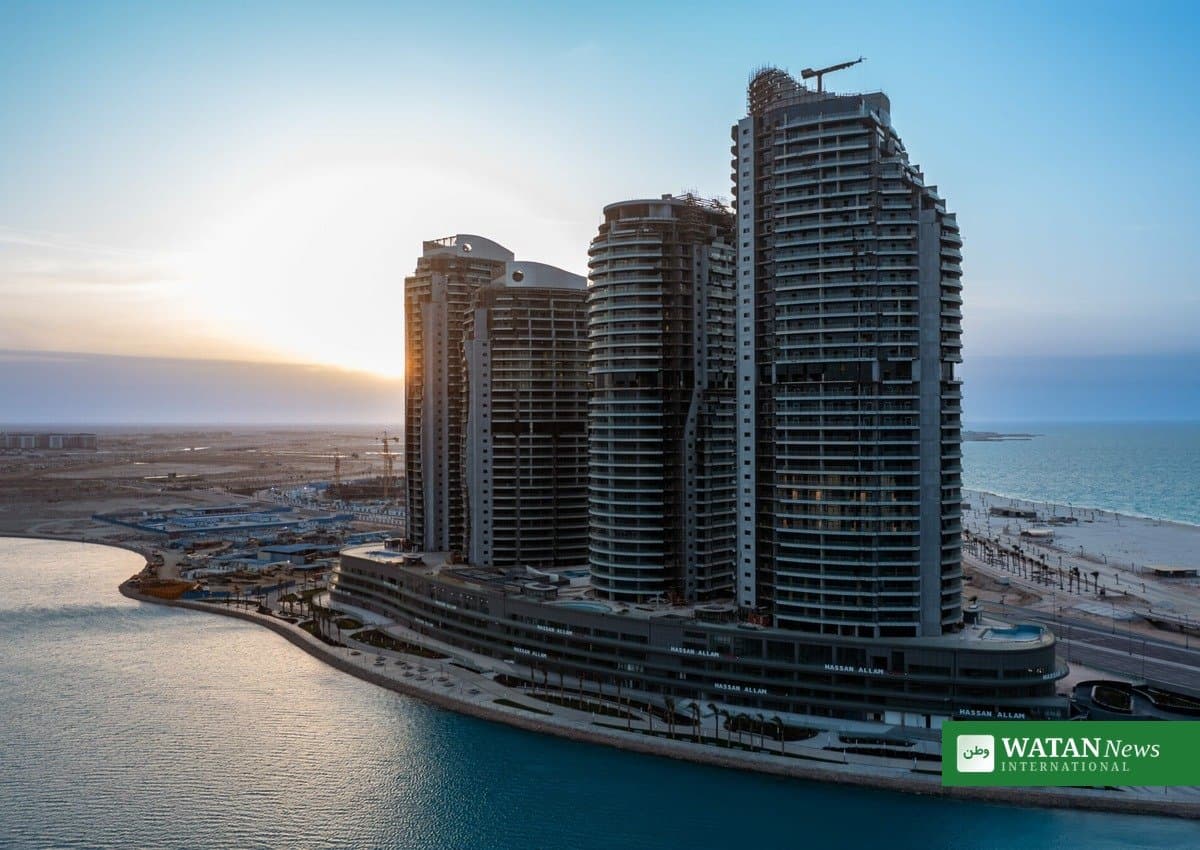
NEW ALAMEIN, Egypt — Egyptian President Abdel Fattah el-Sisi urged African countries on Sunday to accelerate the shift from exporting raw materials to producing finished, higher-value goods, telling the African Union’s Mid-Year Coordination Meeting in New Alamein that Africa value addition is the only way for the continent to stop being merely a consumer market and become an industrial and technological partner in the global economy.
FAKTA
- Speaker: Egyptian President Abdel Fattah el-Sisi
- Occasion: 8th African Union Mid-Year Coordination Meeting, New Alamein, Egypt, October 4, 2026
- Core message: African nations must move faster from exporting raw materials to making value-added products
- Also on the agenda: fairer global financing, continental industrialisation, the AfCFTA and Agenda 2063
- Side events: the inaugural Alamein Africa Forum (October 3) and a summit of AUDA-NEPAD founding states
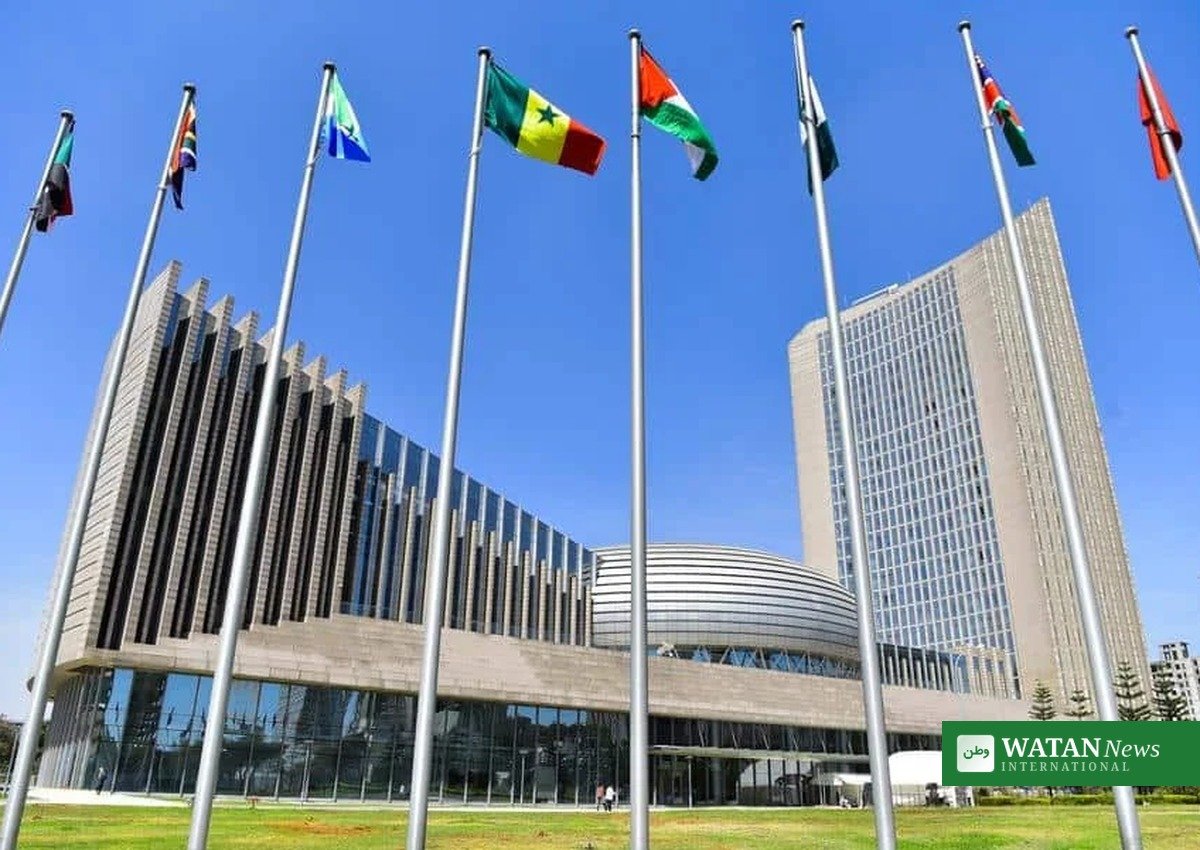
Africa value addition: the industrialisation push behind Sisi’s message
The message, delivered on Sunday as the meeting concluded, goes to the heart of one of Africa’s longest-running economic challenges. The continent holds some of the world’s largest deposits of cobalt, copper, lithium, manganese, platinum-group metals, gold and other strategic minerals, alongside huge agricultural potential — yet much of the processing and manufacturing takes place elsewhere.
Sisi argued that Africa should no longer see itself simply as a consumer market. Instead, he described the continent as a potential industrial and technological partner — but warned that turning resources into industrial wealth demands reliable electricity, efficient ports and railways, skilled workers, access to finance and predictable regulations.
Conclusion
The message from New Alamein arrives at an important moment: Africa has a young and rapidly growing population, increasing urbanisation and rising consumer demand. That is an enormous potential market — but population growth must be matched by productive employment. If African countries can process more of their own resources, manufacture more products locally and trade more efficiently with one another, economic growth could become broader and more sustainable. Read more African news on Watan News.