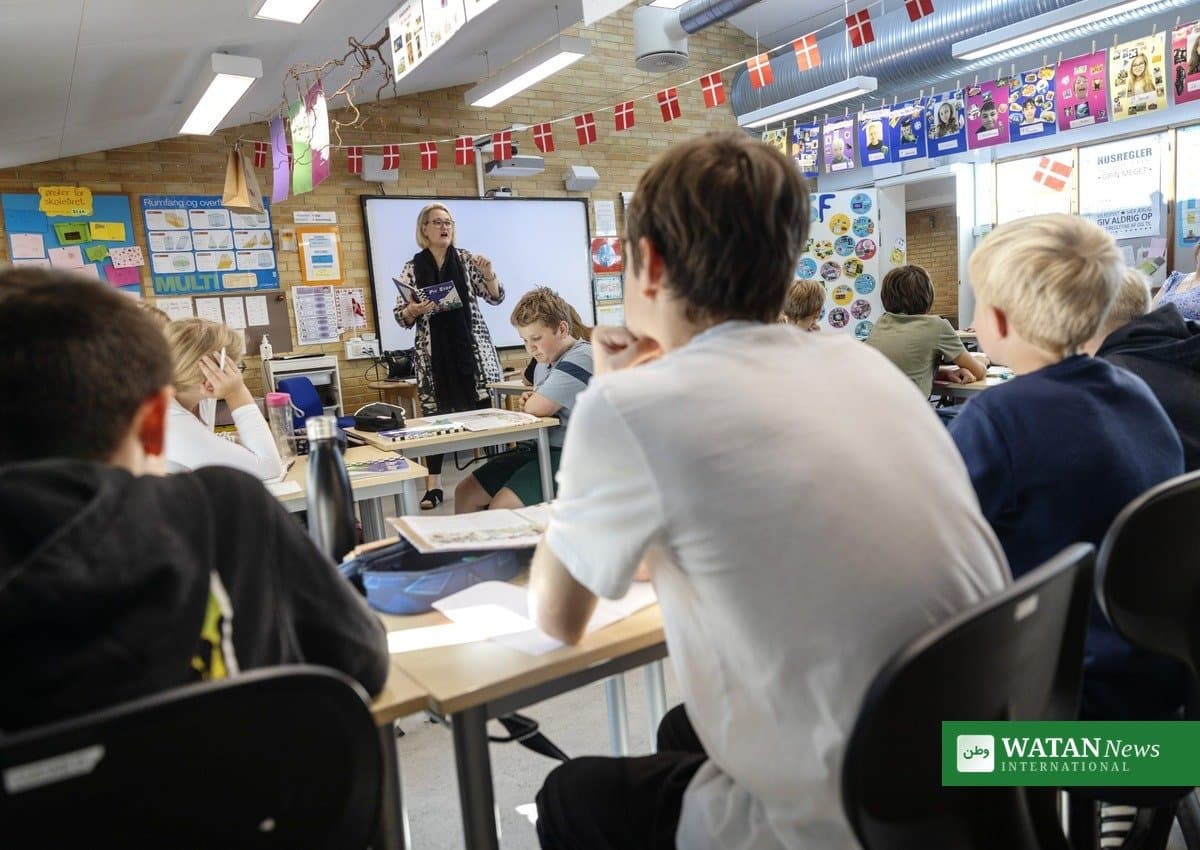
More than half of all school classes in Denmark experienced physical Danish schools violence between pupils during a single school year, a new national study reveals. The government now promises a three-part response, including DKK 5 billion a year for more adults in classrooms and new legislation giving teachers clearer powers to intervene physically when situations escalate.
FAKTA
- Physical violence between pupils was reported at least once in 55% of classes during 2025; in 36% of classes, it happened at least once a month.
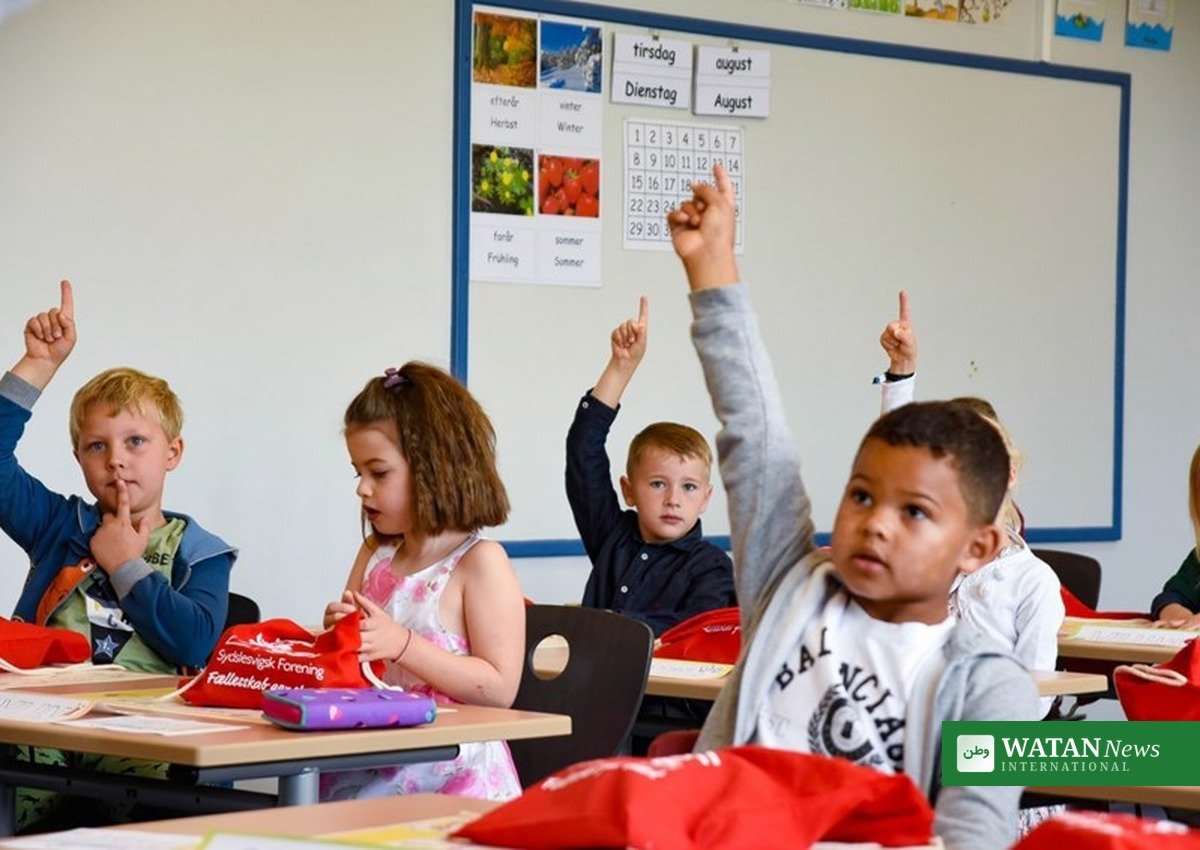
- Grades 0–3 are hardest hit: 75% of classes there saw violence or aggressive behaviour between pupils during the school year.
- Physical violence against staff was reported in 20% of all classes, rising to 39% among the youngest pupils.
- The study was carried out by Epinion and Als Research for the Ministry of Education, surveying 860 teachers across 190 schools in 61 municipalities.
- The government will allocate DKK 5 billion (€669 million) a year to a package covering schools, daycare and leisure services, with more two-adult classroom arrangements.
- 78% of surveyed teachers said more teaching hours with two adults present would leave them better prepared to handle violent situations.
Danish schools violence in numbers: the report’s key findings
The study, commissioned after a request from the parliamentary school agreement circle (folkeskoleforligskredsen) due to a lack of data on the scale of violence in schools, paints a detailed picture of the problem. Its main prevalence data covers 2025 and includes mainstream public and independent schools; special schools were not included.
Physical violence between pupils was reported at least once in 55% of all classes, and at least once a month in 36%. Threats and harassment between pupils were slightly more widespread, occurring at least once in 57% of classes and at least monthly in 41%.
| Pupil age group | Physical violence between pupils | Physical violence against staff |
|---|---|---|
| Grades 0–3 | 75% of classes | 39% of classes |
| Grades 4–6 | 59% of classes | 14% of classes |
| Grades 7–10 | 27% of classes | 3% of classes |
The report also shows that violence is often concentrated among a small number of students: in 60% of classes where physical violence was reported, teachers said one or two pupils were responsible.
What lies behind the violence — and what teachers want
The researchers found that violence and aggressive behaviour were more common in municipal public schools (folkeskolen) than in independent schools. Higher levels were also associated with classes where at least one pupil received support beyond the ordinary classroom framework, where teachers rated their own pedagogical and relational skills less highly, and at schools where parents tended to have lower levels of education.
The researchers stress that these are statistical associations rather than simple explanations. Teachers themselves most frequently pointed to difficulties with pupils’ self-regulation when asked what they believed was behind violent or aggressive behaviour. The study found no general association between pupils’ ethnicity and higher levels of violence or aggressive behaviour.
Asked what would help them most, teachers gave the strongest backing to more adults in the classroom: 78% said more teaching hours with two adults present would leave them better prepared to handle violent or aggressive situations. And 43% of class teachers said broader powers to intervene physically would help them deal with future incidents.
Government promises 5 billion kroner, clearer intervention rules
The Ministry of Education said the findings strengthen the case for earlier intervention and more resources in classrooms. Education Minister Magnus Heunicke called the scale of the problem worrying: “The extent of violence in the folkeskole is, to put it mildly, concerning. School should not be a place where either pupils or teachers are afraid to be. Period.” (translated from Danish)
The government has set out three initiatives to turn the trend around:
- More adults in the classroom. The government will allocate DKK 5 billion a year to a major boost for schools, children, daycare and leisure services, giving schools better opportunities to expand two-adult (tolærerordning) arrangements.
- Clearer powers to intervene. The government will soon present a bill on schools’ duty of care and physical intervention, with clear rules for when teachers can act physically towards pupils who act out in escalating situations.
- Earlier help for pupils with support needs. New rules agreed this year are to create better conditions for early, preventive efforts against absence and academic or social difficulties. Parents will have the right to request a support plan for their child.
School leaders: don’t paint schools as violence traps
Dorte Andreas, chair of the Danish School Leaders’ Association (Skolelederforeningen), welcomed the focus on prevention but cautioned against dramatising the findings. She stressed that incidents happen especially among the youngest pupils and most often between pupils — frequently children who struggle to regulate their emotions and understand their own and others’ behaviour.
“We need to understand what lies behind the behaviour rather than presenting schools as violence traps,” she said, pointing to the study’s definition of physical violence, which ranges from impulsive pushing and spitting in play to deliberate harm. The association wants violent episodes prevented earlier, before play, sport or teasing escalates into something serious.
Conclusion
The first national survey of its kind confirms that violence and aggressive behaviour are a daily reality in a large share of Danish classrooms — especially among the youngest pupils. With teachers themselves asking for more adults in the classroom and clearer rules for intervention, the government’s billion-kroner package and promised legislation mark the most ambitious attempt yet to address the problem. The test will be whether the funding reaches the classrooms where one or two struggling pupils currently set the tone for everyone else. For more Denmark news in English, see Watan News English.