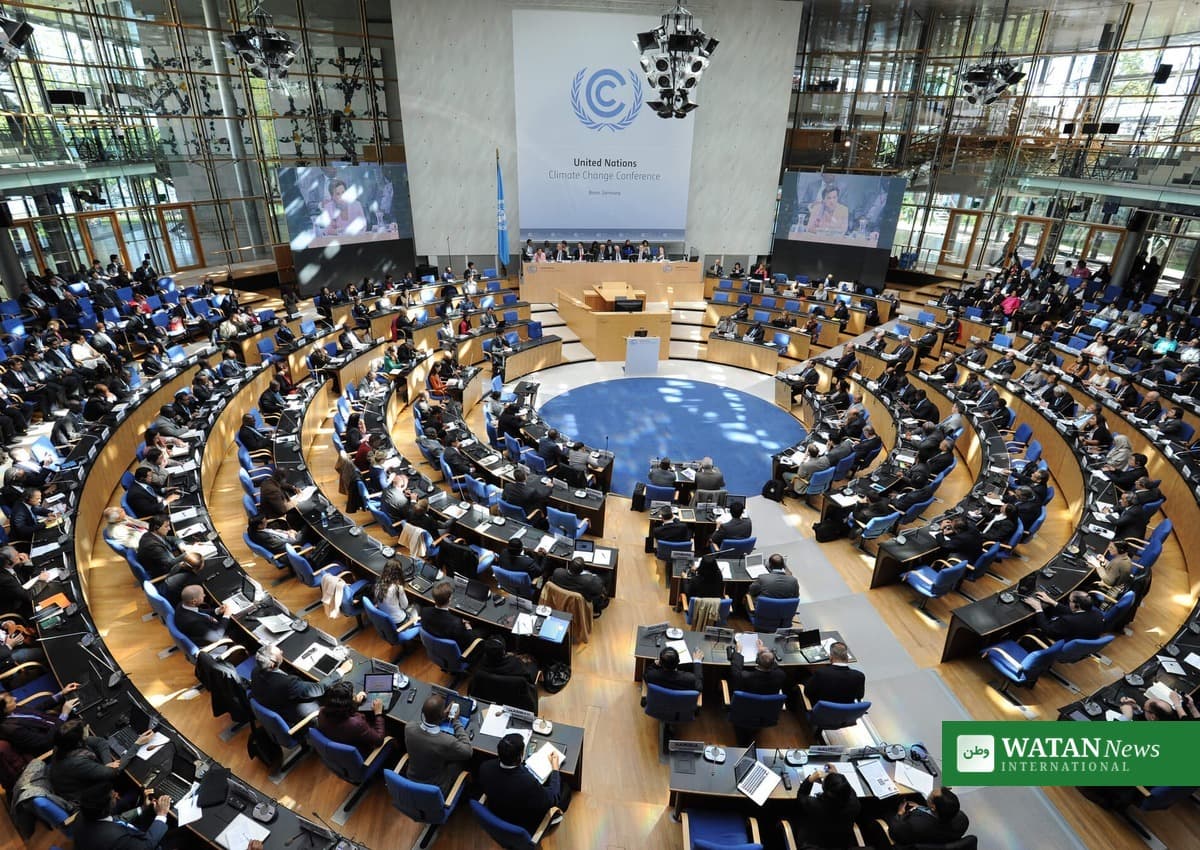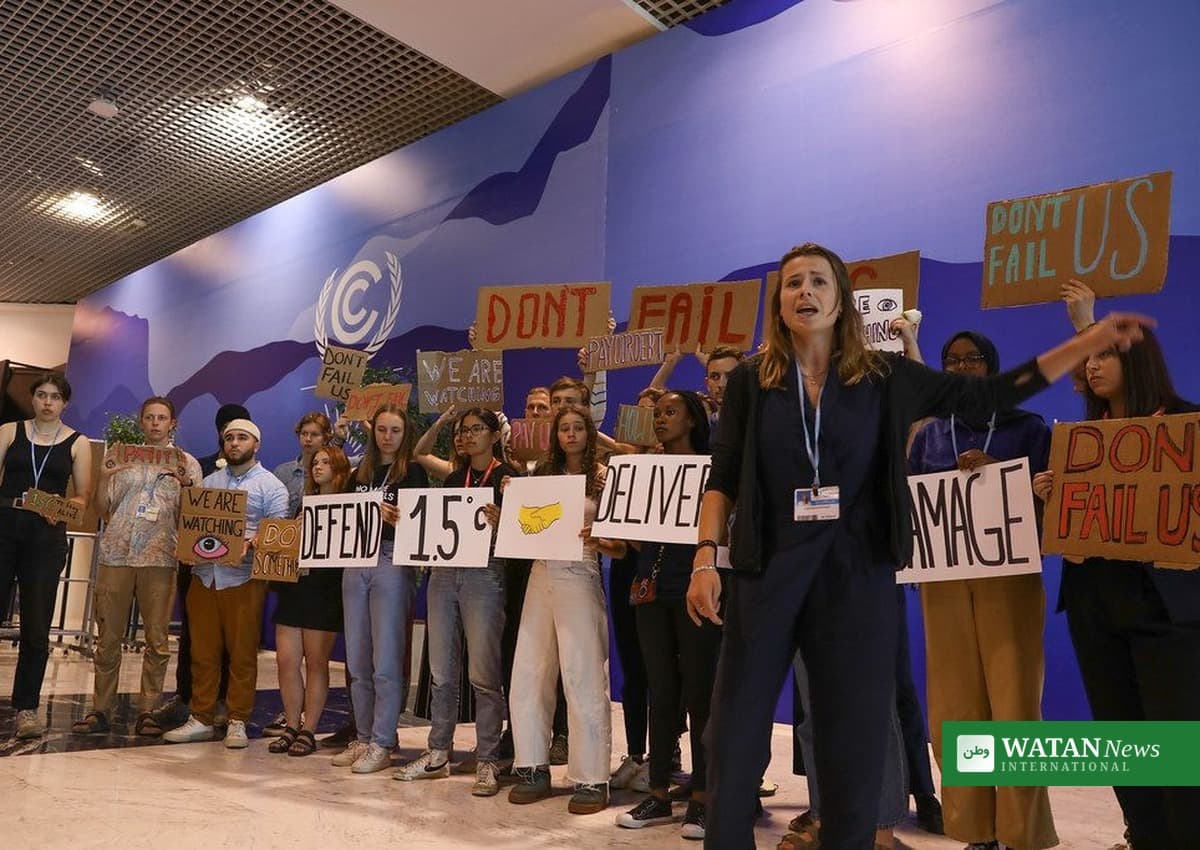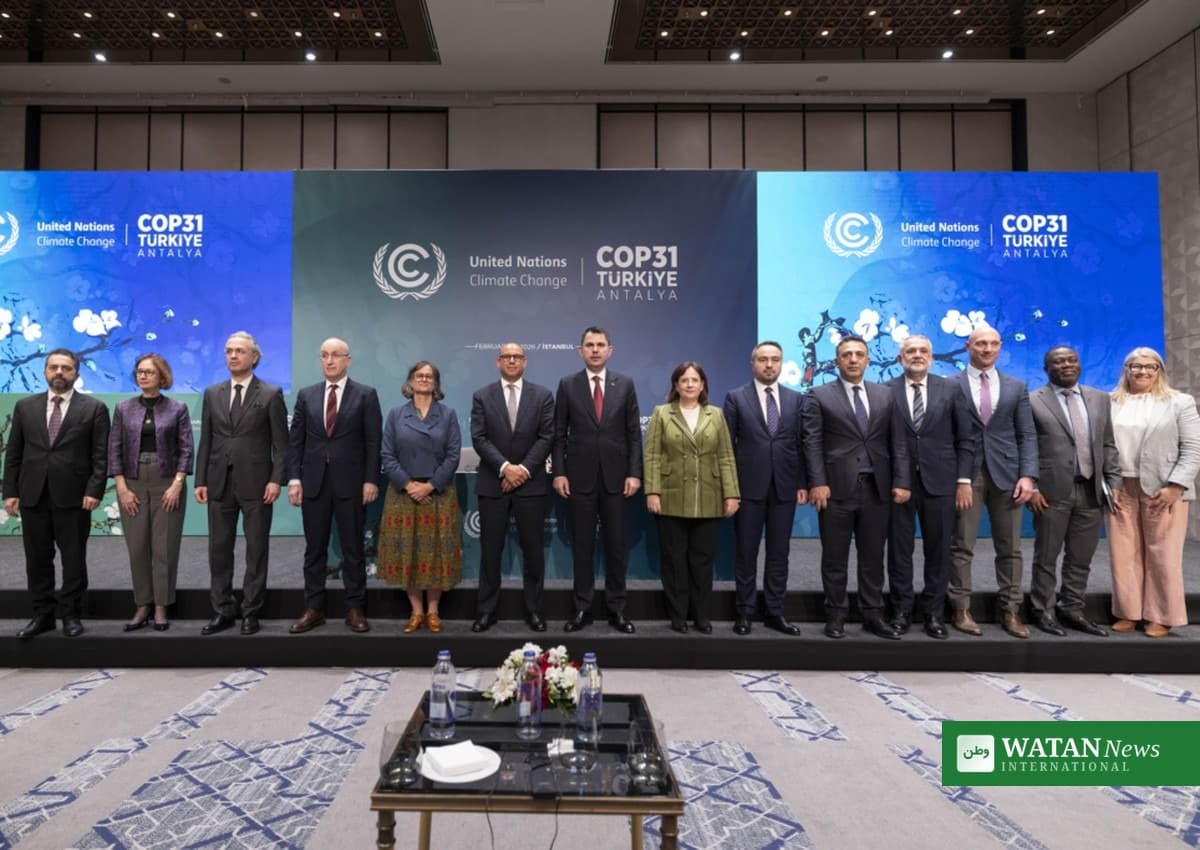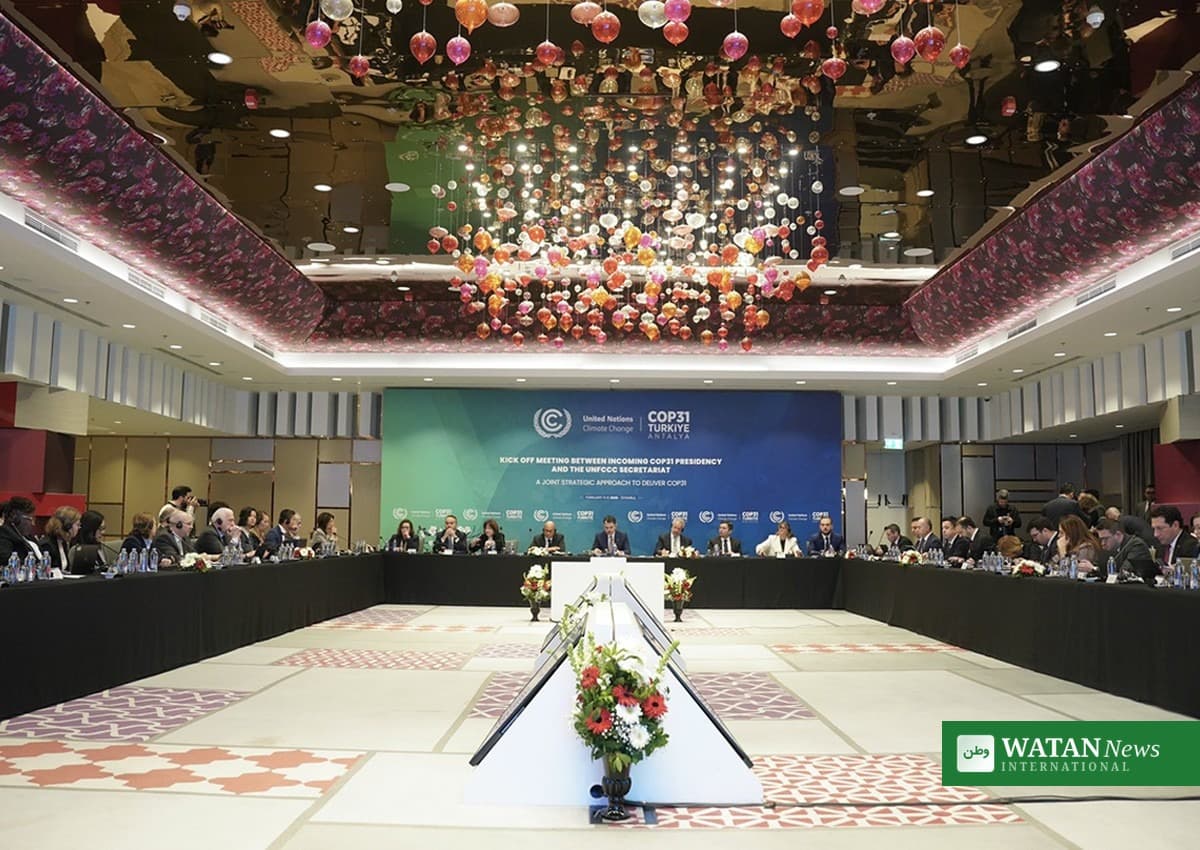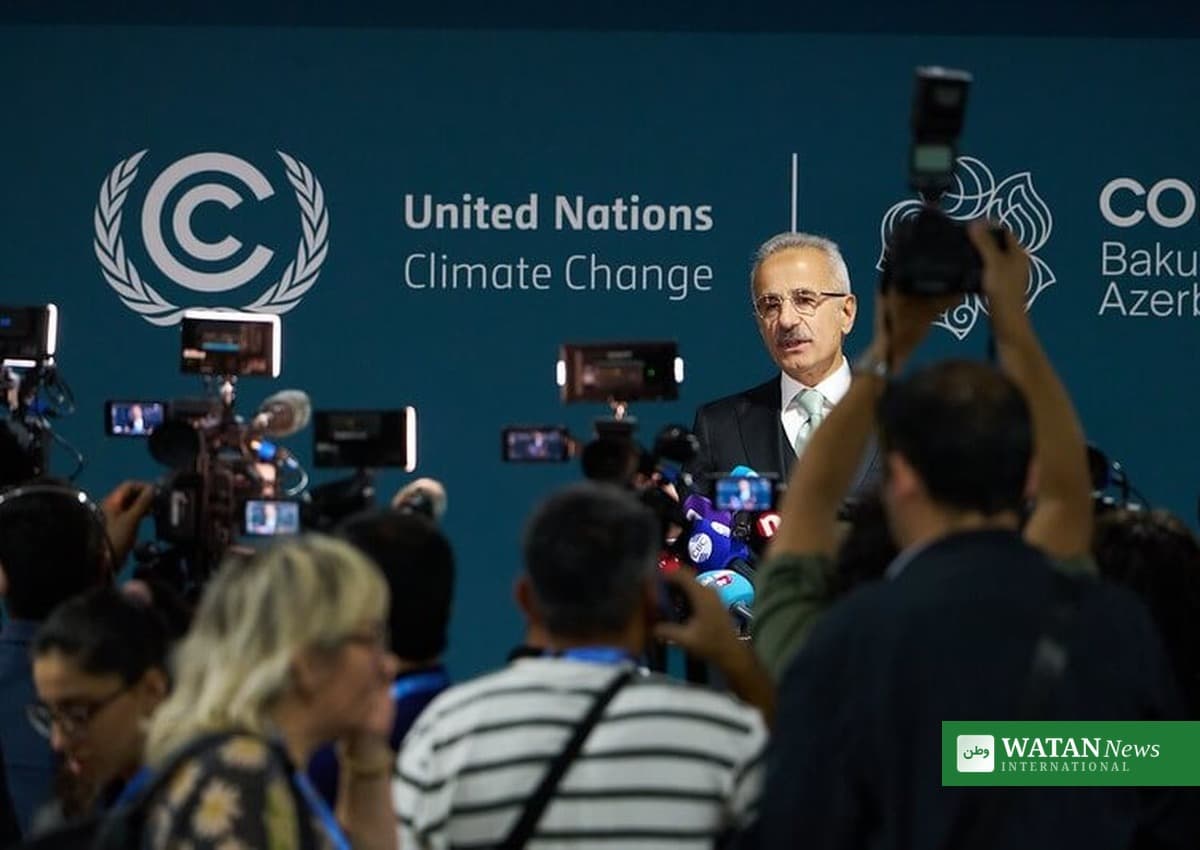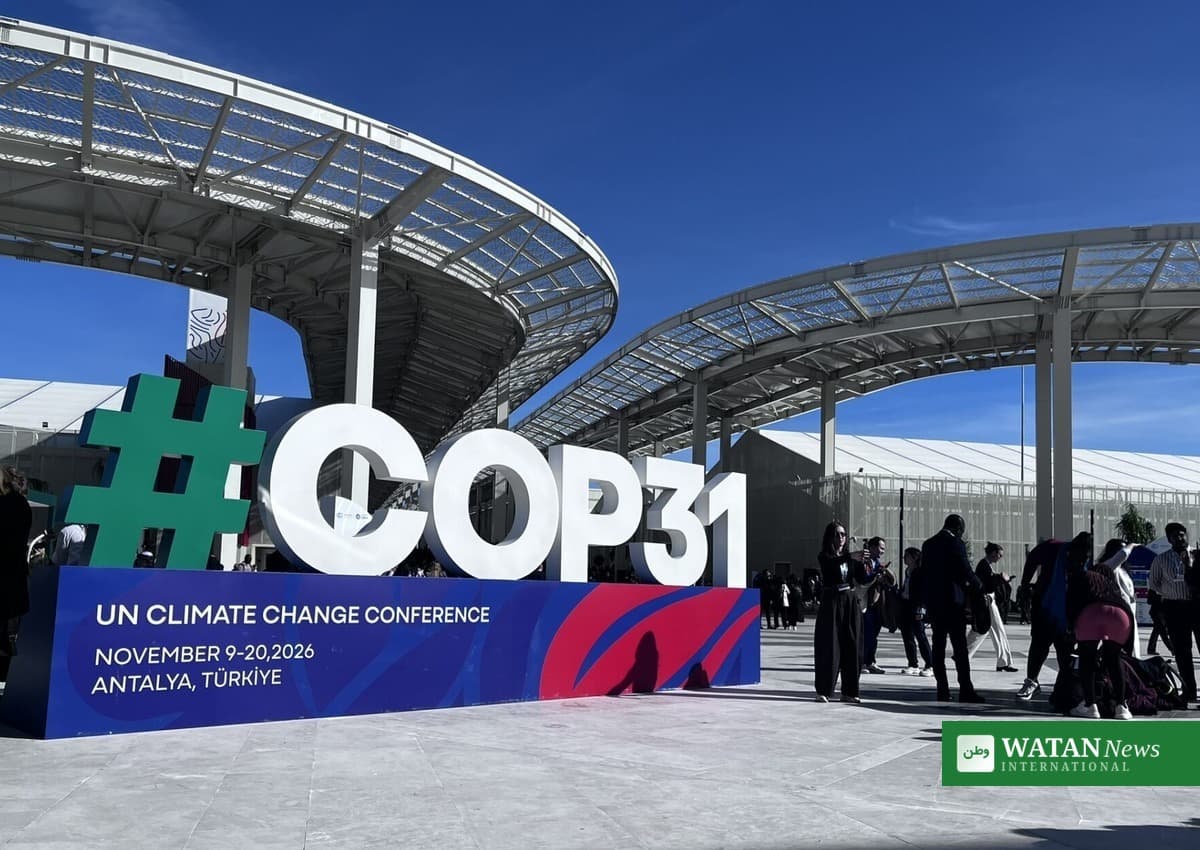
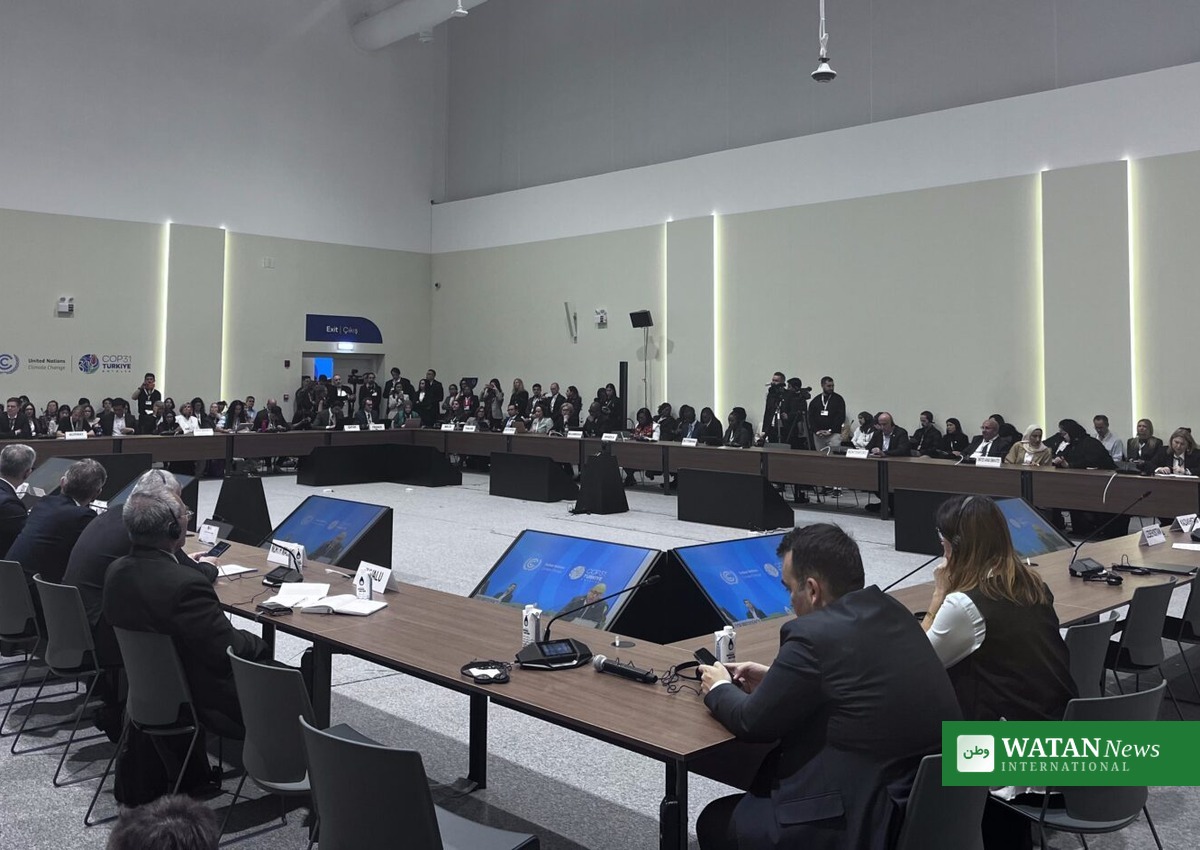
Antalya, 10 November 2026 — The second day of COP31 in Antalya belongs to energy and transport. After an opening day dominated by the fight over climate finance, the COP31 Energy and Transport Day fills the Blue Zone, the national pavilions and the Innovation Zone in Belek with ministerial meetings, science briefings, report launches and business forums — all aimed at speeding up the shift to clean electricity and cleaner ways of moving people and goods.
Around 100,000 people from nearly 200 countries are expected in Antalya over the two weeks of the conference, which runs until 20 November. Tuesday’s programme shows how a thematic day works at COP31: one theme, dozens of events, and negotiators, scientists, businesses and youth groups all in the same halls. The full twelve-day programme runs from food and health to the final negotiations.
Global Electrification Ministerial leads the day
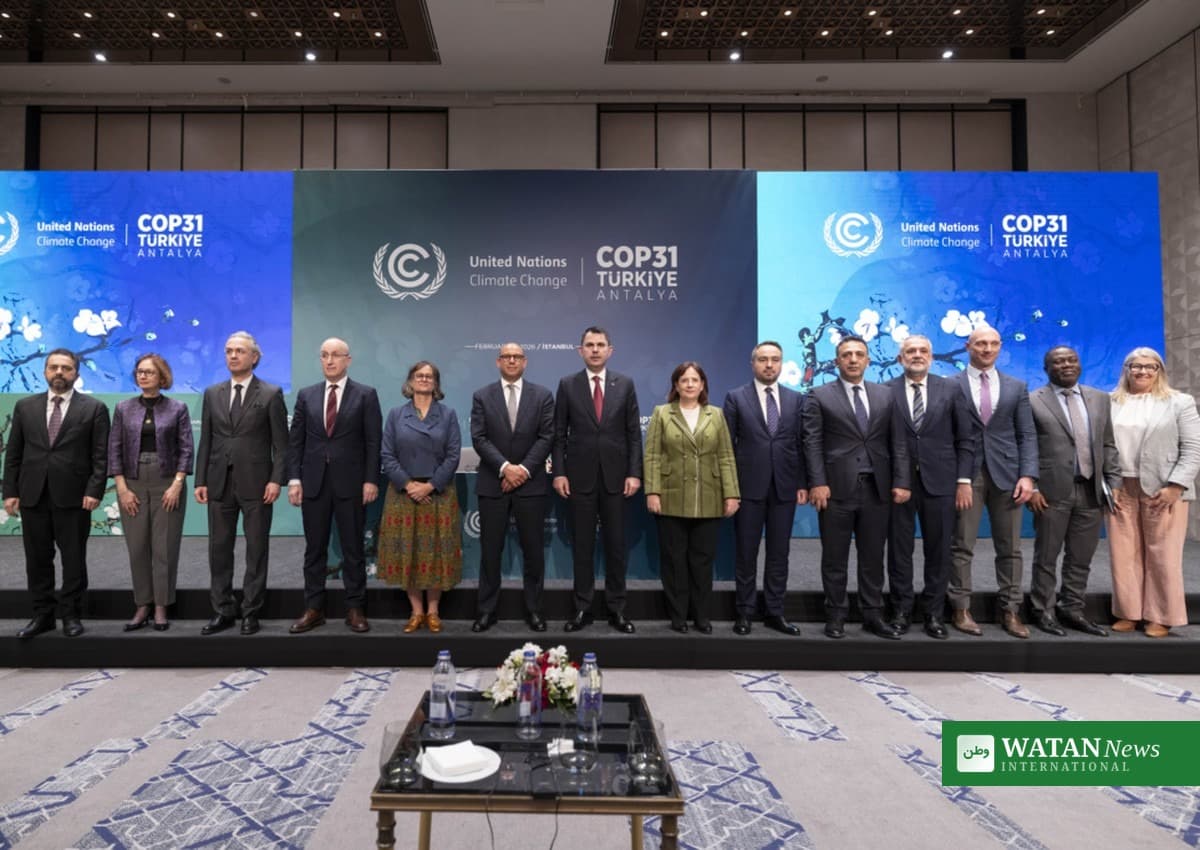
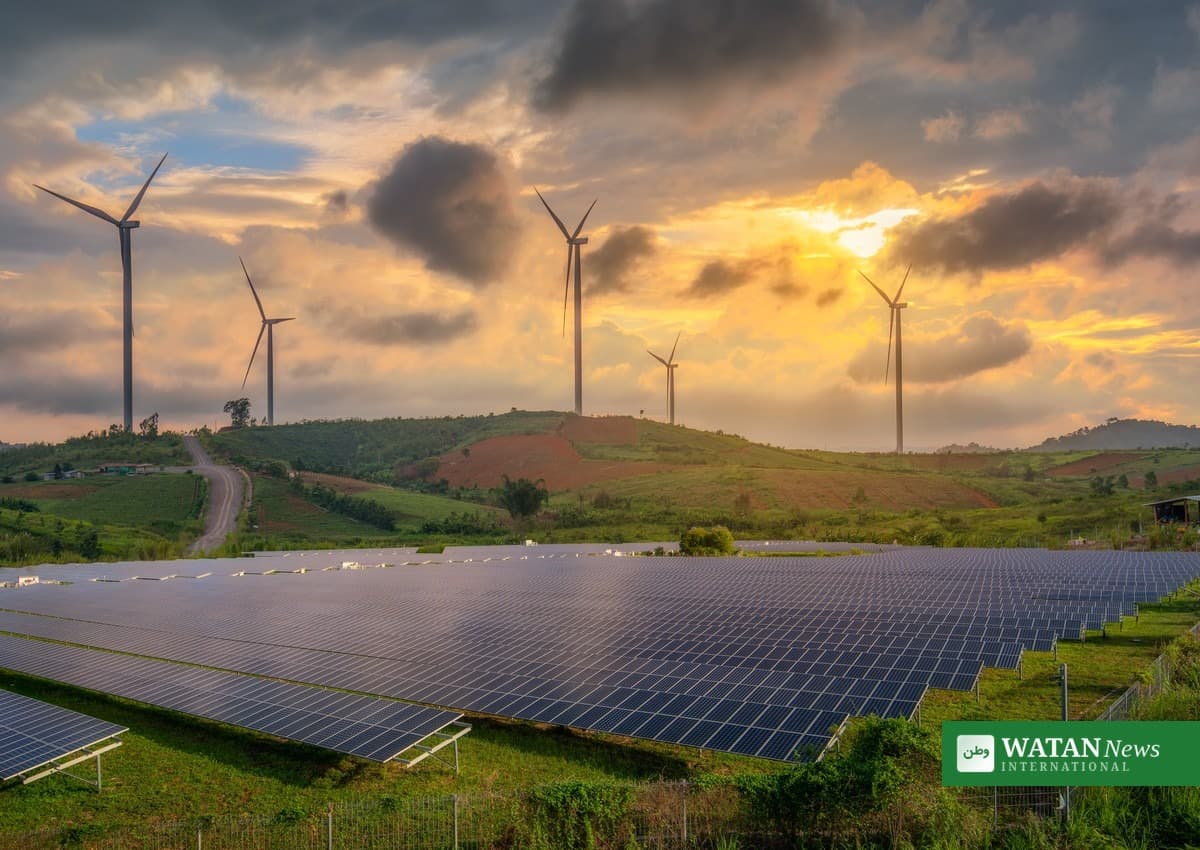
The headline event of the day is the Global Electrification Ministerial, held from 15:30 to 17:30 and hosted by the COP31 Presidency of Türkiye together with Electrify Now. Ministers will discuss how to deliver affordable clean electrification through policy, finance and partnerships.
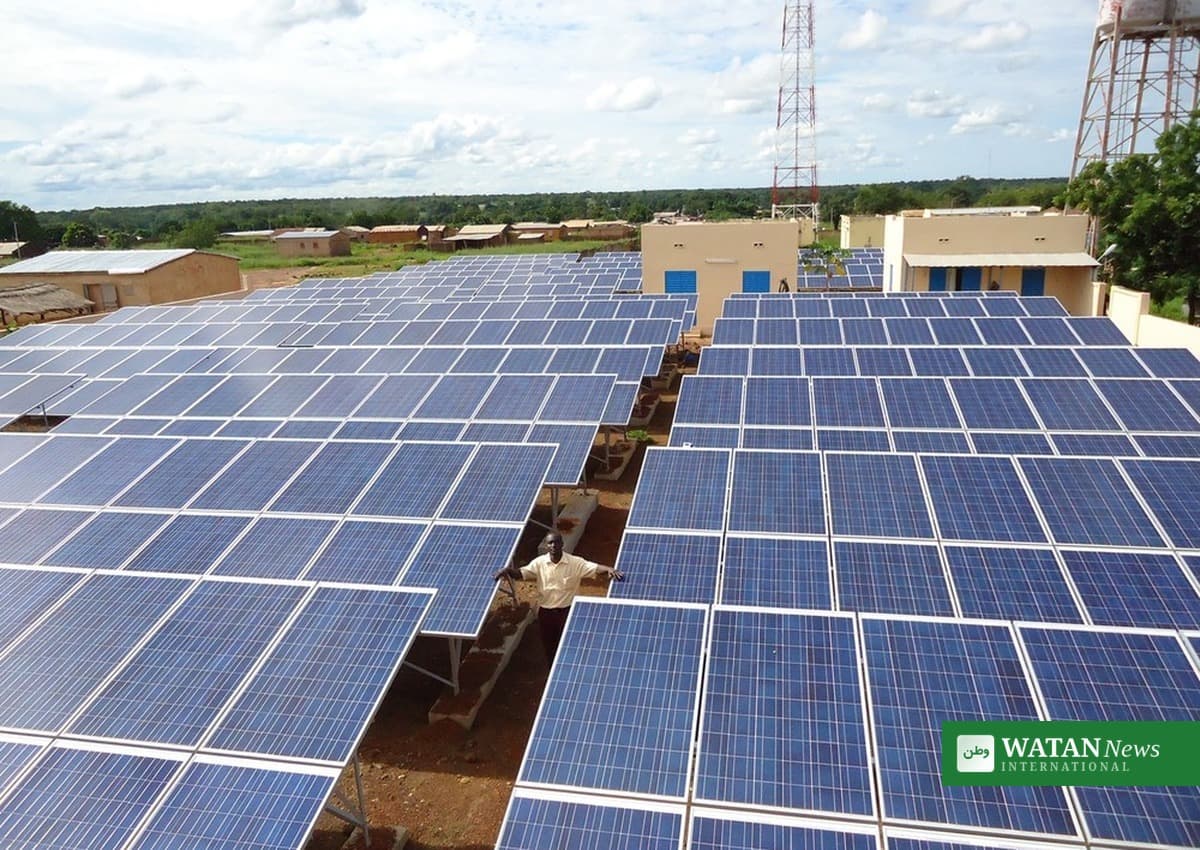
The ministerial carries the conference’s big energy idea: Türkiye and Australia are seeking support for a voluntary goal to raise electricity’s share of the world’s final energy use from about a fifth today to 35 percent by 2035. More than 40 sessions on Tuesday alone have electrification in the title, according to Climate and Capital Media’s COP31 event tracker.
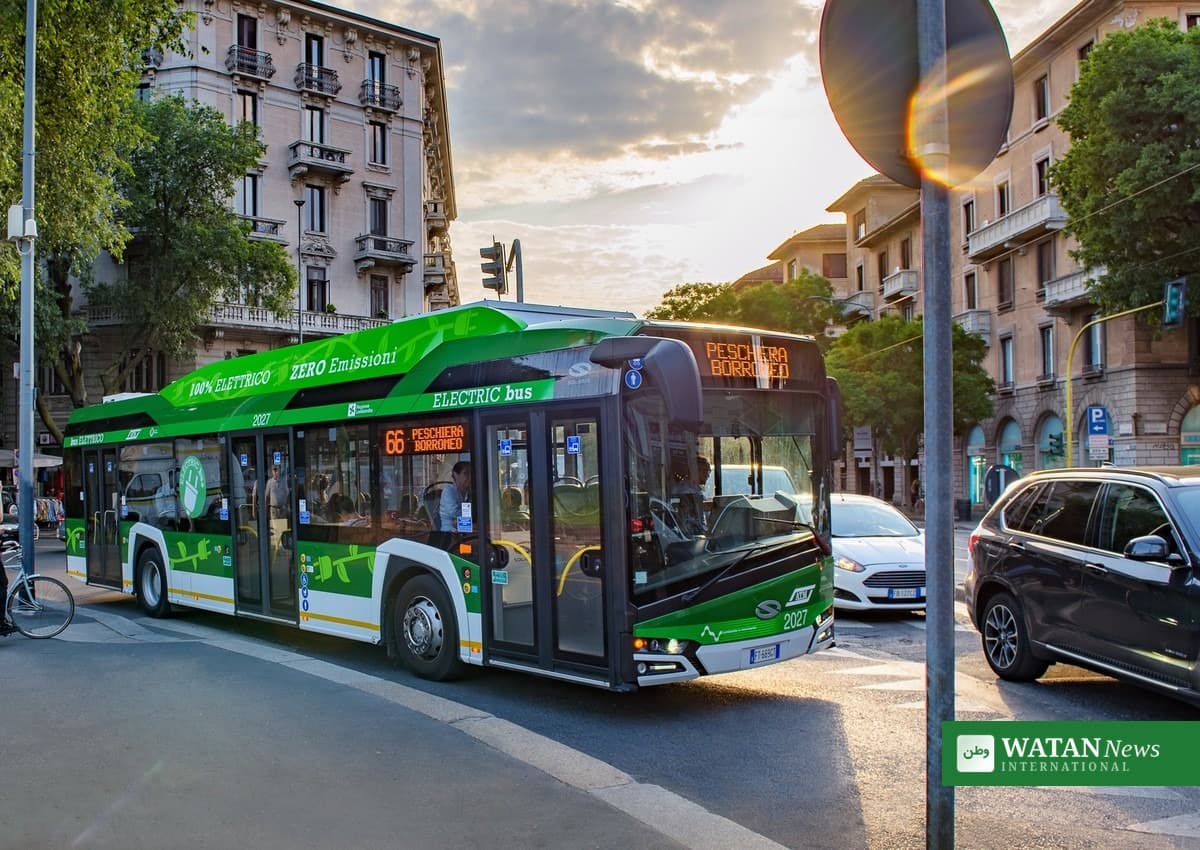
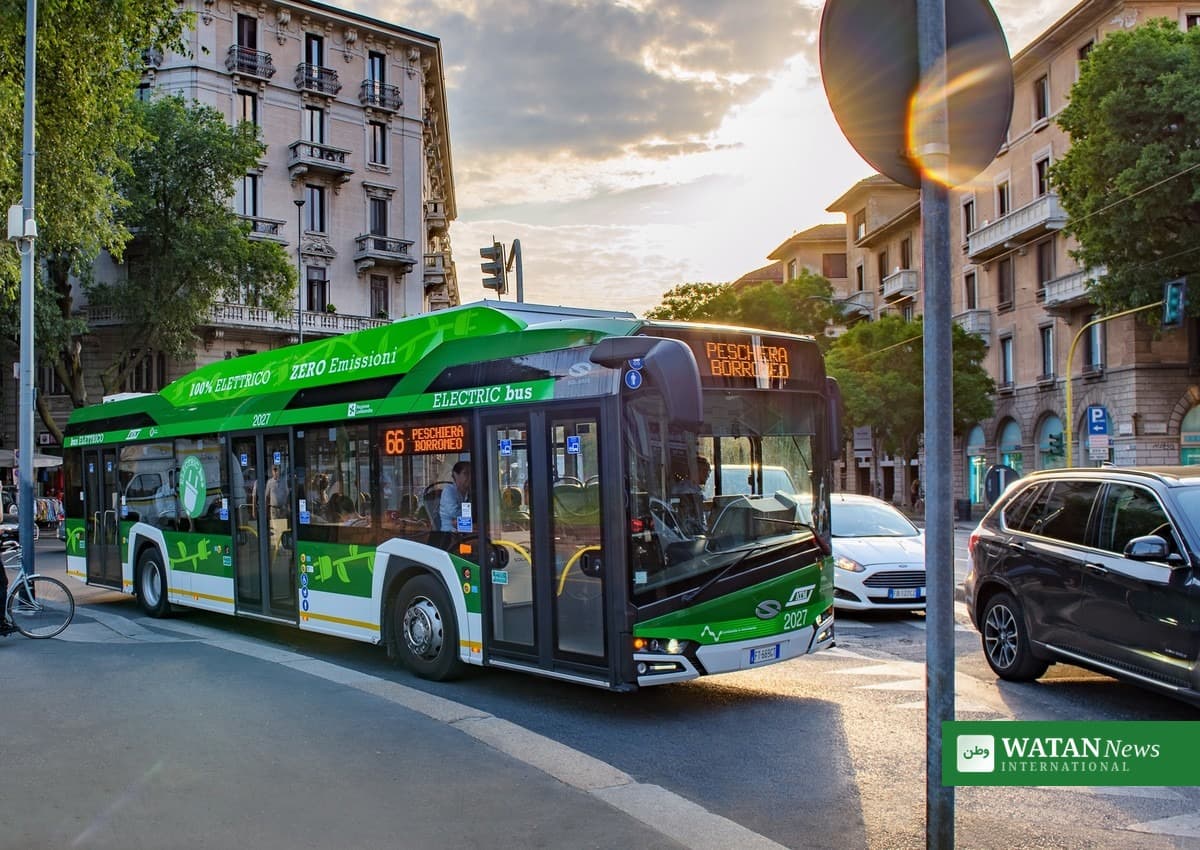
Energy security is also on the agenda in the morning: a session on Ukraine’s resilient energy transition, hosted by the European Commission’s energy department and Ukraine from 11:00 to 12:00, looks at rebuilding a decarbonised, secure and European energy future. COP31’s transport day also puts green freight corridors at the centre of the climate fight, with road, sea and rail freight all under discussion.
Science takes the stage: new insights and the cryosphere
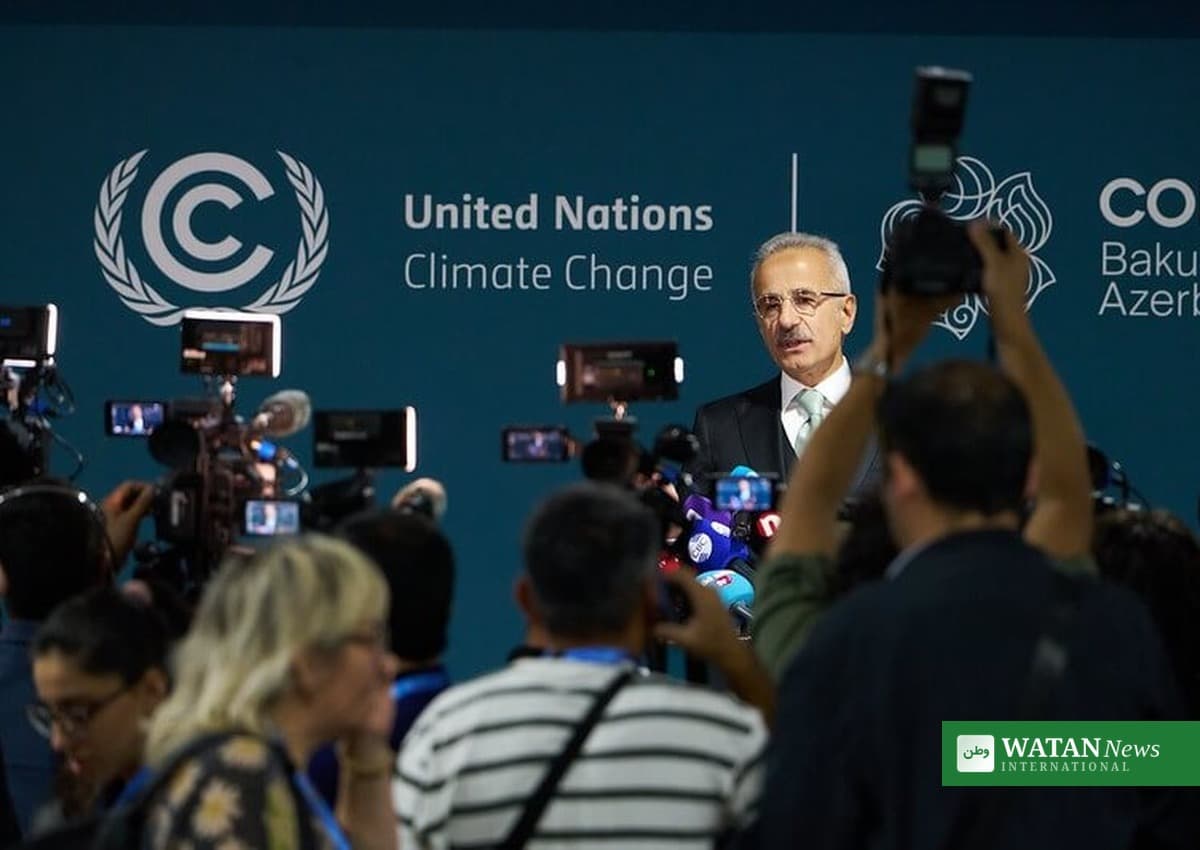
The day begins with science. At 10:30, Future Earth, The Earth League and the World Climate Research Programme hold a press conference in Press Conference Room 2 to present the 10 New Insights in Climate Science, the annual briefing on the latest climate research. The European Centre for Medium-Range Weather Forecasts launches its Climate SET tool at 09:30 in the Joint MDB Pavilion, and at 14:30 a high-level side event in the UNFCCC Pavilion examines the state of the global climate observing system.
The Cryosphere Pavilion, which hosts more than 80 side events across the two weeks, dedicates Tuesday to “Connecting Antarctica, Pacific Island States, and Coastal Nations”. Its main event comes at 13:30: the launch of the State of the Cryosphere Report 2026 and the UNEP Spotlight Report on Cryosphere and Overshoot. The reports set out the physical risks of the world overshooting the 1.5°C limit, the scientific gaps, and what the response of the world’s ice means for policy — including the case for an urgent phase-out of fossil fuel use.
The pavilion’s other Tuesday sessions give early career researchers the floor at 10:00, examine the impacts of climate overshoot at 11:30, look at why changes in Antarctica and the Southern Ocean matter for the Pacific at 16:00, and close the day at 18:00 with a session on the Atlantic overturning circulation, known as AMOC, and what science can say about it with confidence.
Business, innovation and the pavilions
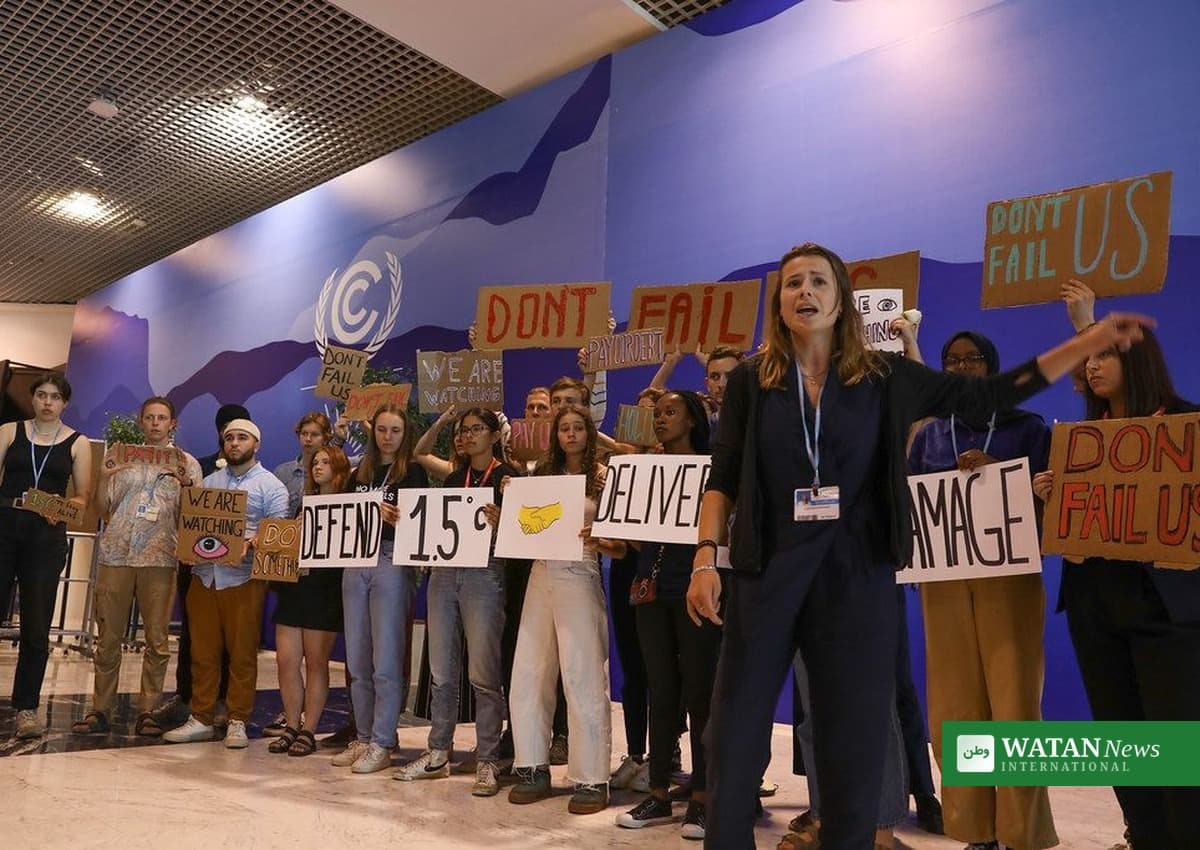
Outside the Blue Zone, the Sustainable Innovation Forum runs on Tuesday and Wednesday at the Climate Action Innovation Zone in Belek, bringing businesses and investors together around sustainable innovation. The We Mean Business Coalition’s Business Pavilion hosts a full day of sessions, including a discussion on youth and business holding the line on climate ambition at 10:00, real stories of business transformation at 11:30, the transition to electric road freight at 12:30, and Women Leading on Climate at COP31 from 16:30.
The national pavilions are busy too. The Denmark Pavilion examines methane emissions from fossil fuel production at 10:00, and the EU Pavilion showcases clean and resilient technologies in practice at 18:30. Nepal opens its national pavilion on Tuesday, a day after Foreign Minister Shisir Khanal told the opening plenary that protection of mountain ecosystems should be built into the formal COP process. Nepal, Bhutan and Kyrgyzstan are co-hosting a high-level side event with the International Centre for Integrated Mountain Development and the Zoï Environment Network, calling for predictable and accessible adaptation finance for mountain regions.
The African Development Bank Group runs four events on Tuesday, including support from the multilateral development banks for climate action from 13:30, evidence on climate-resilient transport infrastructure in Africa at 14:00, clean cooking solutions at 16:00, and Accelerating Energy Access in Africa through Mission 300 from 17:30. South Africa’s pavilion focuses on its just energy transition, with sessions at 10:00 and 11:00.
What comes next
Tuesday’s programme sets up the biggest days of the first week. On Wednesday 11 November, the World Leaders Summit opens and the conference marks Zero Waste Day, the first of the leaders’ summit days. Thursday 12 November brings the second leaders’ day, dedicated to resilient cities and the built environment.
The Green Zone, the public area of the conference, stays open to visitors on Tuesday, but will be closed during the leaders’ summit on 11 and 12 November, when heads of state and government take centre stage in Antalya.
Key facts
- Day: Tuesday, 10 November 2026 — Day 2 of COP31
- Theme: Energy and Transport
- Venue: Antalya Expo Center, Antalya, Türkiye
- Headline event: Global Electrification Ministerial, 15:30–17:30
- Report launch: State of the Cryosphere Report 2026, 13:30, Cryosphere Pavilion
- Forum: Sustainable Innovation Forum, 10–11 November, Belek
- Next: World Leaders Summit, 11–12 November