Shoppers across the European Union can finally trust the “eco-friendly” promises on product labels. The EU’s long-awaited anti-greenwashing rules, the Empowering Consumers for the Green Transition (EmpCo) Directive, became applicable across the EU on 27 September 2026, after a two-and-a-half-year implementation period.
The rules amend the EU’s Unfair Commercial Practices Directive and set a hard new baseline: vague green marketing is out, and only proven, certified sustainability claims are allowed. The rules apply to any business marketing to EU consumers — wherever in the world it is based.
FAKTA: The EU Greenwashing Rules
- The Empowering Consumers for the Green Transition (EmpCo) Directive, (EU) 2024/825, applies across the EU from 27 September 2026.
- Generic, unsubstantiated claims such as “eco-friendly” or “green” are now banned, as are “climate neutral” claims based on carbon offsets.
- Sustainability labels must be based on a recognised certification scheme or set up by a public authority.
- The rules cover every business marketing to EU consumers, including companies based outside the EU.
What the New Rules Ban
Under the directive, environmental claims in business-to-consumer marketing must be verifiable. A product can no longer be called “eco-friendly”, “green” or “climate-friendly” without evidence, and companies may no longer claim a product is “climate neutral” simply because they bought carbon offsets.
Self-made sustainability logos — the kind created by a company itself or resting only on a supplier’s word — are no longer acceptable. Every sustainability label shown to EU shoppers must now be backed by a recognised certification scheme with independent verification, or by a public authority. The same discipline applies to claims about future environmental performance, which must rest on clear commitments rather than vague promises.
Old Stock Is Not Exempt
Ahead of the application date, the European Commission clarified that the new requirements also cover products already manufactured, ordered, distributed or sitting on retailers’ shelves — so-called “old stock”. There is no formal transition period beyond 27 September 2026.
Certification schemes behind sustainability labels also had to meet the directive’s requirements by the application date, or the labels must be removed from commercial communications. The Commission has said national enforcement authorities may take proportionality and genuine transitional difficulties into account when dealing with old stock.

Patchy Rollout: 20 Member States Face EU Action
Implementation across Europe remains uneven. According to the EU’s official tracker, nearly one-third of Member States had no measures in place to implement the directive when it became applicable, and not every country had communicated complete transposition measures by the deadline of 27 March 2026.
In May 2026 the European Commission launched infringement proceedings against 20 Member States for failing to communicate complete transposition. Where a country has not yet adopted implementing legislation, the directive itself cannot impose new penalties directly on private companies — but businesses trading across the EU are being advised to comply everywhere rather than wait.
What It Means for Sustainable Shoppers
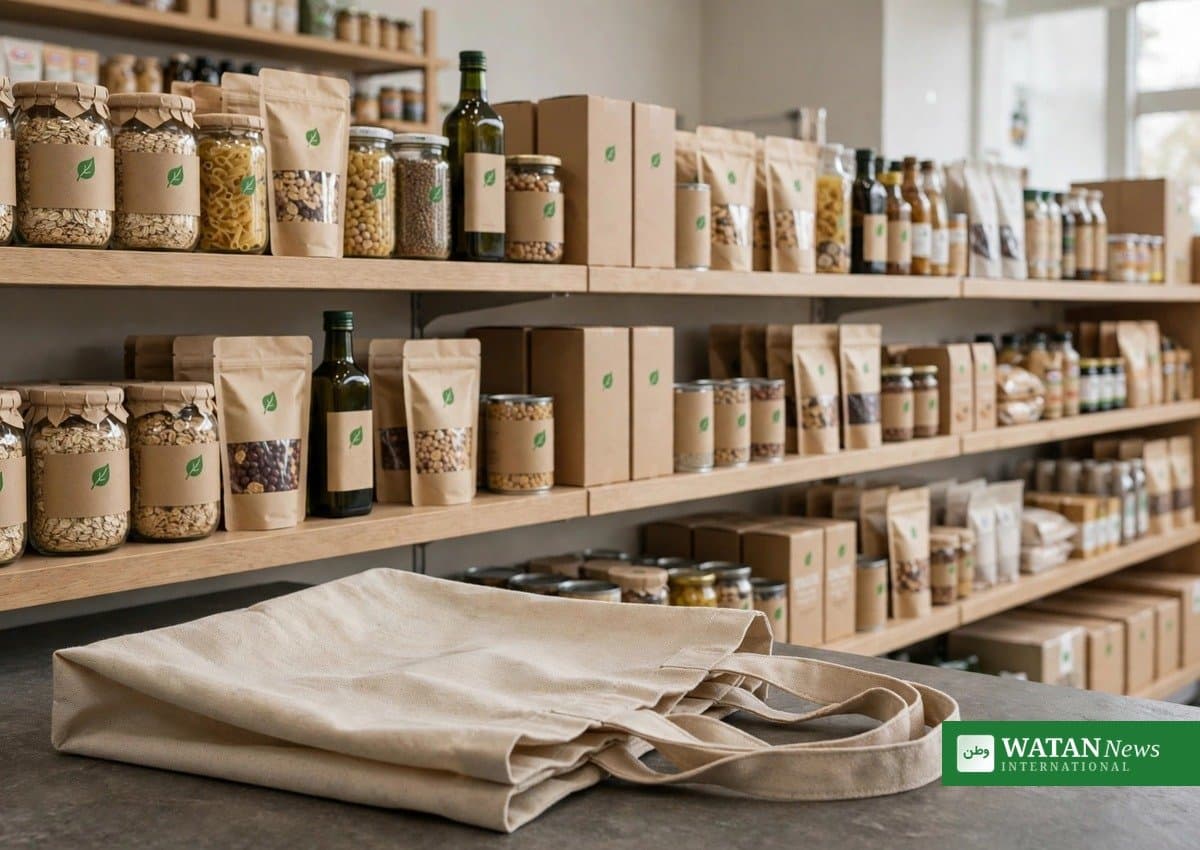
For consumers who build sustainability into their daily routines, the change is practical: when a label in an EU shop says “sustainable”, “regenerative” or “climate-friendly”, there must now be an independent certification behind it. Honest farmers and businesses benefit too — genuine environmental work is no longer drowned out by empty slogans.
The Tourism Sustainability Certifications Alliance welcomed the rules as a milestone for consumer confidence, saying they reward transparency, evidence and credibility in a marketplace where shoppers increasingly want to know that green claims are genuine.
Those who follow climate and sustainability news in English will recognise the pattern: the EU is once again setting the global baseline, and exporters everywhere will have to match it.
Conclusion
The EU greenwashing rules change the economics of honesty: making a real environmental effort is finally rewarded, and faking one carries a real risk. For sustainable living, that is a quiet revolution on every supermarket shelf.