
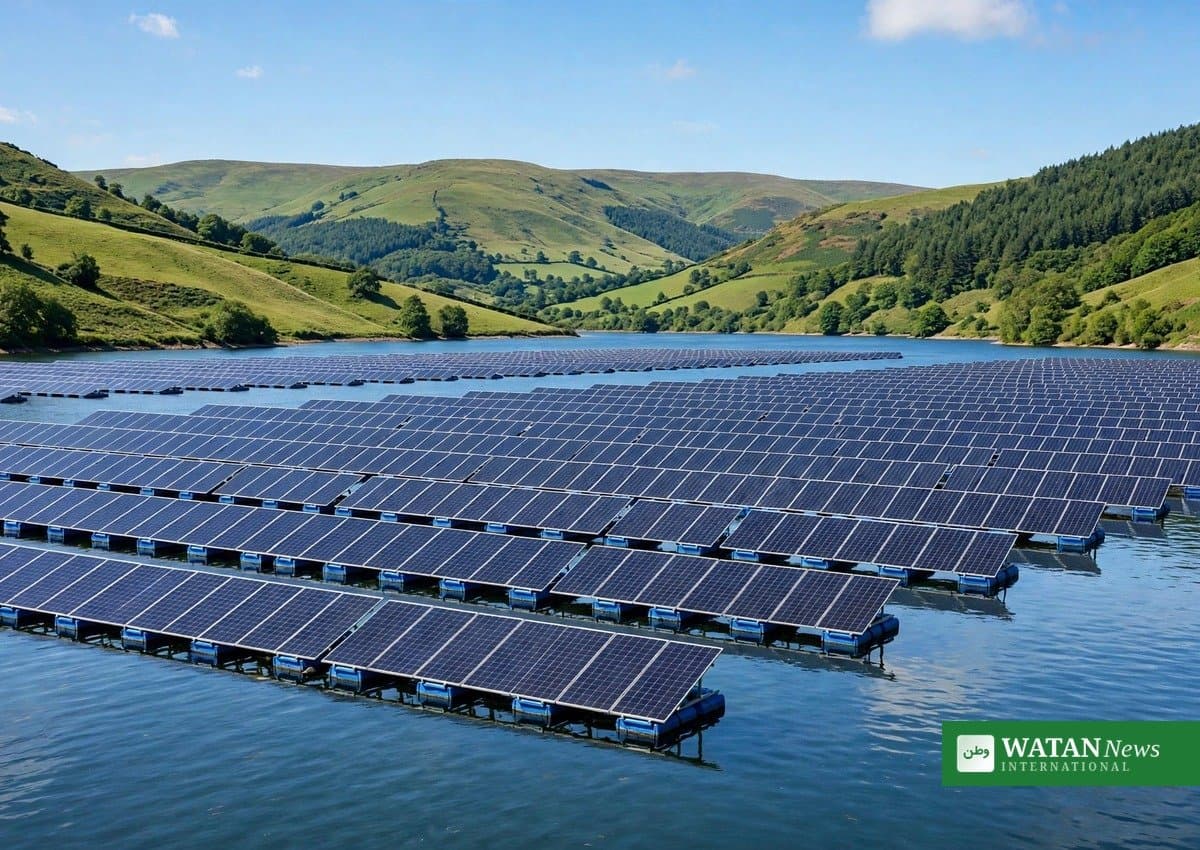
New Delhi, October 8 — Tata Power, one of India’s largest integrated power companies, has partnered with Norway-based Ocean Sun to bring membrane-based floating solar technology to India, starting with a 300 kWp pilot at its Mulshi reservoir in Maharashtra.
The collaboration agreement was signed on the sidelines of the 2nd India–EFTA Prosperity Summit, a development that underlines the growing clean-energy partnership between India and Norway, as well as between India and the European Free Trade Association (EFTA).
Key facts
- Tata Power has partnered with Norway’s Ocean Sun for membrane-based floating solar technology in India.
- A 300 kWp pilot will be set up at Tata Power’s Mulshi reservoir in Maharashtra.
- The agreement was signed on the sidelines of the 2nd India–EFTA Prosperity Summit.
- The pilot will test performance, reliability, cost competitiveness and scalability under Indian conditions.
- India is estimated to have more than 102 GWp of floating solar potential, according to NISE.
The 300 kWp pilot at Mulshi
The pilot will evaluate Ocean Sun’s proprietary membrane-based floating solar technology for performance, reliability, cost competitiveness and scalability under Indian conditions. The project is also expected to generate practical operating insights that could support wider deployment in the future.
Tata Power says the pilot will benchmark Ocean Sun’s technology against conventional floating solar across key parameters, including energy generation, capacity utilisation factor (CUF), installation methodology and timelines, reliability, operations and maintenance requirements, capital cost and overall commercial viability.
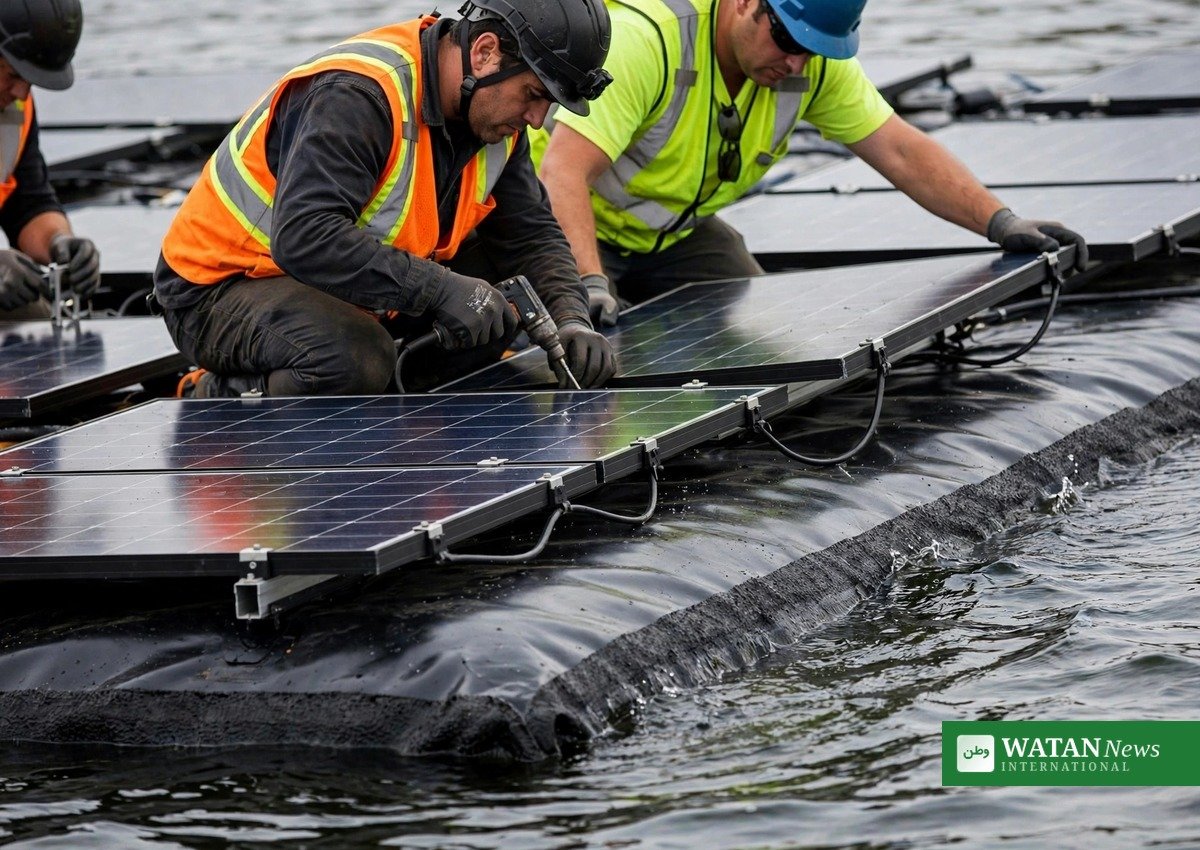
How the membrane technology works
Unlike conventional floating solar systems that rely on interconnected pontoon structures, Ocean Sun’s technology places solar photovoltaic modules on a thin, hydro-elastic membrane that floats directly on the water surface. The lightweight design could simplify transportation and installation while reducing structural complexity and cost.
Why floating solar matters for India
India holds significant potential for floating solar deployment. According to estimates by the National Institute of Solar Energy (NISE), the country has more than 102 GWp of floating solar potential — a resource that could complement ground-mounted and rooftop solar as India scales up its renewable energy capacity.
Analysts have reacted positively to the deal: SBI Securities described the collaboration as “positive in medium to long term,” noting its focus on evaluating new-generation floating solar technology under Indian conditions.
What happens next
The pilot’s results will determine whether membrane-based floating solar can move beyond the test phase and into commercial deployment across India’s reservoirs and water bodies. If successful, the technology could help India tap a vast new source of clean electricity without competing for land.
For more climate and energy coverage, visit Watan News.