A fresh wave of hoax bomb threats disrupted air travel across Europe on Friday, 6 November 2026, grounding, diverting and delaying at least 18 more flights in what officials describe as an apparently coordinated campaign to cause chaos. Every affected aircraft landed safely, and searches found no explosive devices on any of them.
Read this story on Watan News: Hoax Bomb Threats Disrupt at Least 18 More Flights Across Europe
FAKTA
- At least 18 more flights were disrupted by hoax bomb threats across Europe on Friday, 6 November 2026.
- The flights affected were travelling to or from Bulgaria, Cyprus, Czechia, France, Hungary, Italy, Portugal, Romania and the United Kingdom.
- Every affected aircraft landed safely and searches found no explosive devices. No injuries were reported.
- At least 35 flights had already been diverted or searched on Tuesday and Thursday of the same week.
- Hungary scrambled fighter jets three times on Friday to escort civilian aircraft through its airspace.
- The threats spread to newsrooms on Friday, forcing the evacuation of Ireland’s RTE and Bulgaria’s Nova TV, while Britain’s Sky also received a security threat.
- Investigators have said there is so far no evidence that the hoaxes are being orchestrated by a hostile terror group or a state actor.
Europe Hoax Bomb Threats: Friday’s Disruption in Detail
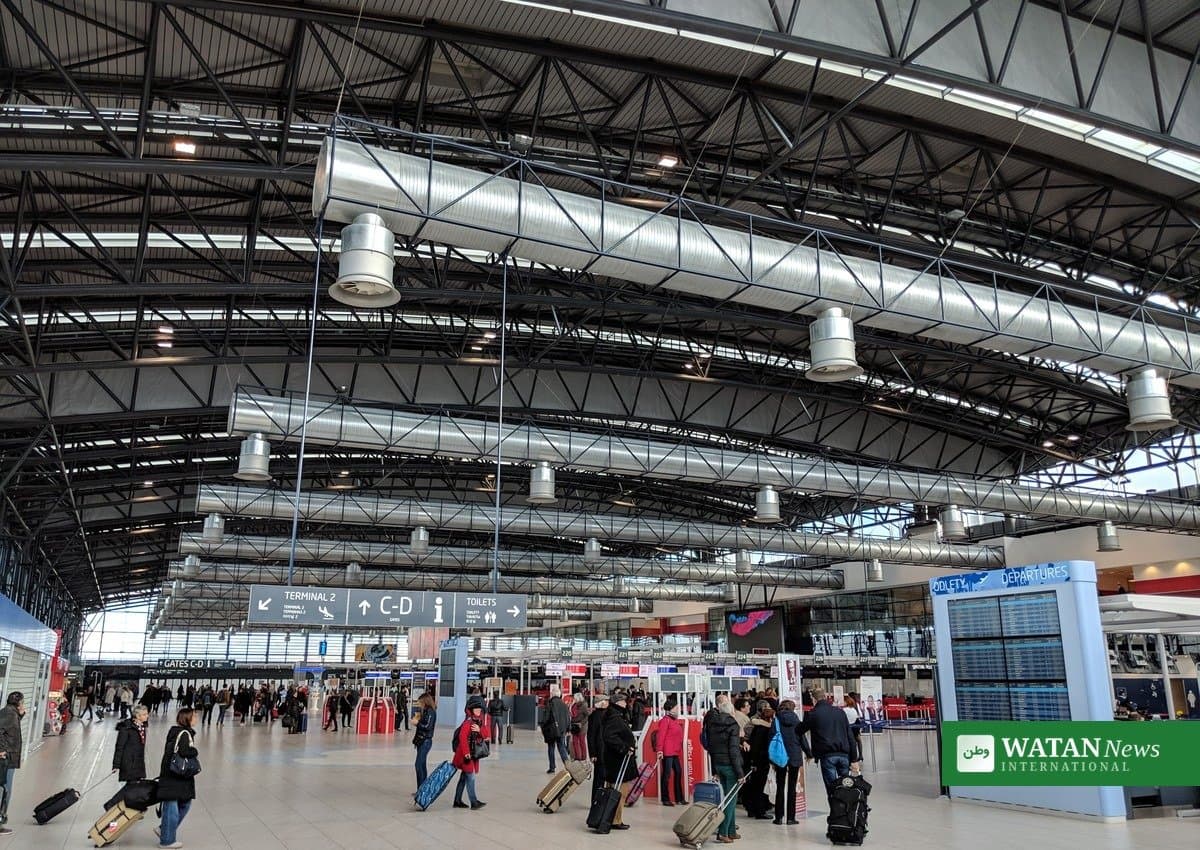
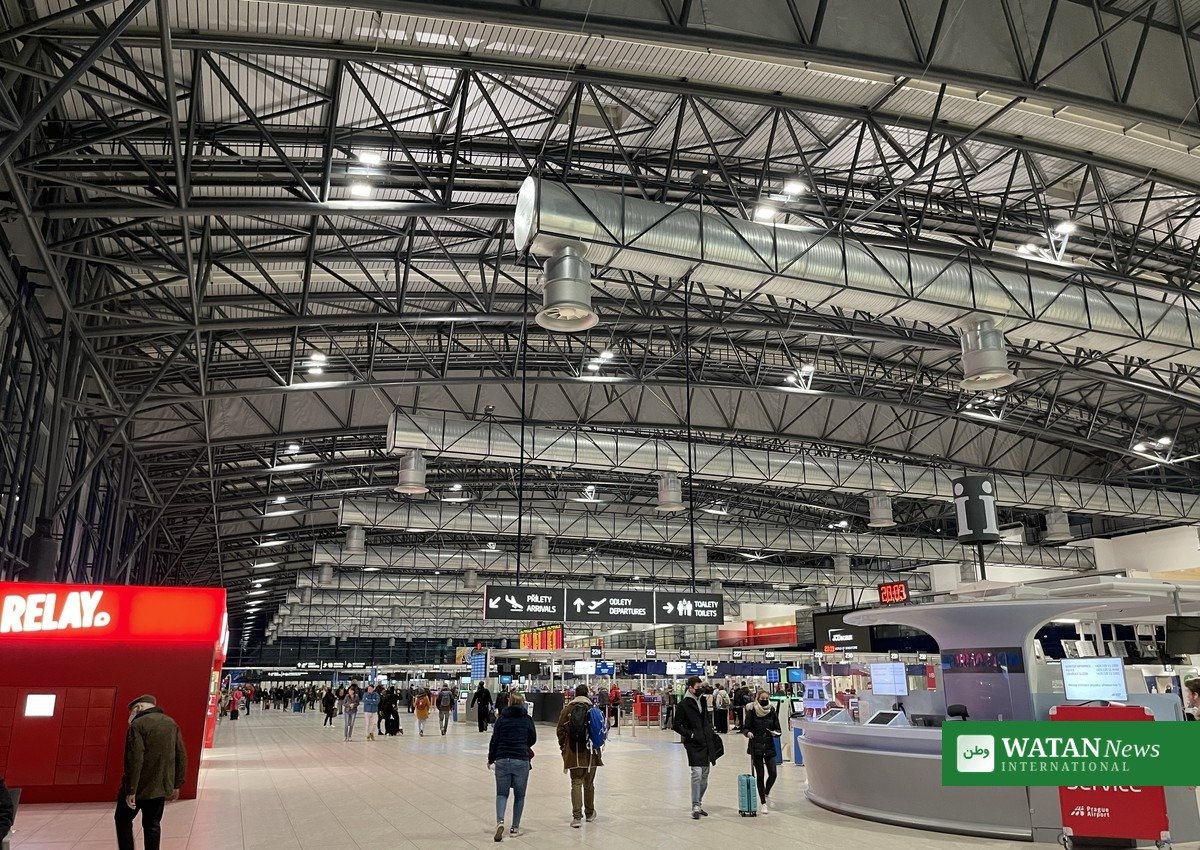
Friday’s alerts hit flights across nine countries. At least nine of the affected flights were flying to or from Prague, four were travelling over France, two were bound for Sofia, and one was flying from Lisbon to Rome. A Ryanair service from Rome to Lisbon was among those affected, and a Wizz Air flight from Prague to Rome was diverted to Venice, where passengers were evacuated after landing. Hungary scrambled fighter jets three times during the day to escort civilian aircraft through its airspace, according to the country’s defence minister, Romulusz Ruszin-Szendi. In Denmark, police investigated a threat made against Copenhagen airport, although the airport said it was operating normally.
| Friday’s affected flights | Number reported |
|---|---|
| Flights to or from Prague | At least 9 |
| Flights travelling over France | 4 |
| Flights bound for Sofia | 2 |
| Lisbon to Rome service | 1 |
| Total flights disrupted on Friday | At least 18 |
A Small Share of Europe’s Air Traffic
Despite the scale of the disruption, the affected flights were a tiny fraction of the day’s flying. Eurocontrol, which coordinates air traffic across the continent, said 26,709 flights were scheduled in Europe on Friday, meaning the affected services accounted for just 0.0674 percent of them. The counting is not straightforward: the EU transport commissioner, Apostolos Tzitzikostas, separately said 11 threats against flights were reported on Friday, while Eurocontrol recorded threats against 14 flights on Thursday and seven on Tuesday. One figure counts reported threats, the other disrupted flights.
A Week of Threats
Friday’s incidents were the latest in a week of threats that had already forced at least 35 flights to be diverted or searched on Tuesday and Thursday. The first warning reached Rome on Thursday morning, when an email sent at 7.21am to Aeroporti di Roma, the company that runs the city’s airports, claimed explosives had been planted on two incoming flights. One was diverted and ordered to land in France, while the other was escorted into Rome by Italian air force jets. No explosives were found on either aircraft.
Threats Spread to Newsrooms
The campaign widened beyond aviation on Friday. Ireland’s RTE evacuated its Dublin headquarters after an emailed threat warned that a bomb would go off within 45 minutes. Live programming was replaced by music and pre-recorded messages for as long as three hours, and staff returned only after a police sweep lasting more than three hours. Bulgaria’s Nova TV was also evacuated, checked and deemed safe, with broadcasting uninterrupted. Britain’s Sky also received a security threat, as did other Irish outlets including Virgin Media, Newstalk and the Irish Independent. No bombs were found at any affected site. The emails to RTE and Nova TV were signed “Mikhail Andropov”, claiming the author led the group behind the week’s plane hoaxes: “But this is only the beginning. What happened this week is just a small part of what awaits Europe in the near future.”
Who Is Behind the Threats?
It remains unclear who is behind the hoaxes. Investigators have said there is so far no evidence that they are being orchestrated by a hostile terror group or a state actor, such as Russia or Iran, but inquiries continue. The Irish prime minister, Micheal Martin, said European security agencies had not yet determined whether the threats were being made by individuals or as part of a coordinated attack. Spain’s foreign minister, Jose Manuel Albares, said a pattern was emerging, describing the most reasonable assumption as hybrid aggression and psychological warfare. The European Union has said it is too early to say whether the incidents are linked.
Conclusion
Friday was the third wave of hoax bomb threats against European aviation in four days, and the first to reach newsrooms as well as aircraft. No explosives have been found, no one has been injured, and the disruption touched only a fraction of Europe’s flights. Who is sending the threats, and why, remains unknown.