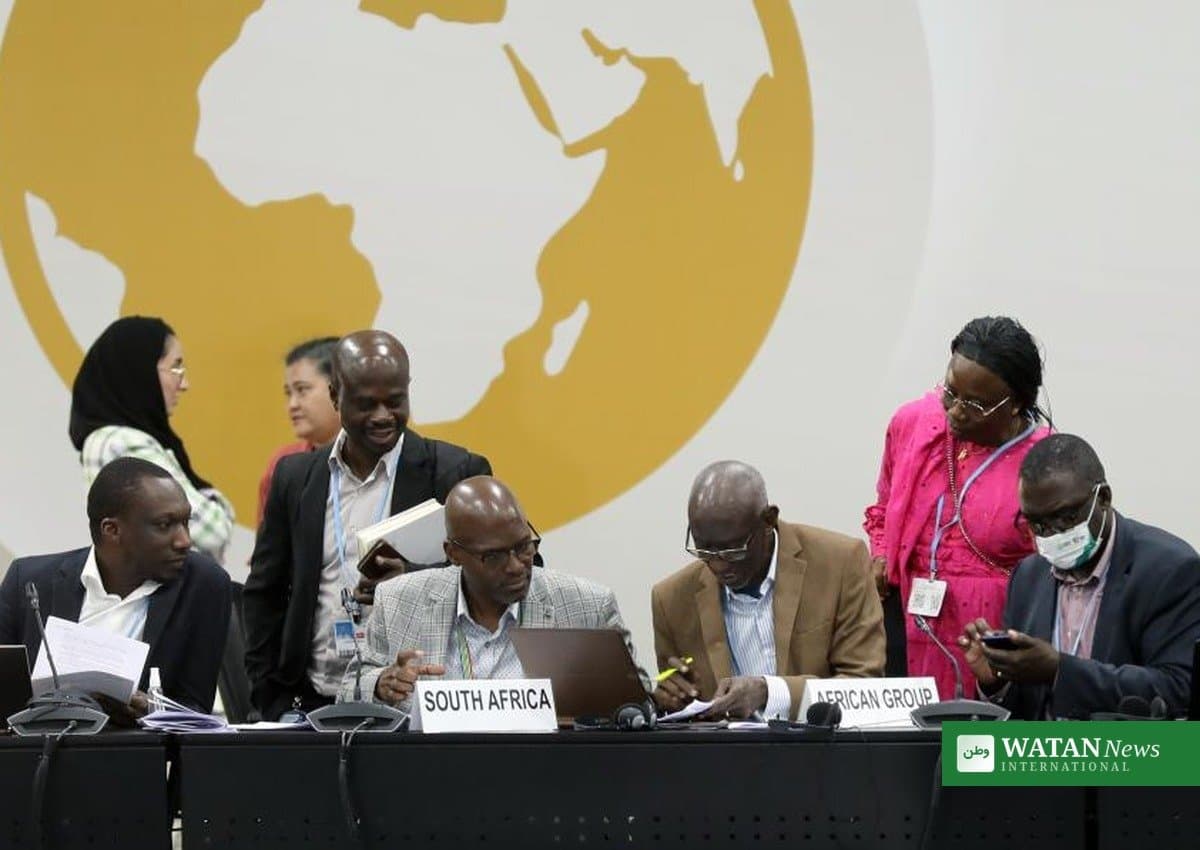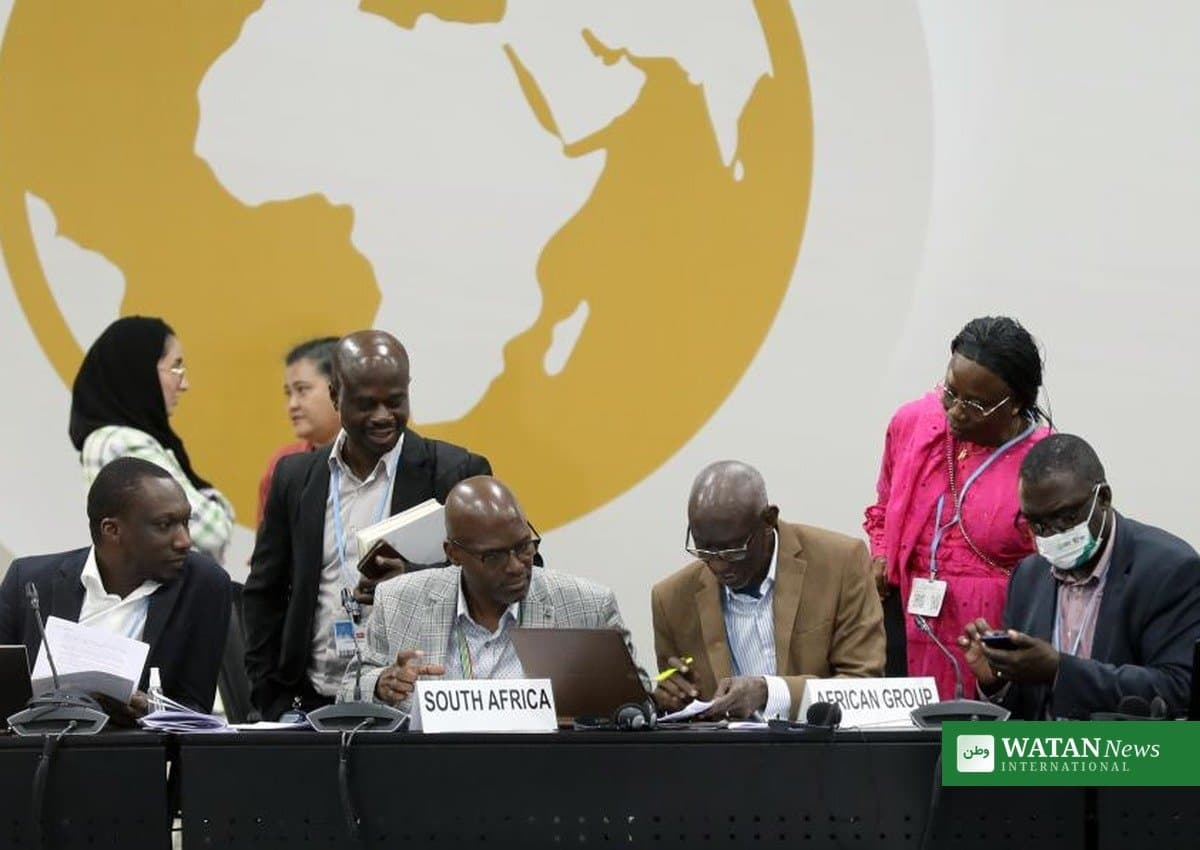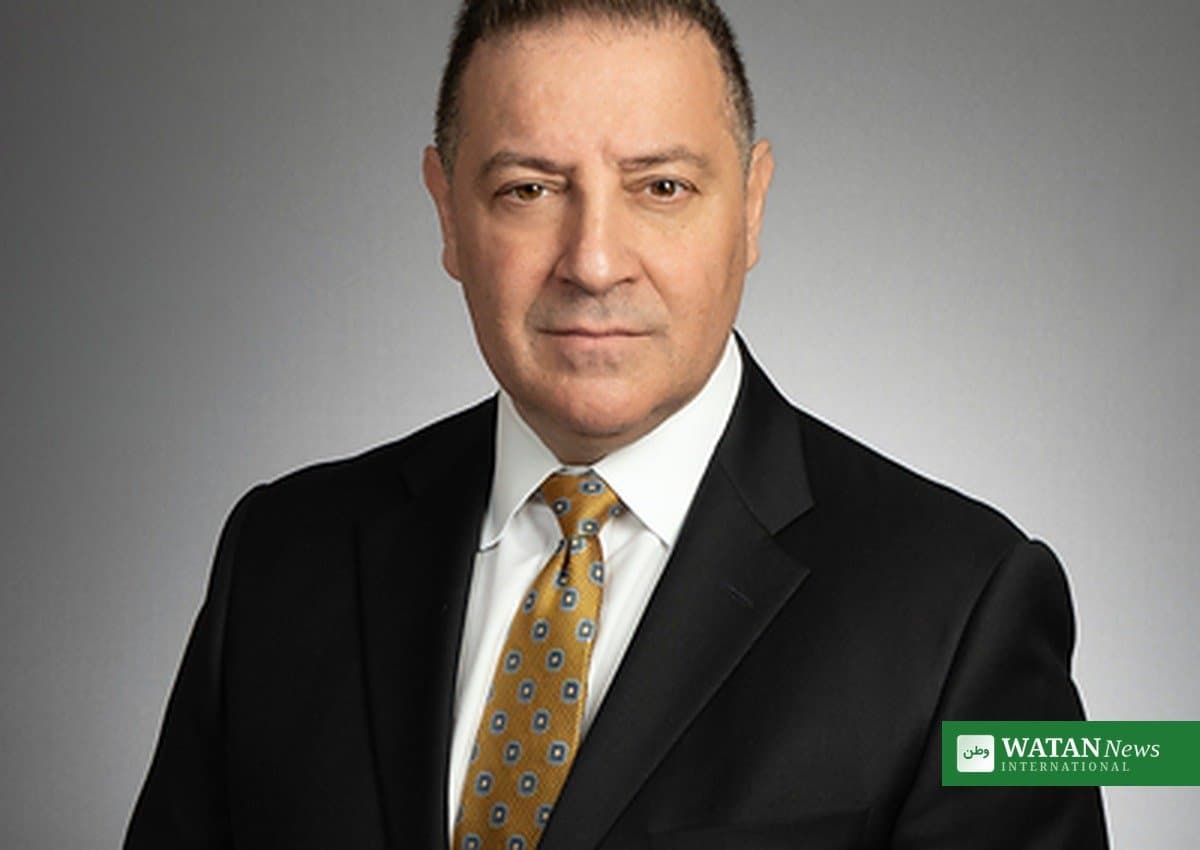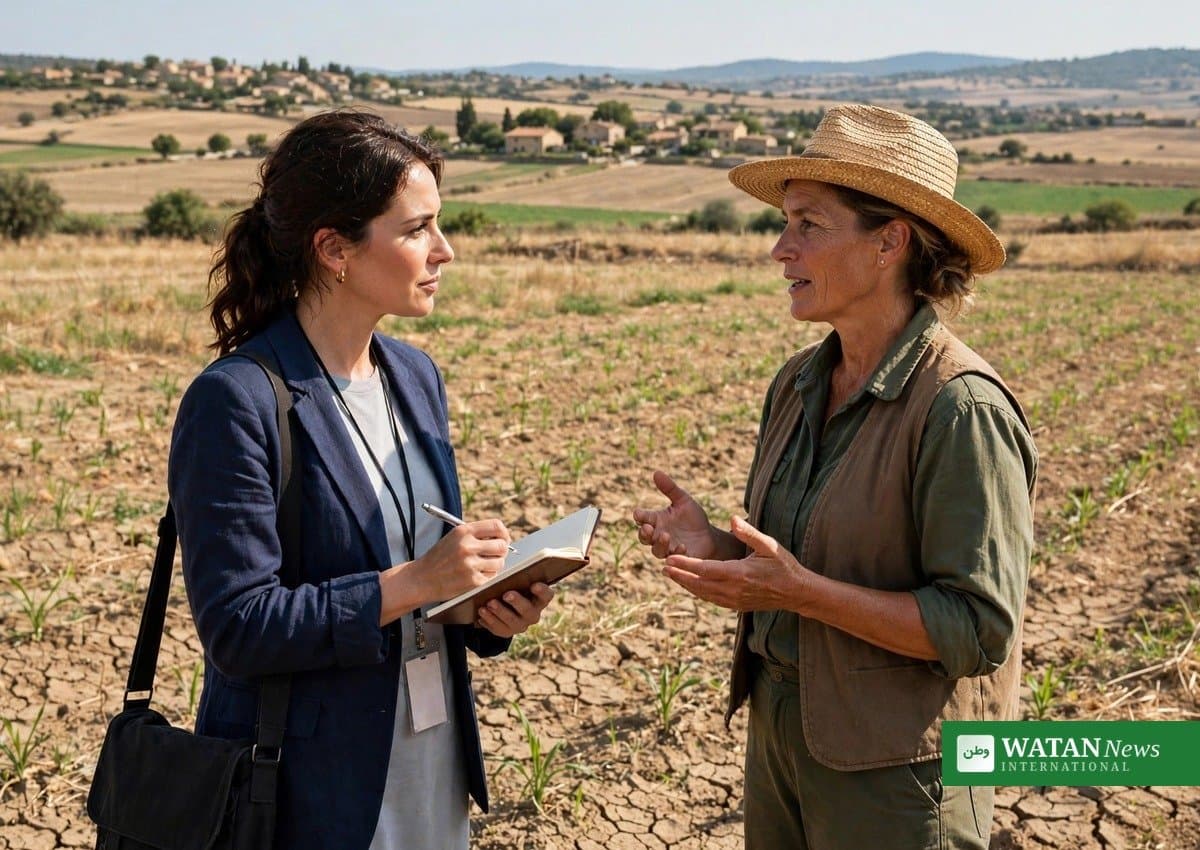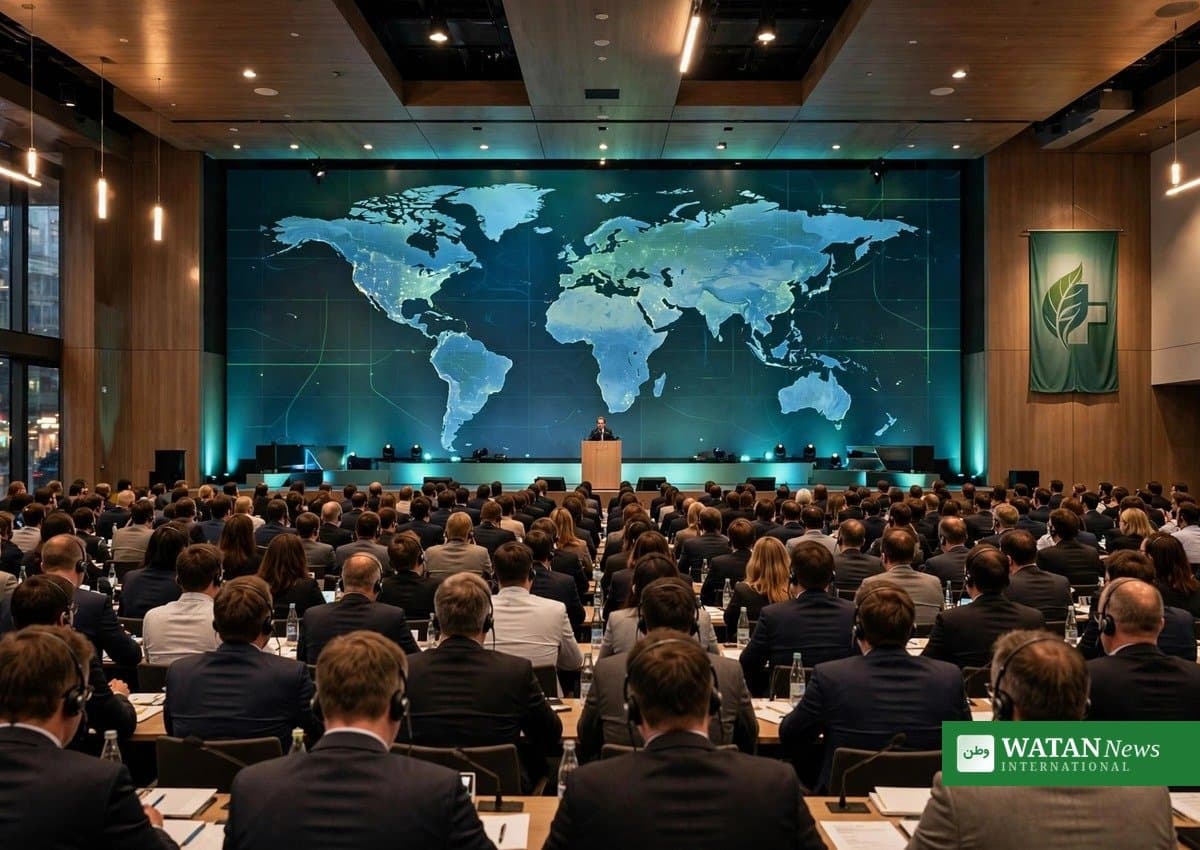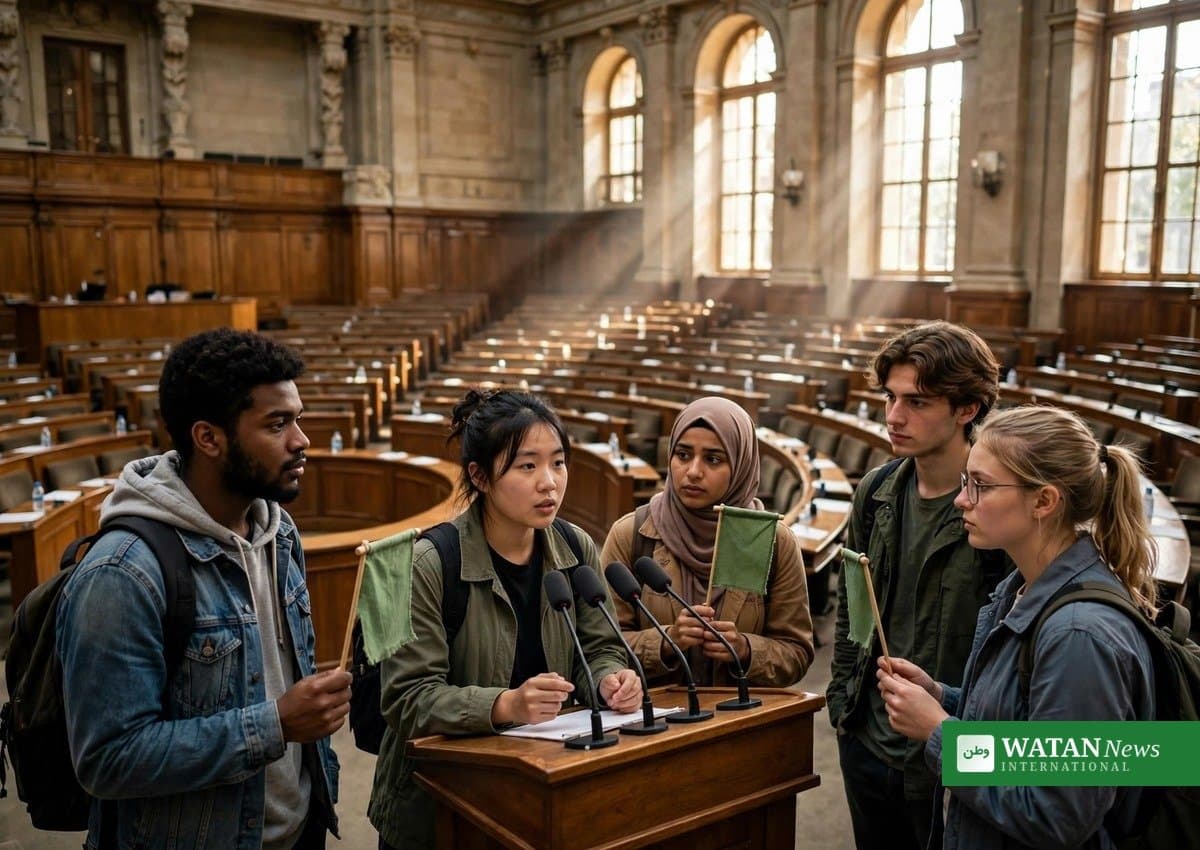
Youth representatives from across Europe have called on the Parliamentary Assembly of the Council of Europe (PACE) to accelerate climate action, protect young people’s rights and give young people a genuine voice in climate decisions, during a general policy debate in Strasbourg on 1 October 2026.
FAKTA
- What: PACE general policy debate, “Europe, the fastest-warming continent: accelerating climate action with young people”
- When and where: 1 October 2026, Palais de l’Europe, Strasbourg, during the Assembly’s autumn session
- Report: Presented by PACE member Aurora Floridia (Italy, SOC)
- Youth speakers: Emilie Tamo Kamguia, member of the Council of Europe Advisory Council on Youth; Emma Wedner, Chair of the Advisory Council on Youth
- Other speakers: Michael O’Flaherty, Council of Europe Commissioner for Human Rights; Kamal Kishore, Special Representative of the UN Secretary-General for Disaster Risk Reduction and head of UNDRR; Benjamin Van Bunderen Robberechts, founder of Climate Justice for Rosa
- Outcome: The Assembly adopted a resolution calling on member states to recognise the right to a healthy environment and to support the drafting of a binding European convention
“Protect our rights. Protect our future. Do not fail us.”
Addressing the Assembly, Emilie Tamo Kamguia described how climate change is already shaping young people’s lives — from education and employment to healthcare, food, housing and civic space. Young people, she said, are among those most affected by the crisis and at the same time active agents of change.
“Protect our rights. Protect our future. Do not fail us,” she urged the parliamentarians. She called for the implementation of Recommendation CM/Rec(2024)6 on young people and climate action, stronger protection for young environmental defenders, and the removal of barriers to youth participation in decision-making. She also expressed support for drafting a convention recognising the right to a safe, healthy and sustainable environment.
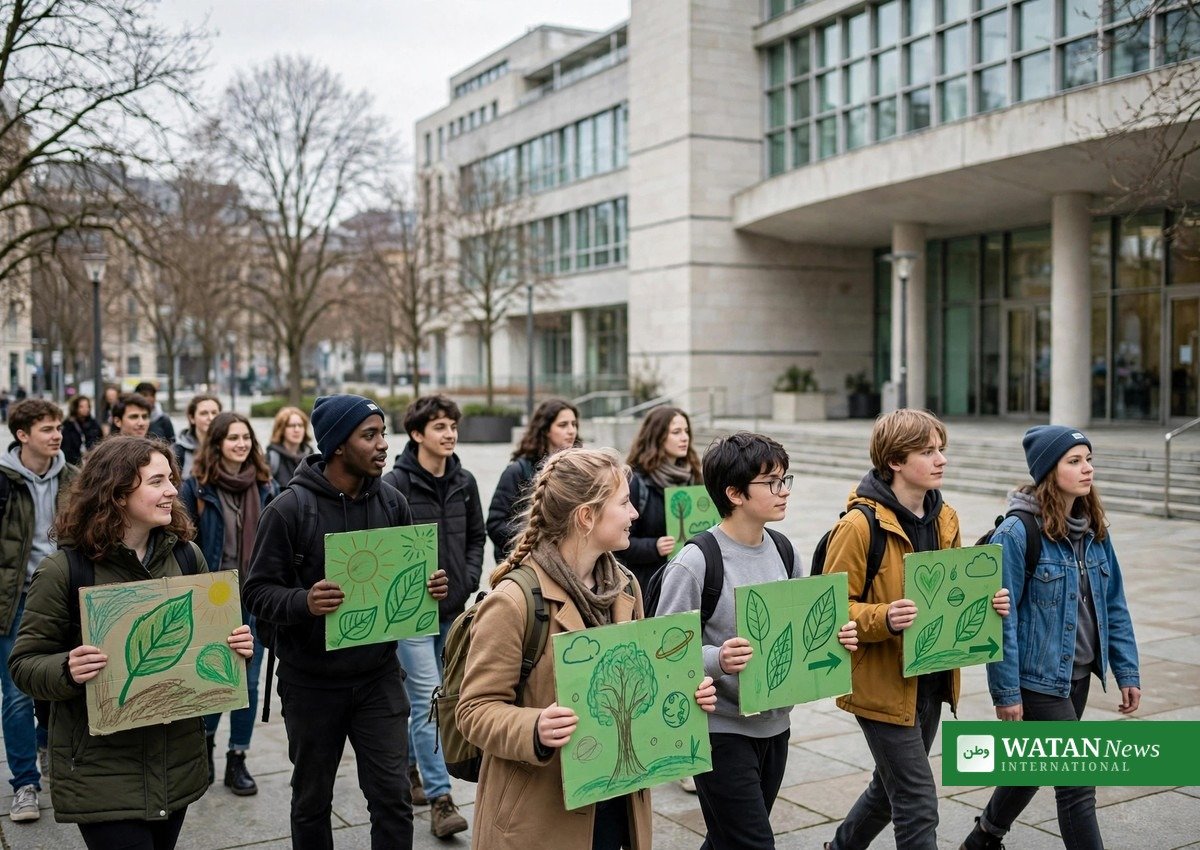
Young climate marchers with hand-painted placards. Youth groups across Europe are demanding a real say in climate policy — not symbolic consultation.
Disinformation, science and the law
Emma Wedner, Chair of the Advisory Council on Youth, warned that disinformation fuels climate denial, undermines trust in science and weakens communities’ ability to act. She stressed the importance of reliable information and of support for journalists, scientists, activists, youth organisations and youth workers, and welcomed the report’s focus on literacy and intergenerational justice.
She also drew attention to young people’s growing use of legal action to pursue climate justice. The Advisory Council on Youth supports the call for a convention on the right to a healthy environment, as well as the protection of the environment through criminal law. “We should not fear binding instruments,” she concluded. “What we should fear are the irreversible consequences of the triple planetary crisis.”
A binding treaty on the table
In the resolution adopted after the debate, the parliamentarians stated: “Without a liveable climate, accessible water, clean air and working ecosystems, human rights and the freedoms and dignity they rely on are merely abstract concepts.”
The text calls on European countries to recognise the right to a healthy environment in their national laws and to support, within the Council of Europe, the drafting of a legally binding instrument guaranteeing this right, with particular regard to the rights of young people and future generations. It urges states to enshrine in their laws and climate plans ambitious targets that are compatible with human rights, backed by deadlines, monitoring and corrective measures.
The resolution stresses contribution rather than tokenism: young people should help shape, weigh and monitor climate policies — including their economic, tax and financial dimensions — instead of being offered symbolic consultations. It also welcomed the 2024 Recommendation of the Committee of Ministers on young people and climate action, described as the first international instrument dedicated to this issue, and called on member states to implement it without delay.
What comes next
In a recommendation adopted alongside the resolution, the Assembly asked the Committee of Ministers to pay particular attention to the April 2024 judgment of the European Court of Human Rights against Switzerland, which found the country responsible for climate inaction, and to supplement the Action Plan for the Council of Europe Strategy on the Environment (2025–2030) with an initiative on futures literacy and intergenerational justice. It called for work on the binding instrument to begin without delay.
According to Agence Europe, the Assembly’s President closed the debate with the words: “Let us start now” — asking the responsible committees to open preparatory work this autumn, so that the text exists before the next disaster dictates it.
Conclusion
With the Strasbourg debate, Europe’s youth representatives moved the conversation from protest to procedure: binding law, enforceable targets and a seat at the policy table. Whether the promised convention materialises will now depend on how quickly Europe’s governments turn the Assembly’s words into legal commitments.
More on this topic: Watan News climate coverage. Sources: Council of Europe: Youth representatives call on PACE to accelerate climate action (1 Oct 2026); Agence Europe: Parliamentary Assembly calls for binding legal instrument on right to healthy environment.